
 Nila Kartika Wati
In the high-stakes world of semiconductor manufacturing, the shift toward Artificial Intelligence (AI) and High-Bandwidth Memory (HBM) has prompted major industry players to restructure their priorities. Micron Technology, a titan in the memory and data storage sector, made headlines earlier this year when it announced a strategic withdrawal from the consumer-facing hardware market. While the company pledged to maintain its warranty obligations for existing Crucial-branded SSDs and RAM modules, a growing pattern of anecdotal evidence suggests that fulfilling these promises is proving to be a logistical and ethical minefield for the company.
As the industry faces a tightening supply of NAND and DRAM, the cost of storage has soared. This macroeconomic volatility has placed Micron’s customer support division in the crosshairs, as users attempting to utilize their warranties are increasingly being met with “low-ball” refund offers that fail to reflect the current market value of their hardware.
The Core Conflict: When "Warranty" Means "Refund"
The controversy centers on a fundamental dispute over the nature of a product warranty. Typically, a limited lifetime or multi-year warranty implies that a company will either repair or replace a defective unit with an equivalent model. However, recent reports from users on platforms like Reddit indicate that Micron is attempting to bypass the replacement process by issuing refunds based on the original purchase price (MSRP) from years prior.
For consumers who purchased high-capacity storage when prices were lower, this policy is disastrous. With the current, substantial inflation in the cost of flash memory, an original purchase price of $200 for a 4TB SSD may now be insufficient to cover even half the cost of a modern replacement. This creates a scenario where the consumer, despite having an active warranty, is forced to pay a "penalty" simply because the manufacturer has opted to exit the consumer market and reduce its inventory overhead.
A Chronology of a Failed RMA: The Case of u/CarefulMeasurement99
The most recent and public instance of this friction involves a user known as u/CarefulMeasurement99, whose experience with a failed 4TB Crucial X9 portable SSD serves as a microcosm of the wider issue.
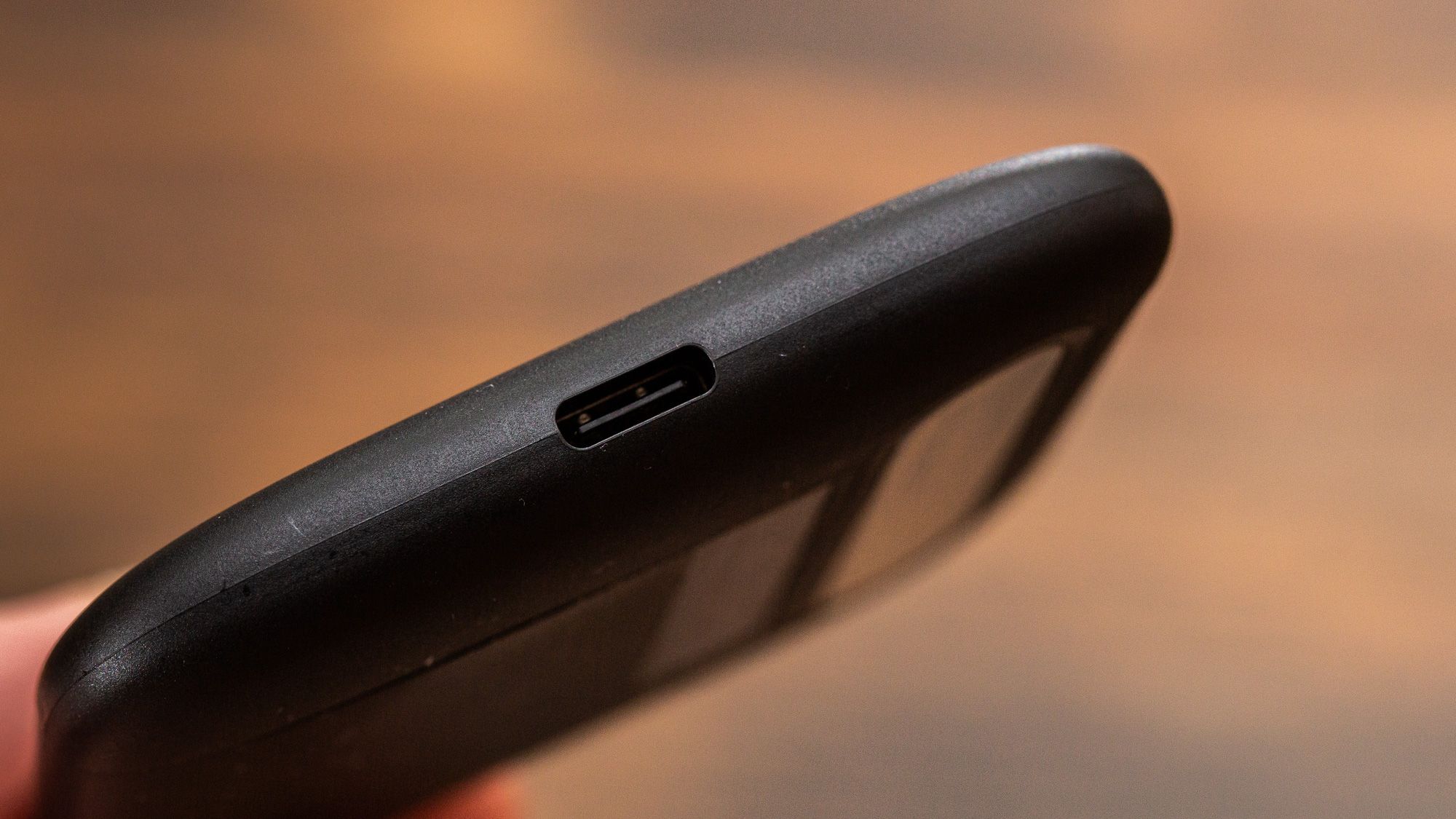
- The Failure: The user’s 4TB drive, a critical component for their data storage needs, ceased functioning entirely.
- The Support Interaction: Upon contacting Micron’s support channels and completing the necessary troubleshooting steps—which included rigorous diagnostics and data verification—the RMA (Return Merchandise Authorization) was officially approved.
- The Pivot: Shortly after approval, the user was informed that the company no longer held stock of the specific X9 4TB unit. Consequently, support offered a refund of $199.99—the amount paid at the time of purchase.
- The Market Reality: The user noted that the current retail price for a 4TB SSD of comparable performance had surged to over $500, with some retailers listing the units even higher due to supply chain shortages.
- The Escalation: The customer rejected the refund, arguing that it did not satisfy the terms of the warranty. They requested a 1:1 replacement or a functional equivalent, even offering to wait for restocked inventory.
- The Resolution: After threatening to escalate the issue via the Federal Trade Commission (FTC) and citing the Magnuson-Moss Warranty Act, the user received a sudden communication from a different support representative. The representative claimed a "recent inventory update" had miraculously located a replacement unit, and the 1:1 swap was approved.
This timeline suggests that the "lack of inventory" is not necessarily a hard physical reality, but rather a flexible administrative excuse used to minimize expenditure on legacy products.
The Broader Context: Why Storage Prices are Surging
To understand the frustration of consumers, one must look at the global semiconductor market. The tech industry is currently navigating a "NAND and DRAM crisis." Several factors are contributing to this:
- AI Infrastructure Demand: Large-scale AI training requires massive amounts of high-speed memory. Companies like Micron are shifting their wafer allocations away from consumer-grade SSDs and toward HBM (High-Bandwidth Memory) to satisfy the insatiable appetite of AI data centers.
- Production Cutbacks: To stabilize falling prices from previous years, major manufacturers, including Micron, Samsung, and SK Hynix, intentionally curtailed production of NAND flash. As the market stabilized, this intentional scarcity led to a rapid price correction, causing retail costs for consumer drives to skyrocket.
- Inventory Clearing: As Micron winds down its consumer division, it is incentivized to minimize the costs associated with holding replacement stock. Providing a small refund is significantly cheaper than sourcing or holding a high-capacity drive that could be sold for a premium in the current market.
The Legal and Ethical Implications
The situation raises significant questions regarding consumer protection laws. The Magnuson-Moss Warranty Act in the United States, for instance, is designed to protect consumers from deceptive warranty practices. If a company represents that it provides a warranty, it is generally expected to provide a remedy that leaves the consumer in a position comparable to the one they were in before the product failed.
When a company offers a refund based on an outdated purchase price—effectively devaluing the product due to inflation—they are arguably failing to uphold the spirit of the warranty. If the company cannot replace the product, they should, in theory, provide a pro-rated value based on the current market cost of an equivalent item, or at the very least, a product of equal or greater specifications.
By forcing consumers to fight for their rights on public forums, Micron risks significant brand damage. For a company that built its reputation on the "Crucial" brand being a reliable staple of the DIY PC building community, this current approach is a stark departure from the trust-based model that defined their rise to dominance.
Pattern Recognition: Is This Systemic?
This is not an isolated incident. Reports of similar "refund-first" tactics have been surfacing across tech support forums and enthusiast communities throughout the year. In a previous instance documented by industry analysts, a user was offered a similarly paltry refund for high-end RAM. In that case, too, the company only reversed course and provided a replacement after the customer escalated the issue through public channels.
The repetition of these cases suggests that there is a standard operating procedure in place for RMA claims involving discontinued or low-stock products. The strategy appears to be a "path of least resistance" policy: offer a refund, and if the customer accepts, the company saves money. If the customer pushes back, they are then "upgraded" to the standard of service they were entitled to in the first place.
The Future for Crucial Customers
As Micron transitions further into the enterprise and AI-heavy sectors, the consumer market will likely continue to see a decline in support quality. For those currently owning Crucial products, the lesson is clear: document everything, be aware of your rights under local consumer protection laws, and do not be afraid to escalate claims when initial support offers appear to be in bad faith.
The shift toward AI is undeniably a lucrative move for Micron’s shareholders, but the company must reconcile this growth with its legacy obligations. A warranty is not merely a marketing tool to be discarded when convenient; it is a contract. If Micron continues to view its consumer base as an impediment to its enterprise pivot, it may find that the cost of burning bridges with its core community far outweighs the savings achieved through these questionable RMA practices.
In the final analysis, consumers are the collateral damage of a shifting technological landscape. While companies chase the multi-billion dollar AI boom, the individual user left with a broken drive is a reminder that in the cold, corporate calculus of silicon manufacturing, "customer service" is often the first thing to be devalued.


 Pevita Pearce
 Reynand Wu




