
In the modern landscape of the gaming industry, Nintendo is synonymous with wholesome, family-centric entertainment. The brand is built on the colorful, non-violent escapades of Mario, the whimsical charm of Animal Crossing, and the aspirational spirit of The Legend of Zelda. However, looking back at the marketing archives of the mid-1990s, one finds a starkly different, almost unrecognizable iteration of the company. It was an era defined by the rise of "lads’ mags" like FHM and Loaded, and for a brief, jarring period, Nintendo decided that the best way to sell a monochrome portable console was to embrace a brand of edgy, provocative, and often downright bizarre advertising that feels like a fever dream in today’s cultural climate.
The Context: A Race to the Bottom of "Edginess"
To understand why Nintendo—a company deeply protective of its intellectual property—would pivot to such aggressive marketing, one must look at the competitive landscape of the 1990s. This was a decade where Sony’s PlayStation had successfully positioned gaming as the "cool" hobby of choice for young adults. By leveraging dance music culture, rave aesthetics, and high-octane marketing, Sony effectively shifted the perception of video games from toys for children to lifestyle accessories for the youth.
Nintendo, fearing that it was losing its grip on the crucial teenage and young-adult demographic, felt compelled to compete. The result was a marketing strategy that abandoned the company’s traditional warmth in favor of the "lads mag" aesthetic. The goal was to prove that the Game Boy wasn’t just for kids; it was for the cynical, beer-swilling, pop-culture-obsessed young men who populated the pages of the UK’s most popular men’s lifestyle magazines.
Chronology of a Controversial Campaign
The mid-90s marked a high-water mark for shock-value advertising. Agencies were under immense pressure to cut through the noise, and for the Game Boy, that meant utilizing provocateurs like Leo Burnett to craft campaigns that would turn heads.
1996–1997: The Peak of Provocation
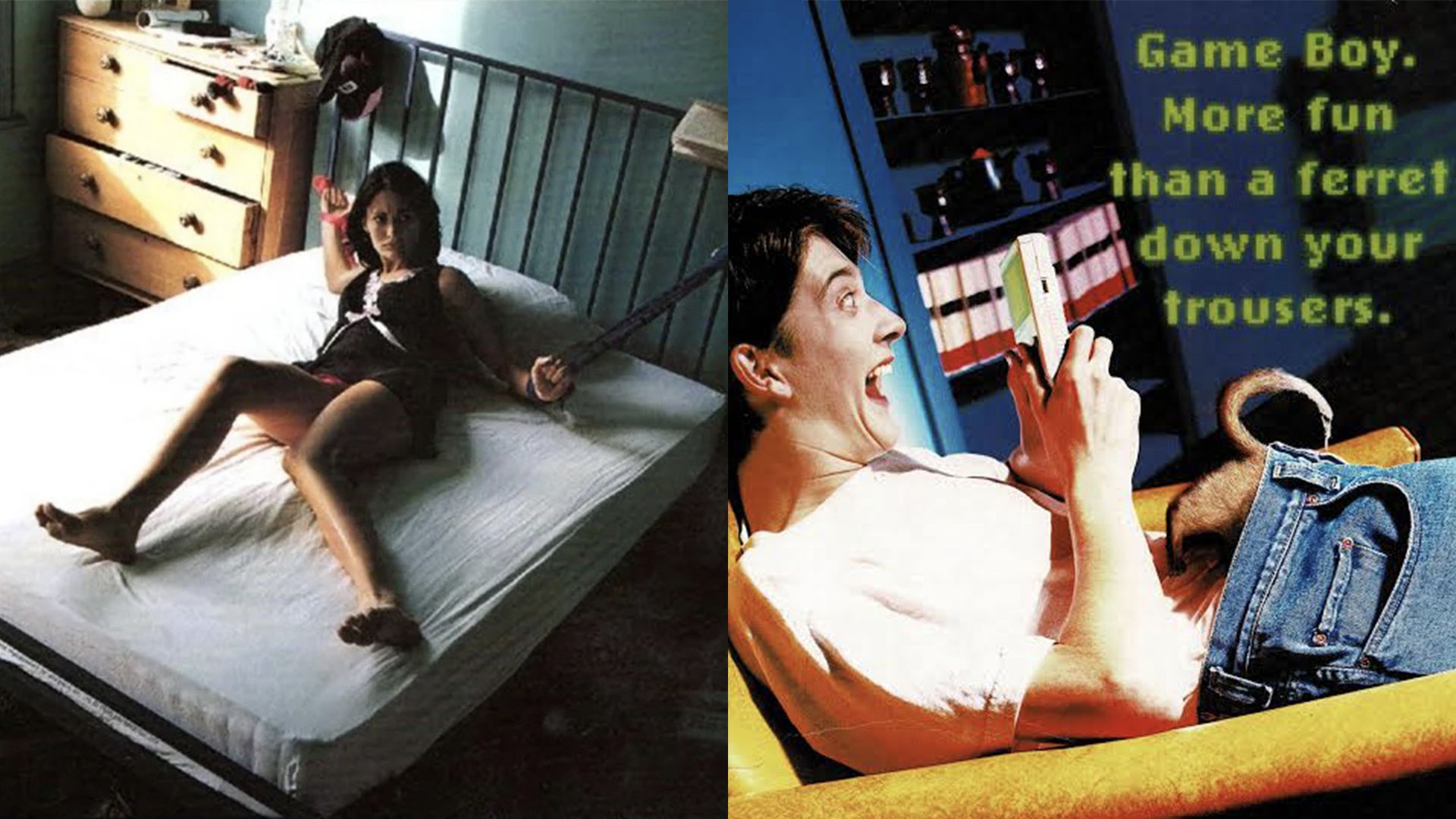
The most infamous example of this era surfaced in 1997. The advertisement featured a woman in lingerie tied to a bed, with the tagline: "The new Game Boy Pocket: Seriously Distracting." The implication—that the user was so preoccupied with their portable console that they had forgotten their partner in a state of bondage—was intended to be a tongue-in-cheek play on the "addictive" nature of the hardware.
The Fallout and Public Backlash
The reaction was swift. The Advertising Standards Authority (ASA) in the UK, responding to a flood of complaints from the public, deemed the advertisement "tasteless" and "offensive." While the campaign was clearly intended for the hyper-masculine editorial environment of FHM, the public failed to see the humor. The ad was subsequently pulled, marking a rare and embarrassing public defeat for Nintendo’s marketing division.
The "Ferret" and Other Oddities
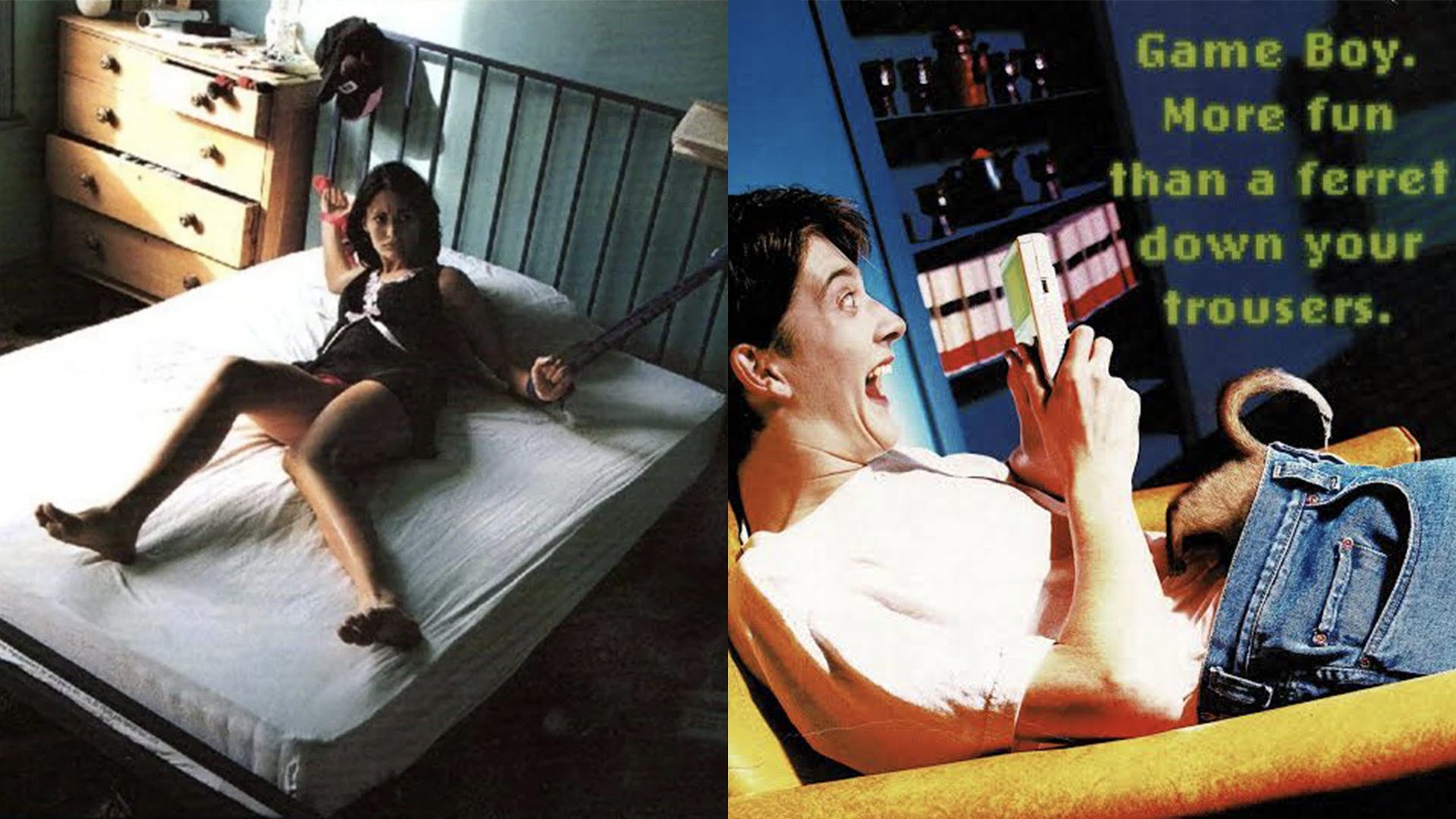
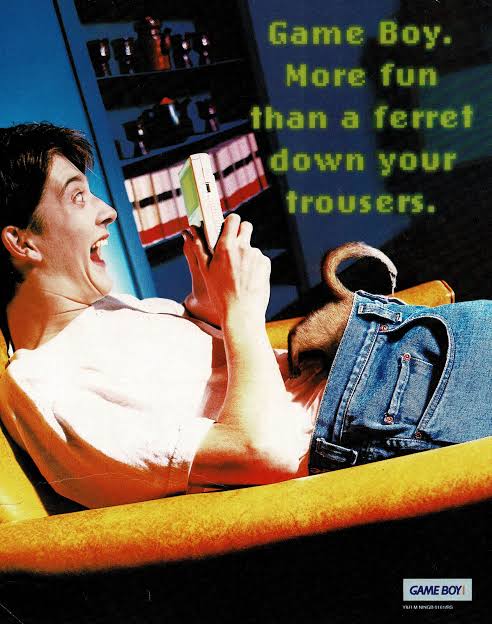
The bondage ad was not an isolated incident; it was part of a broader, chaotic creative direction. Other print ads from this period featured bizarre imagery, including a man with a ferret down his trousers and various other scenes meant to convey a "gritty" or "irreverent" lifestyle. These campaigns were frequently disjointed, attempting to bridge the gap between a 2D portable console and a "cool" adult lifestyle that the hardware itself could not actually support.
Analyzing the Disconnect: Gaming vs. Lifestyle
A primary criticism of this marketing era, when viewed through a modern lens, is the profound lack of synergy between the messaging and the product. While Sony was using its edgy marketing to promote titles like WipEout—a game that actually shared the aesthetic of the rave culture it was targeting—Nintendo was running "edgy" ads to promote titles like Kirby’s Dream Land or Tetris.
This created an "uncanny valley" of marketing. The dissonance between the aggressive, often misogynistic tone of the advertising and the inherently gentle nature of the actual games created a confusing brand identity. Consumers were being promised a "rebellious" experience, only to find that the product was the exact opposite. It was a classic case of a brand trying to be something it wasn’t, leading to a loss of brand integrity that would take years to fully recover.
Official Responses and Corporate Defenses
At the time, the defense offered by the advertising agencies and Nintendo’s representatives was rooted in the concept of "contextual placement." Crispin Reed, an account director at Leo Burnett, argued in a 1997 interview with The Independent that the ad’s content was no more extreme than the editorial content of the magazines in which it appeared.
"When you look at our ad in the context of the environment it appeared in," Reed stated, "it’s exactly in keeping with the editorial pages which, I would say, go further than we did."
This argument highlights a fundamental difference between advertising standards of the 1990s and the present. Advertisers then felt they had a "license" to match the tone of the publication. Nintendo, however, learned a difficult lesson: a brand’s reputation is global and transcends the specific page on which an ad is printed. Regardless of the environment, the public held Nintendo to a higher standard than they held the editors of a tabloid magazine.

The Implications: A Legacy of Lessons
The "lads mag" era of Nintendo serves as a definitive case study in the dangers of "brand-stretching" to chase market trends.
The Shift Toward Brand Preservation
Following the late 90s, Nintendo underwent a massive strategic pivot. Under the leadership of figures like Satoru Iwata, the company doubled down on its identity as a purveyor of "fun for everyone." By embracing the family-friendly, high-quality, and imaginative nature of its games, Nintendo eventually cultivated the reputation it enjoys today—a brand that feels timeless rather than dated.
The Death of the "Edgy" Tech Ad
The failure of these campaigns signaled the beginning of the end for the "shock" advertising era in the gaming industry. As consumers became more socially conscious and the internet allowed for instant, widespread criticism, brands realized that aligning themselves with the "lads mag" culture was a high-risk, low-reward proposition. Today, even companies that market to adults, such as Sony and Microsoft, have largely moved away from the overtly misogynistic or hyper-masculine tropes that defined the 90s.
Cultural Evolution
Looking at these ads in 2026, they serve as a historical marker of how far the industry—and society—has evolved. The casual misogyny and the "lads culture" that allowed these ads to exist for even a moment are now viewed with a mix of bewilderment and critical distance. The ads are seen not as "cool," but as a desperate, misguided attempt to find relevance in a culture that was inherently shallow.
Conclusion
The 1990s were a wild west for advertising, and Nintendo’s brief flirtation with "edgy" marketing remains one of the most curious chapters in corporate history. It was a period defined by insecurity—a company worried that its wholesome image would be left behind by the fast-paced, high-tech future.
However, by trying to mimic the "cool" of its competitors, Nintendo nearly tarnished the very thing that made it unique: its heart. The legacy of these ads isn’t one of successful disruption, but rather a warning to modern brands. In a world where consumers demand authenticity, pretending to be something you are not—especially when it involves crossing into toxic cultural territory—is a recipe for failure. Nintendo survived its "lads mag" phase because it ultimately returned to its roots, proving that in the long run, being true to oneself is far more effective than chasing the fleeting trends of the day.