
 Lina Hope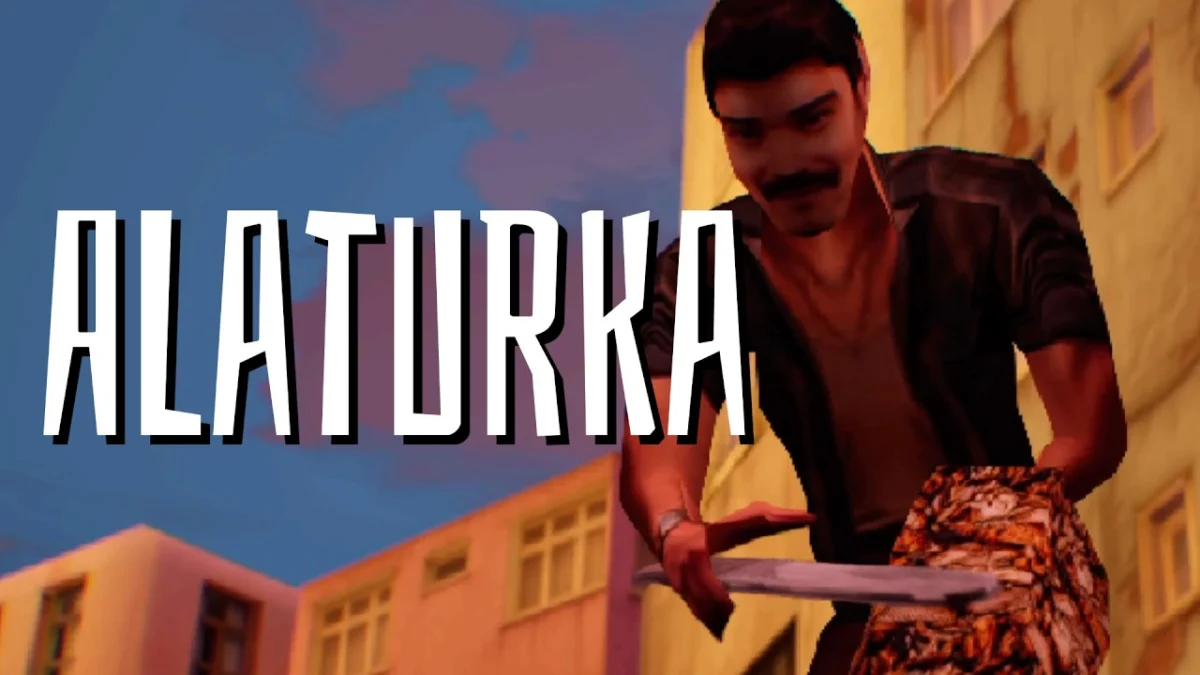
As the gaming world holds its breath for the highly anticipated release of Grand Theft Auto VI, a quiet revolution is brewing in the indie development scene. For players who are weary of the ever-increasing hardware requirements of modern AAA titles, or who simply crave a nostalgic return to the chaotic, stylized sandbox gameplay of the PlayStation 2 era, a solo developer has unveiled a compelling alternative. Alaturka, an open-world project set in the vibrant, gritty streets of 1970s Istanbul, stands as a testament to what a single creative mind can achieve with persistence, transparency, and a deep appreciation for the roots of the sandbox genre.
Developed by Burak Akşahin—known to his growing community as Bufuak—Alaturka is not merely a fan project or a derivative clone. It is a sophisticated, educational experiment that has evolved into a fully realized commercial endeavor. By transporting the classic "crime-spree" formula to the Bosphorus, Akşahin has created an evocative, low-poly world that captures the essence of a bygone era, both in gaming history and in Turkish culture.
The Genesis of an Open-World Vision
The story of Alaturka began approximately 18 months ago, rooted in an ambitious, albeit daunting, question: Could a solo developer successfully build an open-world game reminiscent of the early GTA titles using Unreal Engine 5, while simultaneously documenting every step of the journey for an audience of aspiring game designers?
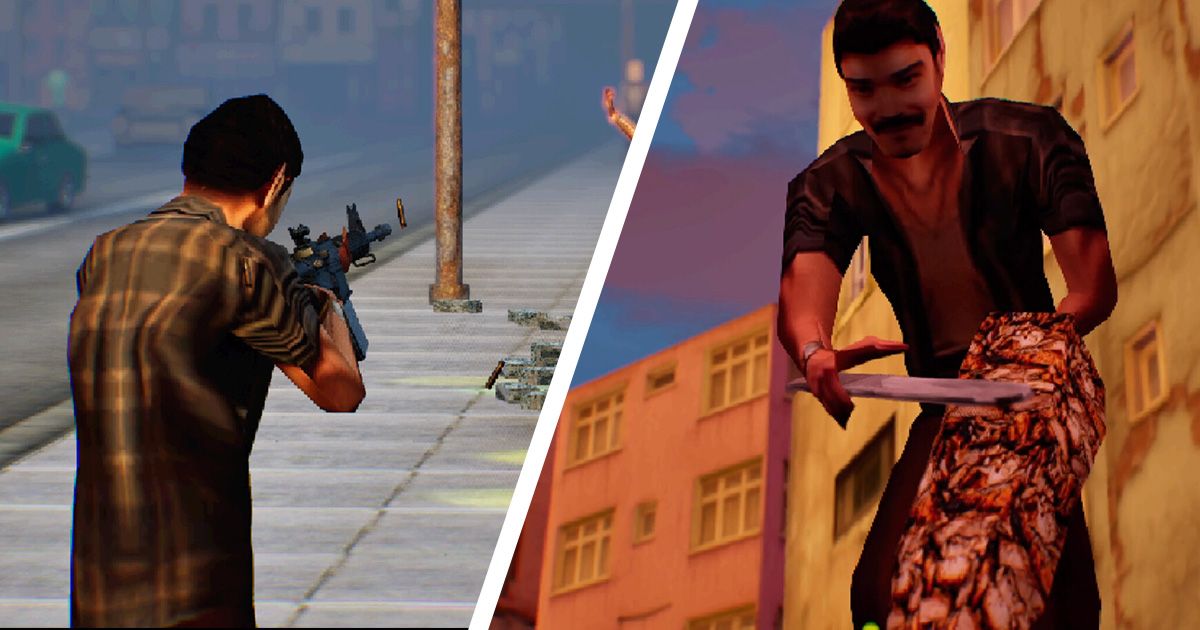
Akşahin, an Unreal Engine tutor, chose to bypass the traditional "closed-door" development process. Instead, he treated his project as an open classroom. He live-streamed the construction of the game, inviting students and curious onlookers to witness the raw reality of game development—the inevitable crashes, the complex debugging, the frustration of broken AI, and the small, hard-won victories that characterize the life of an indie developer.
This radical transparency provided a unique look into the mechanics of open-world design. From mapping out the initial city layout using satellite imagery of Istanbul to crafting a day-night cycle that paints the Bosphorus in atmospheric sunset hues, the development of Alaturka has been a masterclass in modern indie workflows.
A Chronology of Chaos
The development timeline of Alaturka reflects a steady climb in complexity and ambition.
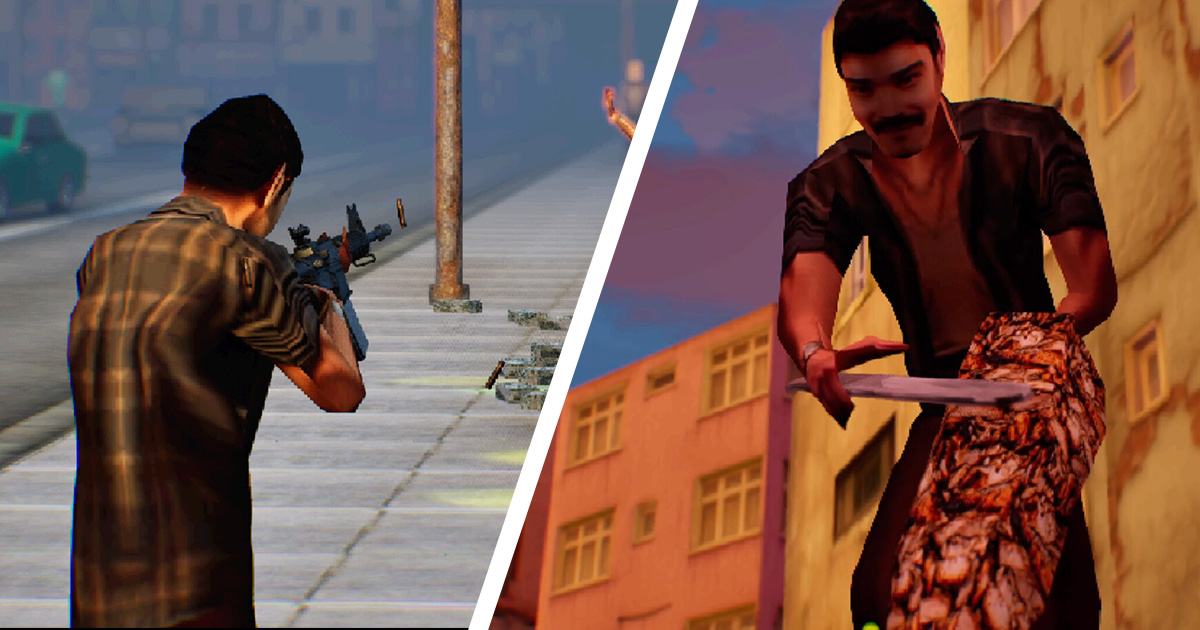
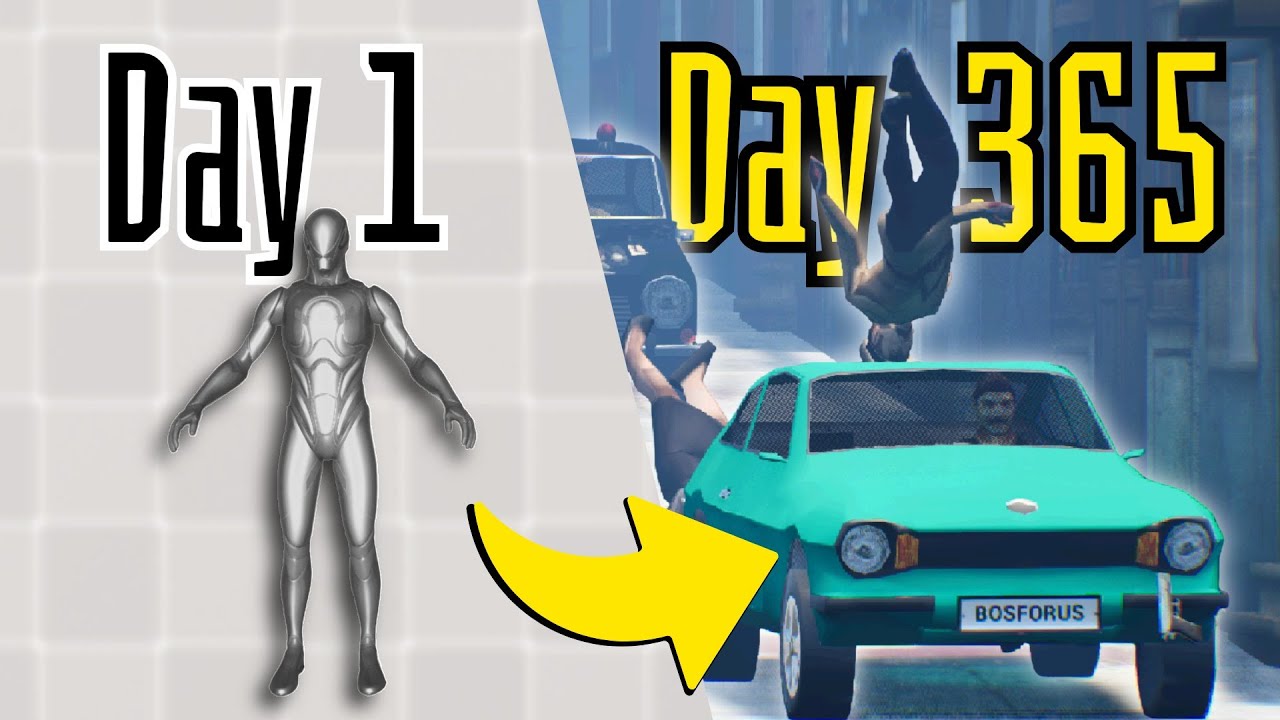
- The Conceptual Phase (Month 1-3): Akşahin initially focused on building the core engine systems, utilizing Unreal Engine 5 to lay the groundwork for a scalable sandbox environment. During this stage, he experimented with Epic Games’ MetaHuman creator, hoping to populate his version of Istanbul with high-fidelity, realistic NPCs.
- The Pivot to Retro (Month 4-6): Recognizing that his vision required a specific aesthetic and broad hardware accessibility, Akşahin made a pivotal design choice. He moved away from the hyper-realistic MetaHuman assets in favor of a low-poly, stylized aesthetic. This not only paid homage to the PS2-era classics that inspired the project but also ensured that Alaturka would remain performant on a wide variety of hardware configurations.
- Systems Integration (Month 7-12): This period saw the implementation of core gameplay mechanics. The developer spent months refining a scalable weapons system, building driving logic from the ground up, and modeling period-accurate vehicles that fit the 1970s Turkish setting.
- The Chaos System (Month 13-18): Perhaps the most significant milestone occurred roughly eight months ago, when Akşahin announced the implementation of a proper "chaos system." This was the missing link for the game’s identity. By introducing chain reactions—panicked pedestrians, aggressive NPC drivers, and reactive AI—he successfully captured the unpredictable, slapstick-adjacent mayhem that defined the early Grand Theft Auto experience.
Technical Foundations and Creative Choices
At its heart, Alaturka is a project defined by technical constraints turned into stylistic strengths. By opting for a low-poly visual style, Akşahin has circumvented the common trap of indie developers trying to "out-do" AAA studios in graphical fidelity. Instead, he has focused on atmosphere and world-building.
The game’s setting—1970s Istanbul—is more than just a backdrop. It is an active participant in the player’s experience. The soundtrack, heavily influenced by 70s Anatolian psychedelic rock, sets a distinct mood, separating Alaturka from the Americanized urban landscapes typical of the genre. Akşahin’s dedication to this theme was so intense that he reportedly spent days distracted by music discovery, even developing custom shaders to capture the "trippy" visuals associated with the genre rather than focusing on standard coding tasks.
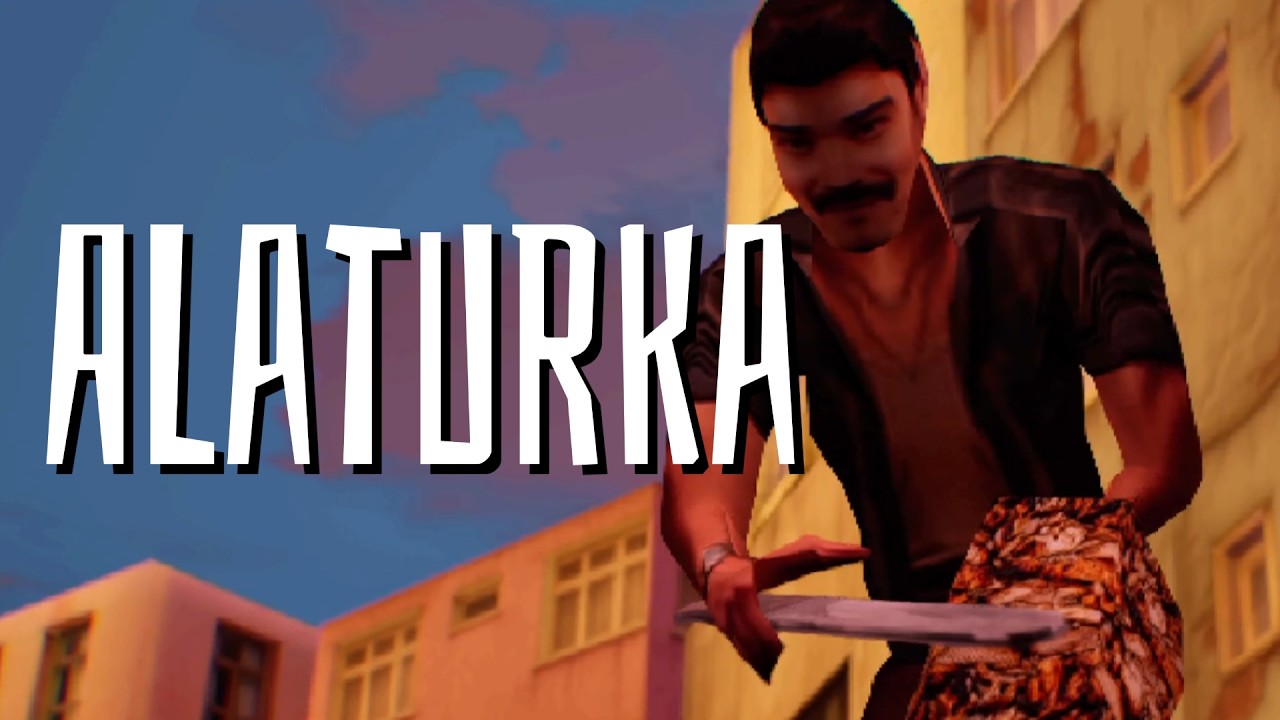
The gameplay loop is equally rooted in the culture of the era. The player assumes the role of a döner kebab apprentice working for their uncle. This humble beginning serves as the narrative anchor for the player’s descent into the criminal underworld. The tasks involve a mix of mundane service—slicing meat, delivering wraps—and the escalating "shady jobs" that offer higher rewards, creating a satisfying progression curve that feels both grounded and quintessentially "GTA."
The Implications of the "Solo Developer" Model
The success and visibility of Alaturka raise significant questions about the future of open-world game development. For years, the industry has operated under the assumption that an open-world game requires hundreds of developers, massive budgets, and years of crunch. Alaturka challenges this narrative.
By leveraging the power of Unreal Engine 5 and sharing his knowledge via YouTube and Reddit, Akşahin has shown that a single, disciplined developer can create a massive sandbox. This model of "open development"—where the community participates in the creation process—also builds a level of engagement and loyalty that traditional marketing campaigns often fail to replicate.
Furthermore, the game’s focus on "retro" performance standards addresses a growing market frustration. As AAA games continue to demand high-end GPUs and massive storage capacities, Alaturka targets a demographic that values gameplay loop, art style, and accessibility over cutting-edge ray-tracing or 4K textures.
The Road Ahead
While the official release date for Alaturka remains under wraps, the project is already gaining significant traction on digital storefronts, with a Steam page now live for wishlisting. As the gaming community prepares for the massive cultural impact of Grand Theft Auto VI, Alaturka serves as a refreshing reminder that the spirit of gaming is not found in the size of the budget, but in the clarity of the vision.
For those interested in the technical minutiae, Akşahin’s YouTube channel remains an invaluable archive. He continues to post edited highlights of his development process, providing a detailed breakdown of how he managed AI vehicle pathfinding, how he built a robust mission structure, and how he balanced the game’s difficulty to ensure that the "chaos" never becomes overwhelming.
A Cultural Snapshot: 1970s Istanbul
The choice of Istanbul in the 1970s is a stroke of narrative genius. It is a period defined by rapid urban expansion, cultural tension, and a unique blend of East and West. By modeling his city from scratch—using satellite data to ensure architectural authenticity—Akşahin has crafted a world that feels lived-in.
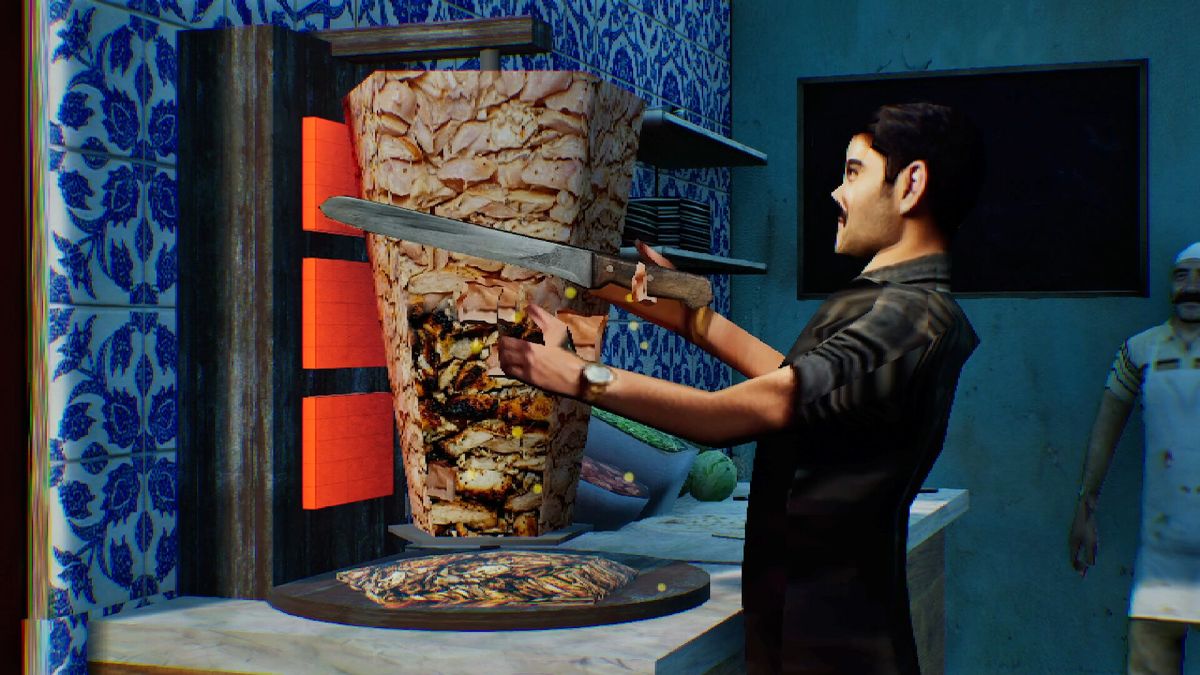
Whether it is the narrow, winding streets that test the player’s driving skills or the bustling markets that serve as the setting for high-speed chases, the environment reflects a deep respect for the source material. It is a love letter to a city and an era that are rarely explored in the gaming medium.
Conclusion: A New Path for Indie Developers
As we approach the end of 2024, the gaming industry finds itself at a crossroads. The divide between massive, service-heavy AAA titles and innovative, intimate indie games has never been wider. Alaturka bridges this gap by offering the scale of an open-world title with the soul and accessibility of an indie project.
Burak Akşahin’s journey from a solo developer with a dream to the creator of a highly anticipated sandbox game is a beacon for the next generation of creators. It proves that with the right tools, a clear vision, and a willingness to learn in public, the barriers to entry in the gaming industry are lower than ever.

While we wait for the eventual release of Alaturka, it is worth reflecting on the path it has carved. In an age of pre-ordered, over-hyped, and often over-complicated gaming experiences, there is a distinct, visceral pleasure in knowing that one person’s dedication to the craft can result in something that feels genuinely fun, authentic, and delightfully chaotic. Whether you are a fan of the GTA series looking for a fix, or a budding developer curious about how a city is built in Unreal Engine, Alaturka is a project that deserves your attention.
As the industry pivots toward its next generation of titles, Alaturka stands firm as a reminder that sometimes, the best way to move forward is to look back, take the best parts of the past, and wrap them in a döner kebab—or in this case, a digital masterpiece.


 Dwi Wanna
 Lina Irawan




