

By [Your Name/Journalistic Desk]
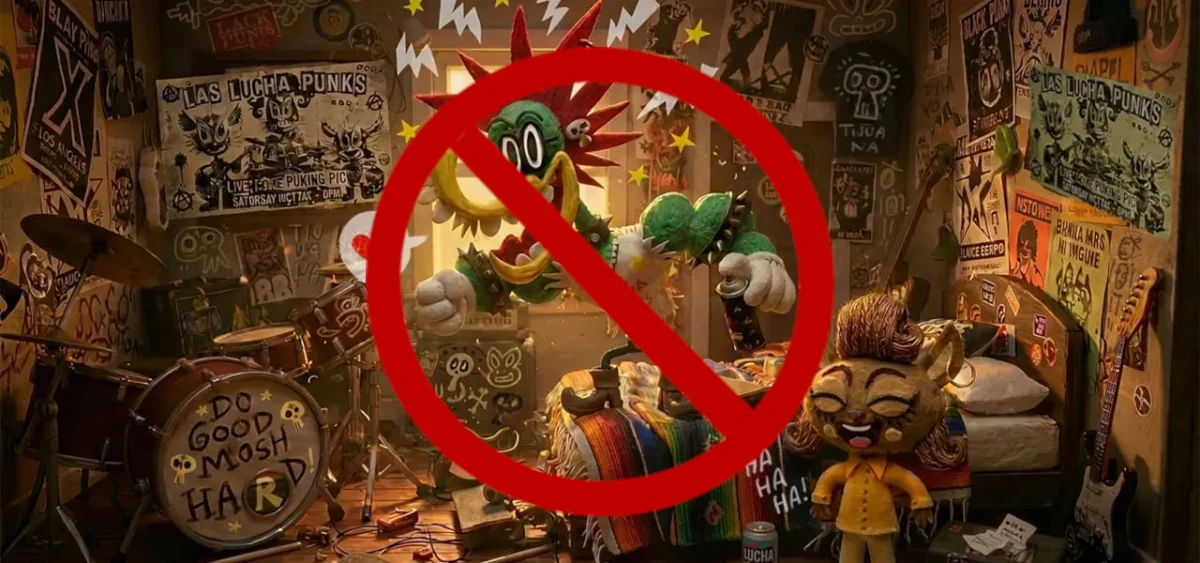
In a sudden and high-profile reversal, acclaimed filmmaker Jorge Gutierrez—the visionary creator behind The Book of Life, El Tigre, and Maya and the Three—has officially severed ties with Amazon’s generative AI animation program. The move, announced just days after his initial commitment to the project, marks a significant turning point in the ongoing, volatile debate regarding the role of artificial intelligence in the creative arts.
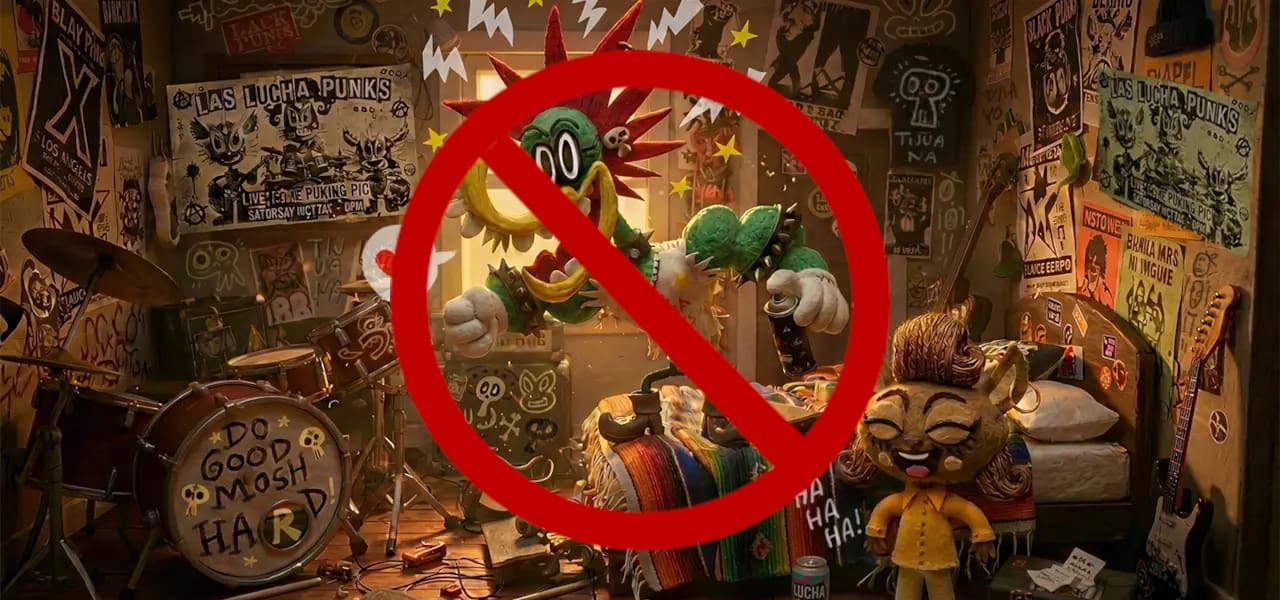
Gutierrez, who had been slated to spearhead a series titled Punky Duck as a flagship pilot for Amazon’s AI-integrated production pipeline, took to social media on Friday to declare his departure. His exit follows a firestorm of criticism from peers, industry professionals, and fans who perceived his involvement as a betrayal of the artist-centric ethos that has defined his illustrious career.
The Core Conflict: Why Gutierrez Walked Away
The controversy erupted almost immediately after the announcement of the Amazon collaboration. For a creator whose filmography is celebrated for its lush, handcrafted aesthetic and deep, personal storytelling, the prospect of utilizing generative AI tools—often trained on datasets that include the copyrighted work of artists without consent—was viewed as an existential threat.
In his public statement, Gutierrez was brief but resolute: "I have decided to drop out of the AI program at Amazon. I will not be making a Punky Duck series. Actions speak louder than words."
He acknowledged the intensity of the backlash, noting his original intent was to advocate for a "creator-led" approach to new technology. "My intent was to showcase artists, both new and seasoned, both inside and outside the studios, driving this new tech," he wrote. "My sincerest apology to those I upset. I promise to do better moving forward."
While Gutierrez has remained tight-lipped regarding the specific catalyst for his decision, the speed of his withdrawal suggests that the pressure from the animation community—an industry currently grappling with job displacement and the ethical implications of automation—proved insurmountable.
A Chronology of the Controversy
To understand the magnitude of this departure, one must look at the rapid sequence of events that brought the issue to a boiling point:
- Early Week: Amazon announces its aggressive push into generative AI for animation, positioning itself as a leader in "streamlined" production. Jorge Gutierrez is named as a key creative partner for the project Punky Duck.
- Initial Defense: As criticism began to mount, Gutierrez initially took a pragmatic stance. He argued that generative AI was an inevitable technological evolution and that if artists did not take the lead in shaping its implementation, corporations would do so without regard for the craft.
- The Backlash: The animation community reacted with visceral intensity. Critics argued that no amount of "artist involvement" could sanitize the core issue: the use of generative models that historically rely on the unauthorized ingestion of human-made art.
- Friday Morning: With the public sentiment turning increasingly hostile, Gutierrez posts his formal resignation from the program.
- The Aftermath: The project Punky Duck is effectively shelved, and the industry is left to debate whether this signifies a temporary retreat or a permanent fracture in the relationship between major studios and the creative labor force.
The Broader Landscape: Amazon’s AI Ambitions
Amazon’s venture into generative AI in animation is not an isolated experiment. It is part of a broader, multi-billion-dollar push by major tech conglomerates to reduce the overhead costs of animation production. By utilizing AI to handle repetitive tasks—such as in-betweening, texture mapping, or even basic character movement—studios hope to drastically shorten production timelines and lower budgets.
However, the "Punky Duck" pilot was intended to go further, potentially utilizing LLMs and generative visual models to assist in the narrative and aesthetic development phases. For proponents of this tech, it is a tool for efficiency; for opponents, it is a mechanism that devalues the human labor that makes animation a medium of expression rather than just content generation.
The irony is not lost on observers: Amazon, a company with deep ties to the retail and cloud infrastructure of the internet, is currently the primary target of concern for creators who fear their portfolios are being used to train the very machines that might replace them.
The Implications for the Animation Industry
The departure of a creator with the stature of Jorge Gutierrez sends a chilling signal to other studios attempting to bridge the gap between AI developers and traditional animators.
The Erosion of Trust
The primary casualty of this incident is the trust between established filmmakers and the labor force they lead. In an industry where "the artist’s touch" is the primary selling point of a project, endorsing a system that mimics that touch through algorithms is a high-risk endeavor. Gutierrez’s pivot demonstrates that even the most respected directors are not immune to the collective moral clarity of the artist community.
The Ethics of "Artist-Led" Tech
Proponents of AI often use the "artist-in-the-loop" argument to justify its use. They contend that if an artist is the one prompting the machine, the result remains "art." However, the backlash to Punky Duck suggests that the industry is rejecting this definition. The consensus among many professionals is that the process matters as much as the result. If the process involves tools that exploit the collective creative history of human animators, it is fundamentally viewed as unethical.
.png)
Future Recruitment and Project Viability
How will studios now recruit talent for AI-adjacent projects? The Gutierrez incident creates a "stigma effect." If top-tier talent is afraid that working on AI projects will result in reputational damage and the loss of their core audience, studios may be forced to rely on less experienced creators or internal teams, potentially resulting in a drop in quality—a "content graveyard" of AI-generated projects that lack the soul and vision of hand-crafted work.
Industry Responses and Expert Commentary
While Amazon has yet to release a formal statement regarding the cancellation of the Punky Duck project, the silence speaks volumes. Industry analysts note that Amazon is in a precarious position; it needs to innovate to stay competitive, but it cannot afford to alienate the very creators who make their platforms viable.
"This is a wake-up call for the entire tech sector," says industry analyst Sarah Jenkins. "You cannot simply buy the participation of a high-profile creator to ‘validate’ a controversial technology. The creative community is watching the legal and ethical precedents of these tools very closely. Gutierrez’s departure shows that the ‘soft power’ of the creative community is stronger than the ‘hard money’ of tech giants."
Others in the industry are cautiously optimistic. For many animators, the news was a victory. "It feels like we were heard," says a lead character designer at a major studio who asked to remain anonymous. "When someone like Jorge decides to walk away, it proves that the work we do—the struggle, the late nights, the genuine human connection in a drawing—cannot be bypassed by a prompt."
Conclusion: A Turning Point for Creative Labor
The saga of Punky Duck is likely to be studied as a case study in the intersection of corporate tech ambition and human creative labor. Jorge Gutierrez’s decision to walk away was not just a professional retreat; it was an acknowledgment of the moral weight carried by the tools of the modern age.
As the industry moves forward, the question remains: Can there be a middle ground? Can generative AI exist in animation without infringing on the rights and the dignity of the human artist? Currently, the industry seems to be signaling a resounding "no."
For now, the focus shifts back to the human element. The industry is currently in a state of flux, and the departure of one of its most prominent voices from the AI space proves that the "human touch" remains the most valuable—and most protected—asset in the business. Whether or not studios like Amazon can find a path forward that respects these boundaries remains to be seen, but one thing is certain: they will not have the support of the industry’s top creative minds if they continue to prioritize algorithms over artistry.










No comments yet. Be the first to join the conversation!