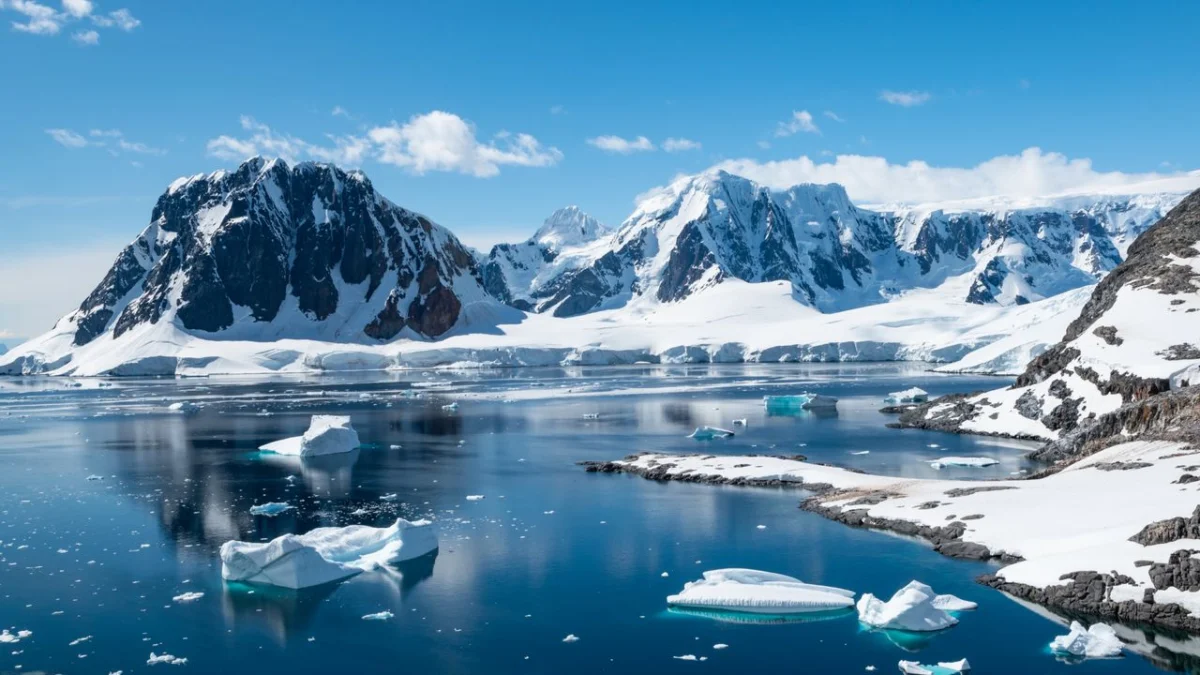
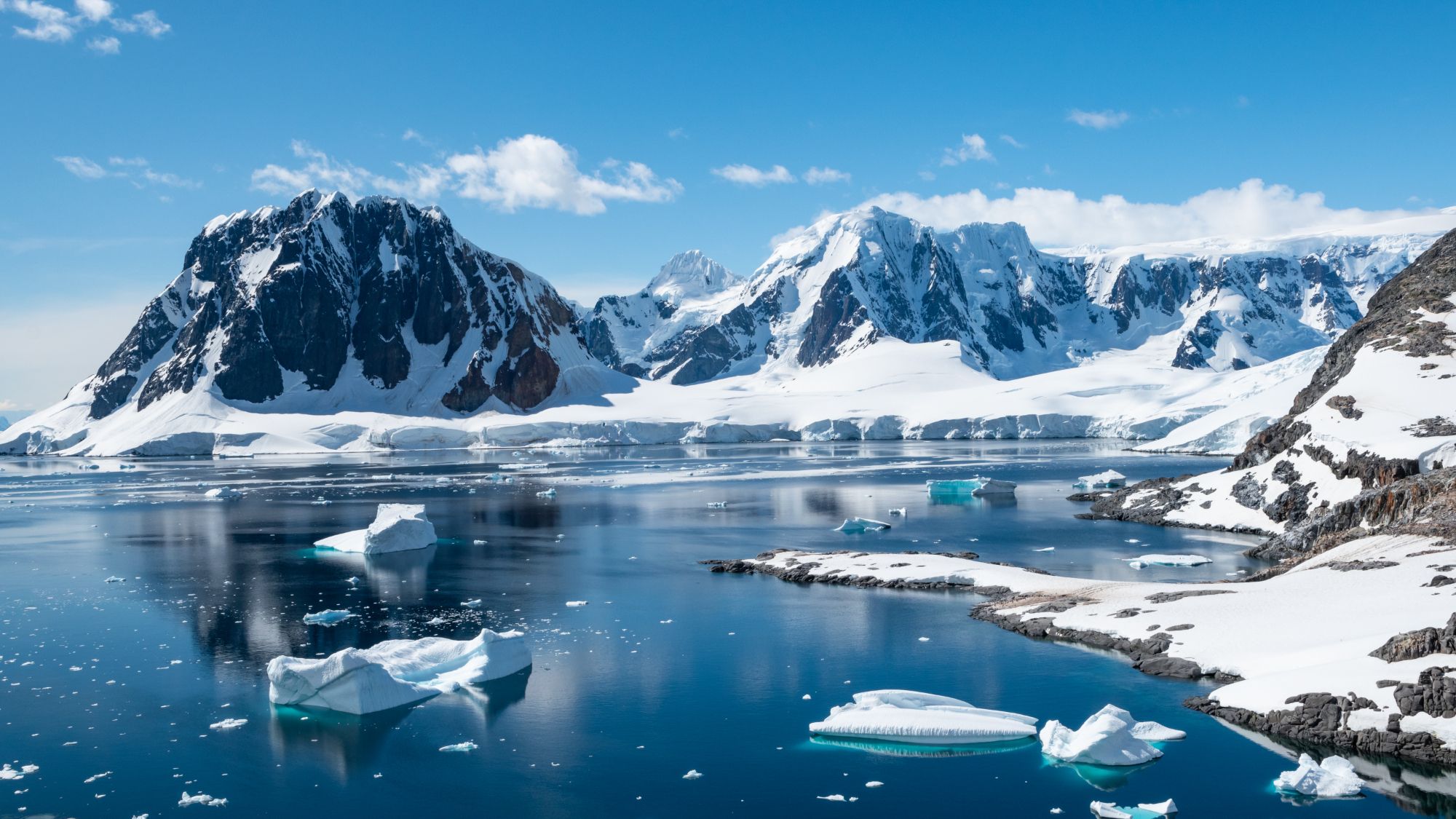
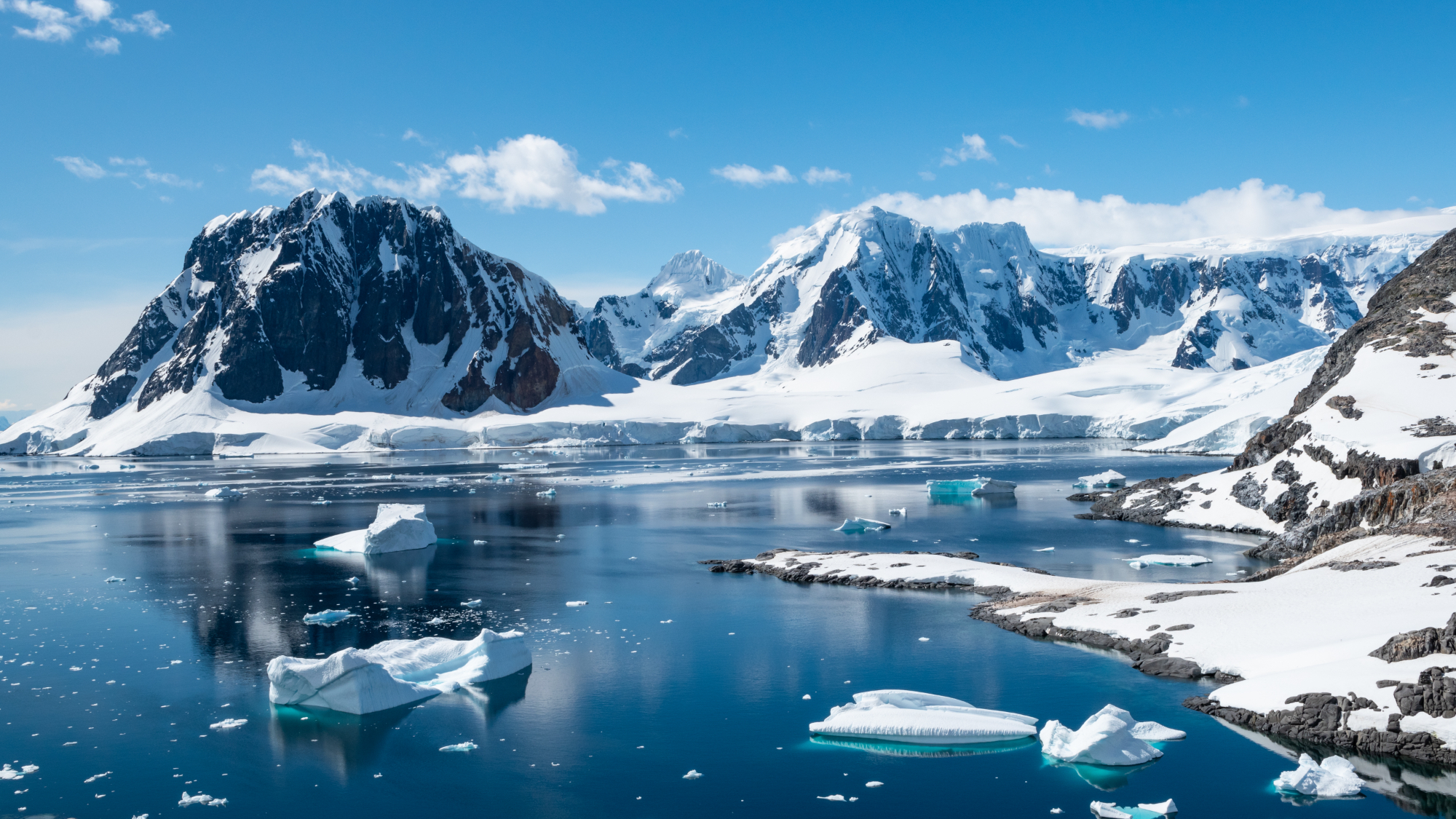
For decades, the “last frontier” of scientific research—Antarctica—has operated in a digital dark age. While the rest of the world relies on near-instantaneous fiber-optic connectivity, scientists at the bottom of the world have been forced to rely on limited satellite bandwidth and the physical transport of data, often described as “shipping suitcases full of hard drives.”
However, a landmark feasibility study published last week by the Chilean government suggests that this era of physical data smuggling may be coming to an end. A new proposal to string a fiber-optic cable across the treacherous Drake Passage has been deemed technically viable, marking a potential turning point for global climate research and international telecommunications.
The Main Facts: Bridging the Drake Passage
The study, commissioned by Chile’s telecommunications regulator, Subtel, and executed by Salience Consulting and Pioneer Consulting, explores the possibility of laying a submarine cable from southern Chile to the Antarctic Peninsula.
The project is not merely a commercial endeavor; it is a scientific necessity. The proposed infrastructure would provide a dedicated fiber pair to various Antarctic research stations, delivering high-speed, low-latency connectivity that could revolutionize how researchers transmit massive climate datasets back to their home institutions.
The proposal outlines two primary configurations:
- The Minimum Build: Estimated at approximately $370 million, this configuration would serve three primary facility groups clustered around King George Island and the northern tip of the Antarctic Peninsula.
- The Optimal Build: Estimated at roughly $620 million, this comprehensive version would feature nine landing points, connecting research bases operated by Chile, Argentina, Brazil, the United States, and the United Kingdom.
Beyond connectivity, the project incorporates a "SMART" (Science Monitoring and Reliable Telecommunications) cable design. These cables would be embedded with sensors to measure ocean-bottom temperature, pressure, and seismic acceleration, providing an unprecedented stream of data for global climate change monitoring and tsunami early-warning systems.
Chronology: A Multi-Year Path to Feasibility
The road to this feasibility study has been a long, deliberate process involving international development banks and engineering experts.
- Initial Conceptualization: Recognizing the bottleneck in research data, Chile began exploring the logistical requirements of a sub-Antarctic cable link. The project gained momentum through support from the Development Bank of Latin America (CAF).
- Study Commissioning: Subtel engaged specialized consultancies Salience and Pioneer to determine if the extreme conditions of the Southern Ocean—characterized by intense storms and shifting ice—could support modern subsea infrastructure.
- Geopolitical Alignment: The project received partial support from the China-initiated MCDF Finance Facility, drawing attention to the complex intersection of scientific cooperation and geopolitical competition.
- The Findings (2024): The publication of the feasibility report confirmed that while the project is challenging, it is engineering-feasible. The report now moves to the next phase: political and diplomatic review.
Supporting Data: Engineering in the Deep Freeze
Building a cable across the Drake Passage—often cited as one of the roughest stretches of water on Earth—requires engineering solutions that go far beyond standard subsea cabling.
Environmental Challenges
The report highlights four distinct hazards that distinguish this project from typical commercial undersea routes:
- Extreme Weather: The Drake Passage’s erratic climate limits the installation window to short periods during the austral summer (December to January).
- Ice Scour: Massive icebergs and sea ice can scrape the seafloor, threatening cables at shallower depths. To mitigate this, the study recommends horizontal directional drilling at landfall points to bury the cable safely beneath the seabed.
- Advanced Protection: The cables will require double-armor plating to withstand the abrasive environment of the Antarctic shelf.
- Installation Logistics: The construction schedule must be spread across three consecutive austral summers to accommodate the brief operational windows.
Technical Capacity
Each landing point would be equipped with a dedicated fiber pair capable of 15 to 30 Tbit/s through space-division multiplexing. This allows each participating nation to maintain sovereign control over its transmission equipment, ensuring that data integrity remains in the hands of the individual research bases.
The Geopolitical Tightrope: Chinese Firms and Western Security
Perhaps the most contentious aspect of the study is the list of potential suppliers. Subtel’s request for information (RFI) included six global heavyweights: Alcatel Submarine Networks (France), NEC (Japan), SubCom (USA), Xtera (UK), and two Chinese firms, HMN Technologies and FibreHome.
The inclusion of HMN Technologies—formerly Huawei Marine Networks—has triggered immediate scrutiny. Following U.S. sanctions, HMN Technologies was placed on the Commerce Department’s Entity List in 2020. The United States has spent years campaigning against the use of Chinese technology in critical subsea infrastructure, citing concerns over state-sponsored espionage and the potential for "backdoor" access to sensitive data.
The feasibility study addresses these risks directly, recommending a "neutrality by design" approach. By utilizing dark fiber and user-controlled transmission equipment, the project aims to ensure that no single operator has the capability to monitor or intercept the traffic of another participant. However, in the current climate of "de-risking" global supply chains, the presence of Chinese financing through the MCDF facility and the potential inclusion of Chinese contractors creates a significant hurdle for Western participation.
Implications: A New Era for Antarctic Science
Should this project proceed, the implications for the scientific community would be profound.
1. Accelerating Climate Science
Currently, climate models are constrained by the "data delay." When a sensor in Antarctica captures a subtle change in glacial melt or atmospheric composition, that data often sits on a server for months before it reaches a researcher in London or Washington. Real-time connectivity would allow for dynamic, responsive research, enabling scientists to adjust sensors or pivot experiments based on live data feeds.
2. The Sovereignty Question
The Antarctic Treaty System governs the continent, emphasizing peace and scientific cooperation. A physical link to the global internet could fundamentally alter the nature of research stations, transforming them from isolated outposts into interconnected nodes of a global network. This raises questions about how data is shared and whether "connected" bases might gain an unfair advantage in publishing or resource allocation over those that remain offline.
3. Diplomatic Hurdles
The study stops short of recommending immediate construction, opting instead for a "phased path." This is a diplomatic necessity. For the cable to be a success, it requires the buy-in of the Antarctic Treaty Consultative Parties. If the project becomes a proxy for the broader U.S.-China technology war, it risks stalling indefinitely.
Chilean officials are now moving to present these findings to the country’s Antarctic Policy Council. The next steps involve delicate negotiations with international partners who may be hesitant to share infrastructure with nations they view as security rivals.
Conclusion: The Path Ahead
The vision of a high-speed, fiber-optic-linked Antarctica is a testament to human ingenuity. It promises to pull one of the world’s most critical scientific hubs into the 21st century. However, as the study makes clear, the primary barriers are no longer the icy depths of the Drake Passage or the harsh winds of the Southern Ocean—they are the complex, shifting currents of international diplomacy and cybersecurity.
If the international community can find a way to navigate these geopolitical tensions, the resulting infrastructure could serve as a model for global cooperation in the face of climate change. If not, the "suitcases of hard drives" will continue to travel by ship, and the most critical data on the planet will continue to arrive—slowly, but surely—in the hands of the scientists who need it most.