For the first time in over a decade, the warp engines of the Star Trek franchise on television have effectively been brought to a full stop. As the 60th anniversary of the series that redefined the science-fiction genre approaches on September 8, the franchise finds itself in an unprecedented state of limbo. With current live-action production pipelines running dry and no clear successor series greenlit to take the helm, the sprawling Star Trek universe is entering a period of existential uncertainty.
The Current Era: A Sunset, Not a Hiatus
The definitive reality facing Paramount today is that the "Kurtzman Era"—a period of rapid expansion that saw the debut of Discovery, Picard, Strange New Worlds, and Starfleet Academy—is reaching its organic conclusion.
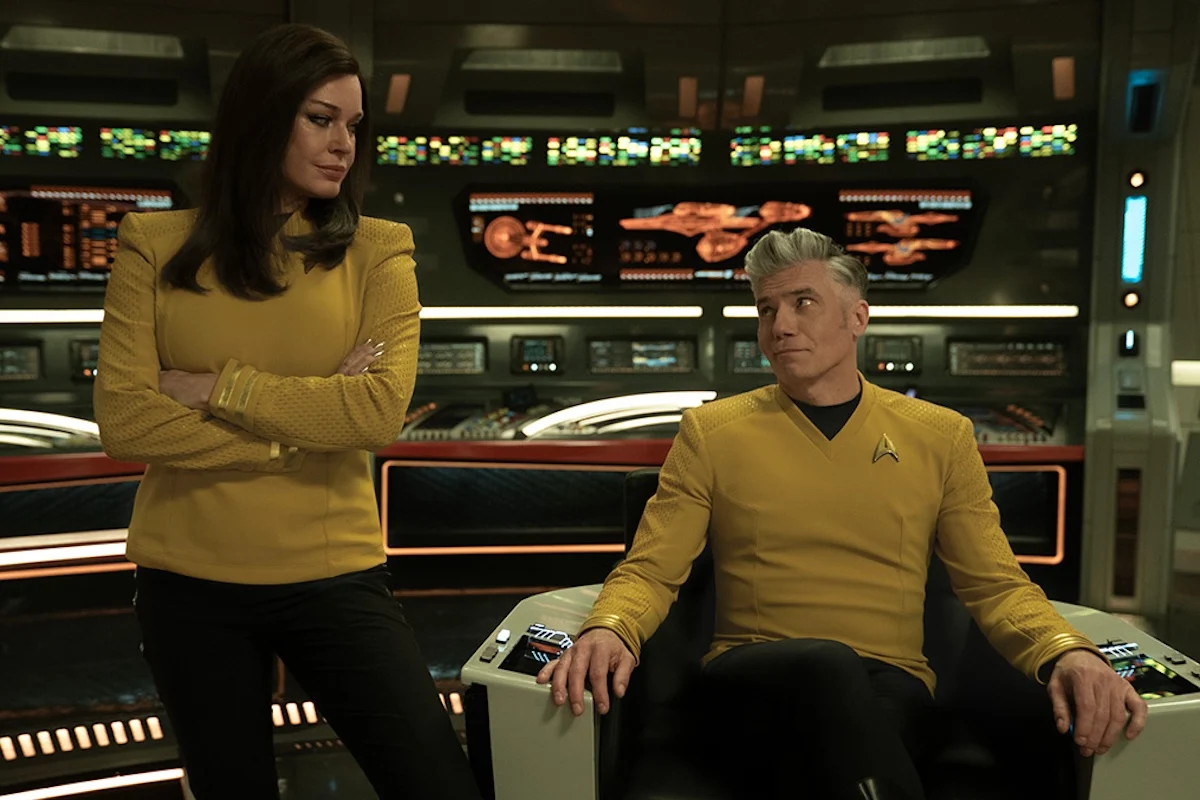
The narrative threads that have woven together the recent television landscape are being systematically tied off. Strange New Worlds, widely considered the critical darling of the current slate, will conclude its fourth season in September, with a final fifth season already in the works for a 2027 wrap-up. Simultaneously, the younger-skewing Starfleet Academy is also slated to reach its conclusion in 2027.
This is not a traditional mid-season break or a creative regrouping; it is the systematic winding down of an entire programming strategy. As noted in recent industry reporting, there are no live-action Star Trek series currently in active production or officially greenlit for post-2027 release. For a franchise that has been the cornerstone of Paramount+’s subscriber growth strategy, this vacuum of content is both alarming to the fan base and indicative of a massive corporate pivot.
A Chronology of the "Trek" Transition
To understand how the franchise arrived at this impasse, one must look at the timeline of the last two years:
- August 2025: The Skydance-Paramount merger triggers a massive leadership upheaval. The shift in corporate governance brings in new executives like Cindy Holland to oversee streaming, signaling a move away from the "volume-heavy" content strategy of the previous administration.
- January 2026: Alex Kurtzman, the architect of the modern Trek expansion, addresses his future with the franchise, expressing optimism about a "bright future," though he notably lacks any firm announcements regarding new series.
- March 2026: Industry analysts confirm that for the first time in over a decade, no new Star Trek TV projects are in active production. The "pipeline" is officially empty.
- June–July 2026: High-profile pitches, including the Kirk-centric Star Trek: Year One and Scott Bakula’s Star Trek: United, fail to gain traction as the studio hesitates to commit to expensive, long-term serialized commitments.
- September 2026: Strange New Worlds Season 4 concludes, leaving only the final legs of the existing series to bridge the gap toward 2027.
Corporate Strategy: Rethinking, Not Abandoning
Despite the lack of active production, Paramount executives have been vocal about the franchise’s continued importance. In a candid interview with Deadline, Paramount+ Head of Originals Jane Wiseman offered a glimpse into the current internal philosophy.
"We’re the home of Star Trek, and we have series coming back," Wiseman stated. "It is our goal and it is our job to figure out what the ‘next bounce’ of Star Trek is."
The term "next bounce" is telling. It implies that the studio views the current slate as a finished cycle and is actively searching for a tonal or structural shift to define the next era. The inclusion of Chris Parnell, a recent hire from Apple TV+ with a pedigree in high-concept genre shows like Dark Matter and Neuromancer, suggests that Paramount is looking for a more "grounded" approach to science fiction. Wiseman’s praise for Parnell—specifically citing his ability to develop original, resonant genre series—indicates that the studio is prioritizing creative pedigree over the "franchise-first" production speed that characterized the 2018–2025 period.
Supporting Data: The Cost of the "Trek" Machine
The decision to pause the franchise is as much a financial reality as it is a creative one. The "Kurtzman Era" was built on the model of the "prestige streaming series," with high budgets and large, expansive casts. While these shows succeeded in generating headlines and critical acclaim, the streaming market has shifted dramatically.
Wall Street and the post-merger management team at Paramount are no longer rewarding "growth at any cost." Instead, the focus has shifted toward profitability and library management. The decision to dismantle the sets for Strange New Worlds and decline to greenlight Year One suggests that the studio is unwilling to maintain the massive infrastructure required to keep multiple live-action Trek shows running simultaneously.
Furthermore, the potential acquisition of Warner Bros. Discovery—a deal that remains a point of intense speculation and complex legal maneuvering—has placed a freeze on long-term capital allocation. Paramount is effectively "waiting out" its current contract commitments before committing to any new, multi-year, nine-figure production deals.
The Alex Kurtzman Question
The most significant elephant in the room remains the status of Alex Kurtzman. Having signed a massive $150 million extension in 2021, Kurtzman’s influence over the Trek universe has been absolute. However, as his contract nears its conclusion, the silence regarding a renewal is deafening.
In the industry, silence is rarely an accident. The fact that recent press releases and executive comments about the "future of Trek" omit his name entirely suggests a clean break is likely. The franchise is shifting away from the "one-man-show" model of franchise management, opting instead for a more distributed, collaborative approach that aligns with the hiring of executives like Parnell. Whether this represents a graceful exit or a forced departure remains a subject of intense debate among industry insiders.
The Path Forward: Comedy, Politics, and Animation
While the live-action future is dark, the "pitching" room is not entirely empty. Three distinct avenues have emerged as the most likely candidates for the next iteration of the franchise:
- The Tawny Newsome Comedy: Perhaps the most viable project currently being discussed is the live-action comedy series spearheaded by Lower Decks star Tawny Newsome. Her scripts are reportedly well-regarded within the building and align with the current desire for more diverse, grounded, and comedic genre programming.
- The Political Drama (Star Trek: United): Scott Bakula’s pitch for an Archer-led political series remains a fan favorite. While it currently lacks the formal backing of a greenlight, it represents the kind of "serious, character-driven" storytelling that the current executive team claims to favor.
- Animation: The renewal of Star Trek: Scouts for a second season suggests that while live-action is in a holding pattern, the franchise will continue to leverage its intellectual property in the animation and youth-oriented sectors.
Implications: A New Frontier or a Final Frontier?
The implication of this silence is that Star Trek is no longer the "engine" of Paramount+—it is now a "legacy asset." This isn’t necessarily a death sentence; rather, it marks a transition from a factory-style output to a more curated, boutique approach.
The next iteration of Star Trek will likely look less like the interconnected, massive-scale universe of the last few years and more like a series of distinct, perhaps limited-run events. By stepping back from the constant, weekly cadence of new episodes, Paramount may be attempting to avoid the "franchise fatigue" that has plagued other major properties in the current media landscape.
As September 8 approaches, the 60th anniversary will likely be a somber celebration—a time to reflect on the legacy of Gene Roddenberry’s creation while acknowledging that the franchise is at a crossroads. The "next bounce" of Star Trek is coming, but for the first time in a generation, the destination is completely unknown. For fans, this is both a source of anxiety and a rare opportunity: the chance for the franchise to reset, rethink its purpose, and eventually, discover something entirely new.