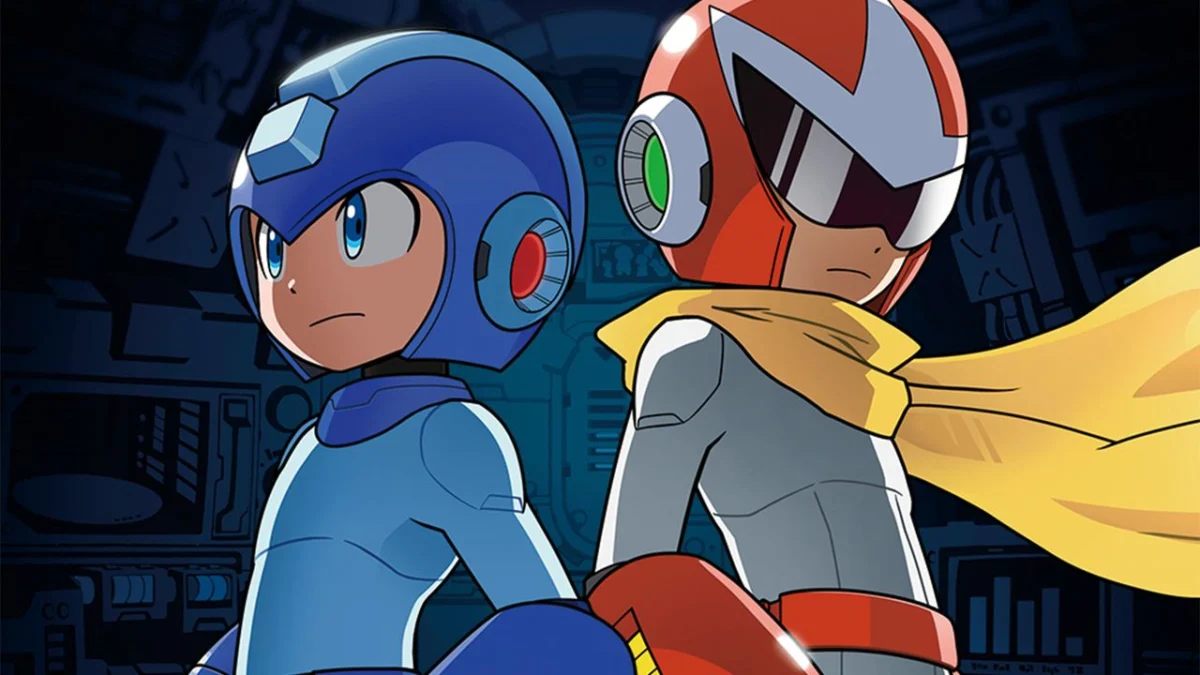
For decades, the Mega Man franchise has occupied a unique, somewhat bittersweet space in the hearts of gamers. It is a series defined by iconic character designs, a vibrant aesthetic, and a satisfying gameplay loop that involves conquering challenging "Robot Masters" to claim their unique weaponry. Yet, for many, the relationship with the series is a volatile one—a cycle of excitement followed by the inevitable frustration of hitting a brutal difficulty spike, leading players to set the controller down in favor of more forgiving titles.
However, a recent hands-on session with the upcoming Mega Man: Dual Override suggests that Capcom may have finally found the perfect balance between honoring the series’ punishing roots and introducing modern mechanics that keep players engaged. Scheduled for release in 2027, Dual Override represents a bold evolution of the franchise, aiming to bridge the gap between 8-bit nostalgia and contemporary gaming sensibilities.
The Evolution of a Classic: Staying True to the Roots
During an exclusive preview at Capcom’s London studio, the immediate takeaway was that Dual Override does not attempt to reinvent the "Blue Bomber." The DNA of the original NES classics—which remain staples on platforms like the Nintendo Switch via the Nintendo Switch Online service—is clearly visible.
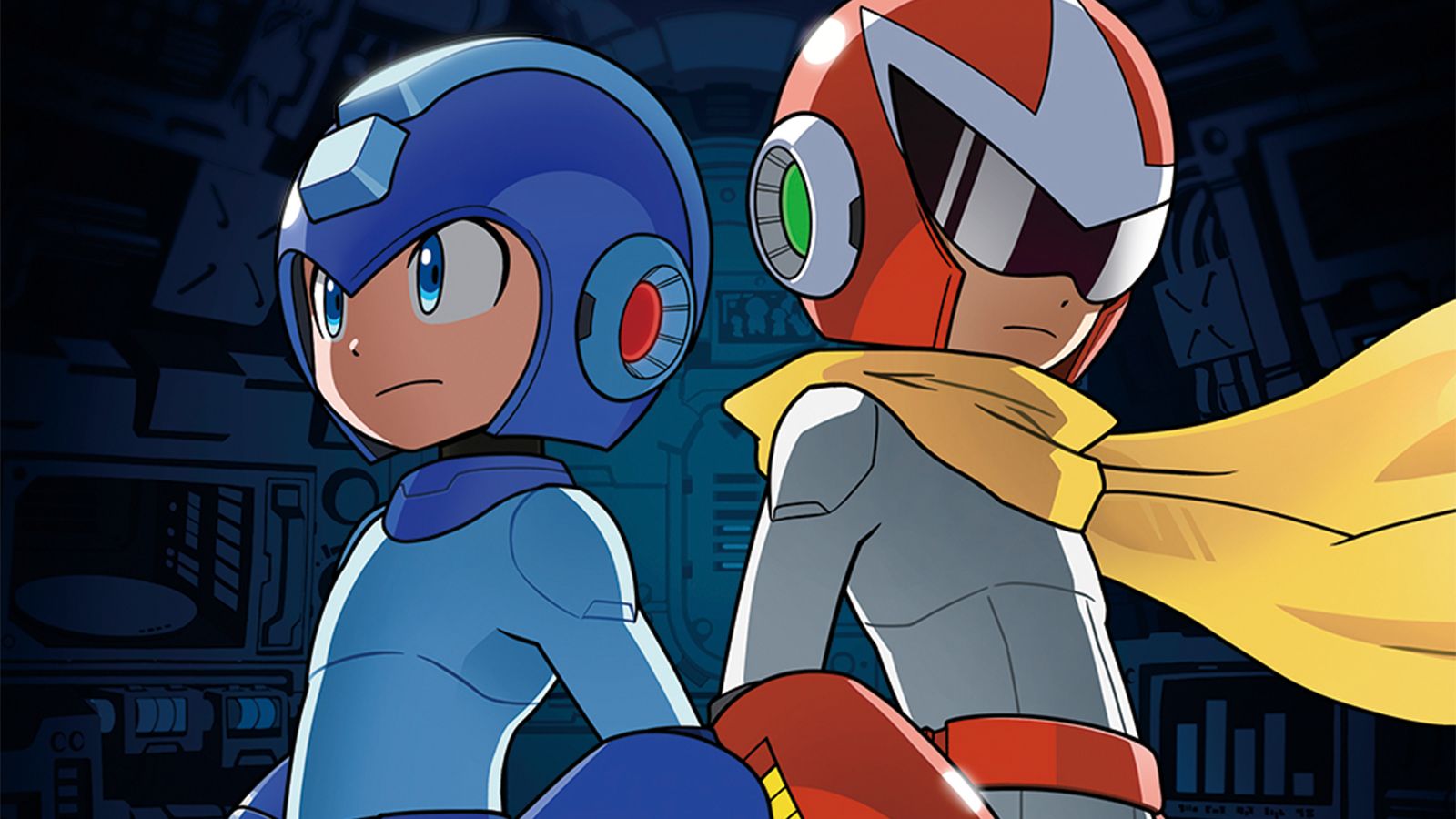
The game’s level design remains a masterclass in platforming puzzles. Each screen serves as a self-contained challenge, forcing players to calculate jumps, slides, and precise shots to navigate past roaming mechanical hazards. The core tension of the series—the "I know exactly what to do, but my hands aren’t fast enough to execute it" feeling—is present in spades. Yet, there is a subtle shift in the game’s pacing. While the difficulty remains high, it feels more fair, encouraging players to iterate on their failures rather than walk away in defeat.
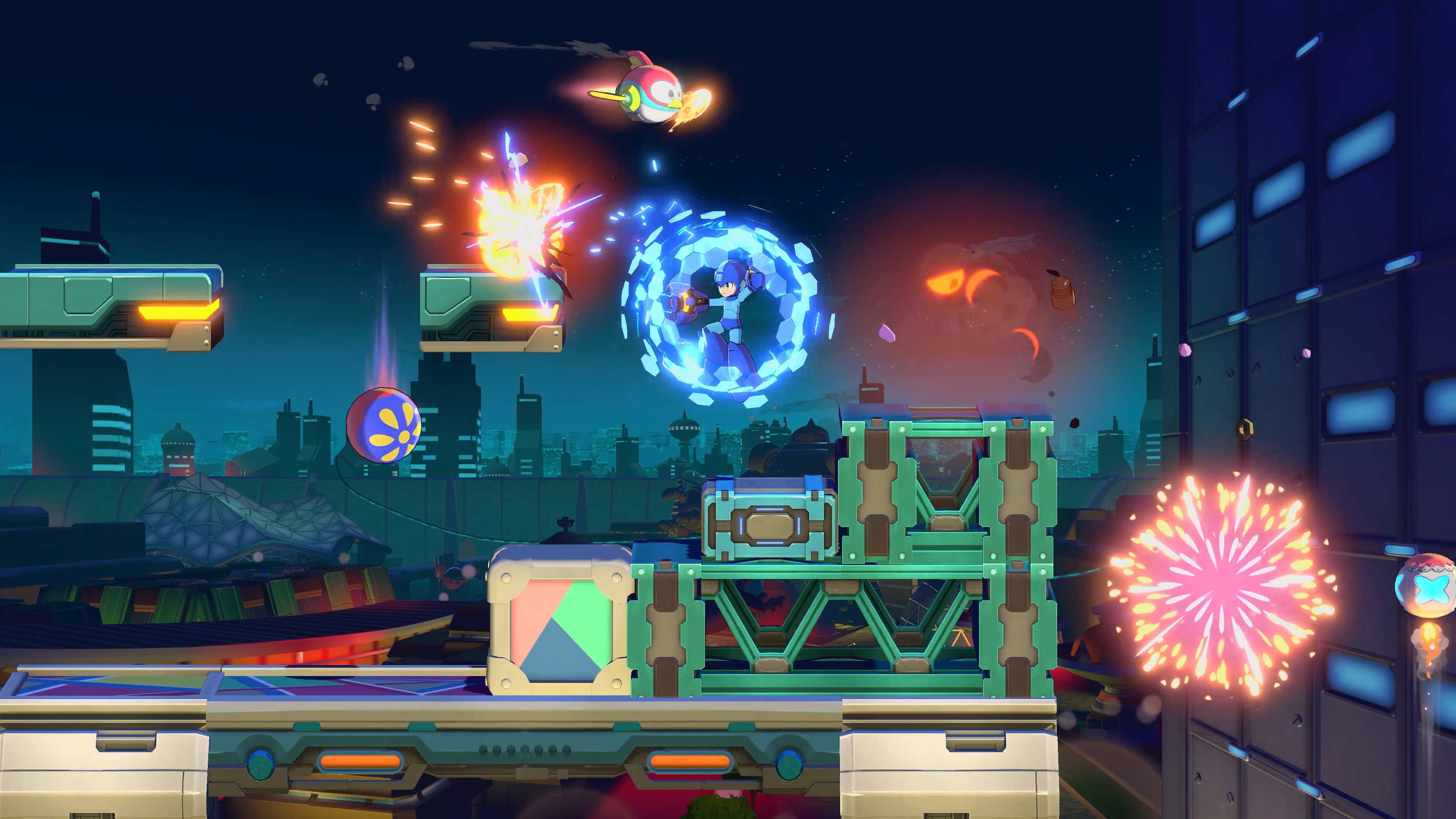
Visually, the game is a triumph of modern polish. Playing on the PS5 Pro, the fluid, bouncy animation is a standout feature. While the characters retain their classic, cartoonish charm, the environments are rendered with a level of detail and lighting that makes the mechanical world feel alive. The Robot Masters, long the hallmark of the series, appear more flamboyant and aggressive than ever, rendered with high-fidelity effects that add to the spectacle of each encounter.
Boss Battles: Puzzles Wrapped in Explosions
The heart of any Mega Man game is the boss fight, and Dual Override treats these encounters as intricate, high-speed puzzles. The demo showcased three distinct Robot Masters, each requiring a different strategy and a keen eye for pattern recognition.
- Big Press Don: A trashcan-inspired robot with a mohawk, this boss serves as an excellent introduction to the game’s movement mechanics. His primary threat is his erratic, bouncy movement, which can be mitigated once the player realizes the effectiveness of the slide mechanic.
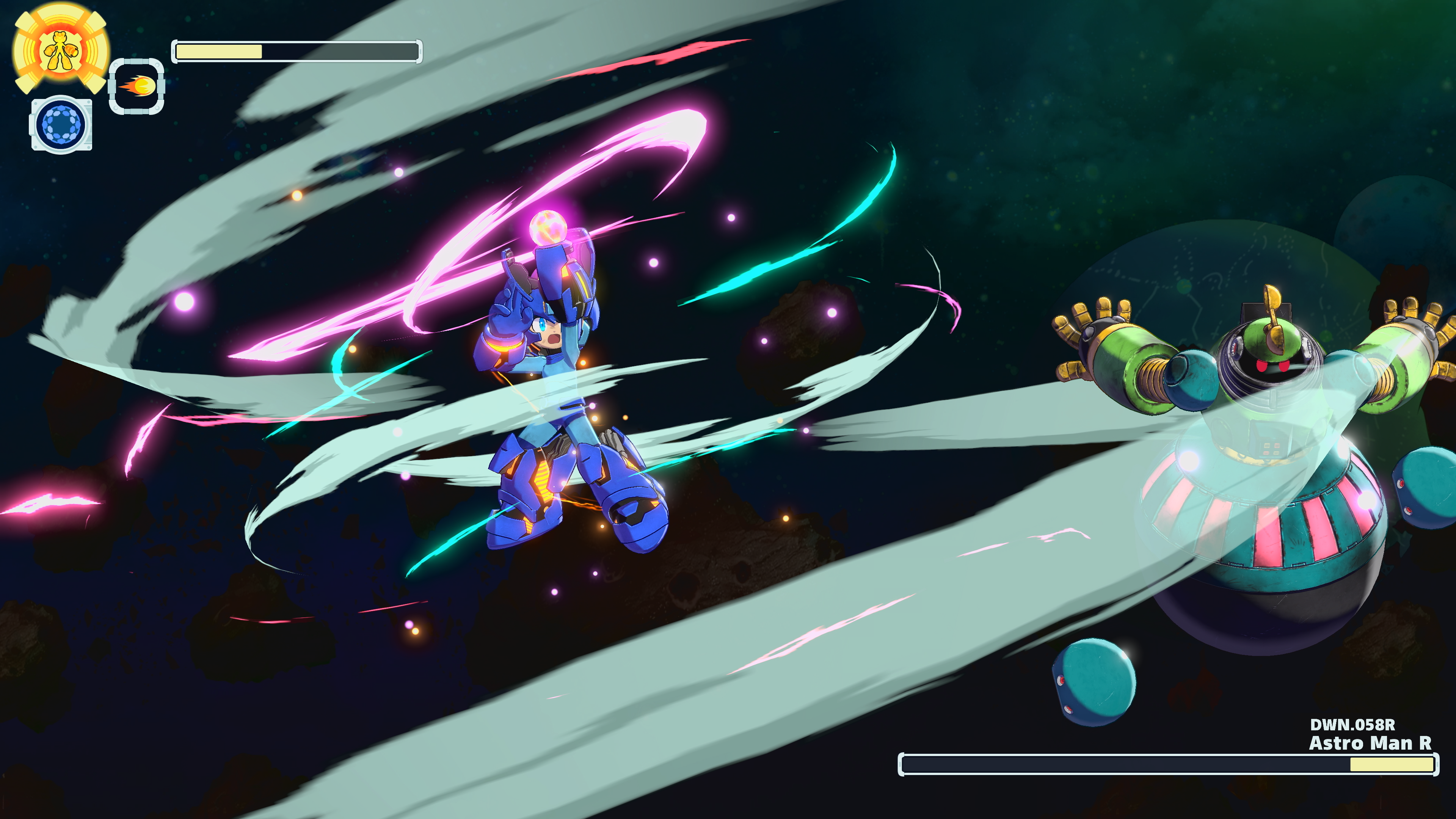
- Astro Man: A returning favorite from Mega Man 8, Astro Man remains a complex adversary. His reliance on orb-based attacks and screen-filling meteor drops forces the player to manage both defensive positioning and offensive windows simultaneously. It is a quintessential test of memory and coordination.
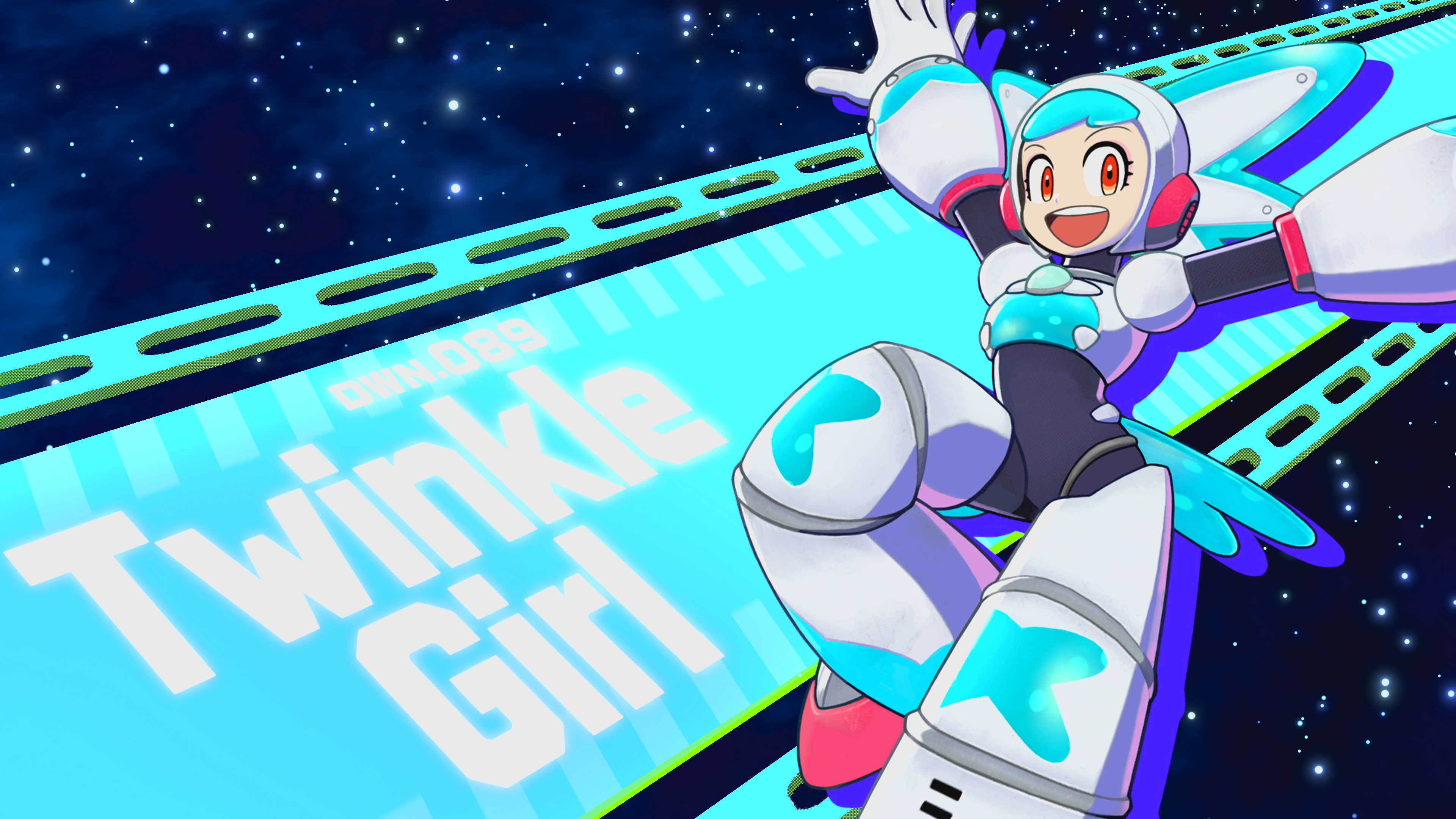
- Twinkle Girl: The standout new addition, Twinkle Girl, marks a significant spike in difficulty. With a fireworks-themed arsenal, she fills the arena with complex explosion patterns that evolve as the fight progresses. Unlike classic bosses that follow rigid, predictable loops, Twinkle Girl displays a level of "adaptive intelligence," reacting to the player’s tendencies and countering them, which forces the player to constantly evolve their tactics mid-fight.
The New Mechanics: The Override System and Customization
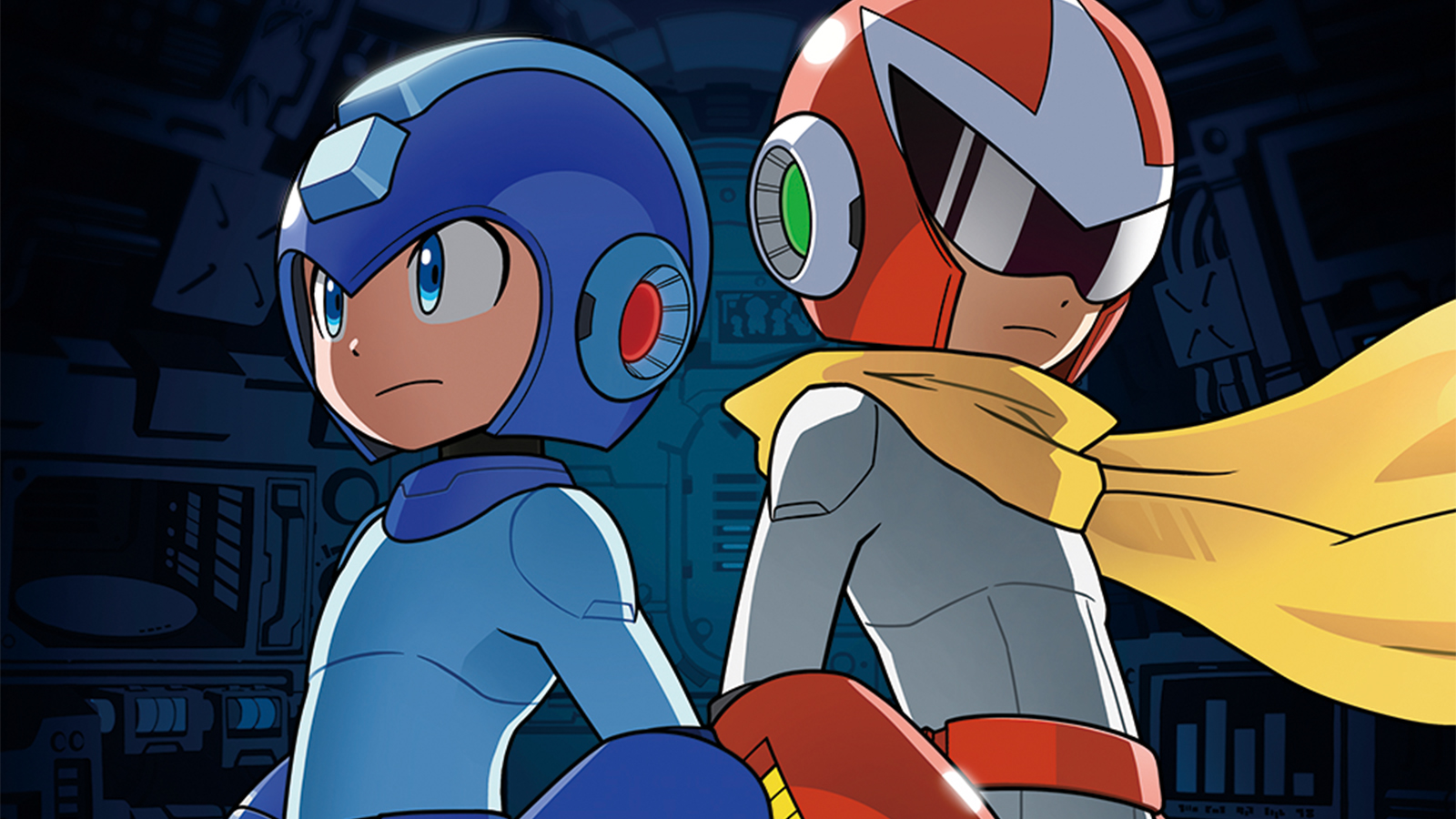
One of the most significant departures from tradition in Dual Override is the introduction of the "Override System." This mechanic allows Mega Man and Proto Man to temporarily push their capabilities beyond their standard limits. Activating this mode grants a significant offensive boost, but it comes with a calculated risk: a subsequent, temporary drop in performance. This introduces a layer of tactical resource management, moving the decision-making process from "if" to use a special ability to "when" to risk an Overdrive state.
Furthermore, the inclusion of "Custom Chips" represents a shift toward a more modular approach to gameplay. These upgrades—ranging from rapid-fire capabilities and protective bubbles to hover mechanics—allow players to tailor the experience to their preferred playstyle, whether that be aggressive or defensive.
Proto Man’s return as a playable character adds further variety. His unique ability to dash across the screen at high speeds provides a distinct mechanical contrast to Mega Man, offering a high-skill ceiling for players who prefer a more mobile, hit-and-run approach.
Chronology and Industry Context
The development of Mega Man: Dual Override marks a strategic shift for Capcom. Over the last decade, the company has seen massive success with its "RE Engine" titles, such as Resident Evil and Street Fighter 6. Dual Override appears to be the application of this modern, high-fidelity development philosophy to their most iconic side-scrolling IP.
While the game is set for a 2027 release, the anticipation is already building. Industry analysts point to the "retro-modern" trend as a major driver for the title’s development. By leveraging the goodwill of the Mega Man legacy while modernizing the "feel" of the game, Capcom is positioning Dual Override to appeal to both long-time fans who grew up on the NES and a new generation of players accustomed to modern accessibility features and deeper character customization.
Implications for the Future of the Franchise
The implications of Dual Override are significant. By introducing mechanics like the Override system and Custom Chips, Capcom is signaling that the franchise is ready to evolve beyond the "trial and error" loop that characterized its 8-bit origins.
If successful, this game could serve as the template for a new era of Mega Man titles. The decision to maintain the core, challenging design while layering on player-choice systems addresses the primary criticism of the series: its tendency to become an impenetrable wall of difficulty. By providing the player with more agency, Capcom is effectively lowering the barrier to entry without sacrificing the satisfaction that comes from finally besting a tough boss.
Moreover, the cross-platform nature of the release—covering Nintendo Switch, PS5, PS4, Xbox Series X|S, Xbox One, and PC—indicates that Capcom expects this to be a major tentpole release for their portfolio. It is a gamble on the enduring power of the Blue Bomber, updated for a modern era where fluid, responsive gameplay is the standard, not the exception.
Final Thoughts
Leaving the demo, the prevailing feeling was one of optimism. For the first time in years, the frustration that usually follows a Mega Man session was replaced by the urge to "just try one more time." Mega Man: Dual Override manages to respect the heritage of the franchise while acknowledging that the player experience needs to evolve.
Whether it is the vibrant, polished visuals, the satisfying complexity of the new boss encounters, or the added flexibility of the Custom Chip system, Dual Override feels like a breath of fresh air for a classic series. If Capcom can maintain this delicate balance between high-stakes challenge and modern engagement, 2027 might just be the year the Blue Bomber reclaims his place at the top of the platforming genre.
Mega Man: Dual Override is currently in development and is slated for a 2027 launch across all major consoles and PC platforms.