Evan Lee Salim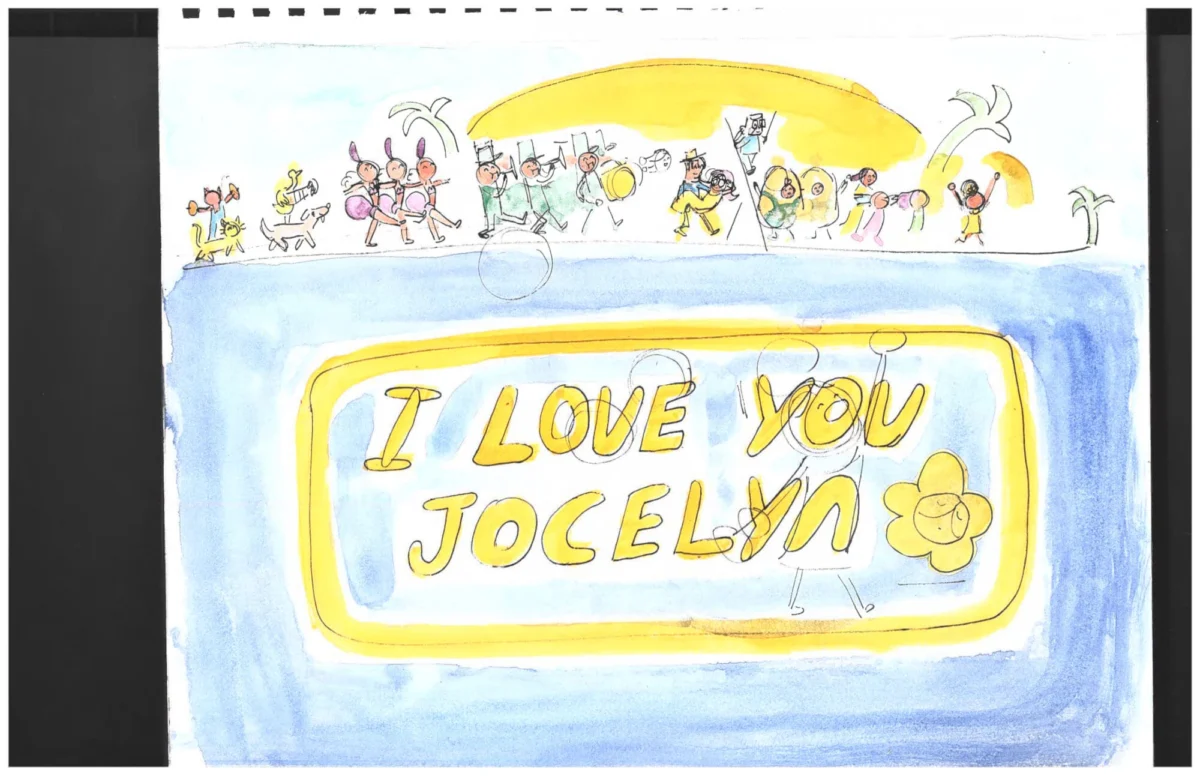
By Jamie Lang
In the landscape of modern animation, where corporate mandates often dictate the direction of creative development, there remains a rare, flickering beacon of pure, author-driven storytelling. I Love You, Jocelyn, the latest breakout hit from Cartoon Network’s revitalized Cartoon Cartoons incubator program, is exactly that: a vibrant, heartfelt, and culturally rich project that was never meant to exist in the halls of a major studio.
Created by Tracey Laguerre, the short film is an evocative blend of Caribbean folklore and the high-energy "magical girl" aesthetic. Yet, the story behind its production—a journey from a private, stress-relieving sketchbook to a professional pilot—is a testament to the power of artistic persistence. It is a narrative that challenges the traditional industry path, proving that the most resonant stories are often those that creators nurture for themselves long before they ever face a boardroom.
The Accidental Pitch: A Reluctant Origin Story
The inception of I Love You, Jocelyn was characterized by a distinct lack of commercial ambition. For Laguerre, a graduate of the prestigious California Institute of the Arts (CalArts), the project was initially a personal side venture. It began as a two-minute student short in 2017—a rough, charming exploration of characters she had been sketching since her time in school.
"My pitch meeting was not a pitch meeting," Laguerre shared during a recent interview. "The first thing I said was, ‘This is not a pitch. This is not a pitch.’ I think we both felt like that took a load off because she didn’t feel like I had any expectations. I didn’t go in with any expectations. I just wanted to share something I cared about."
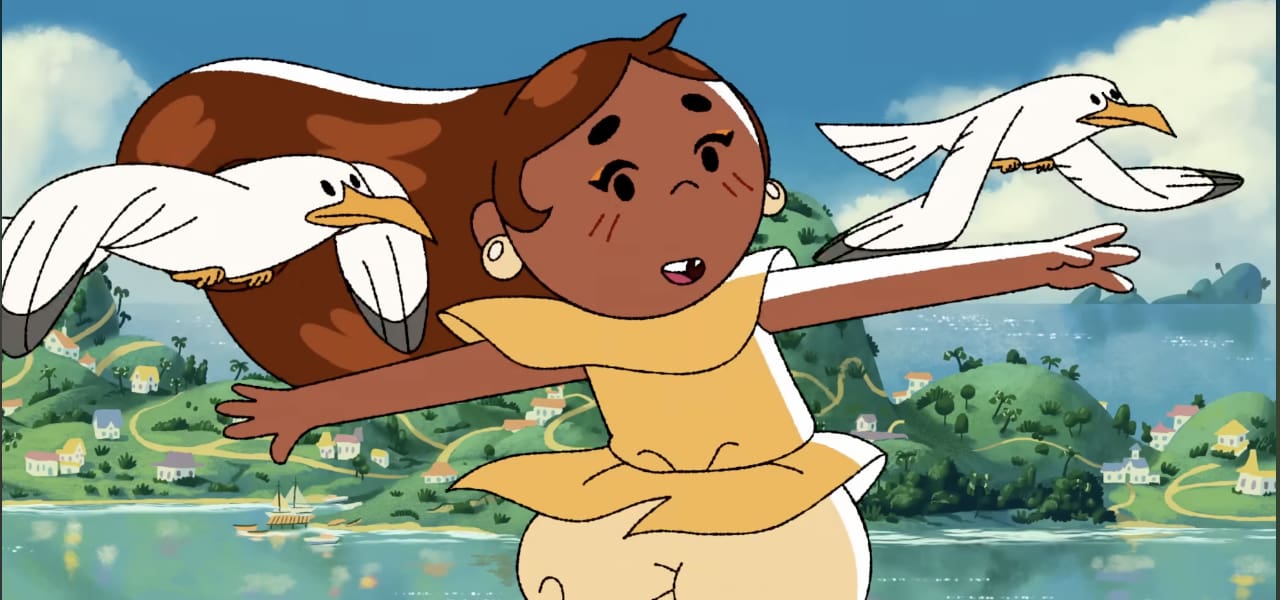
At the time, Laguerre was at a career crossroads. Armed with a lucrative job offer from Google and a portfolio filled with Caribbean-inspired designs, the future of her creative work seemed destined to remain a private passion. While the industry often views creative "side projects" as mere hobbies, for Laguerre, I Love You, Jocelyn was an essential emotional anchor. As she navigated the high-pressure environment of the tech sector as an art director, the sketches of Jocelyn became her sanctuary.
"I would have a bad day or be really tired," she admitted. "I’d go home, open my sketchbook, and draw Jocelyn. It would make me feel better. It was my happy place."
A Chronology of Creation: From Tech to Toons
The timeline of I Love You, Jocelyn is as much about personal growth as it is about professional production.
- 2017: Laguerre produces the original two-minute short while at CalArts. She continues to expand the world in an unfinished animatic.
- 2018–2020: Laguerre moves into the tech industry, taking a role as an art director at Google. I Love You, Jocelyn remains a dormant, private project, evolving solely within her sketchbooks.
- 2020–2021: The Covid-19 pandemic forces a shift in perspective. Working remotely, Laguerre realizes that her true creative fulfillment lies in the characters she created years prior, rather than her corporate responsibilities.
- 2022: Despite warnings from peers about the instability of the animation industry compared to tech, Laguerre decides to pivot. She reaches out to her previous industry contact, proposing a formal look at the project.
- 2023–2025: Development begins under the Cartoon Cartoons initiative. Laguerre leads her own production team, maintaining full creative control.
- 2026: The seven-minute short premieres on YouTube, receiving critical acclaim for its visual language and emotional depth.
Folklore as Foundation: The Cultural Tapestry
The final product, a seven-minute short, is a masterclass in synthesis. It weaves together the visual language of modern animation—featuring a memorable frog sorcerer and fast-paced comedy—with the deep, ancestral roots of Haitian storytelling.
The setting, "Miami Island," is a direct homage to the oral traditions Laguerre experienced as a child. Her grandmother, a storyteller who never learned to read due to systemic limitations in rural Haiti, provided the emotional architecture for the series.
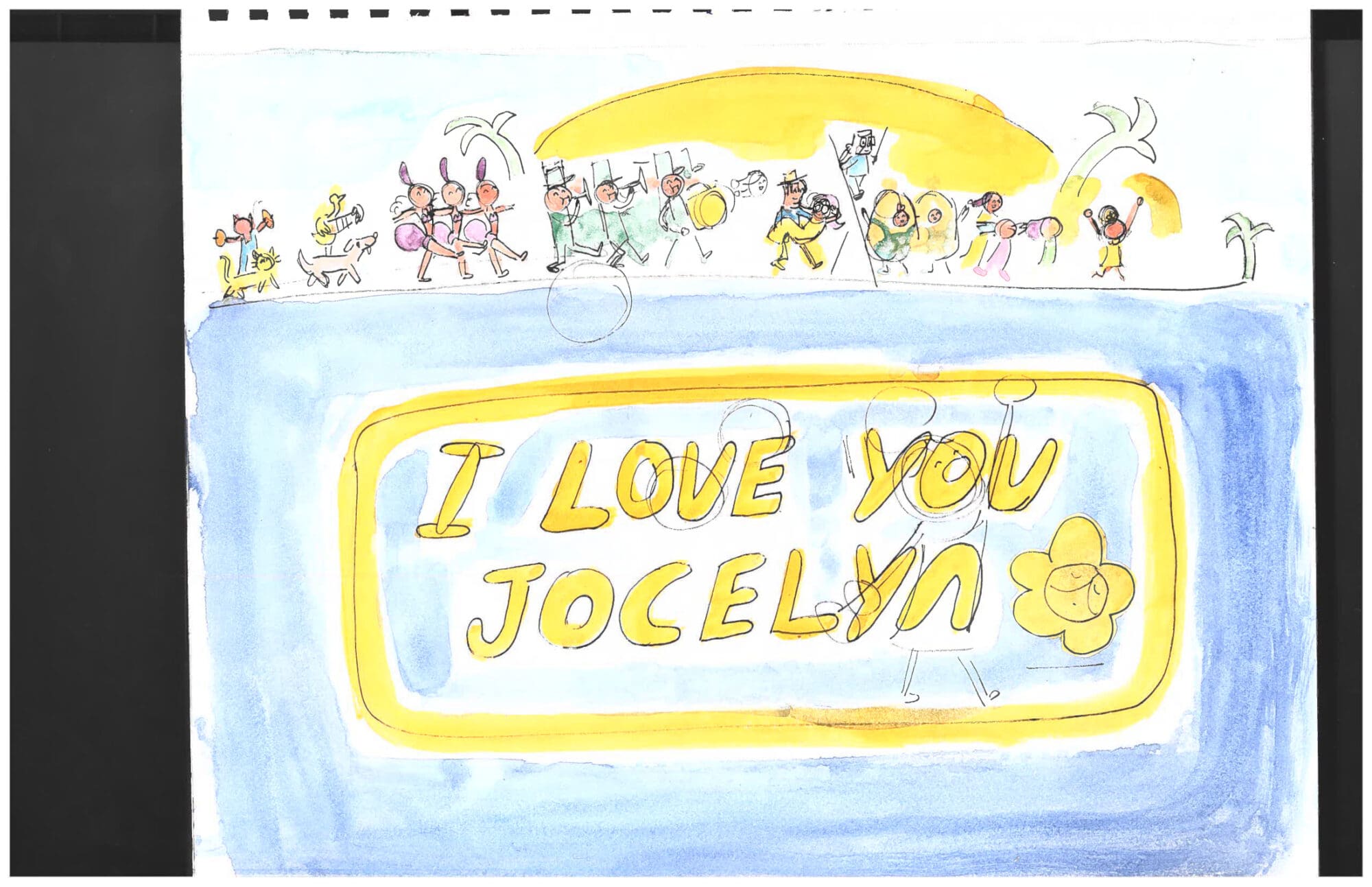
"My grandmother’s Caribbean folk tales became the foundation for the series," Laguerre explained. "She told the best stories, but she never learned how to read. She never had the opportunity to pursue an education because, back then, that just wasn’t available for women in the mountains of Haiti."
Rather than engaging in a direct adaptation of existing folktales, which can often feel reductive, Laguerre opted to infuse her project with the rhythm of those stories. By combining the archetype of the magical girl—a staple of global animation—with the specific, vibrant visual traditions of Afro-Latino art, she has created a world that feels both exotic and deeply grounded. It is this specificity that allows the short to transcend cultural barriers, inviting the audience into a space that feels lived-in and authentic.
Professional Integration: The Tech-to-Studio Transition
One might assume that transitioning from a high-level product design role at Google to the animation industry would be a step backward. For Laguerre, however, the experience was an unconventional masterclass in production.
Working at a tech giant required her to collaborate with stakeholders across engineering, marketing, and international audience design. This taught her how to advocate for her vision while understanding the logistical realities of a production pipeline. When she finally arrived at Cartoon Network to pitch, she did not arrive with a slick, over-produced slide deck. Instead, she brought her original, messy, hand-drawn sketchbooks.
"It’s all just my sketchbook," she noted. "And they loved it."
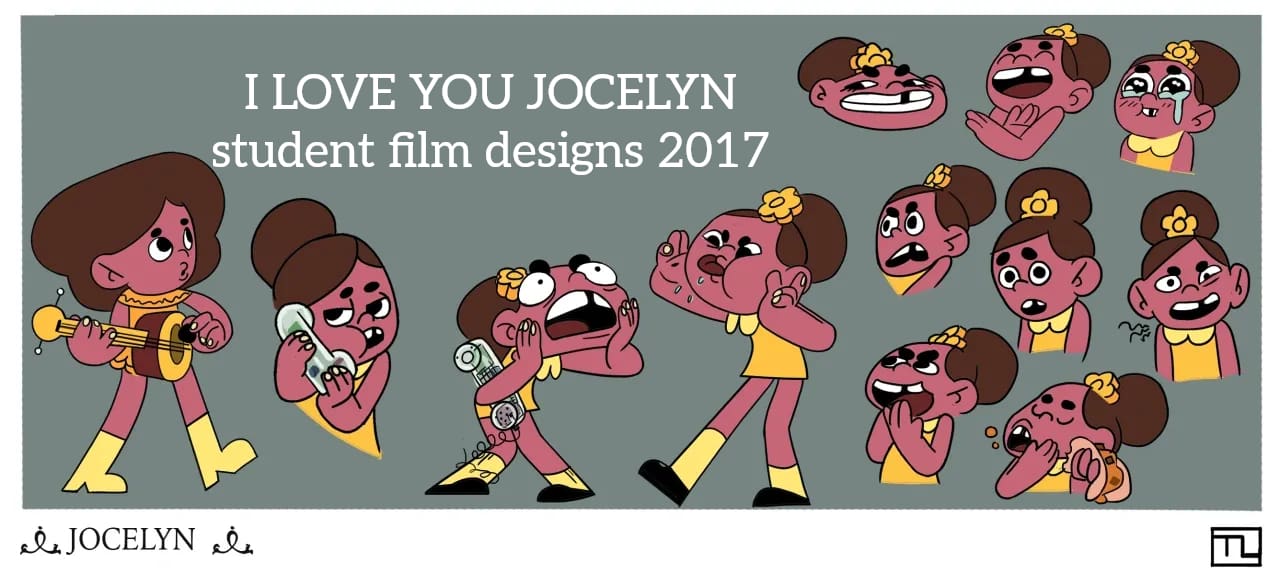
This authenticity was rewarded by the studio, which granted her a level of autonomy that is increasingly rare in the era of corporate consolidation. By allowing her to act as a showrunner, overseeing character design and production management, the studio empowered her to maintain the integrity of her initial vision.
The Resilience of Cartoon Cartoons
The context of this project’s release is vital. Cartoon Cartoons was, for a period, considered a casualty of the massive restructuring efforts at Warner Bros. Discovery. The fact that the program not only survived but continues to foster projects like Laguerre’s is a subject of significant industry discussion.
Laguerre expressed gratitude toward Cartoon Network’s leadership, specifically citing Sam Register. "He could have thrown in the towel and said, ‘No, we’re just never going to do the program again,’" she remarked. "But he didn’t, and now we still have these chances."
For animation veterans and fans, the Cartoon Cartoons label is synonymous with a golden age of experimentation—the era of Genndy Tartakovsky’s Dexter’s Laboratory and Craig McCracken’s The Powerpuff Girls. By continuing to support emerging voices, the incubator maintains a crucial pipeline for original intellectual property that hasn’t been focus-grouped into oblivion.
Implications for the Future of Animation
What does I Love You, Jocelyn mean for the future of the medium? Its success suggests a shift in the way studios perceive "children’s programming." Laguerre rejects the idea that a project must be aimed at a narrow demographic or heavily instructional.
"For me, children’s television doesn’t mean a certain age group exclusively," she stated. "It means general audience."
This "general audience" approach, characterized by high-quality writing and emotional vulnerability, is the standard by which the best animation is judged. The short has already sparked conversations about the possibility of an expanded series, with fans clamoring for more of the Miami Island world.
The story of Tracey Laguerre is not just about a successful pitch; it is about the necessity of protecting one’s creative impulses. In an industry that is often eager to standardize and simplify, I Love You, Jocelyn stands as a reminder that the most compelling stories are often the ones we carry with us, waiting for the right moment to be shared with the world. Whether it expands into a full series or remains a standalone pilot, its legacy is already secured as a work of genuine, uncompromising art.


 Nila Kartika Wati
 Asro
Asro