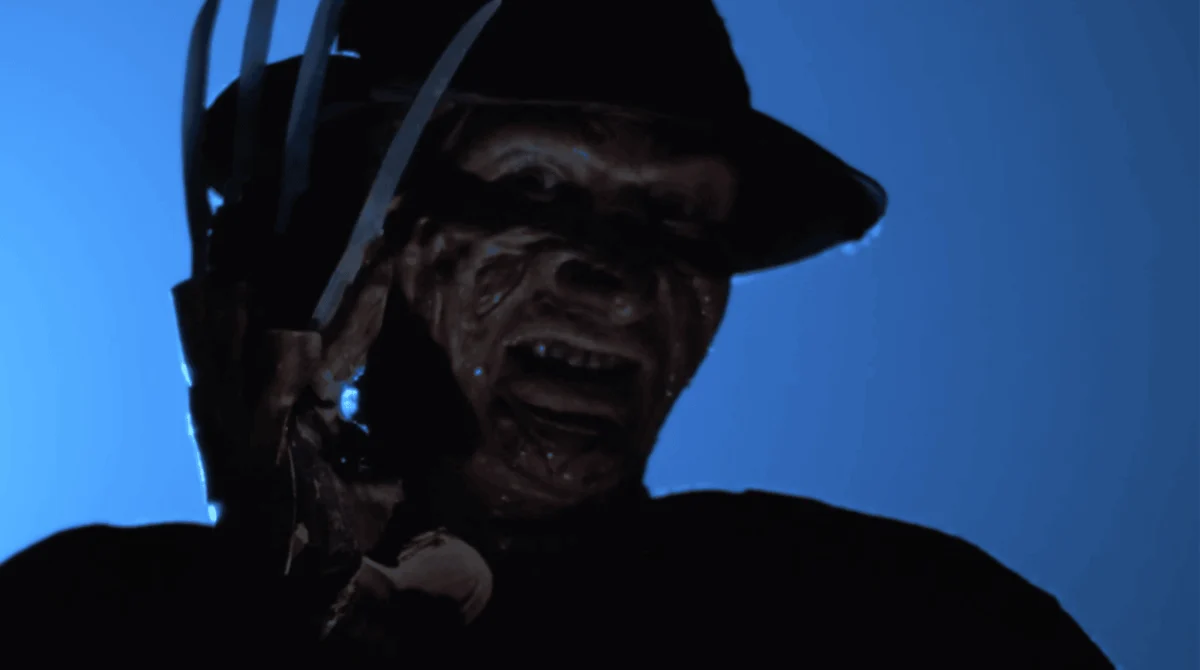
For horror aficionados, the prospect of a Nightmare on Elm Street reboot is the cinematic equivalent of a recurring fever dream—at once intoxicating and deeply unsettling. Nearly fifteen years have passed since the ill-fated 2010 remake, and for most of that time, the franchise has been locked in a legal labyrinth, silenced by complex rights issues and corporate stagnation. However, recent developments suggest the barrier between the real world and 1428 Elm Street is thinning.
In a twist that seems ripped from the franchise’s own surreal playbook, the current race to revive Freddy Krueger is not merely a creative endeavor; it is a corporate chess match. With both Paramount Pictures and Warner Bros. signaling a keen interest in developing new entries, the industry is left wondering: how can two studios lay claim to a single nightmare, especially while one is actively pursuing the acquisition of the other?
The Legal Labyrinth: A Chronology of Rights
To understand why the Nightmare franchise has remained dormant, one must untangle the web of intellectual property law that has held it hostage. Following the death of Wes Craven, the rights to the original 1984 A Nightmare on Elm Street reverted to the Craven estate under U.S. copyright termination provisions. This created a fractured landscape where the character of Freddy Krueger, his iconic glove, and his sweater were tied to various entities, including New Line Cinema (a subsidiary of Warner Bros.) and the estate.
For years, the status quo remained static. However, the 2026 fiscal cycle saw a sudden surge in activity. As the horror genre continues to be the most reliable "sure thing" at the global box office, the intellectual property of a slasher icon like Freddy Krueger has become a primary target for studios looking to bolster their slates.
The current landscape is complicated by the ongoing, high-profile attempt by Paramount to acquire Warner Bros. Under normal circumstances, these two entities would be coordinating their IP libraries. Instead, the market is witnessing a bizarre race: both studios are effectively "staking their claims" to the franchise. Should the merger proceed, the rights will consolidate; should it fail, the two entities will likely continue to pursue disparate paths, potentially leading to two distinct, competing visions of the dream demon.
Supporting Data: Why the Interest is Sky-High
The hunger for a Nightmare revival is not merely nostalgic—it is data-driven. Horror remains the most profitable genre in Hollywood, characterized by low production costs and high return-on-investment (ROI). Recent successes in the "legacy sequel" and reboot space, such as Blumhouse’s Halloween trilogy and the revitalized Scream franchise, have proven that audiences are eager to see classic slashers modernized.
However, A Nightmare on Elm Street occupies a unique space in the genre. Unlike the silent, unstoppable force of Michael Myers or the rhythmic brutality of Jason Voorhees, Freddy Krueger is a character of infinite malleability. Because the franchise is set within the dream world, it allows for a level of visual experimentation, meta-commentary, and psychological horror that most slasher films cannot sustain.
Industry analysts point to the "Schoenbrun Effect"—the recent rise of auteur-driven, surreal, and deeply internal horror—as the primary reason why high-level directors are now clamoring for the gig. The potential to deconstruct the "dream" as a metaphor for modern trauma, isolation, or the digital age has made the project a "white whale" for the next generation of visionary horror filmmakers.
The Contenders: A Who’s Who of Modern Horror
The list of directors expressing interest in the franchise is as diverse as the nightmares Freddy creates. Each name brings a distinct stylistic sensibility that could fundamentally alter the trajectory of the series.
Jane Schoenbrun
Fresh off the critical and cult success of Teenage Sex and Death at Camp Miasma, Jane Schoenbrun has publicly signaled interest in helming a Paramount-backed project. Schoenbrun’s work is characterized by a deep understanding of the "digital uncanny"—the way our lives are mediated through screens and the blurring of internal reality. Given that A Nightmare on Elm Street has always been a meta-textual franchise, Schoenbrun’s ability to weave themes of dissociation into horror makes them an ideal candidate to redefine Freddy for a generation raised on the internet.
Curry Barker
Following the massive viral success of Obsession, Curry Barker has become one of the most sought-after names in the industry. Currently attached to an A24 Texas Chainsaw Massacre project, Barker’s style is grounded, visceral, and intensely paced. While he is currently a "name on a list," his ability to balance high-concept horror with mainstream appeal makes him the quintessential studio choice. If his Chainsaw outing proves successful, he will likely find himself at the top of every major studio’s shortlist.
Mike Flanagan
Perhaps the most vocal proponent of a Nightmare reboot, Mike Flanagan has been transparent about his desire to take the mantle for years. Flanagan, known for his work on The Haunting of Hill House and Midnight Mass, possesses a rare ability to blend profound grief with terrifying supernatural elements. Flanagan’s approach would likely be the most "respectful" to the franchise’s roots while expanding its emotional scope. Having already reached out to rights holders, he remains the most persistent and prepared candidate.
Rob Savage
Known for his breakout hit Host and his work on The Boogeyman, Rob Savage represents the "dark horse" of the group. Savage excels at creating high-tension, claustrophobic set pieces that feel contemporary and immediate. His potential involvement suggests a version of Nightmare that prioritizes the "scare-per-minute" metric, making him a prime candidate if a studio decides they want a fast-paced, multi-entry franchise approach.
Lee Cronin
Lee Cronin, fresh off the success of Evil Dead Rise, has reportedly been in the orbit of Warner Bros. regarding a potential project. Unlike his peers, there is a tangible, albeit unconfirmed, whisper of a deal in progress. Cronin’s ability to handle large-scale, gore-heavy horror while maintaining a tight, character-driven narrative makes him a natural successor to the franchise’s darker, more practical-effects-heavy entries.
The Implications: A Studio "Dream" or a Corporate Nightmare?
The current, dual-pronged pursuit of the franchise by Paramount and Warner Bros. creates a fascinating, if unstable, paradox.
If Warner Bros. moves forward with a director like Lee Cronin, and Paramount simultaneously develops a project with a filmmaker like Jane Schoenbrun, the industry could face a legal and creative standoff. More pressingly, if the merger between the two studios concludes, the surviving entity will be forced to choose one path. This could lead to the immediate cancellation of one vision in favor of another, or worse, a "Frankenstein" production that attempts to merge two competing creative directions, potentially alienating the very fan base the studios hope to capture.
Furthermore, there is the question of the "Freddy Factor." Can a Nightmare film exist without Robert Englund? The failure of the 2010 remake, which attempted to recast the role, serves as a cautionary tale. Any new director will need to solve the impossible equation of honoring the legacy of the character while introducing a version of the boogeyman that feels relevant in an era of heightened psychological awareness.
Conclusion: The Final Cut
The race to reboot A Nightmare on Elm Street is not just about bringing a monster back to the screen; it is a symptom of a broader shift in Hollywood. Studios are increasingly looking to "pre-sold" intellectual properties as the only way to guarantee box office returns in a fragmented streaming market.
As the legal smoke clears and the merger talks continue, the only thing that remains certain is that the world is ready to return to Elm Street. Whether the resulting film is a visionary masterpiece or a corporate casualty remains to be seen. But one thing is clear: when it comes to Freddy Krueger, the dreams—and the business—are rarely simple. For now, the audience waits, watching the clock, wondering if the next knock on the door will lead to a new era of horror or simply more of the same, familiar, and deeply unsettling silence.