Muslim
The era of stagnant pricing for consumer electronics is coming to an abrupt end. In a candid interview with The Wall Street Journal, Apple CEO Tim Cook has effectively signaled to the market that the company’s product pricing structure—long considered a benchmark for the tech industry—is no longer sustainable. Citing a global memory supply crisis, often referred to by analysts as "RAMaggedon," Cook warned that price increases for future Apple hardware are now “unavoidable.”
For consumers, this marks a significant shift in the post-pandemic landscape. After years of navigating supply chain volatility, the industry is now confronting a hardware-level bottleneck that threatens to increase the entry cost of everything from smartphones to high-performance laptops.
The Core Crisis: Understanding "RAMaggedon"
To understand why a company with the massive buying power of Apple is struggling, one must look at the unprecedented demand for Dynamic Random Access Memory (DRAM) and NAND flash storage. The primary driver of this market disruption is the explosive growth of Artificial Intelligence.
Modern AI models, particularly Large Language Models (LLMs) and local machine learning features, require massive amounts of memory to function efficiently. As companies like Microsoft, Google, and Meta scramble to integrate AI into every facet of their ecosystems, they are absorbing a disproportionate share of the world’s high-bandwidth memory (HBM) and standard DRAM supply.
This, combined with a post-pandemic recovery in general consumer electronics demand, has created a "perfect storm." Manufacturers of memory components are prioritizing the lucrative enterprise and data-center AI sectors, leaving consumer device manufacturers to fight over a dwindling supply. For Apple, which relies on consistent, high-volume access to premium memory, this shortage is not just a logistical headache—it is a financial one.
Chronology of a Market Collapse
The path to the current price crisis was not sudden, but rather a slow-moving freight train that the tech industry has been watching for the better part of two years.
- Early 2025: Industry analysts began noting a tightening of DRAM supply as AI-focused data centers started hoarding capacity.
- Late 2025: Major component manufacturers, including Samsung and SK Hynix, announced record-breaking investments in HBM production to satisfy the insatiable demand of the AI sector.
- January 2026 (CES 2026): The Consumer Electronics Show served as a wake-up call. Numerous PC manufacturers warned that their production costs were ballooning, with RAM now accounting for an unprecedented percentage of the total bill of materials (BOM).
- Q1 2026: Samsung, HP, and Microsoft publicly acknowledged that they would be forced to pass component costs onto the consumer.
- June 2026 (WWDC 2026): Apple’s Worldwide Developers Conference highlighted the company’s "Apple Intelligence" roadmap. While the software vision was clear, the hardware requirements to run these models locally began to loom over the product roadmap.
- Present Day: Tim Cook’s admission in The Wall Street Journal confirms that the pressure has reached a breaking point, making consumer price hikes a reality.
Supporting Data: The Cost of Complexity
The scale of the price increases is best understood by examining the bill of materials. In previous years, memory costs were a predictable, often declining, expense. Today, the volatility is extreme.
Recent reports from hardware analysts suggest that for high-end laptops and smartphones, the cost of RAM has risen by nearly 40% year-over-year. For companies like Apple, which maintain high-margin standards, absorbing a 40% spike on a core component is mathematically impossible without compromising either the quality of the product or the profitability of the hardware division.
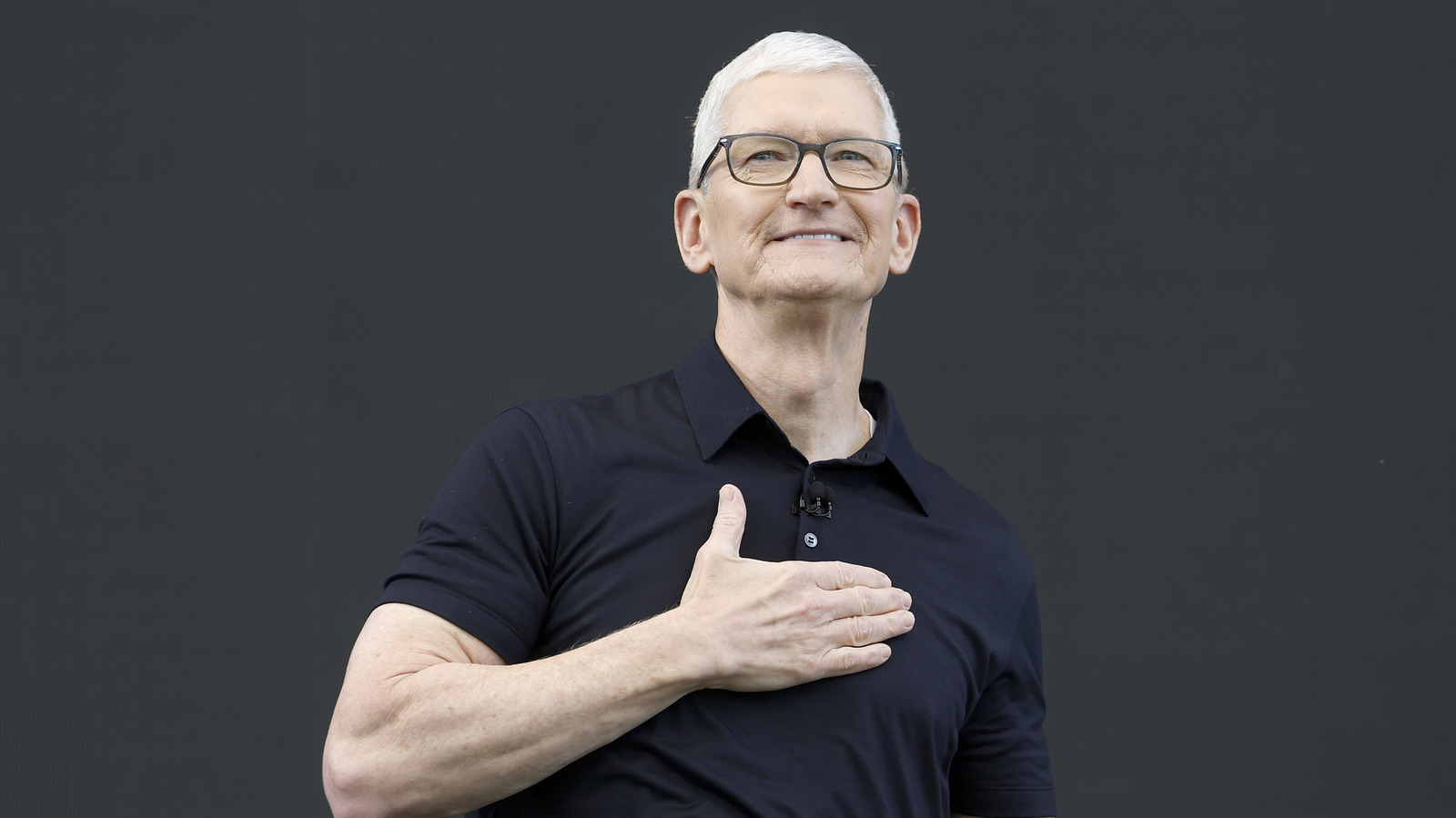
“I’ve never seen anything like it in any area in over 40 years,” Cook remarked during his interview. This statement carries weight coming from a man who spent his career as an operations expert, essentially architecting the most efficient supply chain in the history of modern commerce. When the master of supply chain management admits that the market has become "unsustainable," it serves as a sobering indicator of the severity of the supply drought.
Official Responses and Industry Consensus
Apple is far from alone in this struggle. The sentiment is echoed across the entire technology spectrum, as companies scramble to manage shareholder expectations while maintaining consumer trust.
The Competitor Perspective
- Samsung: The Korean tech giant, which also happens to be a primary manufacturer of memory chips, has been transparent about the situation. They have noted that while they benefit from higher chip prices, their consumer electronics arm faces the exact same inflationary pressures as their rivals.
- Microsoft: Having recently raised prices on its Surface line of PCs, Microsoft has cited the cost of specialized AI-ready memory as the primary catalyst.
- Valve and Nintendo: The gaming sector is also feeling the pinch. Valve’s Steam Deck and Nintendo’s upcoming console roadmap have been impacted, with analysts suggesting that memory costs were a key factor in recent pricing decisions for next-gen portable hardware.
These companies are collectively signaling a shift in the tech market: the era of deflationary hardware pricing is over. The focus is now on "value-added" features to justify the increased price tags consumers will inevitably face.
Implications: What This Means for the Consumer
For the average user, the implications of these price hikes are multifaceted.
1. The Death of the "Entry-Level" Tier
We are likely to see the disappearance of lower-priced storage or RAM tiers. If memory is too expensive, manufacturers will stop producing devices with 8GB of RAM or 128GB of storage, as they will likely push customers toward higher, more profitable tiers to offset the cost of the underlying components.
2. The iPhone 18 and Beyond
With the iPhone 18 announcement only months away, speculation is rampant. If Apple is forced to increase prices, the "Pro" models may see the most significant jumps. However, even the base models may face a "hidden" price hike—perhaps through reduced storage options or the removal of accessories previously included in the box.
3. A Shift Toward Cloud vs. Local
As the cost of high-capacity local memory rises, manufacturers may push harder for cloud-based storage solutions. By encouraging users to store data in the cloud rather than on a physical device, Apple and its competitors can keep the base price of hardware lower, though this shifts the cost to the consumer in the form of recurring monthly subscription fees (iCloud, etc.).
4. Leadership Transition
The timing of this announcement is particularly noteworthy given that Tim Cook is preparing to step down. By delivering this news now, Cook is taking the "heat" for the impending price increases, effectively clearing the deck for his successor, John Ternus. This allows the incoming leadership to focus on product innovation rather than managing the fallout of a necessary, albeit unpopular, pricing adjustment.
Conclusion: The New Normal
The "RAMaggedon" of 2026 is a stark reminder that the digital world is inextricably linked to the physical realities of global manufacturing. While software may feel intangible, the hardware that powers it is subject to the brutal laws of supply and demand.
As we look toward the latter half of 2026, the technology landscape will be defined by how well companies navigate these rising costs. Consumers should prepare for a period of adjustment where the cost of entry for premium technology rises to reflect the high-performance memory requirements of the AI-driven future. Apple, typically the master of navigating these cycles, has signaled that even they have reached the limits of what they can absorb. The message is clear: the cost of innovation is going up, and the bill is arriving at the consumer’s doorstep.


 Azzam Bilal Chamdy
 Layla Zulfa