The anticipation surrounding Grand Theft Auto 6 has reached a fever pitch, fueled by a recent, meticulously crafted extended look at the game showcased across Netflix and YouTube. As the global gaming community dissects every frame of the footage, a clear picture is emerging: Rockstar Games is not merely iterating on its previous success; it is fundamentally evolving the DNA of the open-world crime genre.
According to insights provided by industry insiders and corroborated by Rockstar North’s own development team, GTA 6 represents a departure from the "power fantasy" arcade style of Grand Theft Auto 5. Instead, it shifts toward a more grounded, strategic, and consequence-heavy experience, drawing thematic and mechanical inspiration from the immersive depth of Red Dead Redemption 2.
The Evolution of Crime: A Shift Toward Strategic Realism
For over a decade, GTA 5 players have enjoyed a relatively low-friction criminal lifestyle. Stealing a car was a split-second, consequence-free act, and chaotic rampages rarely required more than a basic understanding of weapon wheel mechanics. GTA 6, however, aims to impose a "criminal’s mindset" upon the player.
In a recent conversation with content creator TGG, Rockstar North’s Rob Nelson underscored the developer’s shift in philosophy. The game is designed to force players to pause, evaluate their surroundings, and weigh the risks of their actions. This shift is not just an aesthetic choice; it is a structural change to how the game interacts with the player.
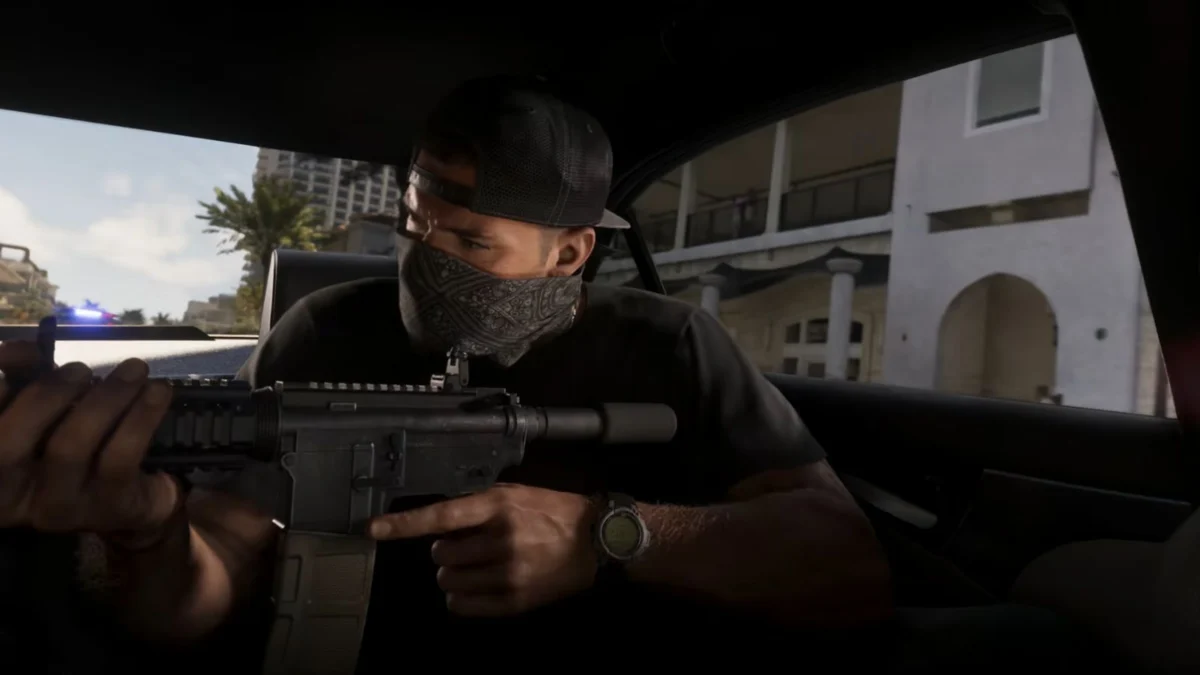
"You have to make a lot more decisions," Nelson noted. "It brings a bit of risk now. If I jack someone out of a car, they’re going to call the cops. I’m going to have a bunch of trouble, and I’ll have to deal with them. So, maybe I won’t just jack someone out of a car. Maybe I’ll find a car parked where no one is around and break into it, knowing I can do it and get away clean."
This philosophy transforms the mundane act of vehicle theft—a staple of the franchise—into a multi-stage process. Players will no longer simply walk up to any vehicle and pull the driver out. High-end vehicles may require specific tools, specialized knowledge, or even complex mini-games to bypass security systems. By creating a barrier to entry for these actions, Rockstar is effectively turning the game world into a system that demands intelligence rather than just aggression.
Chronology: From Rumors to the "Perfect" Reveal
The journey to this point has been long and fraught with industry speculation. Since the initial, record-breaking trailer, the community has been piecing together the scope of the game:
- Initial Announcement: Rockstar Games confirms development, acknowledging the immense weight of fan expectations.
- The Leak Cycle: A series of unauthorized leaks provided early, albeit fragmented, views of the engine, leading to an official, polished reveal.
- The Netflix Extended Look: In collaboration with streaming platforms, Rockstar released a deeper, curated look at the gameplay, specifically focusing on Leonida (the game’s setting) and the dual-protagonist narrative.
- The Insider Briefings: Following the Netflix presentation, select creators were granted access to Rockstar North, providing the first concrete details on the game’s "decision-making" mechanics and the nuance of the Jason and Lucia relationship.
This timeline reflects a studio that is hyper-aware of its legacy. In recent statements, Rockstar executives have candidly admitted to feeling "nervous" about the release. When a studio that has set the industry standard for three decades admits to feeling the pressure, it signals that GTA 6 is not just another title; it is an attempt to create a perfect, definitive work of art that can stand the test of time.
Supporting Data: The "Red Dead" Influence
The influence of Red Dead Redemption 2 (RDR2) on GTA 6 cannot be overstated. RDR2 was a masterclass in pacing, forcing the player to care for their horse, manage their health, and interact with NPCs in a way that felt deliberate. GTA 6 appears to be applying these "slow-burn" mechanics to the high-octane world of modern crime.
Data points from the recent previews suggest:
- Environmental Awareness: NPCs are more responsive. Witnessing a crime, identifying the player, and calling the authorities are no longer abstract "wanted" meter triggers; they are integrated into the world’s AI.
- Narrative Branching: While GTA 5 allowed players to choose between three protagonists, the core narrative path was relatively linear. In GTA 6, the relationship between Jason and Lucia is highly modular. Players can choose the intensity of their romantic connection, affecting how they coordinate in heists and how they communicate during free-roam activities.
- Complexity of Interaction: The introduction of new tools and mini-games for burglary suggests that Rockstar is prioritizing "depth of experience" over "breadth of carnage."
Official Responses and the "Nervous" Developer
Rockstar Games has maintained a policy of extreme caution. In an era where "crunch" and "disappointment" are common buzzwords in gaming journalism, Rockstar has been remarkably transparent about their own anxiety regarding the project. They know that the GTA name carries a weight of expectation that few other franchises possess.
"We know it has to be perfect," a source close to the studio stated. This quest for perfection is the reason for the lengthy development cycle. Every mechanic—from the way a character reacts to a siren in the distance to the specific way a player might break into a high-end sports car—is being tuned to ensure that the player feels like they are actually living in a criminal underworld, rather than just playing in a sandbox.
Implications: The Future of Open-World Design
The implications of these changes are profound. If GTA 6 succeeds in making "being a criminal" a strategic, decision-based experience, it will likely render the old "run and gun" style of open-world games obsolete.
1. Reimagining the Wanted System
By making police intervention a direct consequence of witness behavior rather than a simple timer, the game forces players to be "better" criminals. If you cannot plan an exit strategy, you will be caught. This shifts the game from an arcade shooter to a tactical simulator.
2. Narrative Agency
The dynamic between Jason and Lucia is one of the most anticipated features. The ability to dictate their relationship—whether they are professional partners, romantic interests, or a volatile mix of both—adds a layer of RPG-lite elements that the franchise has previously lacked. This implies that the "perfect" ending or the "optimal" career path in the game will vary from player to player.
3. The End of "Easy" Money
If high-end cars and properties require mini-games or planning, the progression system of GTA 6 will likely be much slower than its predecessor. This is a bold move in an era of "instant gratification" gaming, but it is one that aligns with Rockstar’s commitment to immersive world-building.
Conclusion: A New Standard for the Industry
As we look toward the eventual launch of Grand Theft Auto 6, it is clear that we are witnessing a studio at the height of its creative powers. By slowing down the gameplay, increasing the stakes of every interaction, and grounding the criminal experience in logic rather than chaos, Rockstar is attempting to do what they have always done: redefine the boundaries of the medium.
Whether these changes will be embraced by a fanbase accustomed to the frenetic pace of GTA Online remains to be seen. However, one thing is certain: GTA 6 will not be a game that you simply "play." It will be a game that you must navigate, survive, and master. In the streets of Leonida, the biggest threat won’t be the police—it will be the consequences of your own decisions.
For Rockstar, the goal is simple: to deliver a masterpiece that validates the years of anticipation and proves that in a world of fast-paced, disposable entertainment, there is still a place for the meticulously crafted, high-stakes, and deeply immersive criminal epic.