Lina Irawan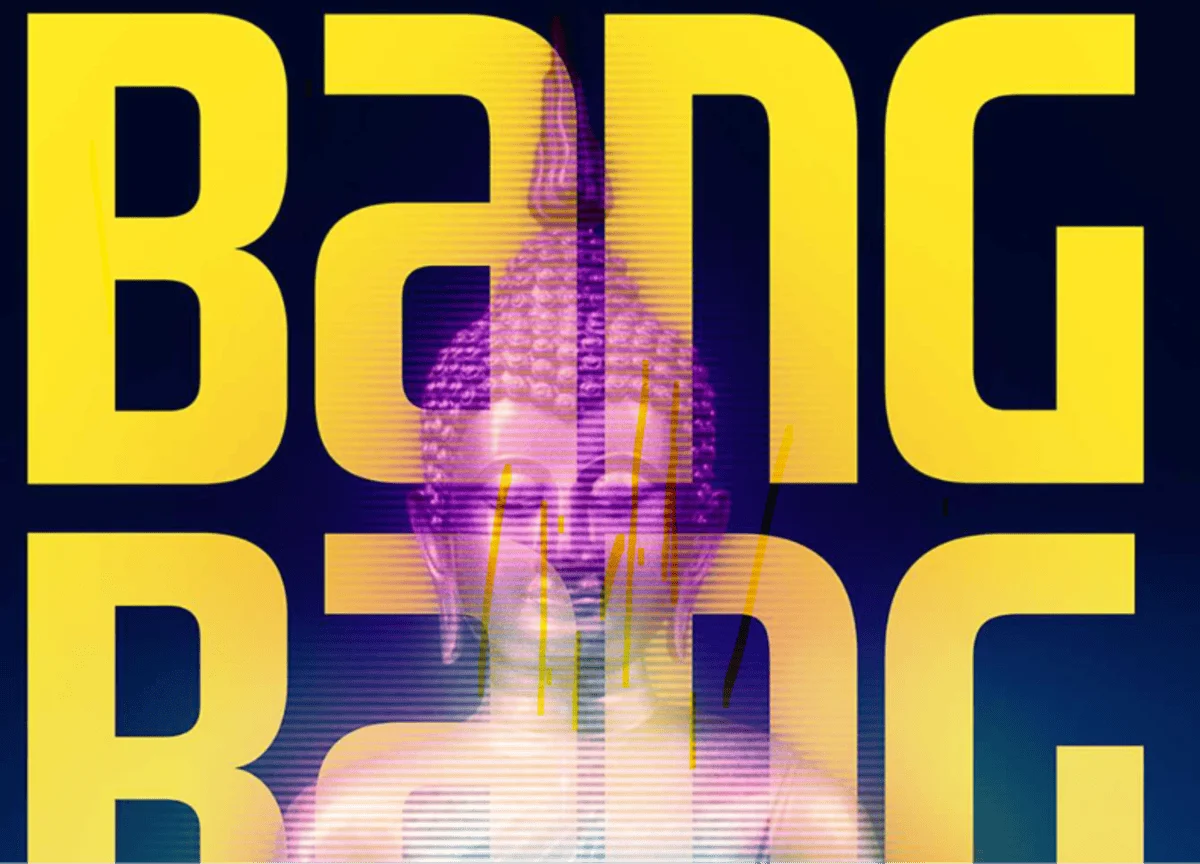
In the fast-moving world of Hollywood development, projects often vanish into the “abyss” of pre-production, never to be heard from again. However, the recent revelation by author Aubrey Wood regarding her 2023 cyberpunk novel, Bang Bang Bodhisattva, has shed light on a specific, high-profile casualty of the current industry climate. Wood recently confirmed that acclaimed director Lilly Wachowski had optioned the rights to the novel for a feature film shortly after its publication, only for the project to face the harsh realities of a “hostile” market.
This revelation, shared via the social platform Bluesky, offers a rare glimpse into the intersection of visionary filmmaking, the struggles of trans representation in media, and the mounting economic pressures facing independent-minded directors in contemporary Hollywood.
The Genesis of the Adaptation
Bang Bang Bodhisattva garnered significant attention upon its release in 2023. A gritty, neon-soaked cyberpunk noir, the novel follows a futuristic gig worker entangled in a murder mystery alongside a private investigator. Critics praised the work for its innovative world-building and its ability to deconstruct the tropes of noir and cyberpunk simultaneously.
It was this thematic depth that drew the attention of Lilly Wachowski, one-half of the legendary creative duo behind The Matrix. According to Wood, the interest was immediate and personal. Wachowski didn’t wait for a studio greenlight; she optioned the rights to the novel using her own capital. This act of "betting on oneself" is a hallmark of the Wachowskis’ career, reflecting a desire to maintain creative autonomy in an industry that increasingly demands commercial safety.
A Chronology of Stalled Ambitions
The timeline of the Bang Bang Bodhisattva project appears to mirror the broader professional trajectory of Lilly Wachowski over the last few years.
- Mid-2023: Bang Bang Bodhisattva is released to critical acclaim, quickly earning a place on the Lambda Literary Award shortlist for LGBTQ+ speculative fiction.
- Late 2023: Reports indicate that Wachowski, impressed by the novel’s synthesis of identity and technology, secures the film rights.
- Early 2024: Development begins, with Wachowski reportedly scouting pathways to secure funding.
- Mid-2024: The industry experiences a contraction in "prestige" and mid-budget genre filmmaking. During this period, the planned television adaptation of Gretchen Felker-Martin’s Manhunt—another project Wachowski was attached to—is reportedly canned.
- Late 2024: Wood officially confirms that the Bang Bang Bodhisattva project has effectively stalled, citing the same industry-wide headwinds that derailed the Manhunt series.
The cancellation of Manhunt serves as a grim parallel. That project, based on a novel known for its visceral, uncompromising exploration of gender and survival, was widely viewed as a perfect match for Wachowski’s sensibilities. Its failure to move forward signaled that the "hostility" Wood referenced was not an isolated incident, but a systemic trend.
The Financial and Political Hurdle: A "Wall-to-Wall" Vision
The primary challenge facing these projects appears to be rooted in Wachowski’s uncompromising creative requirements. In recent interviews, most notably with Deadline in August 2026, the director candidly addressed why her political thriller, The Hunted, has struggled to enter production.
Wachowski’s insistence on a "wall-to-wall trans cast"—a move that prioritizes authentic representation over traditional, bankable Hollywood casting formulas—has proven to be a bridge too far for risk-averse studio executives. In an era where "diversity and inclusion" are often treated as marketing bullet points rather than creative mandates, Wachowski’s radical approach to casting is perceived as a financial risk by major financiers.
This "hostile market" is defined by a flight to safety. Studios are prioritizing established intellectual property (IP) and franchise-ready content, leaving experimental, identity-focused, or subversion-heavy projects in the lurch. Wood’s admission that she and Wachowski remain interested in future collaboration is a testament to the strength of their vision, yet it underscores a somber reality: even for a director of Wachowski’s stature, the current gatekeepers of Hollywood are tightening their grip on what stories are permitted to be told.
Implications for Independent Speculative Fiction
The failure to bring Bang Bang Bodhisattva to the screen is not merely a disappointment for fans of the novel; it represents a broader loss for the genre. Cyberpunk, by definition, is a genre of rebellion—of "high tech, low life." When a filmmaker as synonymous with the genre as Wachowski is barred from adapting a novel that challenges the very foundations of the genre, it suggests that the mainstream is becoming increasingly sanitized.
Wood’s call to action—urging fans to continue supporting the novel—is more than just a marketing strategy. It is a plea to demonstrate to the industry that there is, in fact, an audience for bold, trans-centric speculative fiction. By bolstering the sales and cultural footprint of the source material, authors and creators hope to provide "proof of concept" that can eventually force the hand of studio heads who remain skeptical of such narratives.
A Silver Lining: Cassie Workman Is Witchy AF
Despite the setbacks regarding Bang Bang Bodhisattva and The Hunted, the news cycle regarding Wachowski is not entirely defined by disappointment. It was recently confirmed that she will serve as a producer for Cassie Workman Is Witchy AF, an upcoming eight-part documentary series on YouTube.
The project, which stars the comedian Cassie Workman, delves into the history of the occult. Early descriptions of the show have been met with delight by fans, particularly the note that it was "created in a lab specifically to make Ron DeSantis angry." This pivot to independent, platform-agnostic distribution on YouTube suggests that Wachowski is finding ways to bypass traditional studio interference. By embracing the flexibility of digital platforms, she may be carving out a new model for creators who refuse to compromise on their artistic or political values.
The Road Ahead
As the industry continues to navigate the post-pandemic, post-strike landscape, the path for visionary directors like Lilly Wachowski remains fraught with difficulty. The struggle to adapt Bang Bang Bodhisattva serves as a microcosm of the current tensions in Hollywood: the friction between a creative desire for authentic, groundbreaking storytelling and an institutional insistence on traditional marketability.
However, history has shown that the Wachowskis are rarely deterred by the status quo. Whether through finding new avenues for production or waiting for the "market" to realign with the realities of modern audiences, the dream of a Bang Bang Bodhisattva film remains alive. For now, the audience must settle for the written word—and, perhaps, watch closely as the landscape of independent digital media begins to flourish under the guidance of directors who refuse to play by the old rules.
The story of this adaptation is not over; it is merely paused, awaiting a moment when the industry is ready to catch up to the vision. In the meantime, the conversation ignited by Wood and Wachowski serves as a necessary reminder that the most compelling stories often encounter the most resistance—and that they are all the more worth fighting for.

 Muslim
 Laily UPN