


The gaming world is currently holding its collective breath. With the release of Grand Theft Auto VI scheduled for November 19, the anticipation has reached a fever pitch not seen in the history of interactive entertainment. Following an exclusive 26-minute deep dive recently showcased via a high-profile media partnership, the veil has finally been lifted on what is shaping up to be the most ambitious open-world project ever conceived by Rockstar Games.
Set in the neon-drenched sprawl of Vice City and the sprawling, treacherous hinterlands of Leonida, GTA VI is not merely a sequel; it is a tectonic shift in game design. As we dissect the extended look, it becomes clear that Rockstar North is looking to redefine the "crime simulator" genre by blending the cinematic narrative depth of Red Dead Redemption 2 with the frantic, satirical energy of the Grand Theft Auto franchise.
The Foundation: A Dual-Protagonist Epic
At the heart of this sprawling narrative are Lucia and Jason, a duo whose dynamic echoes the classic "Bonnie and Clyde" archetype. The extended footage confirms a highly anticipated mechanic: the ability to seamlessly swap between characters.

Unlike GTA V, where switching often felt like a logistical jump across a massive map, the transition in GTA VI appears more grounded and narrative-driven. At the 18:41 mark of the preview, we see the pair navigating a high-speed chase. The game fluidly hands control from Jason to Lucia, emphasizing that their cooperation is central to their survival.
However, the game also introduces narrative friction. Certain missions will restrict player agency, forcing choices upon the player through cutscenes or mission design. A pivotal scene at the "Effluvia" rooftop bar illustrates this: a criminal associate named Brian Heder offers the duo a job. The ensuing dialogue forces the player to witness a decision-making process between the characters, grounding their relationship in the reality of their criminal lifestyle rather than treating them as mere interchangeable avatars.
Chronology of Evolution: From 1997 to 2024
To understand the magnitude of GTA VI, one must look at the lineage of the series. Since the top-down 2D sprites of the 1997 original, the franchise has consistently pushed the boundaries of technical achievement.

- The 3D Era: GTA III, Vice City, and San Andreas established the template of the open-world sandbox, introducing the iconic "Wanted" star system.
- The HD Era: GTA IV brought a gritty, physics-heavy realism, while GTA V perfected the multi-protagonist structure and the sprawling digital playground of Los Santos.
- The Modern Era: GTA VI is poised to integrate the "lived-in" world philosophy of Red Dead Redemption 2. This involves a more reactive environment, where NPCs have routines, the ecosystem is dynamic, and the player’s reputation is governed by a complex Criminal Profile system.
Supporting Data: Mechanics and Technical Milestones
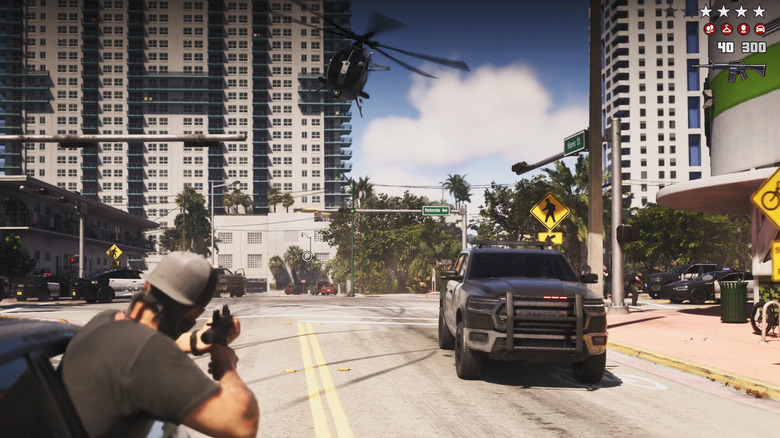
The extended look revealed a staggering array of mechanical depth that suggests a runtime exceeding 80 hours for the completionist player. Among the most notable updates is the return of the six-star Wanted system. While GTA V capped player notoriety at five stars, the return of the sixth star suggests the return of high-level, military-grade police responses, likely reminiscent of the NOOSE intervention teams from GTA IV.
The Criminal Profile System
Rockstar is moving away from the binary "good vs. evil" systems of the past. The new Criminal Profile system tracks player behavior with nuance. Actions are no longer just "legal" or "illegal." The game tracks how you interact with the world:
- De-escalation: Players can now talk their way out of tense situations or escalate them, echoing the dialogue systems of RDR2.
- World Interaction: Simple tasks—like disposing of trash properly or interacting with local wildlife—influence how the world perceives the protagonist.
- Consequence: Co-studio head Rob Nelson has emphasized that consistent actions will dictate how the narrative plays out, suggesting that player morality—or lack thereof—will have tangible gameplay consequences.
Combat and Arsenal Management
Gunplay has undergone a significant overhaul. Players can now carry two weapons for instant swapping, eliminating the need to constantly pause the action to navigate a radial menu. The "one-handed" shooting mechanic is a standout addition; Lucia is shown handling a shotgun with one hand while clutching a bag of illicit goods in the other, a level of animation blending that feels incredibly fluid. Furthermore, the introduction of non-lethal disarming mechanics—indicated by yellow reticles—provides a tactical layer for players who wish to incapacitate rather than execute.

Official Perspectives and Studio Philosophy
While Rockstar Games remains famously guarded, the statements provided by lead developers during the preview window highlight a design philosophy centered on "immersion over convenience."
The decision to limit carjacking via the "Slim Jim" minigame and the requirement for electronic key cloners for high-end vehicles indicates that Rockstar wants to make every crime feel like a deliberate act of theft rather than a button-mash exercise. This focus on "friction" as a gameplay element is meant to ground the experience. When you steal a car in GTA VI, you are meant to feel the time and effort required to bypass modern security, making the eventual getaway feel earned.
Implications for the Industry
The implications of GTA VI are massive for the software industry. With current industry trends leaning toward "live service" models, Rockstar’s commitment to an 80+ hour, single-player-first narrative serves as a powerful reminder of the enduring power of the premium, boxed product.
The "Living" City
The introduction of a 3D-mapped HUD that displays building interiors and exteriors suggests that the density of Vice City will be unprecedented. We are looking at a game where the map is not just a backdrop, but a functional, vertical space. The return of minigames—ranging from dirt bike racing and scuba diving to basketball and back-alley wrestling—ensures that the city remains an interactive playground long after the credits roll on the main story.
Technical Prowess
The integration of Max Payne 3-style killcams and Michael De Santa’s signature slow-mo shooting, updated for the modern engine, suggests that Rockstar is synthesizing the "greatest hits" of their entire library. By combining the visceral combat of their shooter titles with the systemic complexity of their western epic, GTA VI is setting a new bar for what a AAA title should look like in the current generation.
Final Thoughts: The Wait for November
As the industry prepares for November 19, the primary takeaway from the extended look is clear: Grand Theft Auto VI is not trying to reinvent the wheel—it is trying to make every spoke of that wheel more detailed, more interactive, and more dangerous than ever before.
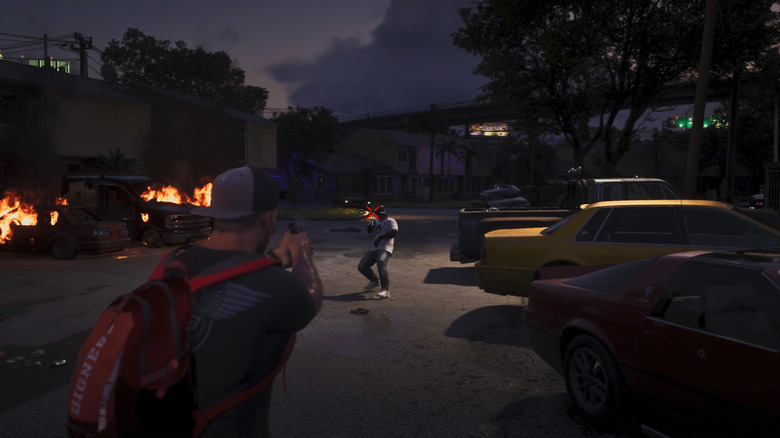
From the subtle nods to San Andreas (bench pressing) to the high-tech innovations like the "Slim Jim" carjacking mechanic, the game promises a density of content that will likely keep players occupied for years. Whether you are a fan of the satire, the high-octane chases, or the immersive role-playing elements, the message from Vice City is loud and clear: get ready for a ride that will likely define the next decade of gaming.











