

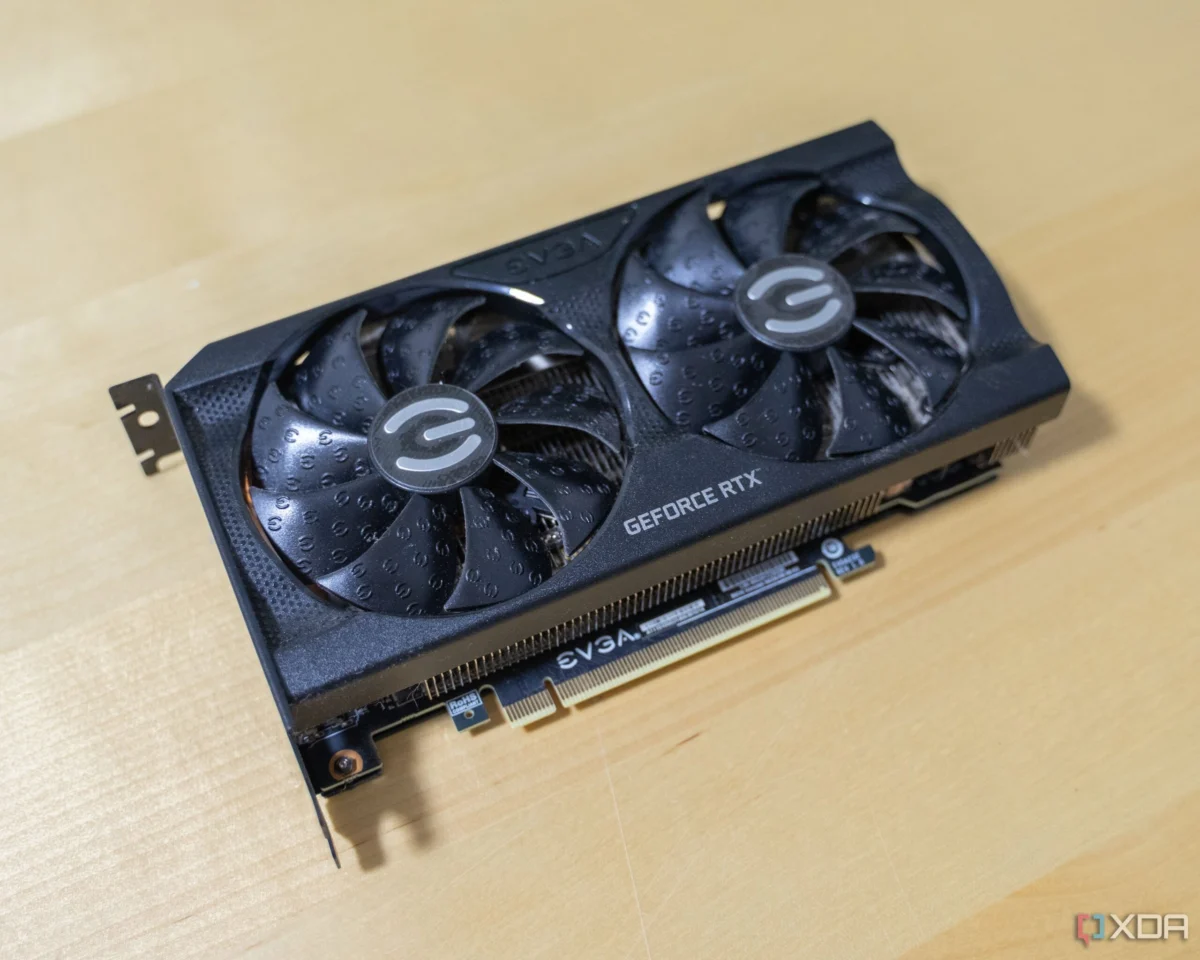
For over a decade, Nvidia’s "60-class" graphics cards have occupied a unique space in the hardware ecosystem. Positioned as the "sweet spot" between affordability and performance, these GPUs have consistently served as the entry point for the mainstream gaming market. However, two specific models—the legendary GTX 1060 and the current juggernaut, the RTX 3060—have transcended their intended product life cycles to become cultural icons of PC gaming.
As of July 2026, the industry is witnessing a fascinating historical echo: the RTX 3060 continues to dominate the Steam Hardware Survey, mirroring the unprecedented five-year reign of the GTX 1060. This phenomenon is not merely a quirk of data; it is a profound reflection of the shifting economics of PC gaming and the stagnation of mid-range hardware value.
The GTX 1060: The People’s Champion (2016–2022)
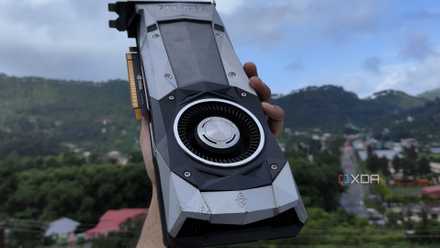
To understand why the RTX 3060 is so resilient, one must first look at its predecessor. Launched in 2016, the GTX 1060 (specifically the 6GB variant) was the definitive "bang-for-your-buck" card of the Pascal generation.
A Generational Leap
The GTX 1060 arrived with a 70% performance lead over its predecessor, the GTX 960, while matching the raw output of the previous-gen high-end Maxwell flagship, the GTX 980—all for a $299 price tag. This was a disruption that fundamentally changed consumer expectations. For the first time, a budget-tier card could handle virtually any AAA title at 1080p with high settings.
Five Years of Dominance
From late 2017 to late 2022, the GTX 1060 was the most popular card on the planet. Its longevity was aided by a series of market misfortunes for Nvidia’s competitors and even their own subsequent generations. When the RTX 20-series launched with high price tags and the RTX 30-series was decimated by the global chip shortage and the cryptocurrency mining boom, the GTX 1060 remained the "safe" fallback. It proved that a well-balanced card could survive three full GPU generations before feeling truly obsolete.
The RTX 3060: Retracing the Path to Glory
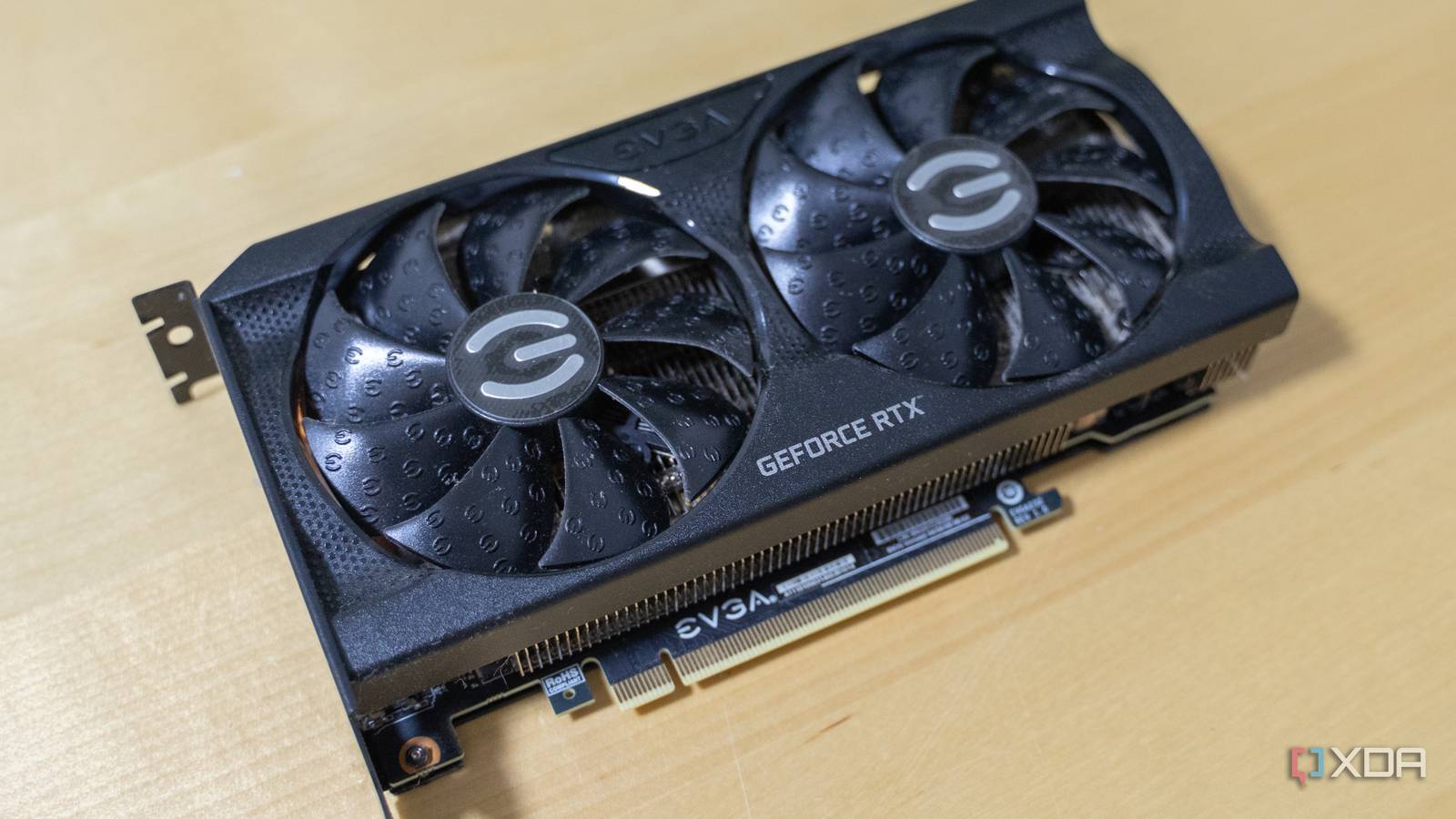
If the GTX 1060 was the king of the Pascal era, the RTX 3060 is the undisputed sovereign of the Ampere generation. Released during the height of the pandemic supply chain crisis, it was initially viewed as an overpriced commodity. Yet, as the dust settled, the 12GB VRAM buffer proved to be its greatest asset.

Why 12GB Changed the Game
In an era where modern games have become increasingly memory-hungry, the 12GB of VRAM on the RTX 3060 has allowed it to age with grace that 8GB cards—such as the RTX 4060 and even the newer RTX 5060—simply cannot match. While the RTX 4060 is technically more efficient and faster, its narrow 8GB memory bus creates a "ceiling" in modern, texture-heavy titles.
Data from the Steam Hardware Survey shows that despite being an older architecture, the RTX 3060 consistently holds the top spot. It is not uncommon to see the RTX 3060 capture the number one position, followed by the RTX 4060 in second, highlighting that while users are slowly migrating, the mid-range "60-class" card remains the absolute foundation of the PC gaming community.
Chronology of Market Stagnation
To understand the current climate, we must analyze the progression of GPU releases from 2020 to 2026:
- 2020–2021 (The Crisis Years): The Ampere launch (RTX 30 series) is marred by extreme scarcity. Prices skyrocket, making legacy cards like the GTX 1060 the only viable option for many.
- 2022–2023 (The Correction): Prices begin to normalize. The RTX 3060 becomes the default choice for budget-conscious builders due to its 12GB buffer.
- 2024 (The Ada Lovelace Disappointment): The RTX 4060 launches. While power-efficient, the performance uplift over the RTX 3060 is marginal, and the 8GB VRAM constraint is widely criticized.
- 2025–2026 (The Blackwell Era): The RTX 50 series arrives. Even with the introduction of the RTX 5060, consumers are hesitant. With MSRPs for mid-range cards approaching $600, many gamers find that their existing RTX 3060 hardware still meets their needs for 1080p gaming.
Supporting Data: The Case for Value
The market data is clear: the "value" segment has evaporated. In 2016, $299 bought you a card that was nearly top-tier. In 2026, $300 often buys you an entry-level GPU that struggles to maintain a lead over hardware released four years prior.
According to market sentiment and hardware usage statistics, nearly 80% of the top 10 most-used desktop GPUs are "60-class" or "50-class" variants. This indicates that the vast majority of PC gamers are not chasing 4K path tracing; they are playing competitive titles, eSports, and popular live-service games. For these users, an RTX 3060, supported by NVIDIA’s DLSS (Deep Learning Super Sampling) technology, provides more than enough overhead.
Furthermore, Nvidia’s decision to keep the RTX 3060 in production—or at least maintain its availability—has created a "floor" for gaming performance. By ensuring that drivers remain optimized for this specific architecture, Nvidia has inadvertently kept the card relevant for much longer than their newer, more expensive offerings.
Official and Industry Perspectives
Industry analysts have noted a growing "upgrade fatigue" among PC enthusiasts. While Nvidia continues to push for higher price points and ray-tracing capabilities, the average gamer is increasingly focused on cost-per-frame.
A spokesperson for a major hardware retailer recently commented: "We see customers bringing in rigs with 30-series cards asking for upgrades, and when we show them the performance-to-dollar ratio of the current 50-series entry-level cards, they often choose to save their money. Unless you are playing at 1440p or higher with full ray-tracing enabled, the 3060 is still doing the job."
This sentiment is echoed by the community, where the RTX 3060 is frequently cited as the "last great value card." The pushback against 8GB cards in the $300-$400 price bracket has forced a conversation about whether manufacturers are losing touch with the mainstream gamer.
Implications for the Future of PC Gaming
The dominance of the RTX 3060 has several significant implications for the future of the industry:
- VRAM as the New Standard: The success of the 12GB RTX 3060 has proven that consumers are aware of VRAM limitations. Future mid-range cards that launch with 8GB or less will likely face intense scrutiny and consumer backlash.
- The Rise of the Secondary Market: As new hardware fails to offer compelling price-to-performance gains, the pre-owned market is booming. Gamers are increasingly buying used RTX 30-series cards, effectively keeping the ecosystem alive without contributing to new hardware revenue.
- Software as the Great Equalizer: Because Nvidia continues to support older architectures with DLSS, the hardware life cycle has effectively doubled. A user with an RTX 3060 can often achieve performance parity with newer cards by simply enabling upscaling, further reducing the incentive to upgrade.
- Pressure on Manufacturers: The current trend of "incremental" upgrades at "exponential" price increases is unsustainable. If the RTX 60-series does not offer a significant leap in memory and value, the industry may face a period of prolonged hardware stagnation, where the "new" cards are ignored in favor of older, more reliable technology.
Conclusion
The RTX 3060 is more than just a piece of silicon; it is a monument to a specific moment in PC history. Much like the GTX 1060 before it, it has become the standard against which all future value is measured. As long as manufacturers continue to prioritize profit margins over meaningful generational leaps, cards like the RTX 3060 will remain the silent, steady backbone of the gaming world. For now, the "60-class" throne is secure, and it appears the RTX 3060 will be wearing the crown for quite some time to come.











