In an incident that has shaken the confidence of the Pokémon Trading Card Game (TCG) community, a young collector was allegedly targeted and defrauded by an adult during the recent Pokémon XP event held in San Francisco. The incident, which occurred on the second floor of the Moscone South venue, has sparked a firestorm of discussion regarding event security, the vulnerability of younger players, and the enduring integrity of the collecting community.
As the story of the lost card spread across social media, it evolved from a tale of predatory behavior into a testament of communal solidarity. Prominent figures, including high-profile YouTuber Deep Pocket Monster, have stepped forward, demonstrating that the camaraderie within the Pokémon hobby is far stronger than the actions of a single bad actor.
The Incident: A "Tough Lesson" at Moscone South
On August 29, 2026, Eric Bahn took to social media to share a distressing update regarding his son’s experience at the high-profile Pokémon XP convention. According to Bahn, his son—a dedicated enthusiast who had spent years curating his collection through diligent saving and calculated trading—was approached by an adult at a vendor booth and convinced into a lopsided, fraudulent trade.
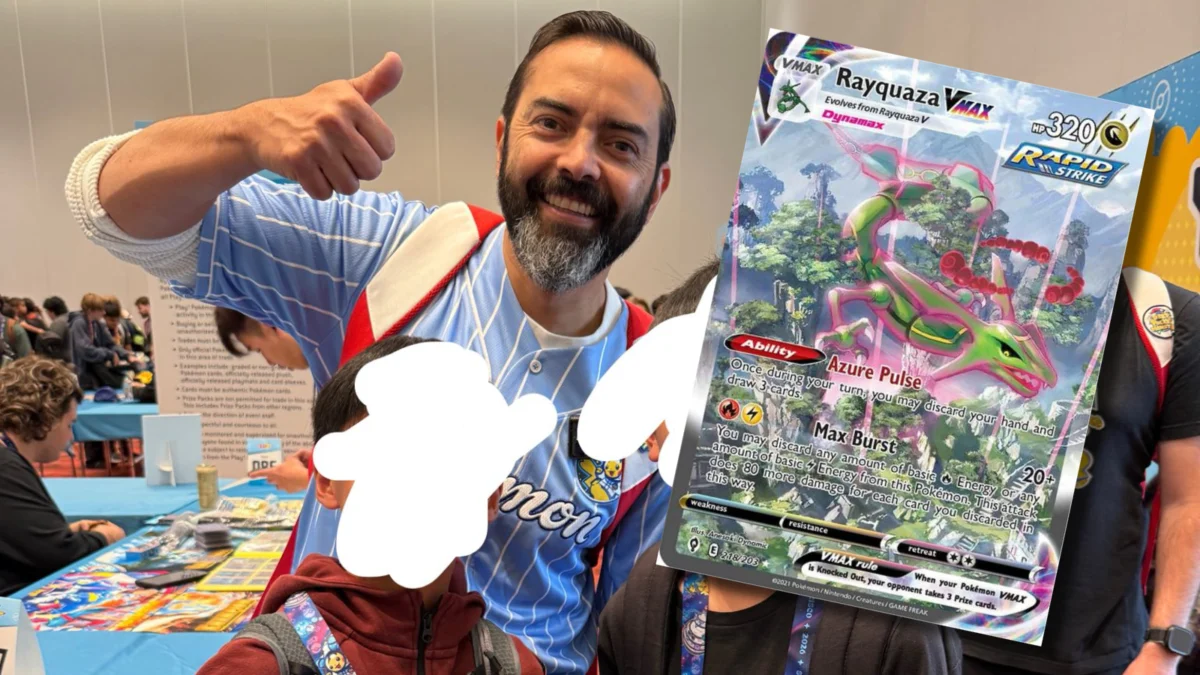
The card in question was a highly coveted PSA 9-graded Rayquaza VMAX #218 from the Evolving Skies expansion. For a young collector, such an item represents the pinnacle of their efforts, often representing hundreds of hours of work and financial sacrifice. The loss of such a prized possession, particularly under deceptive circumstances, left the young boy devastated.
"My son got scammed big time in a trade at Pokémon XP," Bahn wrote in his initial post. "Lost his most valuable cards in a fraudulent trade by some guy in a booth. Very tough lesson for him. Sucks to see an adult take advantage of a child."
Chronology of the Fraud and Aftermath
The timeline of the event highlights the speed at which a positive day at a convention can turn sour.
- 10:45 AM, August 29: The alleged trade took place on the second floor of the Moscone South facility. Bahn identified the location as "Booth 87," though official verification of the booth’s operator remains pending.
- Post-Event Discovery: Upon realizing the nature of the transaction, the family attempted to seek recourse. Bahn returned to the venue, hoping to review security footage or engage with event organizers to identify the individual responsible.
- Institutional Hurdles: Despite the severity of the claim, Bahn noted that the assistance provided by on-site staff was minimal, leaving the family with little immediate path toward restitution.
- Community Amplification: By the afternoon of August 30, Bahn’s social media posts had gained significant traction, drawing the attention of both casual collectors and influential industry personalities.
The Young Collector’s Perspective
Perhaps the most poignant aspect of this story is not the loss of the Rayquaza, but the reaction of the child himself. Despite the pain of the experience, the young victim expressed a desire to protect others from falling into similar traps.
"Please stop hurting children," the boy’s message, as relayed by his father, served as an indictment of the behavior exhibited at the convention. The child’s primary concern, according to his father, was not just the recovery of his assets, but the preservation of trust within the hobby. He remained adamant that he did not want other young fans to lose faith in the community simply because of one individual’s predatory conduct.
A Surge of Support: The "Deep Pocket Monster" Effect
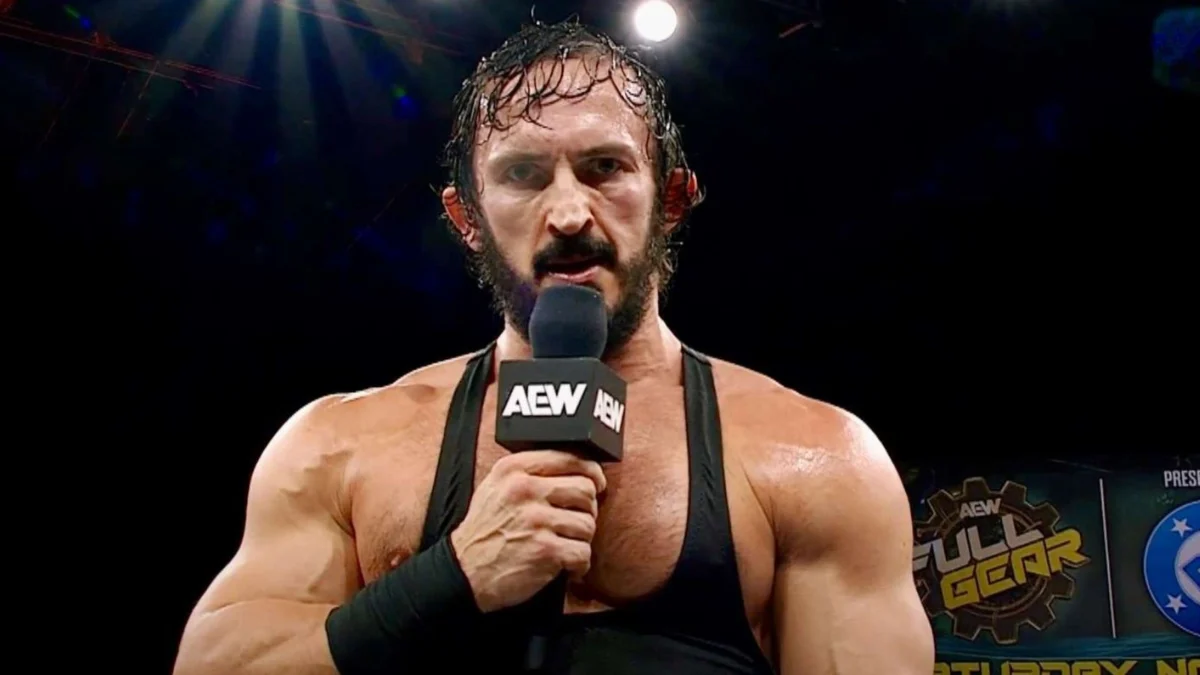
As news of the scam traveled, the Pokémon community began to mobilize. Pat Flynn, known to millions as the YouTuber "Deep Pocket Monster," was among the first to offer tangible assistance. Flynn, who has gained a reputation as a consumer advocate within the TCG space—notably for his investigations into counterfeit products sold through major retailers like Walmart—reached out to the family directly.
"Dude, I read the thread of what happened. I’m so sorry about what happened. I’ll reach out to you via DM; I’d love to help out," Flynn wrote.
The irony of the situation was not lost on the family; earlier that same day, the boy had met Flynn, an experience that had initially been the highlight of his convention trip. That the creator he admired would later reach out to mitigate the damage caused by a scammer speaks to the interconnected nature of the modern hobby.
Broader Industry Response and Solidarity
The response was not limited to Flynn. Collectors from across the globe began offering cards, packs, and personal messages of encouragement to the young victim.
Collector @jackshitaum, who recounted his own childhood experience of being scammed while collecting Yu-Gi-Oh!, offered to send a graded card and several sealed packs to help rebuild the boy’s collection. While Bahn initially expressed hesitation about accepting such generous gifts from strangers, the gesture highlighted a "pay-it-forward" culture that defines the collecting community.
Other notable responses included:
- JesterJum: An enthusiast who pledged to check his personal collection to see if he possessed the specific Rayquaza card to send to the boy.
- Industry Insiders: Sonoroman, a Premier Event Manager for Pokémon in Latin America and Oceania, reached out via his personal account, promising to have something waiting for the child should the family return to future events.
These responses serve as a buffer against the negative experience, effectively "crowdsourcing" a resolution for the victim.
Implications for Future Conventions
This incident raises critical questions regarding the safety and security of trading areas at large-scale TCG conventions. As the value of vintage and rare cards continues to climb, these events are becoming increasingly lucrative targets for bad-faith actors.
Security and Supervision
The fact that an adult was able to target a child at a high-traffic event like Pokémon XP suggests that organizers may need to reconsider the design of "open trading" zones. Future events may require:
- Enhanced Monitoring: Dedicated staff or volunteer monitors in trading areas to ensure that exchanges involving minors are conducted ethically.
- Age-Verification Protocols: Implementing guidelines or zones where adult-to-minor trades must occur under the supervision of parents or event officials.
- Blacklisting Processes: Creating a formal mechanism for reporting and banning individuals who engage in predatory or fraudulent behavior, ensuring they are not permitted to operate booths or attend future sanctioned events.
The Responsibility of the Community
The incident has sparked a necessary conversation about the "duty of care" that established collectors owe to the next generation. The Pokémon TCG is largely sustained by its younger demographic; if these events become environments where children feel unsafe or discouraged, the long-term viability of the hobby could be at risk.
A Global Pattern of Concern
The scam at Pokémon XP is unfortunately not an isolated incident. The high stakes of the secondary market have created a "Wild West" environment where predators feel empowered to exploit the naivety of younger fans.
Earlier this month, a report emerged regarding an 11-year-old in Thailand who was defrauded of over $30,000 (1 million Baht) in a complex, high-value trade scam. As these stories continue to surface, the demand for better regulation, increased education for young collectors, and more robust intervention from event organizers has reached a fever pitch.
Conclusion: Lessons Learned
While the whereabouts of the original Rayquaza VMAX remain unknown, the story of this young collector has shifted from one of loss to one of community resilience. The outpouring of support from figures like Deep Pocket Monster and the broader collecting community serves as a reminder that the values of the Pokémon hobby—friendship, fair play, and sportsmanship—are still held by the majority.
As Eric Bahn noted in his final gratitude post, the kindness shown by complete strangers reminded him that "most people are good." However, the industry must now grapple with how to ensure that the "bad actors" are effectively sidelined, ensuring that the next generation of Pokémon masters can enjoy the game without the shadow of exploitation hanging over their collections.
For now, the young fan has received more than just potential replacement cards; he has received a validation of his passion and a powerful lesson in how a community can come together to correct a wrong.