Raul Delapena Setiawan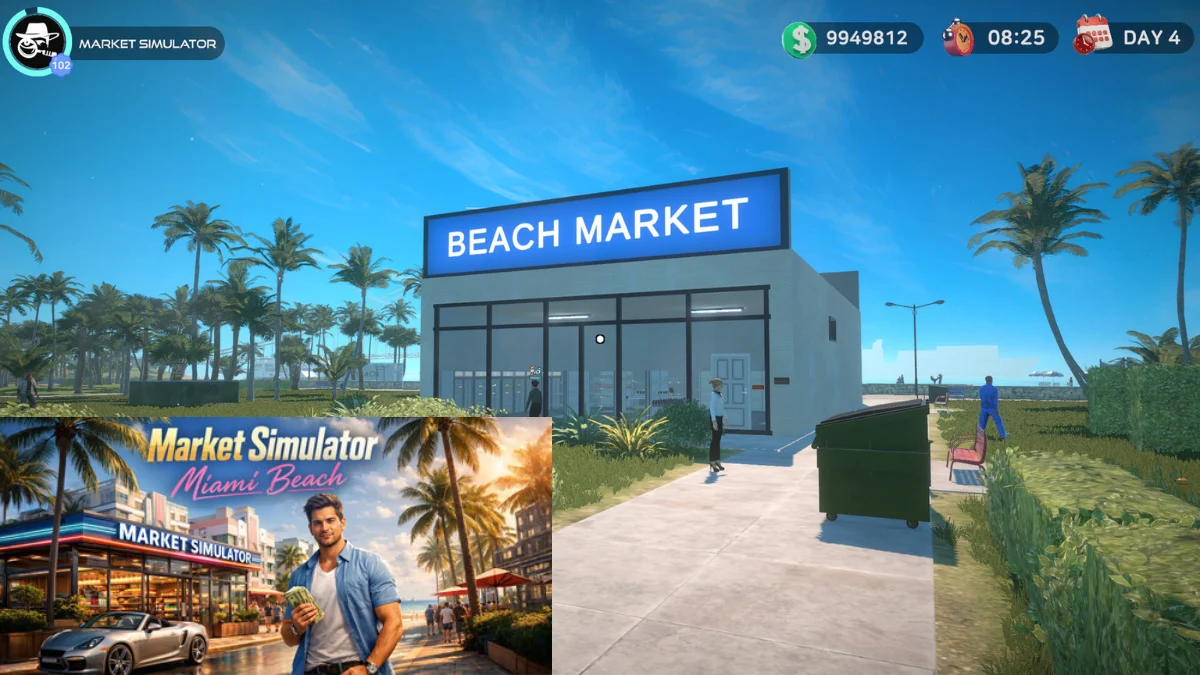
Every Monday morning, the ritual begins. I open the Steam storefront, navigate to the "New Releases" tab, and begin to scroll. For over a decade, this has been my favorite way to take the pulse of the industry. It is a digital excavation—a method to bypass the curated, algorithmically-driven front page and stumble upon the raw, unfiltered creativity of the indie scene. It is where you find the niche gems, the bizarre passion projects, and the genuine experiments that define the medium’s fringes.
But in 2026, the texture of this discovery process has fundamentally shifted. The "raw" list is no longer just a collection of earnest indie developers and experimental art games. It is increasingly a swamp of low-effort, AI-generated churn—a phenomenon that threatens to bury the very spirit of discovery that makes the PC gaming ecosystem unique.
The Death of the "Garage" Aesthetic
Historically, Steam’s bottomless well of new releases was a chaotic delight. For every polished roguelite or metroidvania, you would find the delightfully strange: games like Milk inside a bag of milk inside a bag of milk or the irreverent, blunt titles that serve as a testament to the unbridled freedom of the platform. These were authentic, human-made products of varying quality, but they all possessed a distinct identity.

Today, that landscape is being colonized by what many users have begun to call "slop." This content is characterized by a specific, uncanny visual language. It is the product of generative AI, used not as a creative tool, but as a shortcut to bypass the most fundamental hurdle of indie development: creating an appealing storefront presence.
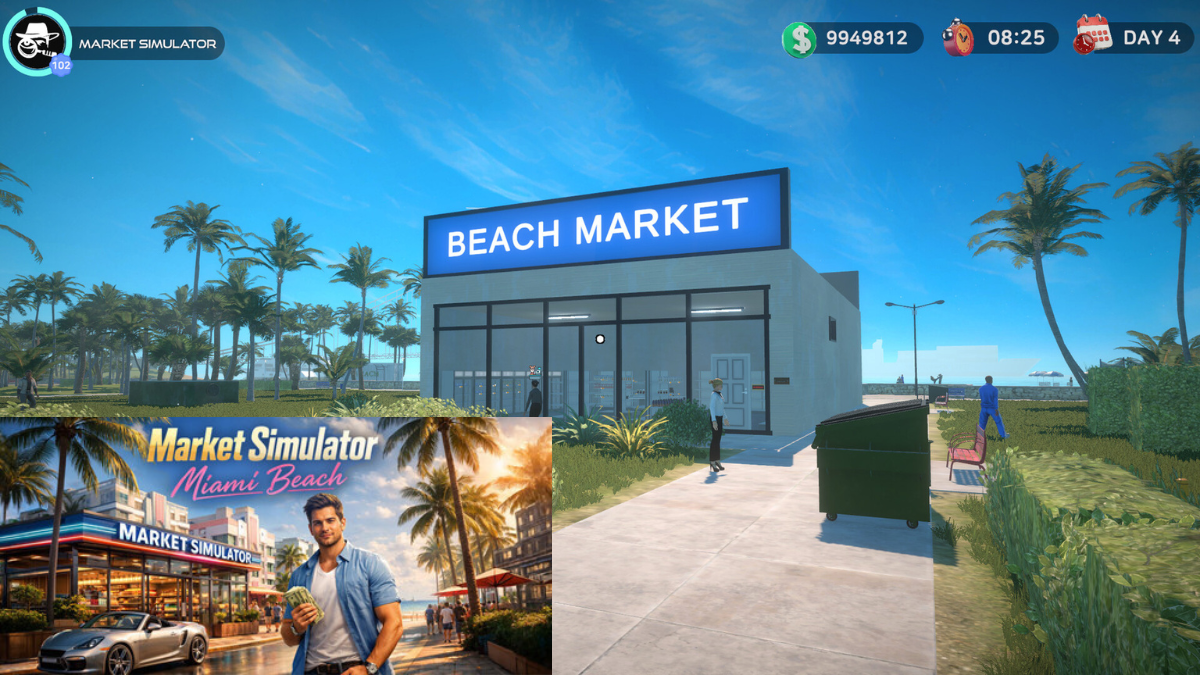
As I noted last week, over 120 games in a single seven-day period carried AI disclosures on their store pages. Even without the label, the visual evidence is damning. Titles like Store Simulator Pettikkada and Chiggas – Survival of the Mitiest feature capsule art that screams "generative." Pettikkada mimics the high-gloss, semi-realistic aesthetic of Grand Theft Auto loading screens, while Chiggas leans into a distorted, wide-eyed "Pixar-lite" style that has become the default setting for entry-level generative models.
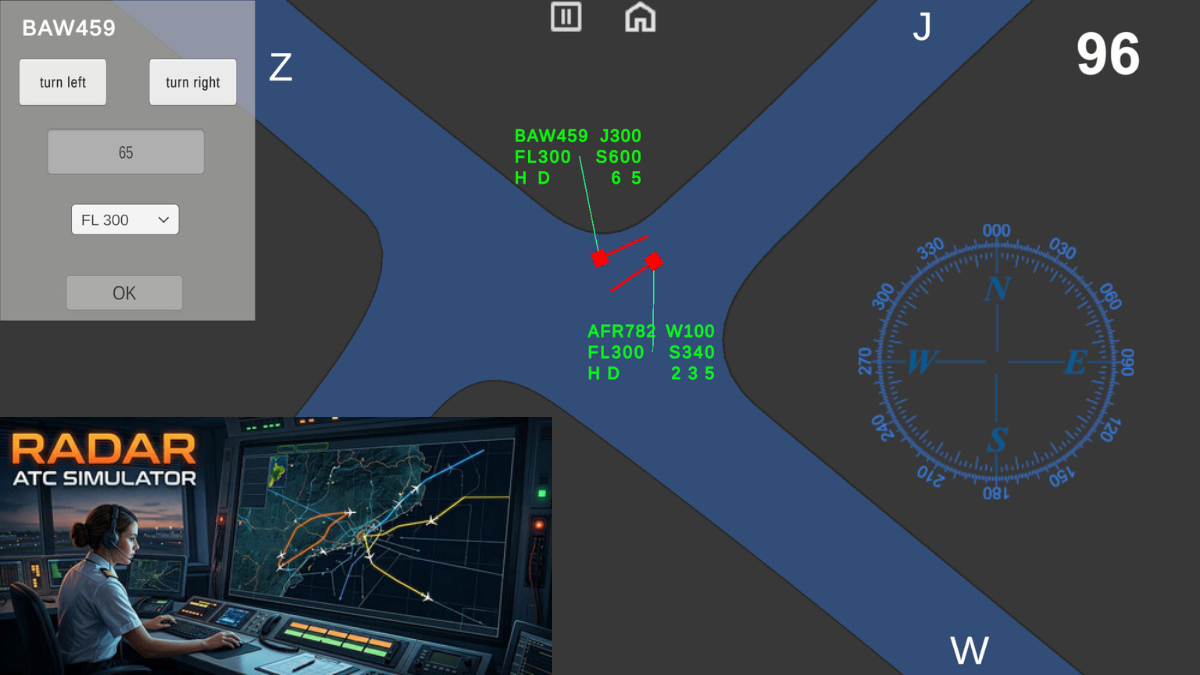
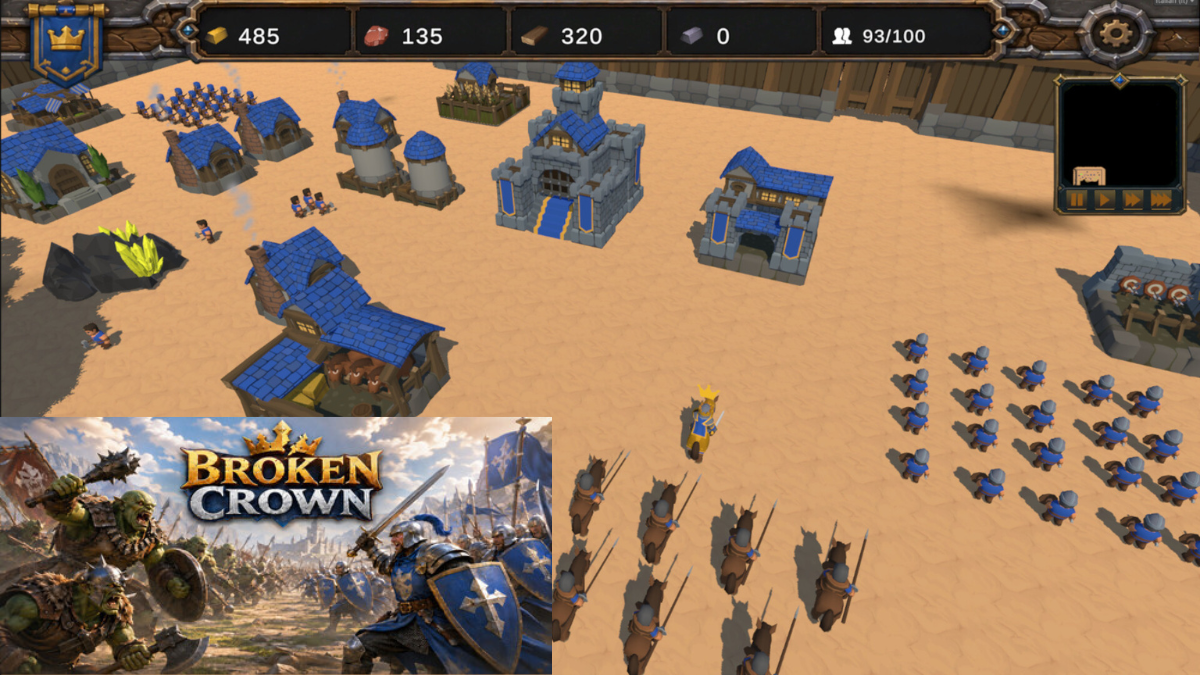
When you click through to these store pages, the illusion collapses. The disconnect between the professional-looking, AI-generated capsule art and the rudimentary, low-poly, or asset-flipped screenshots inside is staggering. It is a bait-and-switch that has become the new standard for a certain tier of low-effort publisher.

A Historical Parallel (And Why This Time is Different)
Critics might argue that "misleading box art" is as old as the medium itself. We all remember the dramatic, hand-painted covers of Atari 2600 games that bore zero resemblance to the flickering blocks on our CRT televisions. Even the iconic cover of Doom (1993) featured a space marine battling a demon in a way that the pixelated software of the time could never replicate.
However, the difference today lies in the intent and the scale. Traditional box art was aspirational; it was a human artist’s interpretation of the game’s themes. Modern AI-generated capsule art is transactional and detached. It is not designed to convey atmosphere or artistic intent; it is designed to exploit the human eye’s tendency to pause on "clean" or "polished" imagery while scrolling through a list. It is, in every sense, a digital camouflage.
These images are clinical, affectless, and chillingly inhuman. They exist solely to fill space and harvest clicks from unsuspecting users. When a developer uses generative AI to build a false sense of professionalism, they are not just taking a shortcut—they are actively polluting the discoverability of genuine, hardworking developers.
Supporting Data: The Steam Revenue Landscape
To understand the impact of this trend, we must look at how the store is performing. The following table illustrates the top-selling games for the week of June 9–16, 2026. While blockbusters and live-service giants still dominate, the mid-tier is becoming increasingly volatile.
| Rank | Game |
|---|---|
| 1 | Counter-Strike 2 |
| 2 | Meccha Chameleon |
| 3 | Destiny 2 |
| 4 | Forza Horizon 6 |
| 5 | Steam Deck |
| 6 | Path of Exile 2 |
| 7 | EA Sports FC 26 |
| 8 | Marvel Rivals |
| 9 | Wuthering Waves |
| 10 | Destiny 2: The Final Shape (Renegades) |
The most notable outlier here is Meccha Chameleon, a multiplayer hide-and-seek title that has seen explosive growth. It stands as a reminder that the "indie dream" is still alive, but it is becoming harder to spot. Its creator, Lemorion, has been remarkably prolific, releasing six games since late 2024. Success on Steam remains a mixture of luck, timing, and genuine viral potential, but the sheer volume of "noise" makes it harder for titles like Meccha Chameleon to rise to the surface without a massive marketing push or a stroke of good fortune.
The Implications for the Ecosystem
The rise of AI-generated content has profound implications for the future of Steam.
1. Erosion of Consumer Trust: When users consistently click on promising-looking capsules only to be met with low-effort "slop," they eventually stop looking at the new release list altogether. This is already happening; the "discovery" phase of the Steam experience is being abandoned in favor of algorithmic recommendations, which only show you what you already like, further narrowing the scope of the industry.
2. The Discovery Gap: If a user’s new favorite game remains buried under a mountain of "Vape Store Simulators" and "Total Simp Death" clones, that game dies on the vine. We are moving toward a bifurcated market: massive AAA titles that own the front page, and a sea of automated trash. The "middle class" of indie development—games that are made with care but lack the budget for marketing—is being squeezed out of existence.
3. The Platform Responsibility: Valve has historically maintained a "hands-off" approach to store curation, preferring to let the market decide. However, the sheer volume of low-quality, AI-generated content represents a form of market manipulation. It is not about protecting "good" art; it is about preventing the store from becoming a graveyard of broken links and empty promises.
Will Valve Intervene?
There is a growing expectation among the community that Valve must implement better filtering tools. Currently, the store allows for some granular filtering, but it is not enough to account for the specific, uniform aesthetic of AI-generated assets.
Is it reasonable to ask for a "No AI" filter? In an era where AI-assisted development is becoming legitimate—with many developers using AI to speed up background asset creation or texture generation—a blanket ban is unlikely. However, there is a clear distinction between an AI-assisted workflow and a business model predicated on using AI to deceive potential customers.
It is difficult to believe that Valve, with its sophisticated data analytics and internal store monitoring, is unaware of the shift. The "uglification" of the Steam store is not just a aesthetic concern; it is a long-term threat to the platform’s health.

Conclusion: A Call for Curation
As we look toward the remainder of 2026, the question is not whether AI will be used on Steam—it already is, and it isn’t going away. The question is whether the storefront can adapt to maintain its status as a vibrant hub of human expression.
If we allow the "raw" discovery list to be consumed by, as user BigFloppa332 so elegantly put it, "Slop," then we lose one of the most important aspects of PC gaming: the ability to find the unexpected. The industry needs a filter, a way to distinguish between the work of a human who cares about their craft and the output of a prompt-engineered assembly line. Without it, the "new release" list will cease to be a place of discovery, and will instead become a wasteland of digital debris that even the most dedicated enthusiast will eventually choose to ignore.


 Asro
Asro
 Muslim