Christopher Nolan has long been a filmmaker fascinated by the mechanics of time, the weight of legacy, and the moral ambiguity of human ambition. Following his exploration of the harrowing endurance of the Second World War in Dunkirk and the existential dread inherent in the dawn of the nuclear age in Oppenheimer, Nolan has turned his lens toward the bedrock of Western literature: Homer’s The Odyssey. However, those expecting a straightforward, heroic adaptation of the Greek epic will find themselves confronted by a starkly different, deeply unsettling vision of ancient history.
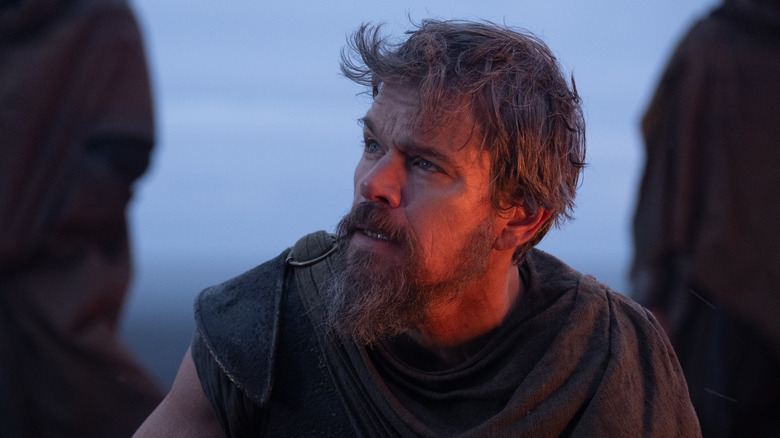
In this bold new cinematic interpretation, Nolan suggests that the story of Odysseus (played by Matt Damon) is not one of triumphant homecoming, but a profound meditation on the corrosive nature of warfare and the inescapable burden of guilt. By shifting the narrative framework, Nolan transforms a foundational myth of Western civilization into a bleak cautionary tale about the human cost of glory.
The Chronology of a Shattered Epic
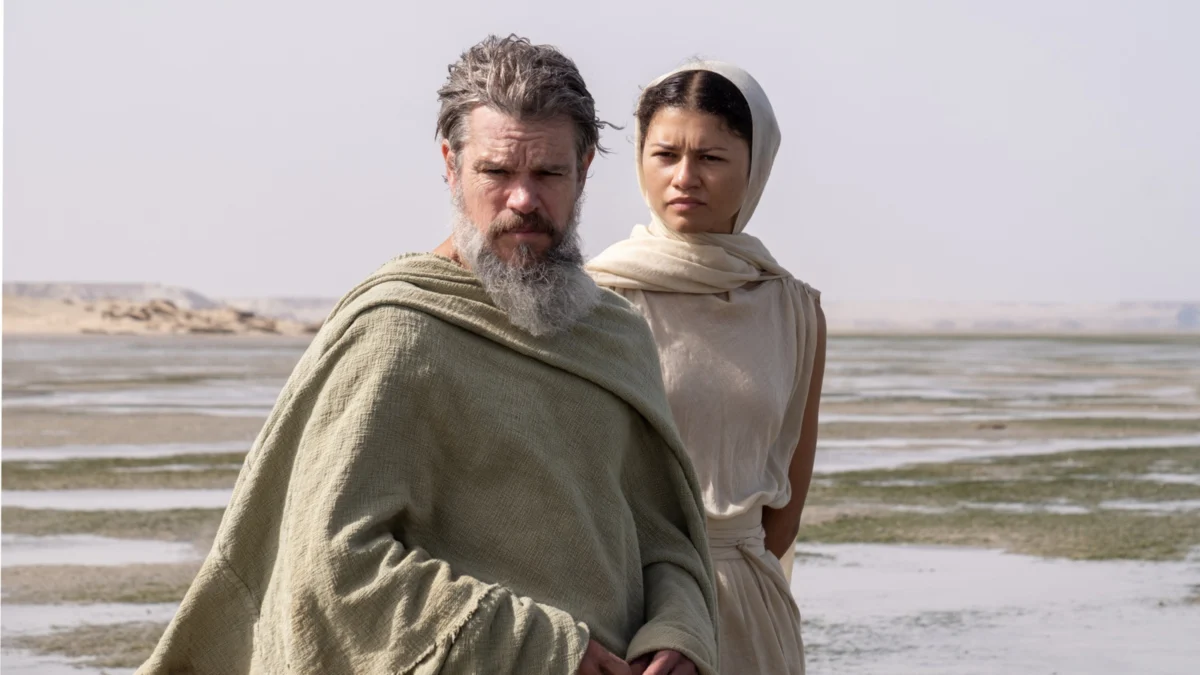
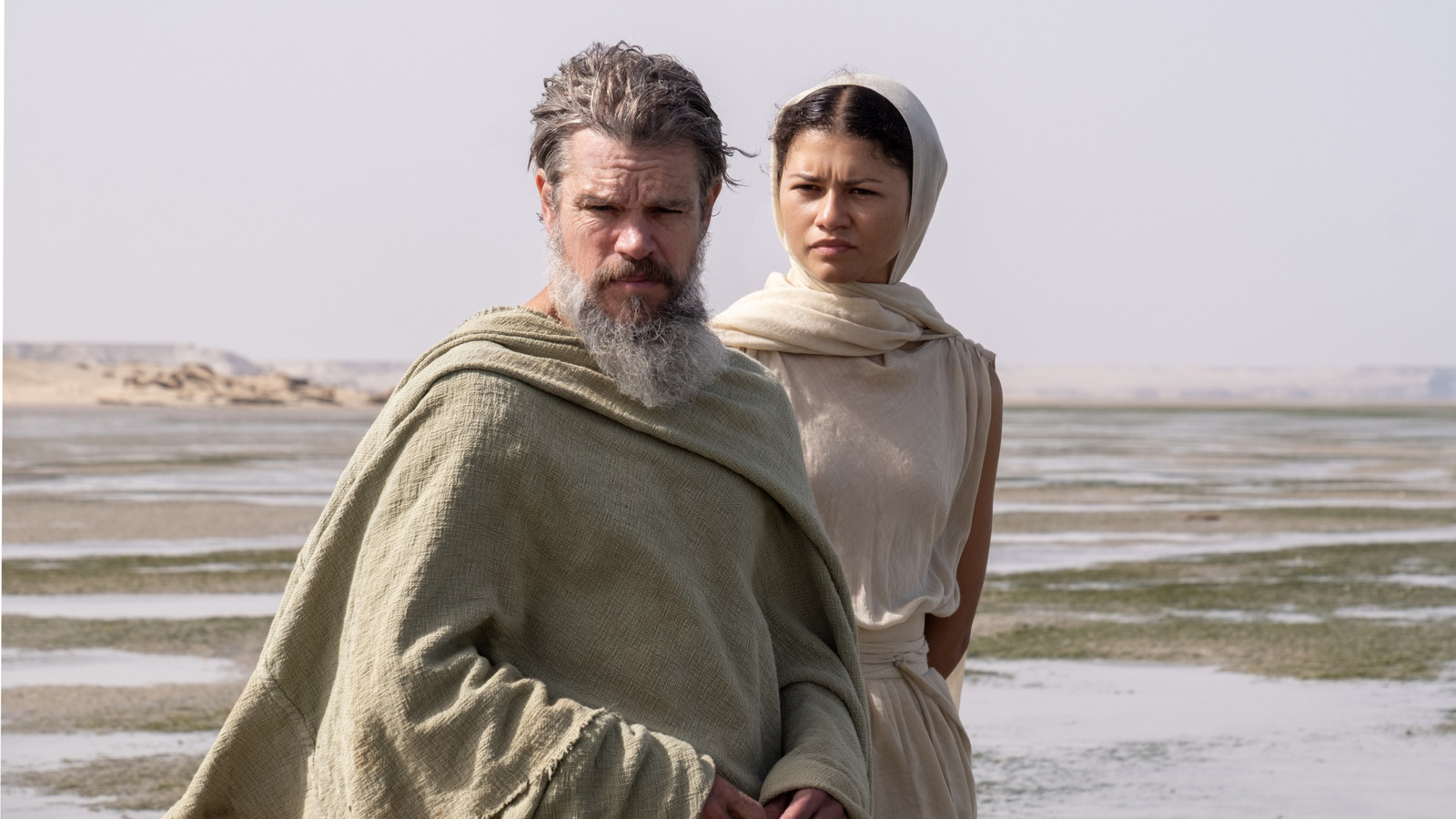
Nolan’s The Odyssey adheres to the structural beats of Homer’s original poem, yet it recontextualizes every event through the lens of trauma and post-war disillusionment. The film follows the familiar arc: Odysseus leaves the ruins of Troy, eager to return to his wife, Penelope (Anne Hathaway), and his throne in Ithaca. Along the way, he encounters the classic obstacles: the man-eating Cyclops, the sorceress Circe (Samantha Morton), and the eight-year captivity on the island of Calypso (Charlize Theron).
However, the film’s pacing is dictated not by the excitement of adventure, but by the relentless intrusion of memory. As Odysseus drifts through the Aegean, he is haunted by flashbacks of the Trojan War. These are not nostalgic recollections of valor; they are visceral, terrifying glimpses of carnage. The film treats the "glory" of the Greeks as a veneer, beneath which lies a horrifying reality of slaughter and moral decay.
The final act, usually reserved for the cathartic slaughter of the suitors (led by Robert Pattinson), is stripped of its traditional heroic satisfaction. In Nolan’s version, the infiltration of the palace is shot with the cold, mechanical precision of an execution. The return of the king is not a restoration of order, but a reminder that the protagonist has brought the violence of the battlefield back into the domestic sphere, poisoning the very home he fought so long to protect.
Supporting Data: Thematic Synthesis and Cinematic Evolution
To understand the shift in Nolan’s perspective, one must look at the thematic bridge he has built between his recent works. Dunkirk (2017) focused on the technical and logistical triumph of survival, treating the war as a vast, complex machine. Oppenheimer (2023) marked a turning point, where the obsession with scientific achievement collided with the catastrophic reality of a weapon that could end the world.
The Odyssey serves as the final piece of this informal trilogy. Through the character of Odysseus, Nolan draws a direct line between the Trojan Horse and the atomic bomb. Both are presented as "brilliant tactical maneuvers"—the ultimate examples of ingenuity—that result in unimaginable, indiscriminate death.
In the film, a critical, non-canonical character, Sinon (Elliot Page), serves as the voice of the forgotten soldier. Borrowed from Virgil’s Aeneid, Sinon is a man whose death was an intentional sacrifice by the Greek command, including Odysseus. When Odysseus encounters Sinon in the land of the dead, the conversation is not about his heroism, but his complicity. Sinon forces the audience to acknowledge that the "hero" of the epic is, in reality, a mass murderer who justified the death of women, children, and his own men in the pursuit of a vanity project disguised as destiny.
Official Creative Intent: Challenging the Hero Narrative
While the studio and producers have remained largely focused on the film’s technical achievements—such as the massive scale of the practical sets and the immersive sound design—Nolan’s own interviews suggest a desire to deconstruct the "hero" archetype that has persisted for millennia.
"We treat these stories as myths," Nolan noted during recent press junkets, "but we rarely treat the people within them as human beings capable of profound moral failure."
The film’s portrayal of the gods, specifically Athena, is equally subversive. Rather than a guiding hand of wisdom, the divine influence is depicted as a cold, indifferent force that demands blood. The moment the statue of Athena is decapitated in the film serves as a potent visual metaphor: the old idols of war have been rendered obsolete by the sheer, ugly reality of the death they inspire.
Implications: A New Lens on the Ancient World
The implications of Nolan’s The Odyssey are significant, both for cinema and for cultural literacy. By framing Odysseus as a "guilty, shame-riddled failure," the film challenges the modern audience’s tendency to romanticize the ancient world.
1. The Myth of the War Hero
Nolan argues that "war hero" is an oxymoron. Throughout the film, characters like Circe and Sinon dismantle the pride Odysseus takes in his status. When Circe transforms his men into pigs, she is not merely acting as a villain; she is revealing their true nature as creatures driven by violent, base impulses. The implication is that the war did not forge heroes; it broke them.
2. The Futility of the Return
In Homer’s version, the homecoming is the ultimate goal. In Nolan’s version, it is an anticlimax. The violence Odysseus exerts against the suitors is portrayed as the final, desperate act of a man who has lost his capacity for peace. When he finally stands before Penelope, the triumph is hollow. He has returned to a home that is no longer his, burdened by a conscience that will never be clean.
3. The Cycle of Violence
The film concludes on a chilling note: the suggestion that no lessons will be learned. The stories of triumph will continue to be told, burying the reality of the terror beneath layers of myth and legend. This serves as a direct critique of our own society, suggesting that we, like the characters in the film, continue to celebrate the "brilliant" strategies of conflict while ignoring the human cost.
Conclusion: The Burden of Legacy
Christopher Nolan’s The Odyssey is not an easy watch. It is a dense, philosophical, and often grim examination of why we tell stories about war and why we insist on calling the architects of that war "heroes."
By ending the film with a sense of defeat rather than completion, Nolan has done what many thought impossible: he has made the ancient world feel immediate, dangerous, and deeply relevant to our current global climate. As the credits roll, the audience is left not with the satisfaction of a story well-told, but with the haunting realization that the "Odyssey" we thought we knew was merely the propaganda of the victor. In this version, the only thing Odysseus truly brings home is the war itself, trapped within the corridors of his own mind.
For a director known for his grand spectacles, this quiet, devastating character study may well be his most impactful work yet. It is a film that refuses to let the viewer off the hook, forcing us to reconcile our love for the epic with the reality of the violence required to create it.