In the ever-evolving landscape of global comics, few crossovers have been as intriguing or as culturally significant as the collaboration between Marvel Entertainment and the Korean digital platform Daum. The result of this partnership, Avengers: Electric Rain, serves as a landmark moment where the storied legacy of American superhero tropes collided with the vibrant, scrolling aesthetics of the Korean manhwa tradition. Featuring the artistic vision of Younghoon Ko, the series did more than just relocate the Avengers to Seoul; it redefined how a legacy franchise could be localized for a digital-first international audience.
Main Facts: The Genesis of a Korean-Marvel Fusion
Avengers: Electric Rain represents a unique experiment in cross-media licensing. By partnering with Daum, one of South Korea’s most prominent web portal services and digital comic publishers, Marvel sought to capture the growing "webtoon" demographic—a market characterized by vertical-scrolling, color-saturated, and highly accessible digital storytelling.

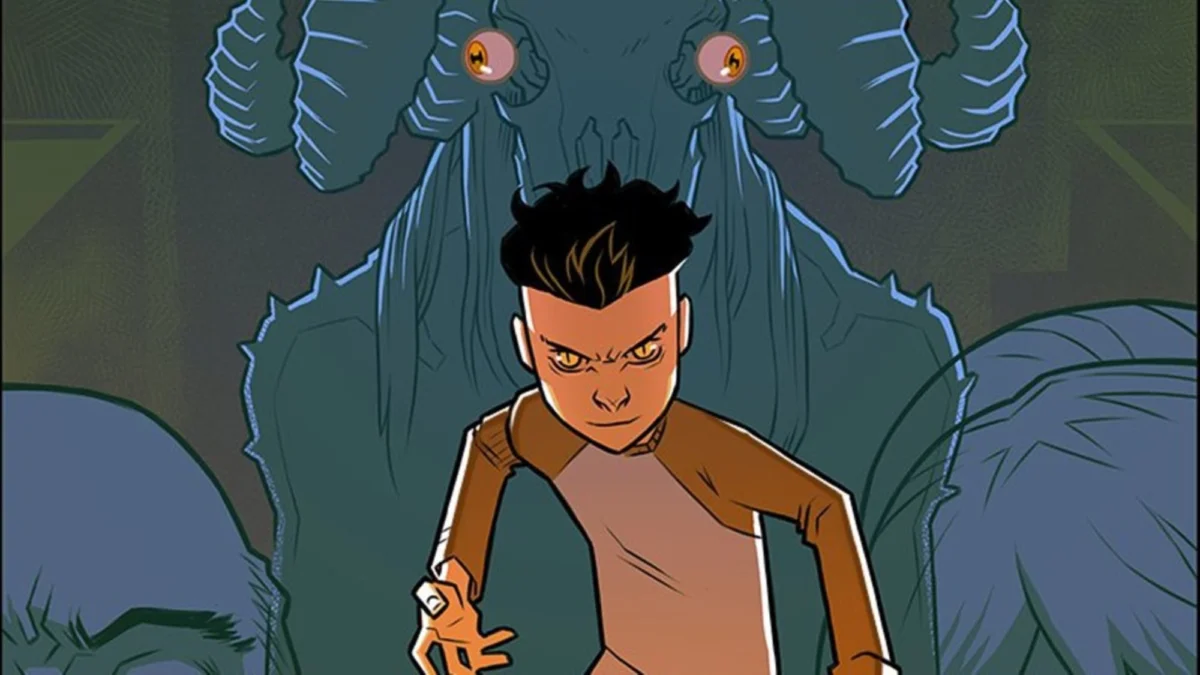
The series is not merely a translation of existing American stories; it is an original, Korea-centric narrative. The plot situates the Avengers within the bustling, neon-lit landscape of modern-day Seoul. Perhaps most importantly, the series introduces a brand-new character specifically designed to integrate into the Korean cultural context. This character, built to navigate the unique challenges of the Korean setting, acts as a bridge between the classic Marvel Cinematic Universe (MCU) archetypes and the specific sensibilities of the Korean audience.
Younghoon Ko, the primary artist behind the project, was tasked with the daunting challenge of maintaining the visual fidelity of iconic characters like Iron Man, Captain America, and Thor, while adapting them to the fluid, fast-paced artistic style common in successful webtoons.

Chronology: From Concept to Digital Publication
The project began as an initiative to expand Marvel’s footprint in Asia, specifically targeting the tech-savvy South Korean market. By 2014, the popularity of webtoons had exploded, with platforms like Daum and Naver setting the standard for how comics were consumed on mobile devices.
- Early 2014: Marvel and Disney Korea initiate discussions with Daum regarding the development of a localized webtoon. The goal is to leverage the immense popularity of the Avengers film franchise, which had already established a massive fanbase in Korea.
- Mid-2014: Younghoon Ko is tapped as the lead artist. Unlike traditional monthly print comics, Electric Rain requires a production schedule that accommodates the serialized, weekly nature of the webtoon format.
- September 2014: The series officially launches on the Daum webtoon portal. It is met with immediate curiosity from both domestic fans and international observers, who noted the shift in tone compared to traditional American comic book aesthetics.
- Late 2014: The series matures, with the narrative focusing on the interplay between the Avengers and the new, Korea-specific character, marking a successful integration of East-meets-West character design.
Supporting Data: The Anatomy of a Webtoon
To understand the significance of Avengers: Electric Rain, one must understand the format. Webtoons are fundamentally different from print comics in several key ways:

- Vertical Scrolling: The narrative is designed to be read on a smartphone. This dictates the flow of the art, replacing the traditional multi-panel page layout with a continuous, downward-scrolling experience that creates a cinematic "pacing" unique to the medium.
- Color Palette: Unlike the four-color process or specific ink-and-wash styles of American comics, webtoons utilize vibrant, digital-first color palettes. Electric Rain leaned into this, utilizing neon blues, electric purples, and high-contrast lighting to capture the "electric" feel of the title.
- Digital Accessibility: By housing the series on Daum, the barrier to entry was essentially zero. Readers could access high-quality superhero content for free, supported by the portal’s ad-revenue model, which contrasts sharply with the direct-market, physical-store model of the United States.
The collaboration was a strategic maneuver by Disney Korea to ensure that the Marvel brand was not just "present" in the region, but "native." By utilizing a Korean creator and a Korean platform, they avoided the pitfalls of "foreign" content feeling disconnected from the local zeitgeist.
Official Responses: The Marvel Editorial Perspective
The announcement and subsequent release of the series prompted a flurry of promotional content from Marvel’s editorial team. High-ranking executives, including CB Cebulski, Axel Alonso, Tom Brevoort, Ellie Pye, Jordan White, and Nick Lowe, participated in various promotional videos and press junkets.

In these promotional materials, the executives often expressed a mix of genuine excitement and playful humility. The language barrier became a recurring theme; while the Marvel team spoke about the series in English, they made earnest, if occasionally humorous, attempts to engage with the Korean language. These videos served as a public relations bridge, demonstrating that Marvel’s top talent was invested in the success of the project, even if they were out of their linguistic comfort zone.
However, the real star of the promotional cycle was Younghoon Ko. When comparing the stiff, slightly awkward corporate promotion of the Western editors with the fluid, dynamic, and professional artistic updates provided by Ko, it became clear that the project’s success rested on the shoulders of the local talent. Ko’s ability to take the rigid, bulky armor of Iron Man and make it look like a sleek, high-tech piece of modern Korean engineering was widely praised by digital comic critics.

Implications: The Globalization of Superhero Narratives
The legacy of Avengers: Electric Rain extends far beyond its initial run. It provided a roadmap for how major intellectual properties (IPs) could be adapted for regional markets without losing the core identity of the characters.
A New Model for Localization
Before Electric Rain, "localization" often meant translating the text and keeping the art identical. This project proved that for a medium as visual as comics, true localization requires a change in form. The shift to a vertical, scrolling format showed Marvel that they didn’t just have to sell books; they had to sell an experience that fit into the user’s mobile-first lifestyle.

The Rise of the "Regional" Avenger
The introduction of a new character created specifically for the Korean market opened the door for similar initiatives elsewhere. It challenged the notion that the Avengers team is static and immutable. By demonstrating that an original character could stand alongside Captain America and Thor in a canonical-adjacent webtoon, it paved the way for more diverse, globally-representative characters in the mainstream Marvel Universe.
Impact on the Webtoon Industry
For the Korean industry, the involvement of a titan like Marvel served as a massive validation. It proved that the webtoon format was a legitimate and high-value platform for global IP. This helped accelerate the international expansion of platforms like Naver Webtoon and Tapas, as major media companies began to recognize that the digital-scrolling format was the future of visual storytelling for younger generations.
Conclusion
Avengers: Electric Rain remains a fascinating footnote in the history of Marvel Comics. It was a bridge between two worlds: the traditional, print-heavy, continuity-obsessed world of American superheroes, and the fast-paced, mobile-native, and visually experimental world of Korean webtoons.
While the editorial team at Marvel may have struggled with the Korean language, the work of Younghoon Ko spoke a universal language of high-stakes action and dynamic character design. The project taught the industry that if you want to reach a global audience, you cannot simply export culture; you have to invite local creators to pick up the brush and reimagine your icons for their own world. Today, as webtoons continue to dominate the global digital landscape, the experiments started by Electric Rain look less like a niche project and more like a visionary blueprint for the future of entertainment.