

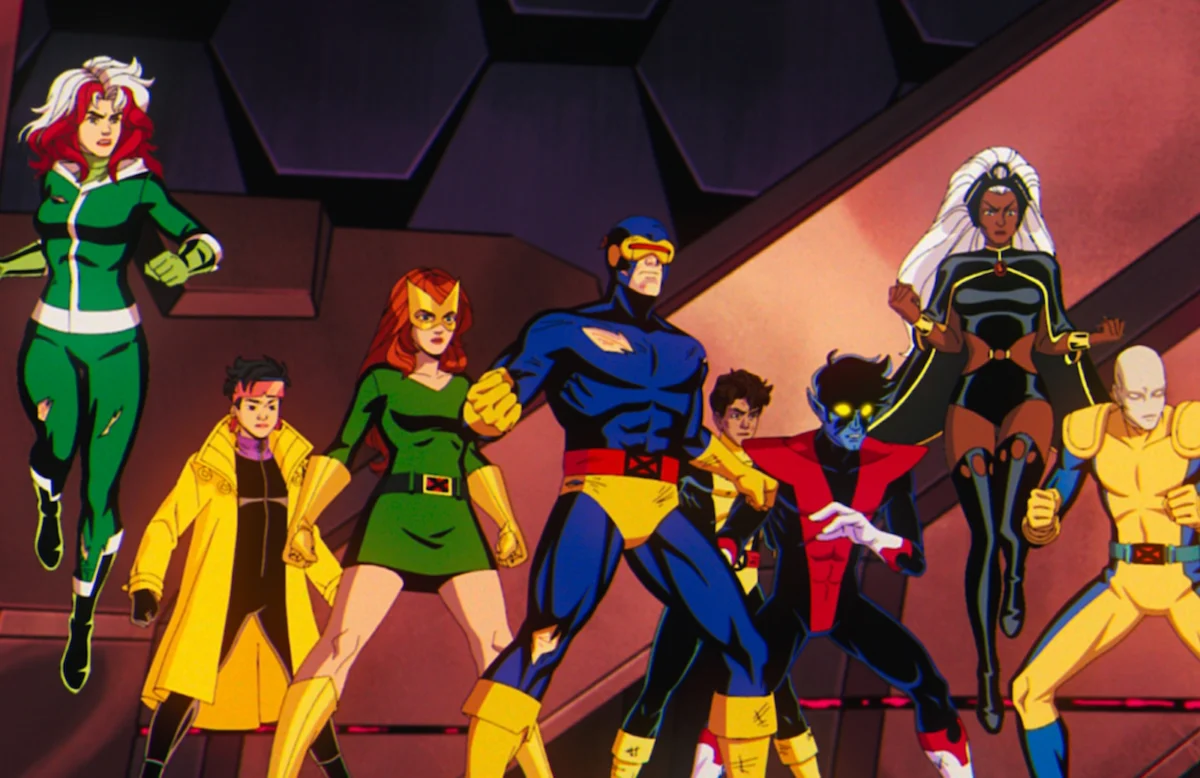
For millions of fans, the opening synthesizer riff of the original 1992 X-Men: The Animated Series is more than just a catchy melody—it is a cultural touchstone. When Marvel Animation announced the revival of the series in the form of X-Men ’97, the pressure on the creative team was immense. Among the most daunting tasks was the musical score, specifically the need to thread a "difficult needle": paying homage to a beloved, nostalgia-soaked theme while simultaneously carving out a modern, distinct sonic identity for a new generation.
Tasked with this monumental challenge were The Newton Brothers—the composing duo of John Andrew Grush and Taylor Newton Stewart. Known for their collaborative work with director Mike Flanagan and their recent foray into the Marvel Cinematic Universe with Daredevil: Born Again, the duo approached the project with a reverence for the source material and a rigorous, iterative process that pushed the boundaries of traditional television scoring.
The Crucible of Composition: Iterating a Legacy
The journey to the final X-Men ’97 theme was not a straight path. According to Grush, the duo’s first instinct was to deconstruct the original composition to its core elements.
"The first thing we always do, whether it’s covering something or being inspired by something, is to learn it—just straight up learn how to play it, so that we can play the whole thing exactly as is," Grush explained in a recent interview. "From there, it becomes this process of trying a variety of things. And for this theme, it was really important to us that we didn’t screw it up, especially for ourselves, because we really both enjoyed the show when it was out."
The result of this perfectionism was a prolific output. The Newton Brothers developed nearly a dozen distinct versions of the theme, each exploring a different tonal landscape. The spectrum of these experiments included a melancholic, piano-only rendition; a high-energy, hyper-synth version; a sweeping, all-orchestral arrangement; and a choral-focused iteration.

Ultimately, the team settled on a hybrid approach. While they presented four specific versions to the Marvel creative team, the final selection utilized a blend of these textures. The slow, piano-only version, originally intended as a theme experiment, found a new life as a recurring emotional motif, most notably serving as the haunting accompaniment to the death of Gambit in the show’s first season.
The Nuance of Sound: Vocals and Instrumentation
As the series progressed into its second season, the sonic palette expanded. The Newton Brothers found that their use of vocals—whether via a full choir or solo soprano performances by assistant Lily Marlovits—became a critical tool for grounding the show’s high-stakes action.
"The thing about vocals is they really evoke a lot of intimacy and personal connection," noted Stewart. "It tends to make scenes a little more epic, and when you’re using a full choir, it can be more mournful if you’re making it soft and gentle. It just depends on what’s happening on camera with the animation."
This distinction between the "epic" and the "intimate" became the cornerstone of the series’ sound design. The duo balanced the bombast required for mutant warfare with the quiet, devastating moments of character-driven tragedy that have become a hallmark of the X-Men ’97 narrative.
Animation vs. Live Action: The Art of Fluidity
One of the most significant takeaways from the interview was the difference in process between scoring animation and live-action projects. Unlike live-action, where the final edit is often locked before the composer begins their primary work, animation scoring requires a high degree of "nimbleness."

"A lot of times we’re scoring to sketches, these animatics that don’t show all the animation," Grush detailed. "And then when we get the animation, things change. It informs things like, ‘Oh, the eye blink that’s telling you something happened like a second later or earlier than we thought it would,’ and that affects what we’re doing."
This fluid workflow allows for a symbiotic relationship between the visual artists and the composers. Grush recounted instances from the first season where minor adjustments in visual shading—such as darkening the shadows under a tree—fundamentally shifted the mood of a scene, requiring a complete tonal pivot in the music.
Stewart highlighted a prime example in the second season: the wedding sequence between Rogue and a possessed Gambit. The setting, characterized by the eerie, swampy atmosphere and the presence of ancient, mystical entities, demanded a departure from the typical superhero score. The composers opted for fiddle players and slide guitar, creating a raw, grounded soundscape that shifted dynamically as the animatics were finalized.
The Weight of Tragedy: Scoring the End of Season Two
The conclusion of the second season brought with it some of the most emotionally charged sequences in the show’s history, centered on the death of Nightcrawler. The scene demanded a delicate touch—a challenge in a medium where the score must often communicate complex grief in mere seconds.
"We originally did it with a chamber ensemble; not a huge orchestra, but a smaller string section to make it intimate and sad," Stewart recalled. "One of the versions that really resonated with the creatives was just piano by itself, and it seemed to really bring this emptiness."

The composition of this scene was an exercise in extreme precision. With only "five to 10 seconds" of screen time to convey the weight of the moment, the duo focused on the power of individual chords and note choices. In a testament to the collaborative, high-stakes nature of the production, even at the final mix stage, the composers were asked to adjust just two notes to perfectly align with the narrative’s final emotional trajectory.
Looking Back: Creative Highlights and Challenges
When asked to identify their proudest moments, the composers pointed to different aspects of the sprawling narrative. For Grush, it was the long-term commitment to building the "Destiny" theme for Nathan Cable. The piece, which began as a four-and-a-half-minute suite, served as a foundational anchor for the entire season. By dedicating months to the piece before filming, the duo ensured the theme would resonate through the show’s complex, time-bending arc.
For Stewart, the highlight was the visceral action sequence where Nightcrawler, under the influence of Dark Gambit and Apocalypse, systematically defeats his teammates. "We played with elements of his theme and his character, and it was just so wild—the way the perspective of the camera was, and how you see him jump and kill, and it really shows you how powerful he was."
Implications for the Future of Animation Scoring
The success of X-Men ’97 and the meticulous work of The Newton Brothers underscore a growing trend in the industry: the elevation of animated television to the same level of prestige and creative depth as high-budget live-action cinema. By treating the score as an evolving, breathing character rather than background noise, the composers have helped bridge the gap between 90s nostalgia and modern narrative complexity.
The "nimble" approach adopted by the duo—where the music is not merely an accompaniment to finished visuals but an active participant in the animation process—suggests a new standard for future projects. As audiences continue to demand more nuanced storytelling, the role of the composer in animation will likely become even more central to the overall creative vision.

With two seasons now available to stream on Disney+, the legacy of X-Men ’97 is firmly secured, not just through its animation and writing, but through a soundscape that manages to feel both comfortingly familiar and daringly new. For Grush and Stewart, the process has been a masterclass in balance: honoring the giants of the past while ensuring the future of the X-Men sounds as vibrant and vital as ever.










