Lina Irawan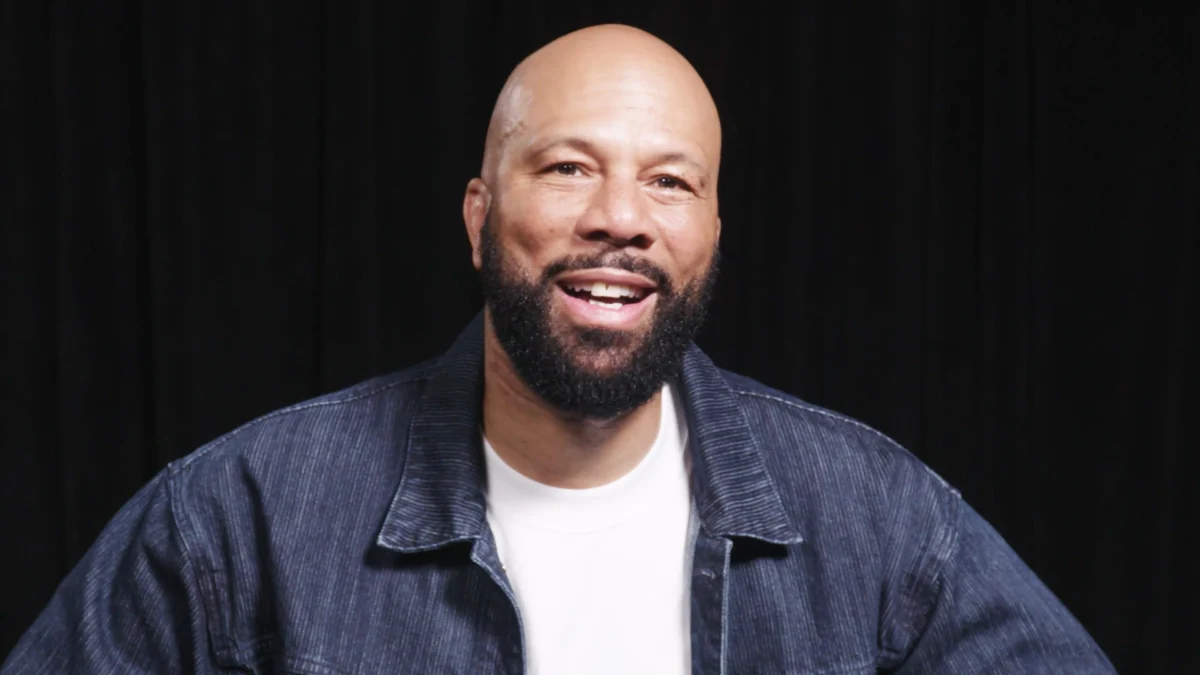
For Grammy-winning rapper and acclaimed actor Common, music is not merely a background element; it is an omnipresent force that dictates the rhythm of his life. Whether he is navigating the high-pressure environment of a Hollywood boardroom or seeking solace after a long day on set, Common relies on a carefully curated sonic landscape to anchor his emotions. In the inaugural episode of The Playlist—a new series from The Hollywood Reporter—the multi-hyphenate artist pulls back the curtain on the songs that define his existence, revealing a deeply personal philosophy on how melody and rhythm can serve as a catalyst for personal transformation.
The Philosophy of "The Light"
Common’s approach to music is functional and intentional. He treats his listening habits as a form of emotional architecture, selecting tracks to either bolster his confidence or provide a sense of spiritual alignment.
"Morning, daytime and night, I’m listening to music," Common told The Hollywood Reporter. "A lot of the music, especially starting at the beginning of my day, is music that will lift me up and make me feel like everything is going to be all right—the immortal words of Bob Marley. I love the type of music that just gives me that brightness."
For Common, music acts as a bridge between the self and the world. He credits the medium for his ability to empathize, express his internal state, and connect with fellow humans on a profound level. This perspective has evolved throughout his multi-decade career, during which he has successfully transitioned from a definitive voice in conscious hip-hop to a formidable presence in film and television.
From Rhythm to Screen: Overcoming the Industry Box
The journey from the recording studio to the silver screen was not without its hurdles. Early in his acting career, Common found that his success as a rapper proved to be a double-edged sword. He faced skepticism from industry gatekeepers who struggled to perceive him as anything other than a musician, a limitation that frequently hindered his access to the roles and directors he aspired to work with.
"There was a point where it was difficult for me to get into the rooms and work with the actual directors and actors that I wanted to work with because they classified me just as a musician," he admits.
Despite this, Common views his musical background not as a cage, but as a precursor to his growth as an artist. "I’m grateful for the fact that music gave me that pathway to discover new artistic things that are gifts and blessings," he says. Today, he views acting and music as two sides of the same coin—both requiring a sense of exploration, freedom, and vulnerability. While he has explored various creative avenues, he maintains that nothing in his professional life has approached the profound love he holds for music, save for his craft as an actor.
A Curated Journey: "The Light Will Last Forever"
To illustrate his sonic sensibilities, Common provided a five-track playlist titled "The Light Will Last Forever." The list is an eclectic tapestry that spans decades and genres, reflecting his varied influences.
1. "Eternal Light" by Free Nationals and Chronixx
Common describes this track as a recent discovery that has quickly become a staple in his rotation. He appreciates its reggae-infused energy, which he utilizes specifically when he needs to center himself before a performance or a high-stakes meeting. "It’s a reminder of purpose in a way," he notes. "It has that umph for me."
2. "Umi Says" by Mos Def (Yasiin Bey)
A song that resonates on a personal level, "Umi Says" features his long-time friend and collaborator. For Common, this track represents the intersection of brotherhood and artistic genius. He recalls the unique impact of hearing Yasiin Bey—known primarily for his lyrical prowess—pivot to such a distinct, melodic vocal style. The song serves as a reminder of the power of gratitude and the universal desire for freedom.
3. "Golden Time of Day" by Maze and Frankie Beverly
This track is deeply rooted in Common’s childhood on the South Side of Chicago. It represents the communal joy of neighborhood block parties and the beauty of the natural world. "It’s a song about that beautiful time of day, where the sun is about to set and it’s like no other," he reflects. Today, he uses the track to evoke a sense of peace, whether he is out on the water or simply cooking at home.
4. "Shook Ones, Pt. II" by Mobb Deep
Departing from his "light" theme, Common highlights this hip-hop classic as a grounding force. It reminds him of his roots and the resilience required to survive in the streets of Chicago. He notes that the track serves as a mental armor, helping him maintain his authenticity when navigating the often-performative world of Hollywood. "You got to go conquer things, and you got to have a mentality that nothing can stop you," he says.
5. "My Favorite Things" by John Coltrane
Common concludes his list with a nod to the transformative power of jazz. He turns to Coltrane to decompress from the stresses of modern life. By choosing this standard, he highlights how a master musician can reinvent a well-known melody into a vessel for spiritual and emotional expansion.
The Significance of "Vision" and Cultural Bridging
Beyond his curated playlist, Common discussed his recent collaboration with 9th Wonder on the track "Vision," created for the ESPN 30 for 30 documentary on the late sports broadcasting icon Stuart Scott.
Common’s admiration for Scott is rooted in the broadcaster’s ability to act as a cultural conduit. "He brought a lot of culture to broadcasting at a time where it wasn’t really accepted," Common explains. Scott didn’t just report on sports; he integrated the vernacular of hip-hop culture into mainstream media, referencing artists like Jay-Z, Nas, and Jill Scott. For Common, this was an act of profound representation. "He bridged the gap in many ways… he was letting the Black culture know, ‘Hey, I’m here for you too, and we are represented.’"
The creation of "Vision" was a deeply personal endeavor for Common, who had long hoped to honor Scott’s legacy. When the opportunity arose to contribute to the documentary, he and 9th Wonder approached the project with a sense of mission, aiming to capture the essence of a man who changed the landscape of American journalism.
Implications for the Future of Artistry
Common’s insights highlight a growing trend in the entertainment industry: the blurring of lines between artistic disciplines. By openly discussing his process—from the songs that power his daily routine to the legacy of cultural figures like Stuart Scott—Common provides a roadmap for how modern creators can remain grounded while pursuing diverse professional interests.
As he continues to balance his roles as a musician, actor, and cultural commentator, Common’s philosophy remains clear: creativity is not about staying in one lane, but about finding the "light" in every endeavor. Whether through the rhythm of a beat or the weight of a performance, his work continues to serve as a bridge, connecting his audience to a larger, more hopeful, and deeply human experience.
Through The Playlist, Common has not only shared his favorite records but has invited his audience into the sanctuary of his own creative process—a place where the past informs the present, and where music, ultimately, provides the enduring spark needed to move forward.

 Asep Darmawan
 Layla Zulfa