

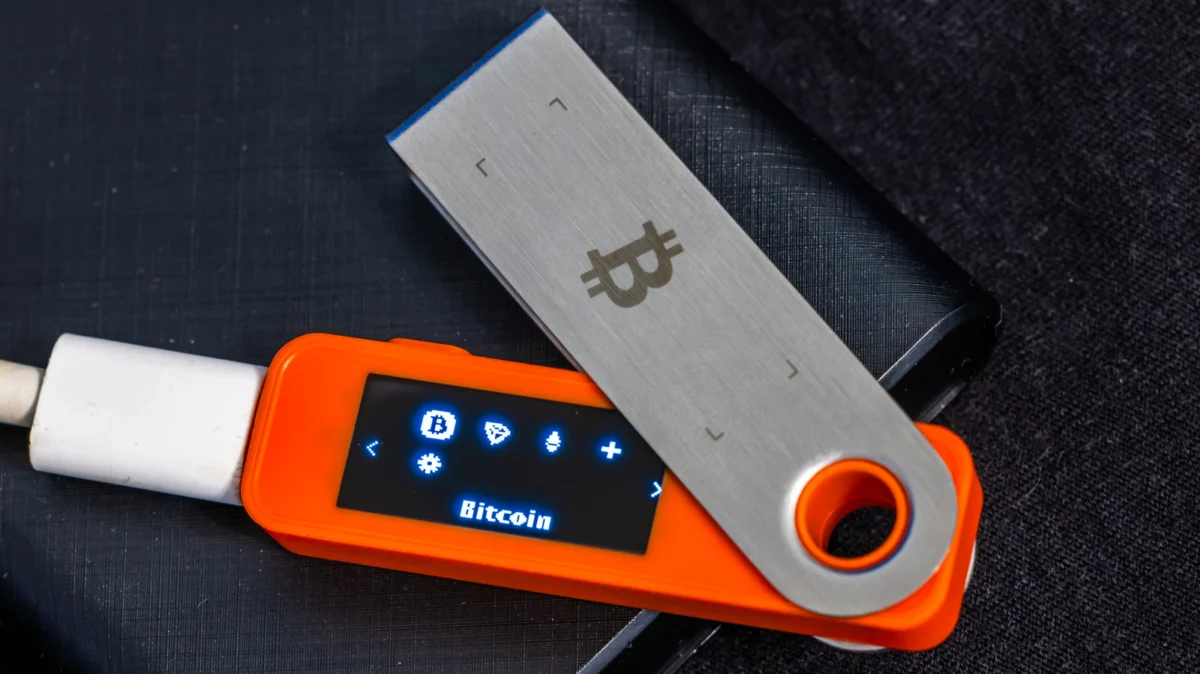
In the sprawling, often treacherous landscape of the cryptocurrency market, the mantra "not your keys, not your coins" has evolved from a grassroots slogan into a fundamental rule of survival. As high-profile trading platforms and centralized exchanges continue to grapple with multi-billion-dollar security breaches, individual investors are increasingly turning toward self-custody. Among the tools available to the modern crypto-enthusiast, the "cold wallet" stands as the gold standard for security, offering a sanctuary for digital assets that remains entirely shielded from the internet’s most persistent threats.
Main Facts: The Architecture of Digital Ownership
To understand the necessity of a cold wallet, one must first demystify the nature of cryptocurrency ownership. Contrary to popular belief, a digital wallet does not physically "store" Bitcoin or Ethereum. Instead, these assets exist as immutable balances recorded on a blockchain network. The wallet’s true purpose is to house the cryptographic private keys—a complex, unique string of data that functions as the digital equivalent of a password and a signature. If you lose these keys, you lose access to your wealth forever; if a malicious actor obtains them, they can drain your account in seconds.
Hot vs. Cold: The Connectivity Divide
The industry categorizes wallets into two primary classes based on their internet connectivity:
- Hot Wallets: These are software-based applications running on internet-connected devices, such as smartphones or desktop computers. While they offer unparalleled convenience for day-to-day trading, they are perpetually exposed to remote exploits, malware, and phishing attacks.
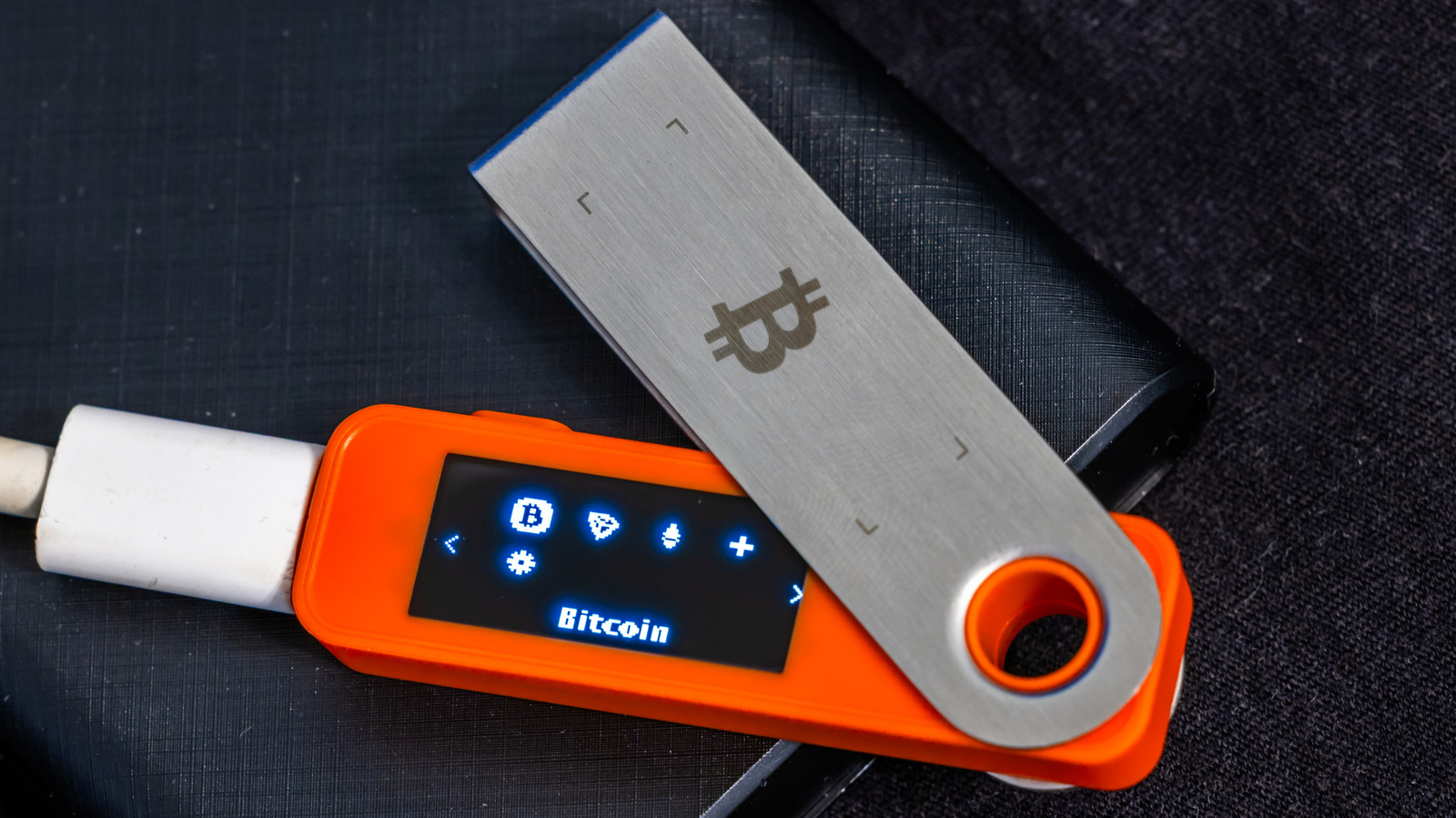
- Cold Wallets: These devices are designed to remain offline, isolating private keys within a physical, air-gapped environment. Whether in the form of a hardware device (resembling a USB drive) or a paper document, a cold wallet ensures that even if your primary computer is compromised, your keys remain invisible to the outside world.
Chronology: A History of Security Risks and Evolution
The necessity for cold storage has been driven by a decade of high-stakes security failures.
- 2014: The collapse of the Mt. Gox exchange, which lost approximately 850,000 BTC, served as the industry’s first major wake-up call regarding the fragility of centralized custody.
- 2021: Security researchers identified a critical vulnerability in the software generation process of certain hardware wallets, highlighting that even "cold" hardware is subject to the quality of its underlying code.
- July 2026: A landmark exploit involving the Coldcard wallet demonstrated that even industry-leading hardware is not immune. A flaw in the random number generation process allowed attackers to predict private keys, leading to the theft of thousands of Bitcoin. This event forced a industry-wide reckoning, prompting users to re-evaluate their reliance on proprietary hardware and emphasize the importance of open-source transparency.
- Late 2026 – Present: Following the Coldcard crisis, the industry shifted toward a "defense-in-depth" strategy, with hardware manufacturers implementing more rigorous, verifiable randomness standards and encouraging the use of passphrases to add a layer of human-generated entropy to the cryptographic process.
Supporting Data: The Mechanics of Isolation
Hardware wallets utilize sophisticated, tamper-resistant microcontrollers—often referred to as "Secure Elements." These chips are designed to withstand physical and logical tampering.
When a user initiates a transaction, the hardware wallet does not send the private key to the computer. Instead, the companion application sends the transaction details (the amount, the destination address, and the transaction fee) to the hardware device. The device displays these details on its own screen, ensuring the user is not being "man-in-the-middled" by a malicious computer app. The device then signs the transaction internally and transmits only the digital signature back to the computer.
This process of "air-gapping" ensures that even if the host computer is infected with a keylogger or a remote access trojan (RAT), the private key remains locked away in the hardware’s secure memory, inaccessible to the attacker.
Official Responses and Industry Standards
Following the 2026 exploits, major players in the hardware space, including Trezor and Ledger, issued comprehensive updates. Their responses focused on three pillars:
- Open Source Accountability: Companies have faced increased pressure to publish their source code for independent audit. The argument is that security through obscurity is no longer viable in an environment where sophisticated state-sponsored actors are targeting individual portfolios.
- Multisig Adoption: Industry leaders are now advocating for "Multisig" (multi-signature) setups. In this configuration, a transaction requires authorization from two or more independent hardware devices. Even if one device is compromised or lost, the assets remain protected by the others.
- Passphrase Implementation: Manufacturers are emphasizing the "25th word" or passphrase feature. By adding a user-defined string to the standard 12 or 24-word seed phrase, users create an additional layer of security that exists only in their memory, rendering the physical backup useless if it were to be stolen.
Implications: The Future of Personal Custody
The evolution of cold storage carries significant implications for the future of digital finance. As institutional interest in cryptocurrency grows, the burden of security is shifting from corporate entities to the individual.
The Human Element
Despite the robustness of hardware, the weakest link remains the user. The history of crypto-theft shows that human error—such as writing seed phrases in unencrypted cloud documents, sharing screenshots of recovery keys, or falling for sophisticated phishing emails—remains a greater threat than cryptographic cracking.
Recommendations for Best Practices:
- Physical Redundancy: Store seed phrases on fire-resistant, physical media (such as stainless steel plates) rather than paper.
- Geographic Diversification: Never store all backups in one physical location.
- Zero-Trust Methodology: Assume that your computer and smartphone are compromised at all times. Never input your seed phrase into any device with an internet connection.
- Regular Auditing: Periodically check for firmware updates and verify that your hardware device is functioning correctly, especially after publicized security disclosures.
The Philosophical Shift
The rise of the cold wallet is more than a technical trend; it is a movement toward financial sovereignty. By taking responsibility for their own keys, users are opting out of a financial system that requires reliance on third-party intermediaries. While the road to self-custody is steep and unforgiving, it offers a level of personal freedom and protection that was historically impossible for the average individual.
In conclusion, while no device can claim to be 100% impenetrable, the cold wallet remains the most formidable barrier between your wealth and the digital vultures of the internet. As technology advances, so too will the methods of those who wish to seize your assets; however, by combining rigorous hardware isolation with disciplined security habits, the individual can effectively turn their private keys into a digital fortress that even the most determined attackers cannot breach. The future of crypto is not in the hands of the exchanges, but in the physical hardware sitting on the desks of those who understand that in the digital age, security is the ultimate asset.











