

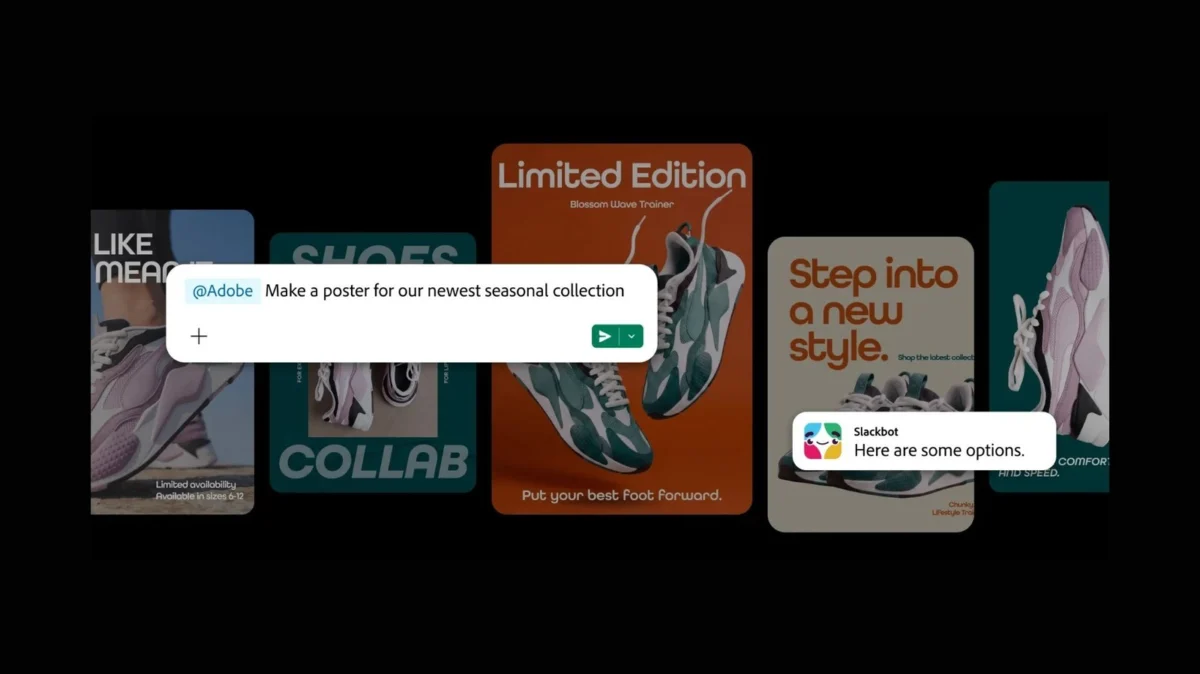
In a significant move to reshape how creative teams collaborate, Adobe has officially announced a sweeping integration with Slack, bringing over 70 powerful tools from its industry-standard Creative Cloud and productivity suites directly into the messaging platform. This integration marks a pivotal shift in the "work-from-anywhere" era, effectively transforming Slack from a simple communication hub into a command center for creative production.
By leveraging Slackbot—the platform’s native AI interface—users can now execute complex creative tasks, such as generating assets, editing images, and transforming data, without ever navigating away from their ongoing project threads.
The Core Integration: Bringing the Adobe Ecosystem to Slack
The Adobe-Slack integration is not merely a shortcut; it is a fundamental reconfiguration of the creative pipeline. With this update, users gain access to functionalities derived from a vast array of Adobe applications, including:
- Adobe Firefly: For generative AI-driven asset creation.
- Adobe Express: For rapid design and social media templating.
- Core Creative Tools: Photoshop (image manipulation), Illustrator (vector graphics), Premiere (video editing), and InDesign (layout design).
- Productivity & Asset Management: Adobe Acrobat (document management), Adobe Stock (asset sourcing), and Lightroom (photo organization).
The mechanism is intuitive: users interact with Slackbot, describing a task or workflow requirement. Slackbot then identifies the appropriate tool within the Adobe suite, processes the request, and returns the result. The system is designed to be context-aware, meaning it can pull assets directly from Slack channels, existing Canvases, or the user’s Adobe Creative Cloud library.
The "70+ Tools" Benchmark
Industry observers may recognize the scale of this launch. Earlier this year, Adobe unveiled a similar ChatGPT plugin offering access to the same "70+ tools" threshold. This latest rollout represents an expansion of that strategy, signaling that Adobe is aiming for platform agnosticism. Whether a team lives in OpenAI’s ecosystem or Slack’s workspace, the power of Adobe’s generative and editing tools is intended to be ubiquitous.
Chronology of the Integration
The path to this integration was paved by several key developments in the AI and productivity software sector over the past year:
- June 2024 (The Foundation): Slack introduced support for the Model Context Protocol (MCP) in Slackbot. This was the technological "Big Bang" that allowed third-party applications to communicate seamlessly with Slack’s AI, enabling the integration of external tools like Canva and Figma.
- Mid-2024 (The ChatGPT Bridge): Adobe introduced its ChatGPT plugin, setting the stage for how it would package its creative tools for AI-driven interfaces.
- September 2, 2026 (The Official Announcement): Adobe confirmed the launch of "Adobe for Slack," specifically targeting Business+ and Enterprise+ customers.
- Present Day: The tool is now live across web, desktop, and mobile versions of Slack, marking the beginning of a phased rollout for large-scale creative teams.
Technical Implications: Why This Matters
The integration relies on the Model Context Protocol, which allows Slackbot to understand the "context" of a project. When a user asks Slackbot to "turn this spreadsheet into a visual" or "resize these images for a campaign," the system doesn’t just execute a command; it pulls data from the specific thread where the request originated.
Eliminating Context Switching
One of the primary "productivity killers" in modern digital work is context switching—the act of jumping between five or six different applications to finish one task. By bringing the Adobe engine into Slack, companies are effectively reducing the "friction cost" of creativity.
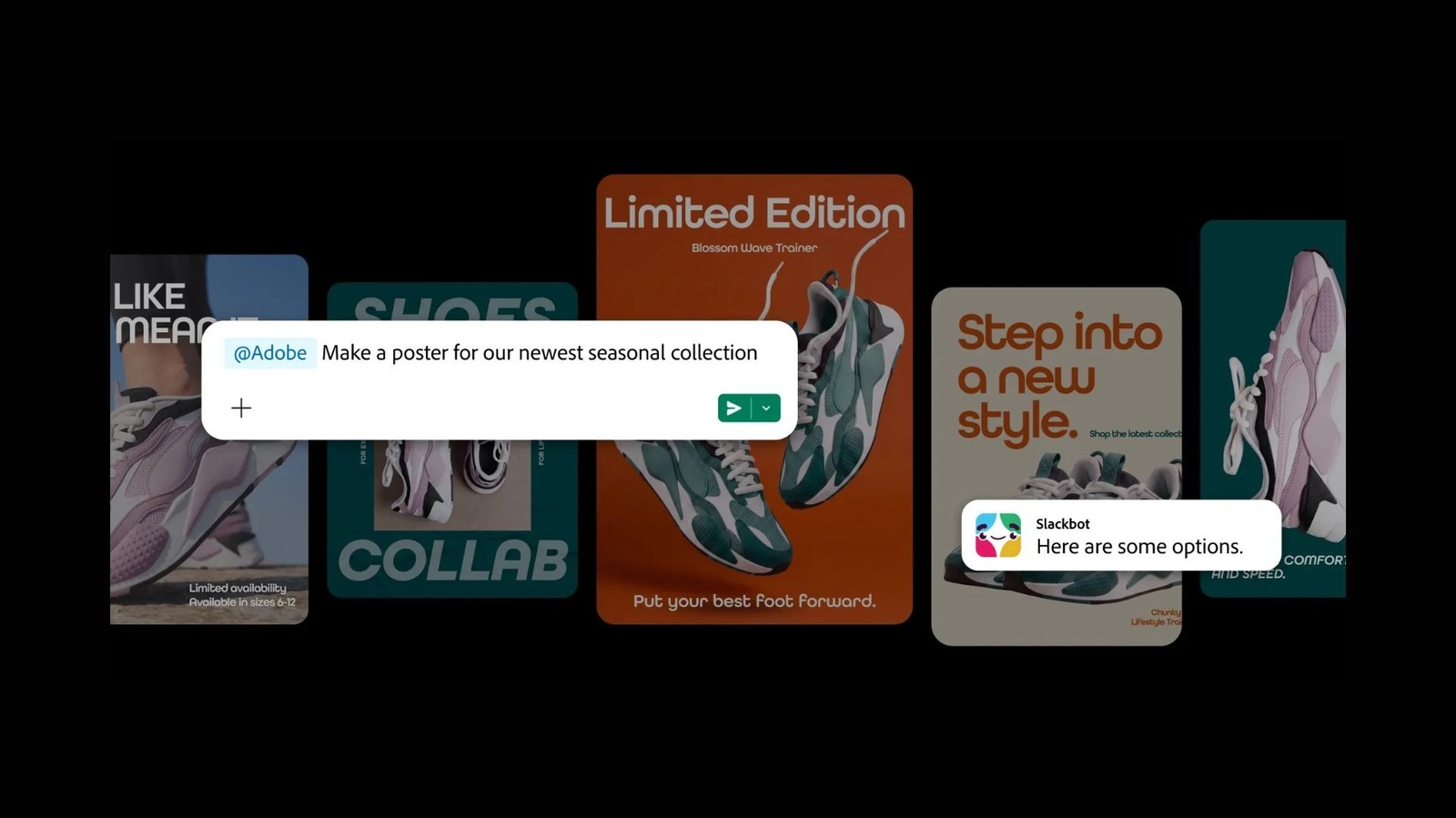
For instance, a marketing manager can now request a social media asset from Slackbot, which then utilizes an Adobe Express template and Adobe Stock assets, presenting the final file back in the thread for team approval. This removes the need for email chains, separate file-hosting links, and manual app-toggling.
Accessibility and Accounts
Interestingly, Adobe has lowered the barrier to entry for this integration. While a full Adobe Creative Cloud subscription is required to unlock the power of the high-end tools, the integration itself can be utilized without a dedicated Adobe account for certain baseline functionalities. However, for power users, linking an account is essential to tapping into the full depth of their personal or corporate asset libraries.
Official Responses and Strategic Vision
In a blog post detailing the launch, Adobe emphasized that the integration is part of a broader commitment to "democratizing creativity."
"Our goal is to meet creators where they are," said a spokesperson for Adobe. "By integrating our most powerful tools directly into the daily workflow of the modern enterprise, we are turning communication platforms into creation platforms. The goal is to move from talking about work to doing the work in a single motion."
Slack, for its part, views this as the logical evolution of their "Slackbot" initiative. By hosting these integrations, Slack solidifies its position as the "Digital HQ" of the global workforce. As organizations move away from disparate silos of software, platforms that can host the most robust "plugin ecosystems" are winning the market share battle.
The Future of Enterprise Productivity
The implications of this integration are profound, particularly for creative agencies, marketing departments, and editorial teams.
1. Enhanced Collaboration
When creative work happens within Slack, it becomes transparent. Feedback loops shorten because the "process" is visible to stakeholders. A designer can share an initial draft via Slackbot, and a project manager can provide immediate, documented feedback that is then fed back into the Adobe tool for a second iteration.
2. The Role of the AI Agent
We are moving toward a world where the "creative assistant" is a standard role. Slackbot is no longer a simple notification engine; it is becoming an agent that can execute complex, multi-step workflows. We can anticipate future updates allowing for even more complex automation, such as "Generate a video campaign based on these three product photos and post the draft to the #marketing channel."
3. Challenges and Considerations
While the integration is a boon for efficiency, it does raise questions about version control and security. Large enterprises will need to ensure that their Adobe Creative Cloud governance policies are strictly enforced within the Slack environment. Furthermore, as AI-generated assets become the default for quick tasks, teams must navigate the nuance of maintaining brand integrity when using automated templates.
Conclusion: A New Standard for Workflows
Adobe’s entry into the Slack ecosystem is more than just a convenient feature update; it is a clear indicator of where the software industry is heading. The "suite-of-tools" model is being replaced by the "platform-of-workflows" model.
For the average knowledge worker, this means the future of work will be less about mastering the UI of a dozen different applications and more about mastering the language of interaction with AI agents. As Adobe and Slack continue to refine this integration, the line between communicating about a project and executing it will continue to blur, ultimately favoring teams that can adapt to this fluid, AI-augmented way of working.
Whether this leads to a massive surge in creative output or simply a more streamlined way to handle the administrative side of design remains to be seen. However, one thing is certain: for Adobe and Slack users, the era of constant tab-switching is coming to an end.











