Raul Delapena Setiawan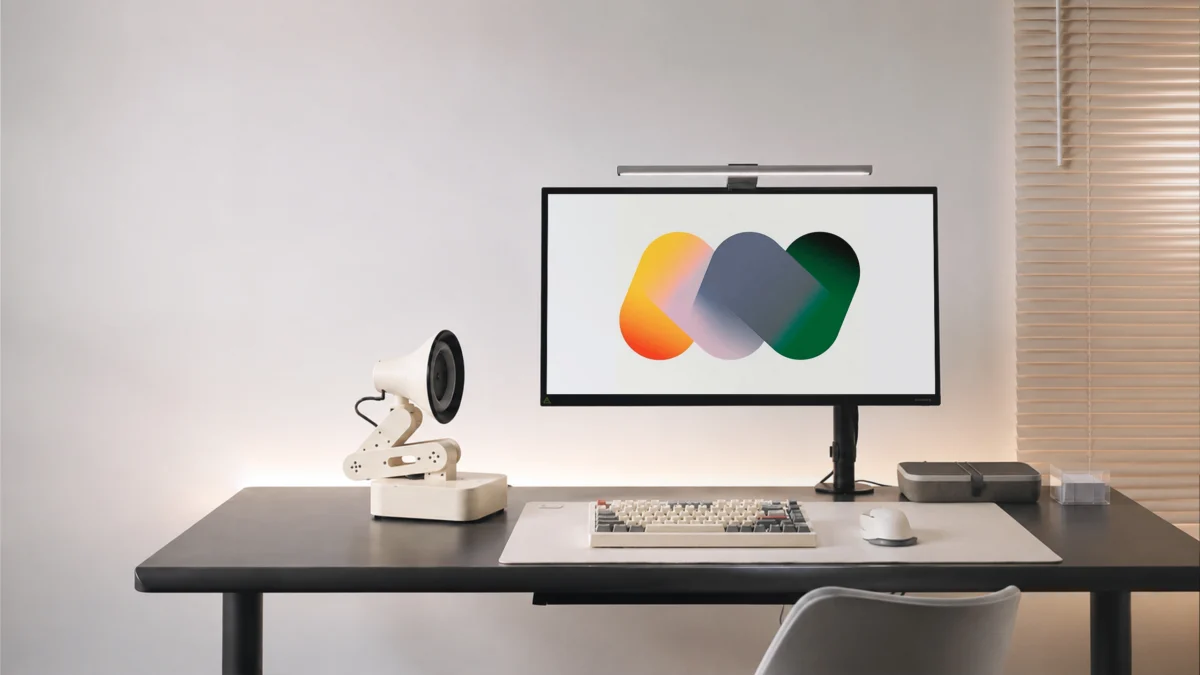
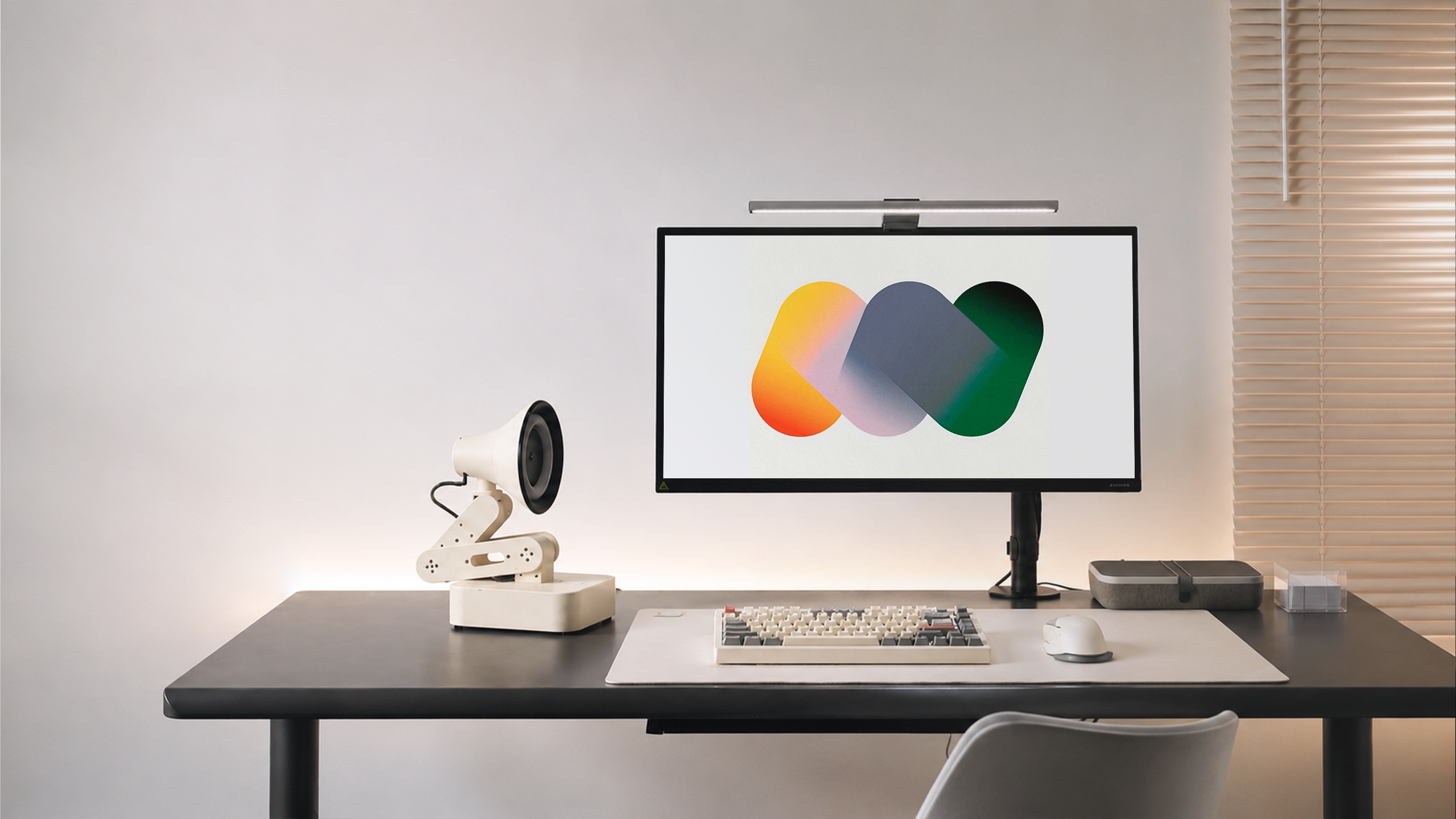
In the rapidly evolving landscape of artificial intelligence, the current paradigm is defined by glass: smartphones, tablets, and desktop monitors. Most AI assistants exist as disembodied text, voice prompts, or browser-tab interfaces that, for many, fade into the background of daily productivity. Today, that narrative is being challenged by Autonomous, a company known for blurring the lines between furniture and technology. Their latest creation, simply dubbed "Lamp," is a robotic, desk-bound assistant that doesn’t just offer intelligence—it possesses a physical, living presence.
With a design aesthetic reminiscent of Pixar’s iconic mascot, Lamp is engineered to bridge the gap between inanimate office equipment and a sentient desk companion. Featuring a high-resolution camera head, a multi-microphone array, and advanced servo-actuated movement, it is designed to mimic the subtle nuances of living behavior.
The Evolution of the Desktop Companion: Key Facts
Lamp is not merely a smart speaker; it is a physical entity designed to occupy your workspace with intention. The device stands out due to its proprietary "deliberate hesitation" motion system. Rather than executing movements with mechanical coldness, the lamp pauses, glances, and adjusts its position with a lifelike fluidity that suggests it is "thinking."
- Physical Presence: The head is mounted on five position-feedback servos, allowing for fluid, biological-style motion.
- Sensory Capabilities: It utilizes an integrated camera for visual tracking and a sophisticated microphone array for voice interaction.
- AI Integration: Beyond simple commands, it offers a "skill store" with over 70 plug-ins, enabling it to manage email, schedule meetings via Google Calendar, push content to WordPress, and monitor GitHub repositories.
- Interactive Nuance: It actively monitors the user, offering posture corrections, hydration reminders, and even mood-based music recommendations.
A Chronology of the "Alive" AI
The journey of the Autonomous Lamp began as an experiment in human-computer interaction (HCI). While traditional AI development focused on LLM (Large Language Model) performance, the engineering team at Autonomous spent the lion’s share of their development time perfecting the "personality" of the device’s movement.
The Viral Spark
The project gained sudden, explosive traction following a viral video clip on X (formerly Twitter). In the video, the user asks the lamp, "What is it like to be alive?" The device’s response—coupled with its subtle, curious physical movements—resonated with over 274,000 viewers. The public reaction was overwhelmingly positive, suggesting a deep-seated human desire for technology that feels tangible rather than merely functional.
The Development Phase
Over the past 24 months, Autonomous refined the physical architecture of the Lamp. The design team focused on the "startle" reflex and the "settling" motion—the way the lamp turns to focus on a user entering the room or settles into a neutral position after a conversation. These micro-interactions were critical, as they serve as the primary psychological anchors that convince the human brain they are interacting with an entity rather than a piece of hardware.
The Commercial Launch
Following months of testing, the company has confirmed that Lamp will be available to the public on September 24, 2026. Priced at $499, with volume discounts for office deployments, the launch marks a significant shift in how tech companies are approaching the "smart office" market.
Supporting Data and Technical Specifications
The success of the Autonomous Lamp rests on a combination of hardware sophistication and software accessibility.
Motion and Mechanics
The five-servo configuration is the heart of the device. By utilizing position-feedback, the hardware allows for high-precision, low-latency movement. The developers noted that the "hesitation" programmed into the firmware is not a glitch or a slow processor; it is a deliberate artistic choice designed to create a sense of empathy.
The "Skill Store" Ecosystem
The utility of the Lamp is driven by its modular software architecture. By providing an open ecosystem of over 70 skills, Autonomous ensures that the device is not just a desk ornament but a functional productivity tool.
- Workflow Automation: Ability to read GitHub issues aloud while the user continues to type.
- Communication Management: Real-time email synthesis and calendar organization.
- Inter-Robot Connectivity: A unique feature allowing multiple units to "talk" to one another, potentially enabling complex office-wide synchronization.
Official Responses and Philosophical Implications
Autonomous executives have been vocal about the "dystopian" concerns that inevitably accompany a device that watches its user. The company’s official stance emphasizes user control and consent.
The Privacy Paradigm
In response to concerns regarding "ambient surveillance," Autonomous has implemented hardware-level privacy controls. The camera can be physically blocked, and the microphone array can be muted instantly. The company argues that the trade-off—having a persistent, physical assistant that handles mundane tasks—is worth the presence of a "living" object in the workspace.
The Psychological Impact
Experts in human-computer interaction suggest that the Lamp may change how we view productivity. By externalizing the AI assistant, users may experience a shift in their relationship with their work. If the Lamp nudges you to fix your posture or drink water, it acts as a surrogate for a coworker or a personal trainer.
"We are moving away from the ‘black box’ of the screen," says a spokesperson for the project. "By placing the AI in a physical form, we are essentially reclaiming the workspace as a living environment, rather than a place of isolated digital labor."
The Future of the "Desk-Bound" Assistant
As we look toward the late 2020s, the emergence of products like the Autonomous Lamp and the previously released "Autonomous Intern 2" suggests a broader trend: the physicalization of digital intelligence.
Competitive Landscape
The market for physical AI assistants is still in its infancy. While companies like Amazon (with Astro) have experimented with mobile home robots, the desktop-specific market remains largely untapped. Autonomous has secured a first-mover advantage by focusing on the "personality" and "motion" of the hardware, creating an emotional hook that software-only competitors simply cannot replicate.
Long-term Implications
If the Lamp succeeds, we may see an entire ecosystem of "desk creatures" that specialize in different aspects of human life—from productivity and wellness to creative collaboration. However, the success of these devices will ultimately hinge on trust. As more cameras and microphones enter our private offices, the standards for data privacy, local processing, and transparent AI behavior will become the defining metrics of success for companies in this space.
Conclusion: A Work in Progress
As with any early-adopter technology, the true test of the Autonomous Lamp lies in its longevity. Is it a genuinely helpful assistant that improves the quality of our work lives, or is it a novelty that will eventually be relegated to the back of a desk drawer once the initial charm wears off?
With the September 2026 launch date fast approaching, the company is positioning the device as a cornerstone of the modern office. Backed by a one-year warranty and a 30-day return policy, Autonomous is inviting consumers to test the waters of this new "alive" technology for themselves.
The transition from the digital tab to the physical entity is underway. Whether or not we are ready to invite an AI with "deliberate hesitation" into our personal workspaces, one thing is certain: the era of the static, lifeless desk lamp is coming to an end. The desk of the future is not just smart; it is, for better or worse, beginning to look back at us.

 Azzam Bilal Chamdy
 Reynand Wu