In the hyper-modern landscape of Tokyo, where the marriage of cutting-edge technology and centuries-old culinary tradition is a way of life, a new frontier is emerging. Starting in October 2026, the city will host an experience that blends two of Japan’s most beloved exports: the convenience of kaiten-zushi (conveyor-belt sushi) and the allure of sightseeing. The "Sushi Bus," a custom-engineered double-decker vehicle, promises to redefine the tourist experience by offering an all-you-can-eat sushi buffet while navigating the bustling streets of Japan’s capital.
This ambitious project, which aims to operate five daily loops through the heart of Tokyo, represents a significant evolution in mobile gastronomy. By integrating an industrial kitchen, a vertical logistics system, and a scenic sightseeing route, the developers are betting that travelers are hungry for more than just a standard restaurant visit—they want a spectacle.
The Genesis of the Concept: Bridging Culinary Arts and Mobile Transit
The concept of mobile dining is not new, but the technical requirements of high-end kaiten-zushi—which relies on precise refrigeration, fresh-sourcing, and constant movement—have long kept it tethered to stationary storefronts. The Sushi Bus project seeks to break these physical limitations through meticulous engineering.
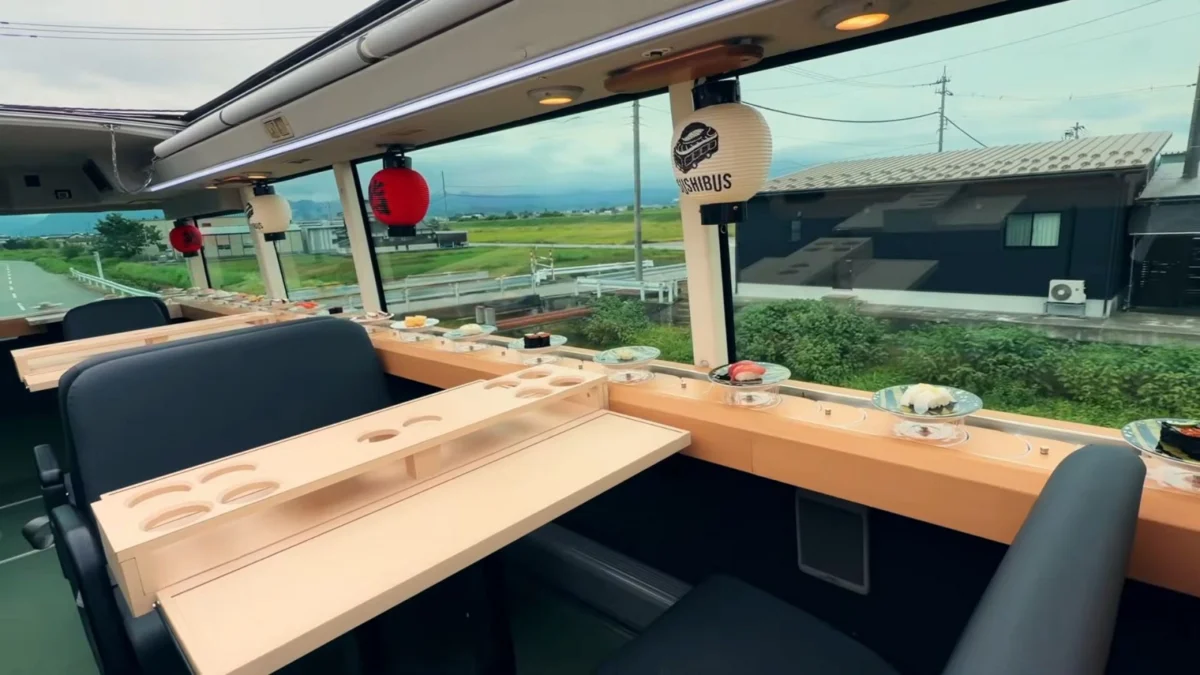
According to the official project press release, the bus will serve as a self-contained ecosystem. The lower deck is dedicated to a high-capacity, professional-grade kitchen, where chefs will prepare fresh nigiri, maki, and sashimi. To ensure the seamless transit of food from the kitchen to the diners, the vehicle is equipped with a specialized onboard elevator system. Once the plates reach the upper deck, staff members will arrange them onto a motorized conveyor belt that winds through the passenger cabin, placing fresh, restaurant-quality sushi within arm’s reach of every guest.
The bus is designed to accommodate 20 passengers per trip, creating an intimate, exclusive atmosphere that contrasts with the typically frantic pace of Tokyo’s streets. By limiting capacity, the operators ensure that the quality of service remains high and that the conveyor belt remains well-stocked throughout the journey.
A Chronology of the Sushi Bus Launch
The timeline for the Sushi Bus project is carefully calibrated to coincide with a projected peak in post-pandemic international tourism in Japan.
- Initial Concept Phase (2024–2025): The developers spent this period conducting feasibility studies regarding road safety, vehicle weight distribution, and food safety standards—a critical hurdle given Japan’s stringent health regulations.
- Engineering and Fabrication (Early 2026): Retrofitting a double-decker bus to house a professional kitchen and a moving conveyor belt system requires significant structural modification. This phase focuses on vibration dampening to ensure the sushi remains aesthetically pleasing despite the inevitable bumps of city driving.
- The October 2026 Launch: The official rollout is scheduled for October 2026. This window was selected to capture the mild, pleasant autumn weather in Tokyo, which is optimal for sightseeing.
- Future Expansion (2027 and beyond): If the Tokyo pilot proves successful, the company has explicitly stated its intentions to scale the operation. Expansion plans include permanent routes in the cultural hubs of Osaka and Kyoto, potentially catering to the massive influx of tourists traveling the "Golden Route" of Japan.
Supporting Data: The Logistics of a Mobile Buffet
To understand the scale of this operation, one must look at the technical specifications and the operational model. While the company has kept specific financial figures under wraps, industry analysts suggest that the "Sushi Bus" model is designed to maximize the revenue-per-square-meter of the vehicle.
Operational Metrics
- Capacity: 20 passengers per session.
- Frequency: 5 trips per day, totaling a maximum of 100 guests per day per bus.
- Catering Logistics: The lower deck kitchen must be temperature-controlled to strictly adhere to Japan’s HACCP (Hazard Analysis and Critical Control Point) standards. Even with the motion of the bus, the fish must remain at specific temperatures to ensure safety and texture.
- The Route: While the final itinerary is subject to traffic conditions and local regulations, the planned route is designed to be a "best-of" highlight reel. Passengers can expect to transit through the neon-drenched streets of Shibuya, the high-end luxury district of Ginza, and the traditional atmosphere of Asakusa’s Kaminarimon Gate.
Official Responses and Industry Outlook
The announcement has triggered a wave of excitement across travel forums and food critic circles. The official project spokespeople have emphasized that this is not merely a novelty item, but a genuine attempt to address the "tourism fatigue" that often accompanies multi-stop city tours.
"We wanted to create a space where the destination is secondary to the experience," one representative noted in the press release. "By combining the world’s most iconic dining format with a tour of the world’s most iconic city, we are providing a unique intersection of culture, convenience, and cuisine."
Critics, however, have raised questions regarding the practicality of eating sushi while a bus navigates sharp turns. The developers have responded by confirming that the bus will be outfitted with an advanced suspension system and that the conveyor belt will be calibrated to handle the subtle inclinations of the road, ensuring that plates remain upright and guests remain comfortable.
Implications for Tokyo’s Tourism Landscape
The Sushi Bus represents a broader trend in Japanese tourism: the "experience economy." As Japan continues to see record-breaking numbers of international visitors, the competition for tourist attention has moved beyond standard sightseeing. Travelers are increasingly seeking immersive activities that offer "Instagrammable" moments alongside authentic cultural interaction.
1. The Transformation of Street-Level Sightseeing
By turning the bus into a dining room, the operators are effectively transforming the streets of Tokyo into a movie screen. Tourists who might otherwise spend hours navigating subways or waiting in line at stationary sushi bars can now witness the architectural evolution of the city—from the historic Kaminarimon Gate to the ultra-modern Shibuya Crossing—all while enjoying a curated, high-end meal.
2. Impact on the Culinary Sector
The Sushi Bus challenges the traditional "omakase" or "kaiten" restaurant model. It forces a shift in how food is prepared and consumed, moving from a static environment to a kinetic one. If successful, this could spark a trend of "mobile dining" across Japan, where other regional specialties—such as ramen or takoyaki—might eventually be adapted for similar mobile platforms.
3. Economic Potential
The move to expand to Osaka and Kyoto suggests that the developers see this as a scalable business model. For cities facing "over-tourism," such mobile dining solutions could potentially alleviate pressure on popular districts by keeping tourists engaged in a controlled, mobile environment, rather than overwhelming localized pedestrian zones.
Conclusion: The Future of Dining on Wheels
As we look toward October 2026, the Sushi Bus stands as a testament to human ingenuity in the hospitality sector. It captures the essence of Japan: a country that respects tradition enough to perfect it, but is bold enough to put it on wheels and drive it through the heart of a metropolis.
Whether this project serves as a fleeting novelty or a new standard for luxury travel remains to be seen. However, one thing is certain: for the 20 lucky passengers on the inaugural run, the sight of the Kaminarimon Gate framed by a plate of fresh, rotating nigiri will be an experience unlike any other.
For those planning their Tokyo itinerary for late 2026, the Sushi Bus is undoubtedly a development to watch. It offers a rare opportunity to taste the city while literally moving through it—a perfect marriage of movement and flavor. As the tourism industry continues to innovate, the Sushi Bus reminds us that the most memorable travel experiences are often the ones that dare to be just a little bit different.
While we wait for further details on pricing and booking, one cannot help but wonder what other innovations are on the horizon. From Pokémon-themed hotels to sushi buses, Japan continues to push the boundaries of what is possible in the world of hospitality. The road to the future is being paved, and it appears that, in Tokyo, it will be served with a side of soy sauce and ginger.