Nila Kartika Wati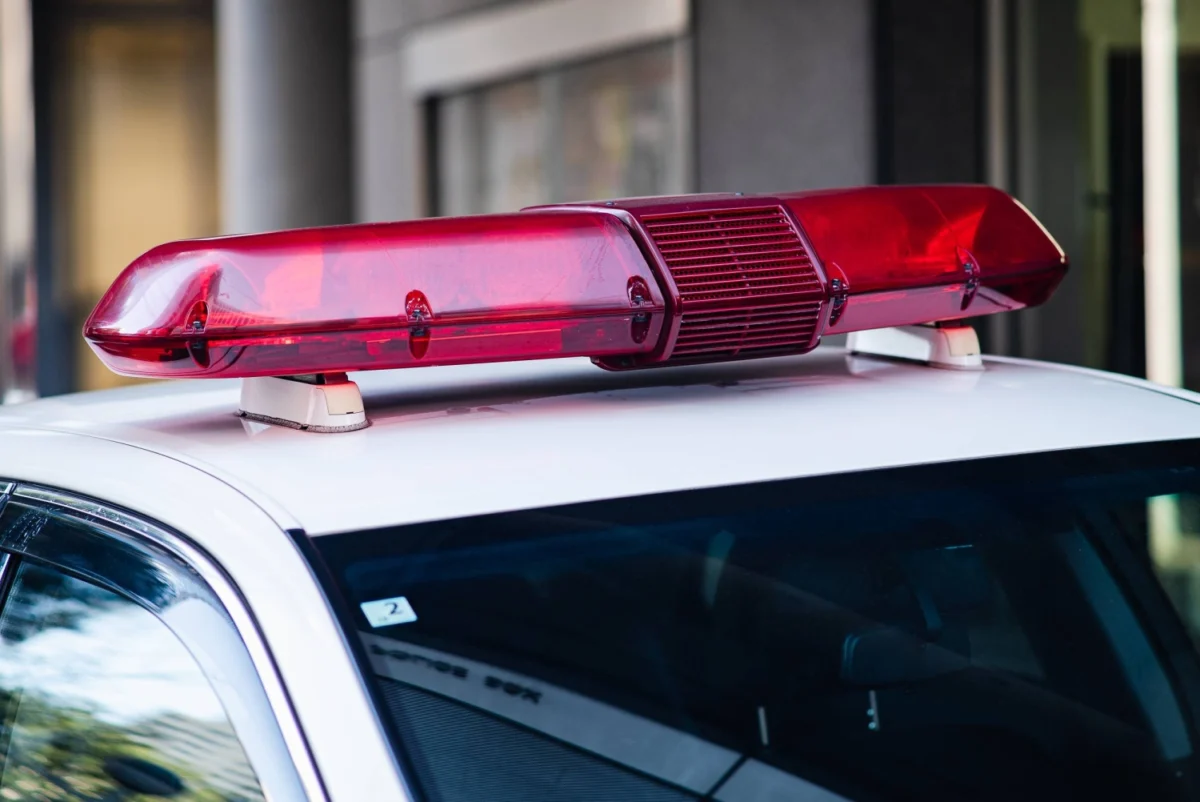
TAKASAKI, Gunma – A quiet residential neighborhood in Takasaki, Gunma Prefecture, was shattered early Wednesday morning by a violent incident that culminated in the death of a 28-year-old woman and the subsequent fatal collision of the primary suspect. Authorities are now piecing together a harrowing timeline that spans two prefectures, transforming a local parking lot into the center of a homicide investigation.
The victim, identified as Chinatsu Yoshida, was discovered by local law enforcement in critical condition in a parking lot just 500 meters northwest of Takasaki Station. Despite immediate medical intervention, she was pronounced dead shortly after her arrival at a nearby hospital. In a grim development that followed less than an hour later, the man suspected of involvement in the attack died in a single-vehicle crash approximately 30 kilometers away in Fukaya, Saitama Prefecture.
Main Facts: A Violent Convergence
The investigation, currently a joint operation between the Gunma and Saitama Prefectural Police, centers on the connection between the crime scene in Takasaki and the wreckage found in Fukaya.
According to police reports, the sequence of events began in the early hours of Wednesday morning. At approximately 3:15 a.m., a local resident alerted emergency services to a woman lying unconscious and bleeding heavily in a parking lot. Upon arrival, officers found Yoshida suffering from severe injuries. A bloodstained knife was recovered near her body, indicating a violent struggle.
The suspect, a 34-year-old male resident of Tamamura, Gunma, is believed to have fled the scene in a vehicle belonging to the victim. Forensic teams later seized a secondary vehicle belonging to the suspect that had been left behind at the Takasaki parking lot, suggesting a pre-meditated encounter or a desperate attempt to obscure his movements.
Chronology of a Tragic Morning
The timeline reconstructed by investigators paints a picture of a rapidly escalating crisis that spanned nearly 30 kilometers.
- Early Morning (Pre-3:00 a.m.): Investigators believe the victim and the suspect arrived at the parking lot in the vicinity of Takasaki Station. Evidence suggests a verbal altercation occurred, which escalated into physical violence.
- 3:00 a.m. – 3:10 a.m.: An acquaintance of Yoshida contacted the Tokyo Metropolitan Police Department (TMPD). The caller, claiming to be familiar with the victim, reported that Yoshida was in a volatile situation involving a man she knew at the parking lot.
- 3:15 a.m.: A local resident in Takasaki contacted Gunma Prefecture emergency services after discovering Yoshida unresponsive. Police arrived on the scene to find the victim suffering from fatal injuries.
- 3:30 a.m. – 3:45 a.m.: The suspect reportedly fled the scene in Yoshida’s vehicle, heading south toward Saitama Prefecture.
- 4:00 a.m.: The suspect’s vehicle struck a utility pole in Fukaya, Saitama. The impact was fatal, and the suspect was pronounced dead at the scene.
- Morning/Afternoon: Forensic teams began processing the Takasaki parking lot and the crash site in Fukaya. Investigators from both prefectures initiated a cross-jurisdictional inquiry to determine the nature of the relationship between the victim and the suspect.
Supporting Data and Evidence
The evidence gathered thus far highlights a focused investigation into the suspect’s motives and movements. The discovery of the knife at the scene serves as the primary piece of physical evidence linking the suspect to the fatal assault.
Furthermore, the involvement of the victim’s own vehicle suggests that the suspect likely commandeered the car to escape the immediate vicinity of Takasaki Station. The fact that the suspect left his own vehicle behind in the same lot indicates a frantic transition, potentially suggesting that the suspect did not intend to be tracked or that the vehicle was incapacitated during the encounter.
A critical piece of information for investigators is the prior emergency call made to the Tokyo Metropolitan Police. While the caller was not at the scene, their testimony confirms that the victim was aware of the danger she was in and had reached out to a third party for help. The police are currently analyzing call logs and digital communications to understand the nature of the conflict.
Official Responses and Police Protocol
The Gunma Prefectural Police have stated that there are no records of Yoshida having previously consulted them regarding domestic disputes, harassment, or stalking. This revelation complicates the narrative, as it suggests the conflict may have been either sudden or previously kept private.
"We are treating this as a murder case and are currently examining the relationship between the two individuals involved," a spokesperson for the Gunma Prefectural Police stated. "Our priority is to establish the sequence of events and verify the motive behind the fatal attack."
The Saitama Prefectural Police are cooperating fully, providing technical data from the crash site to help reconstruct the suspect’s final minutes. Officials have not yet released details regarding the nature of the relationship between the two, though early indications suggest they were acquaintances.
Implications: The Shadow of Domestic Violence
The tragic nature of this case has reignited public discourse regarding the prevalence of interpersonal violence in suburban Japan. While the specifics of this incident remain under investigation, the pattern of a victim being targeted in a public or semi-public space by an acquaintance is a recurring theme that alarms local communities.
The Role of Preventive Measures
The fact that the victim reached out to an acquaintance—who subsequently contacted the police—highlights the importance of "early warning" systems. However, the tragedy also exposes the limitations of these systems. If a victim has not formally filed a complaint with local authorities, the police are often limited in their ability to proactively monitor high-risk individuals.
Sociologists suggest that the "culture of privacy" in Japan often prevents victims from seeking official state intervention until a situation reaches a critical, and sometimes fatal, breaking point. The lack of prior police consultation by Yoshida is not uncommon, reflecting a broader systemic challenge where individuals may feel uncomfortable involving law enforcement in private disputes until it is too late.
Law Enforcement Coordination
This case also serves as a test of inter-prefectural cooperation. With the crime occurring in Gunma and the suspect’s death occurring in Saitama, the efficiency of the investigation relies heavily on the seamless exchange of data. The ability of the police to link the two incidents within hours is a testament to modern forensic tracking, yet it does little to mitigate the loss of life.
Community Safety and Vigilance
The location of the incident—a residential area near a major transit hub like Takasaki Station—has left local residents shaken. The station is a central artery for commuters, and the presence of such violence in a high-traffic area serves as a stark reminder of the unpredictable nature of interpersonal conflict. Local authorities are expected to increase patrols in the area, though they maintain that this was an isolated incident between two individuals who knew each other.
Looking Ahead: The Investigation Continues
As the investigation enters its next phase, the focus will shift to the digital footprint left by both the victim and the suspect. Police are expected to conduct a deep dive into mobile phone records, social media interactions, and surveillance footage from the area surrounding Takasaki Station.
For the family of Chinatsu Yoshida, the tragedy leaves behind more questions than answers. The suddenness of the event and the subsequent death of the suspect mean that a full judicial process may never take place, leaving the truth to be pieced together solely through the silent testimony of evidence.
The police are urging anyone who may have witnessed the incident in the parking lot or who has information regarding the relationship between the victim and the suspect to come forward. While the immediate danger has passed with the death of the suspect, the need for closure remains a priority for the grieving family and the community at large.
As of late Wednesday, the police have not released further details on the identity of the acquaintance who made the initial call to the Tokyo Metropolitan Police, citing privacy concerns and the ongoing nature of the investigation. The case remains a solemn reminder of the devastating consequences of domestic or personal conflict, and the ongoing efforts required to protect vulnerable individuals within the community.


 Neng Nana
 Asro
Asro