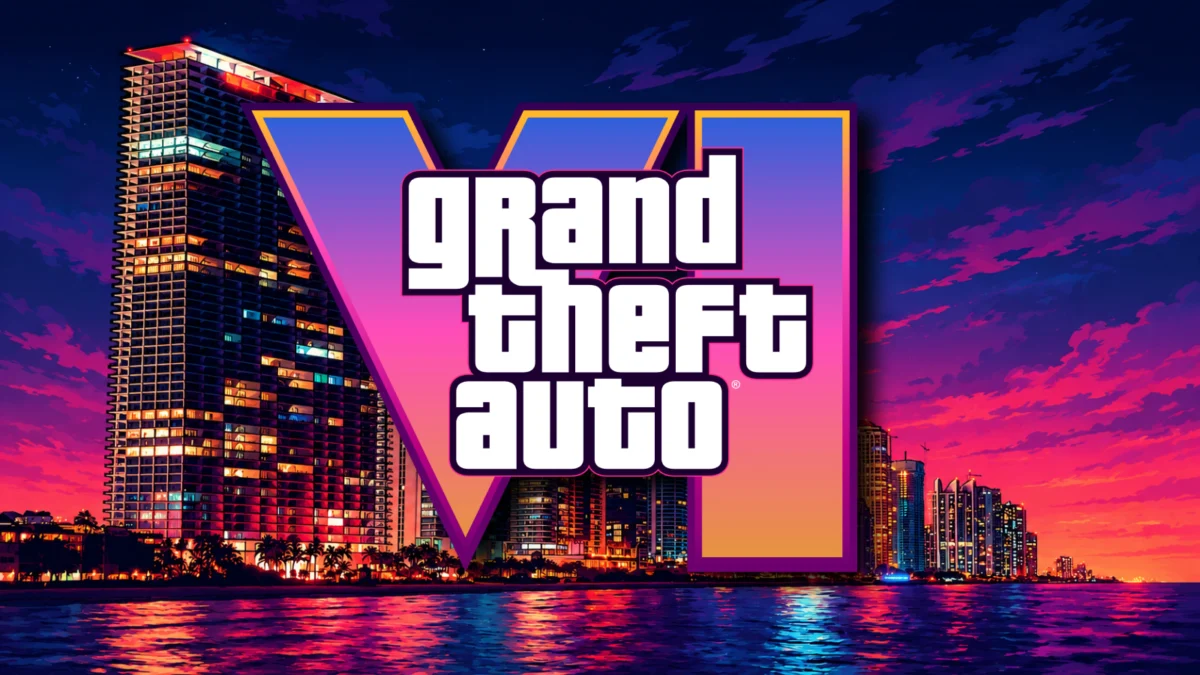
The boundary between reality and digital satire has become increasingly blurred in Miami-Dade County, as local government officials find themselves locked in a high-stakes debate over a proposed marketing partnership with Rockstar Games. As anticipation reaches a fever pitch for the November 19 release of Grand Theft Auto 6 (GTA 6), a leaked 19-page pitch deck has revealed that county officials have entertained the idea of transforming major public infrastructure—including airports, transit systems, and downtown streets—into a living, breathing advertisement for the fictional "Vice City."
The proposal, which has sparked intense backlash from law enforcement and political leaders, centers on a radical rebranding effort designed to capitalize on the massive global cultural footprint of the Grand Theft Auto franchise. However, for those charged with maintaining public safety, the line between an immersive gaming experience and the promotion of criminal activity is one that should never be crossed.
The Genesis of the Proposal: A Deep Dive into the Pitch
The existence of the proposal was first brought to light by The Miamian, which obtained internal documentation through a public records request. The 19-page pitch deck, presented to Rockstar Games on June 29, outlines a comprehensive plan to integrate the game’s aesthetic into the fabric of the county.
The scope of the proposed campaign is nothing short of ambitious. Among the items listed in the presentation were:
- The Vice City Airport: A temporary rebranding of sections of Miami International Airport (MIA) to match the game’s fictional transit hub.
- Transit Overhauls: Wrapping Metromover cars and public buses in GTA 6 livery.
- Immersive Infrastructure: Installing custom, game-themed manhole covers throughout the Brickell and Downtown Miami corridors.
- Themed Logistics: Implementing GTA-inspired baggage claim areas to greet arriving travelers.
The underlying logic, according to proponents of the plan, is the potential for significant revenue generation and global exposure. With the GTA franchise boasting an audience in the hundreds of millions, local officials have argued that a partnership could serve as a powerful economic engine, casting a global spotlight on Miami-Dade as a top-tier travel and entertainment destination.
Chronology of the Controversy
The timeline of these discussions suggests a rapid escalation from internal brainstorming to public firestorm.
- June 29: The Miami-Dade County administration presents the pitch deck to Rockstar Games, signaling an openness to a high-level marketing collaboration.
- Late Summer: Informal discussions between the county and Rockstar continue, with both parties exploring the feasibility of the proposed installations.
- September 3: The situation hits a breaking point. Following the public disclosure of the documents, Miami-Dade County Sheriff Rosie Cordero-Stutz and County Commissioner Juan Carlos Bermudez formally voice their opposition.
- Post-September 3: The conversation shifts from a private marketing strategy to a heated public debate regarding the ethics of government-sponsored promotion of violent media.
The Moral Argument: Law Enforcement’s Stance
At the heart of the opposition is Sheriff Rosie Cordero-Stutz, who has emerged as the most vocal critic of the proposed collaboration. Her stance is rooted in a fundamental philosophical objection: the nature of the product being promoted.
"Grand Theft Auto is a video game franchise built around criminal activity," Cordero-Stutz stated, noting the explicit depictions of carjacking, drug trafficking, robbery, and systemic violence against law enforcement officers. The Sheriff argued that these activities stand in direct opposition to the daily responsibilities of the Miami-Dade Police Department.
"Miami-Dade County is a real community with real families, real neighborhoods, and real consequences when violent crime occurs," she added. Her mantra, "Miami-Dade County is not Vice City," has since become the rallying cry for those who believe the county is sacrificing its dignity for a short-term marketing win.
The Sheriff’s concerns extend beyond moral posturing; they address the optics of a police force collaborating with a brand that, in its gameplay, features the systematic killing of police officers. Critics of the proposal argue that such a partnership would undermine the credibility of the department and trivialize the very crimes they are sworn to combat.
Political Friction: Commissioner Bermudez and Transparency
Commissioner Juan Carlos Bermudez has mirrored the Sheriff’s concerns, focusing his criticism on the lack of transparency surrounding the proposal. Bermudez has expressed profound shock that such a radical rebranding of major county assets was ever on the table without broader public or legislative discourse.
Bermudez’s opposition serves as a check on the executive branch, demanding to know who within the county government sanctioned the presentation of the pitch deck. His insistence on greater transparency highlights a growing tension between administrative officials, who see potential revenue, and elected officials, who must answer to a citizenry concerned about the branding of their home.
The Economic Perspective: The Mayor’s Office Counter-Argument
Despite the mounting pressure, the office of the Mayor has not yet fully abandoned the idea. A spokesperson for the county stated that while no formal agreement has been reached, the administration remains "open" to exploring opportunities that could showcase Miami-Dade to the immense GTA audience.
The economic rationale is not entirely without merit. In an era where cities are increasingly competing for tourism dollars, tying a region to a massive cultural phenomenon can lead to "set-jetting"—the practice of traveling to locations seen in popular media. Supporters argue that with careful curation, the county could generate millions in revenue that could be reinvested into public infrastructure, effectively turning the game’s popularity into a benefit for the real-world community.
The Cultural Implications: Reality vs. Satire
The debate touches on a larger cultural question: How much of a city’s identity should be defined by its portrayal in popular media? Grand Theft Auto has long been a satirical mirror of American culture, and its version of Miami—"Vice City"—is intentionally hyperbolic, neon-drenched, and lawless.
Some residents have found the idea of the collaboration to be a humorous and clever nod to the city’s pop-culture legacy. Others, however, fear that by embracing the "Vice City" label, the county is inviting the world to view Miami-Dade through a lens of chaos and crime. This fear is particularly poignant in a region that has spent decades working to shed its reputation as a haven for illicit activity and instead promote itself as a global center for arts, finance, and culture.
Looking Forward: What Happens Now?
As of mid-September, the proposal remains in a state of administrative limbo. County officials have consistently stressed that no formal contract exists and that any potential partnership would be subject to a rigorous review process.
However, the damage—or perhaps the awakening—is already done. The public exposure of these plans has forced the county to grapple with the ethics of modern marketing. If the proposal moves forward, it will likely be in a significantly watered-down form, perhaps focusing on tourism initiatives that avoid the more contentious aspects of the game’s narrative.
If the proposal is ultimately scrapped, it will mark a victory for those who prioritize the dignity of the county over the allure of global marketing trends. Regardless of the outcome, the "Vice City" controversy serves as a fascinating case study in how municipalities manage their brand identity in an age where the line between digital fiction and physical reality continues to dissolve.
Conclusion: The Path Ahead
The GTA 6 controversy is more than just a dispute over a marketing contract; it is a fundamental debate about what a city stands for. As Miami-Dade County prepares for the global frenzy that will undoubtedly accompany the release of GTA 6 this November, the local government must decide if they are willing to lean into the game’s notoriety or if they will take a firm stand to protect the reality of their community.
For now, the message from the Sheriff’s office is clear: Miami-Dade is a home, not a playground for digital crime. Whether the county leadership agrees will be the defining story of this local political season.