

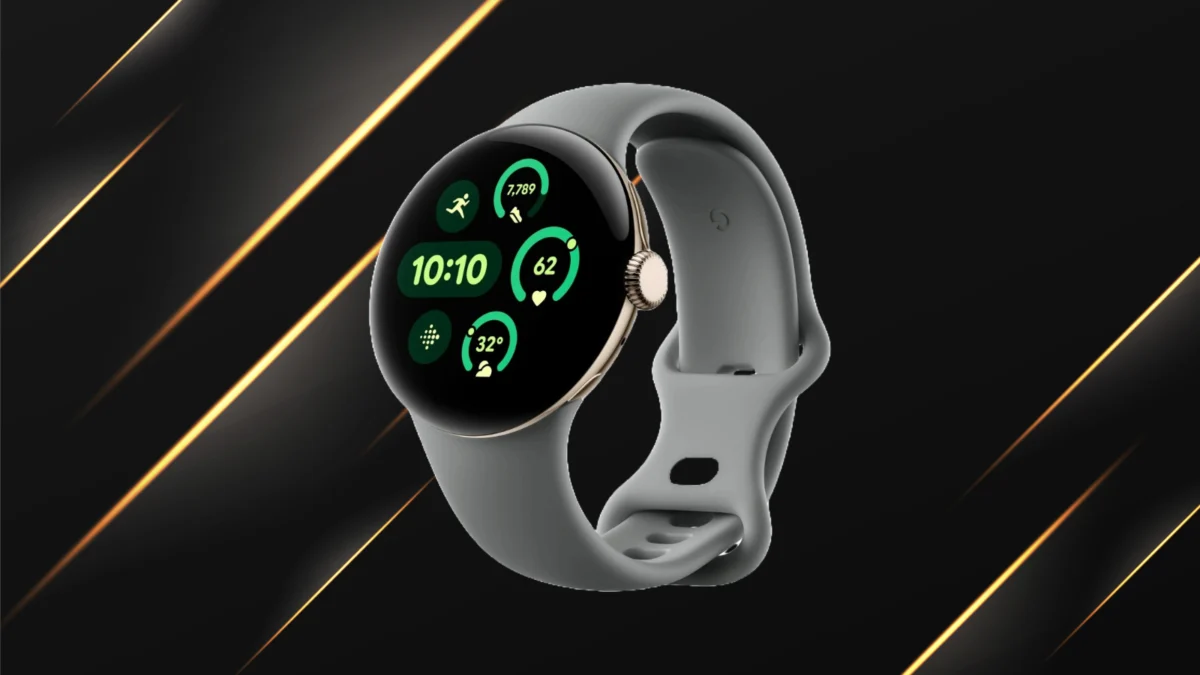
In a bizarre intersection of high-stakes technology development and serendipitous discovery, the internet was set ablaze this week by a story that sounds more like the plot of a Silicon Valley thriller than a real-world occurrence. Gearbox Software CEO Randy Pitchford, a prominent figure in the gaming industry, found himself at the center of an unexpected tech leak when he shared images of what appeared to be an unreleased Google Pixel Watch 5—a device allegedly recovered from the depths of the Caribbean Sea.
The discovery, which took place near the shores of St. Martin, has raised eyebrows across the technology sector. Not only does the existence of a "Pixel Watch 5" prototype suggest that Google’s hardware roadmap is significantly further along than the public is aware of, but the fact that such a device was being field-tested in an open-water environment—and subsequently lost—has ignited a firestorm of speculation regarding Google’s internal security and testing protocols.
The Core Facts: A Prototype in the Abyss
The narrative began on May 31, 2026, when Pitchford took to the social media platform X (formerly Twitter) to share photographs of a smartwatch his friend had retrieved while scuba diving. According to Pitchford, the watch, despite having spent an indeterminate amount of time submerged in saltwater, remained remarkably intact.
The most explosive detail provided by Pitchford was the engraving on the rear chassis of the device. According to his account, the markings explicitly identified the hardware as a "Google Pixel Watch 5." As of the current date, Google has not officially unveiled or even teased the fifth iteration of its wearable line, making this an unprecedented "leak" of future hardware.
Remarkably, the device was not merely a decorative shell. Pitchford noted that upon closer inspection, the screen appeared to be functional. While the battery was depleted, the display briefly flickered to life or maintained enough internal state to suggest that the hardware had survived the harsh, high-pressure, and corrosive environment of the ocean floor. This durability, if representative of the final product, would mark a significant leap forward in Google’s IP68 or 5ATM water-resistance engineering.
Chronology of the Discovery and Resolution
The timeline of the event moved with the rapid, often chaotic speed characteristic of modern viral internet phenomena:
- The Initial Discovery: While scuba diving off the coast of St. Martin, an associate of Randy Pitchford spotted a metallic object resting on the seabed. Upon retrieval, they realized it was a smartwatch bearing the branding of a tech giant.
- The Viral Post (May 31, 2026): Pitchford shared the discovery with his millions of followers, highlighting the "Pixel Watch 5" identifier and expressing astonishment at the device’s survival.
- Mass Speculation: Within hours, the post gained millions of impressions. Tech enthusiasts, industry analysts, and amateur sleuths began debating the legitimacy of the device. Theories ranged from a elaborate marketing stunt by Google to a catastrophic failure in an employee’s "dogfooding" (internal testing) phase.
- The Resolution (Later the same day): Recognizing the power of the platform, Pitchford utilized the viral reach of his initial post to locate the owner. By the evening of May 31, he confirmed that the owner had been identified and that the device was in the process of being returned.
Supporting Data: Why This Matters to Google
For hardware manufacturers, "leak" is often a dirty word. However, the accidental release of prototype hardware into the wild provides a rare, unvarnished look at the internal logistics of a trillion-dollar company.
1. The "Dogfooding" Dilemma
Companies like Google, Apple, and Samsung frequently rely on "dogfooding"—the practice of having employees use unreleased products in their daily lives to stress-test them in real-world scenarios. The fact that a prototype was at a beach in St. Martin suggests that a Google engineer or high-level contractor was likely using the device during a vacation. This poses a massive logistical question: What are the security protocols for employees taking pre-production hardware out of the country?
2. Durability and Material Science
If a smartwatch can survive a stint in the Caribbean and still retain its timekeeping function, it speaks volumes about the build quality of the upcoming Pixel line. The Pixel Watch series has historically been praised for its aesthetic, but often criticized for its battery life and fragility. A device that survives a deep-sea "stress test" is a marketing goldmine, even if the circumstances of its discovery were far from ideal.
3. The Security Leak
For Google’s internal security team, this is a nightmare. Hardware leaks usually happen via supply chain theft or photos taken inside a factory. A retail-ready prototype being lost in the ocean is a failure of custody. It raises questions about how sensitive hardware is tracked, remotely disabled, and retrieved when misplaced.
Official Responses and Industry Commentary
While Google has maintained its standard policy of not commenting on "rumors or unannounced products," the tech community has been vocal.
Marques Brownlee, one of the most influential voices in consumer technology, weighed in on the absurdity of the situation, remarking, "This is maybe the most Google thing to ever happen." Brownlee’s comment touches on the "Google culture" perception: a company that produces cutting-edge innovation but occasionally struggles with the mundane realities of hardware management and product leaks.
Other industry analysts have pointed out the potential for this to be a "controlled leak." In the world of high-stakes PR, sometimes companies use "accidental" discoveries to build hype for a product that is still a year or more away from launch. However, given the logistical complexity and the involvement of a third party like Pitchford, the consensus leans toward a genuine, albeit embarrassing, accident.
The Implications: What Does This Mean for the Pixel Watch 5?
The primary implication is that the Pixel Watch 5 is not just a concept—it is a physical, functioning reality. The existence of the device suggests that Google is potentially testing new materials, perhaps a new titanium alloy or a reinforced glass casing, capable of withstanding extreme environmental pressures.
Furthermore, this incident will likely force Google to revisit its "off-campus" testing policies. We may see an increase in the use of remote-wipe technologies for wearable devices, or perhaps stricter geofencing requirements for employees who are entrusted with prototype hardware.
Finally, the incident highlights the unique nature of modern connectivity. The fact that a Gearbox CEO could use his social media platform to solve a lost-and-found case in under 24 hours is a testament to the hyper-connected world we live in. It served as a reminder that even the most "secret" tech prototypes are subject to the chaos of the real world.
As the device returns to the hands of its rightful owner—presumably a Google employee now facing a very difficult conversation with their manager—the tech world is left to wonder: What else is Google hiding, and where might we find it next? For now, the Pixel Watch 5 remains a ghost, a device that briefly touched the surface of public consciousness before sinking back into the shadows of the R&D lab, leaving behind only a trail of questions and a very salty, very functional watch.











No comments yet. Be the first to join the conversation!