

The "For You" Page (FYP) has fundamentally rewritten the rules of social media engagement. Unlike legacy platforms that prioritize social graphs—who you follow and who follows you—TikTok pioneered a content-first discovery engine. By curating a stream of hyper-relevant, algorithmically selected videos, TikTok keeps users glued to their screens for longer than almost any other digital destination.
For brands, influencers, and small business owners, mastering this recommendation engine is the modern-day "holy grail" of marketing. Achieving virality is no longer a matter of luck; it is a matter of understanding the complex, shifting signals the TikTok AI uses to rank content. As we navigate 2026, the algorithm has become more sophisticated, placing a greater emphasis on community-building, local discovery, and content quality.
The Evolution of the Recommendation System
At its core, the TikTok algorithm is a sophisticated machine-learning system designed to predict user intent. It does not just show you what you like; it predicts what you will like, often before you even realize it yourself. By analyzing millions of data points—from the duration of a watch to the speed at which a user swipes past a video—TikTok builds a dynamic, evolving profile of every user.
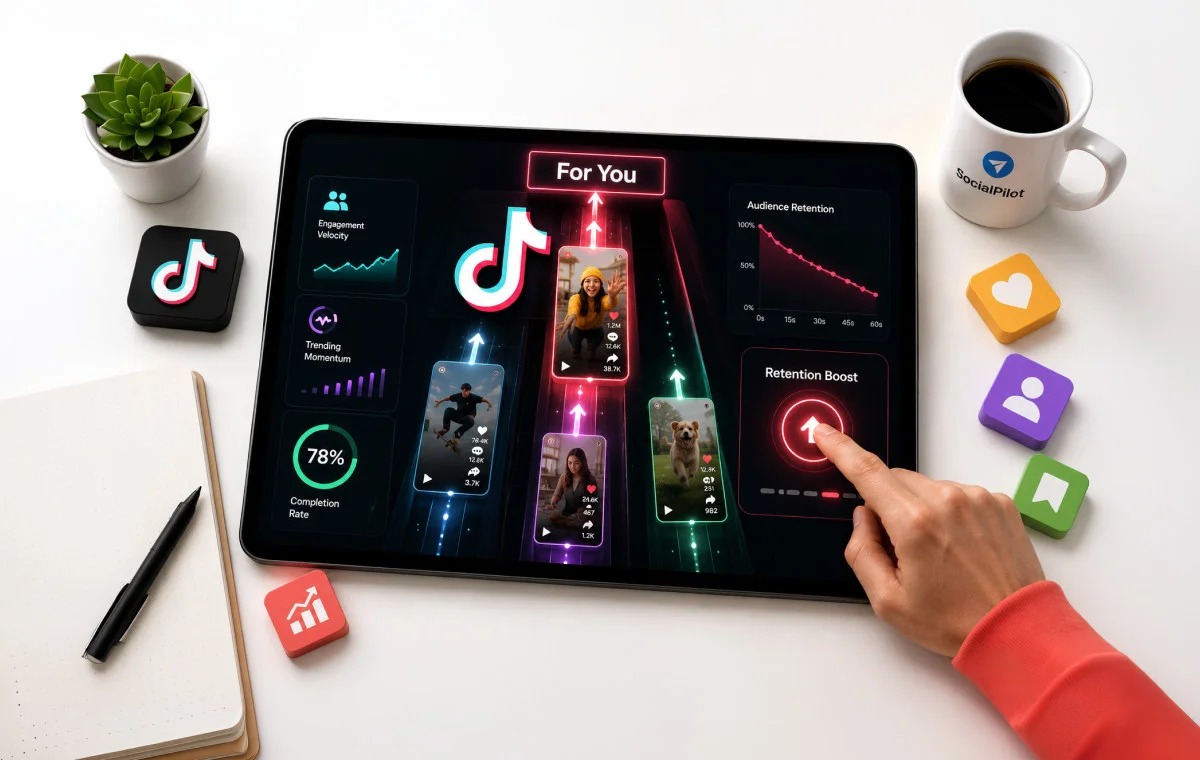
In 2026, this system has moved beyond simple interest matching. It now incorporates sophisticated sentiment analysis, location-based signals, and multi-layered quality checks to ensure that the "For You" feed remains a space for high-value engagement rather than just high-volume consumption.
Chronology of Major Updates (2025–2026)
The TikTok algorithm is a living, breathing entity. To stay ahead, creators must understand the key milestones that have shaped the platform’s current landscape.
July 2025: Raising the Quality Baseline
TikTok introduced Content Check Lite, a pre-posting diagnostic tool integrated into TikTok Studio. This tool allows creators to screen their content for potential policy violations or low-quality signals before publication. By encouraging creators to refine their content early, TikTok has successfully reduced low-quality uploads, particularly among Shop sellers, by 27%. This release also featured Creator Care Mode, an AI-driven filter for comments that helps foster safer, more professional discussion environments.
June 2025: Semantic Intelligence and User Control
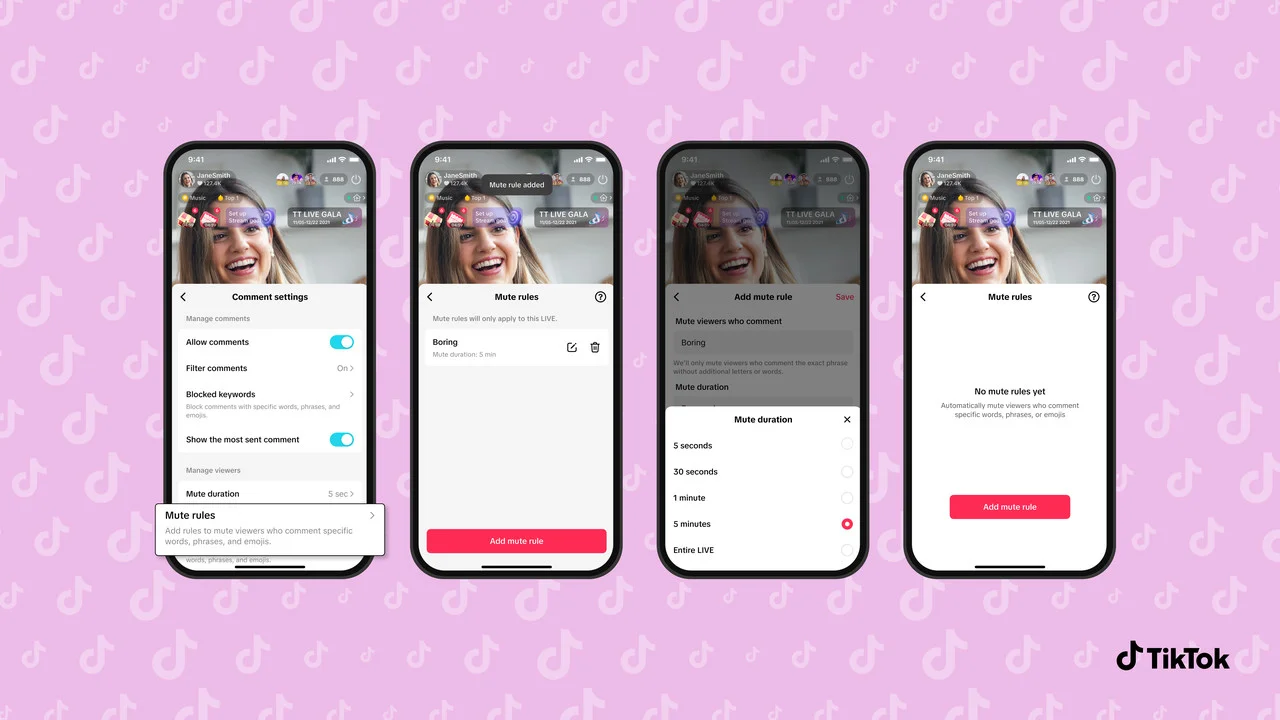
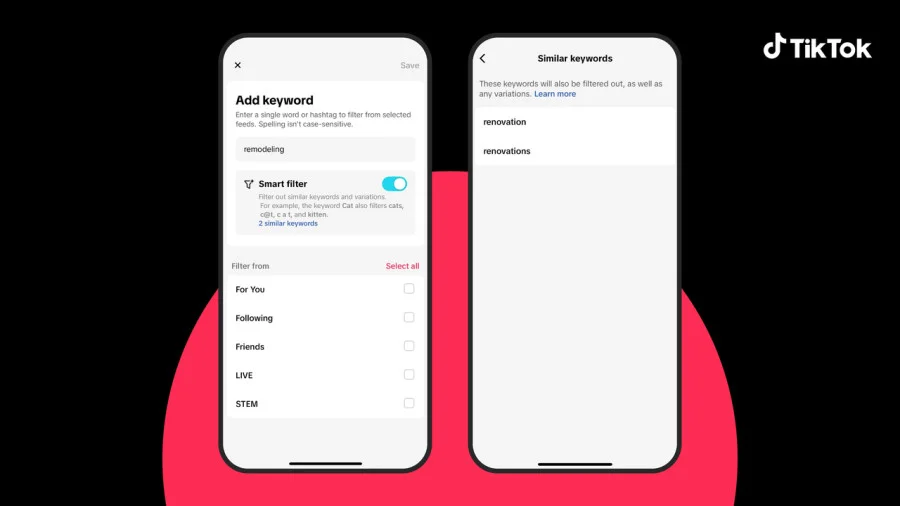
TikTok upgraded its filtering capabilities with AI-powered "Smart Keyword Filters." These filters moved beyond exact-match text blocking; if a user blocks "remodeling," the system automatically suppresses synonyms like "renovation" or "home improvements." Simultaneously, the "Manage Topics" feature gave users a dashboard to tune the frequency of specific subjects (e.g., Sports, Beauty, Humor) in their feed, effectively giving the algorithm explicit, manual training data to supplement behavioral signals.
Late 2025: The Rise of "Follower-First" Distribution
A significant shift occurred in how videos gain initial traction. Rather than testing every new upload against a cold, random audience, the algorithm shifted to a "Follower-First" distribution model. New content is now prioritized for a subset of the creator’s existing followers. If these followers interact with the content—specifically through completions, saves, and shares—the video earns the right to be pushed to wider, cold audiences.
February 2026: The "Local Feed" Launch
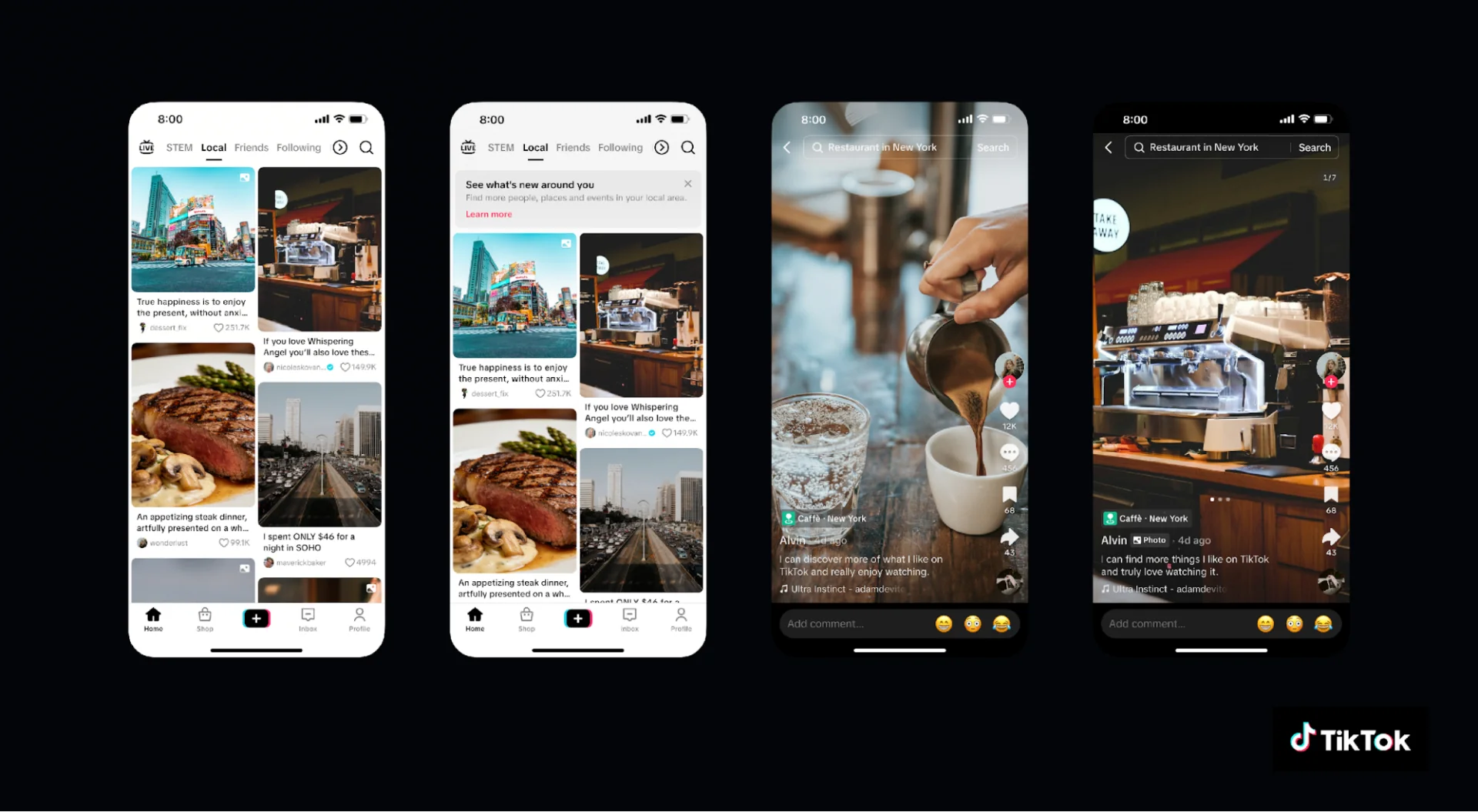
Following a successful pilot in Europe throughout late 2025, TikTok launched the "Local Feed" in the US in February 2026. This dedicated tab provides a discovery channel for location-based content. It utilizes a trifecta of signals—the user’s current location, the content’s topic, and its recency—to connect local businesses and creators with nearby audiences without needing a pre-existing follow relationship.
The Three Pillars of Ranking Signals
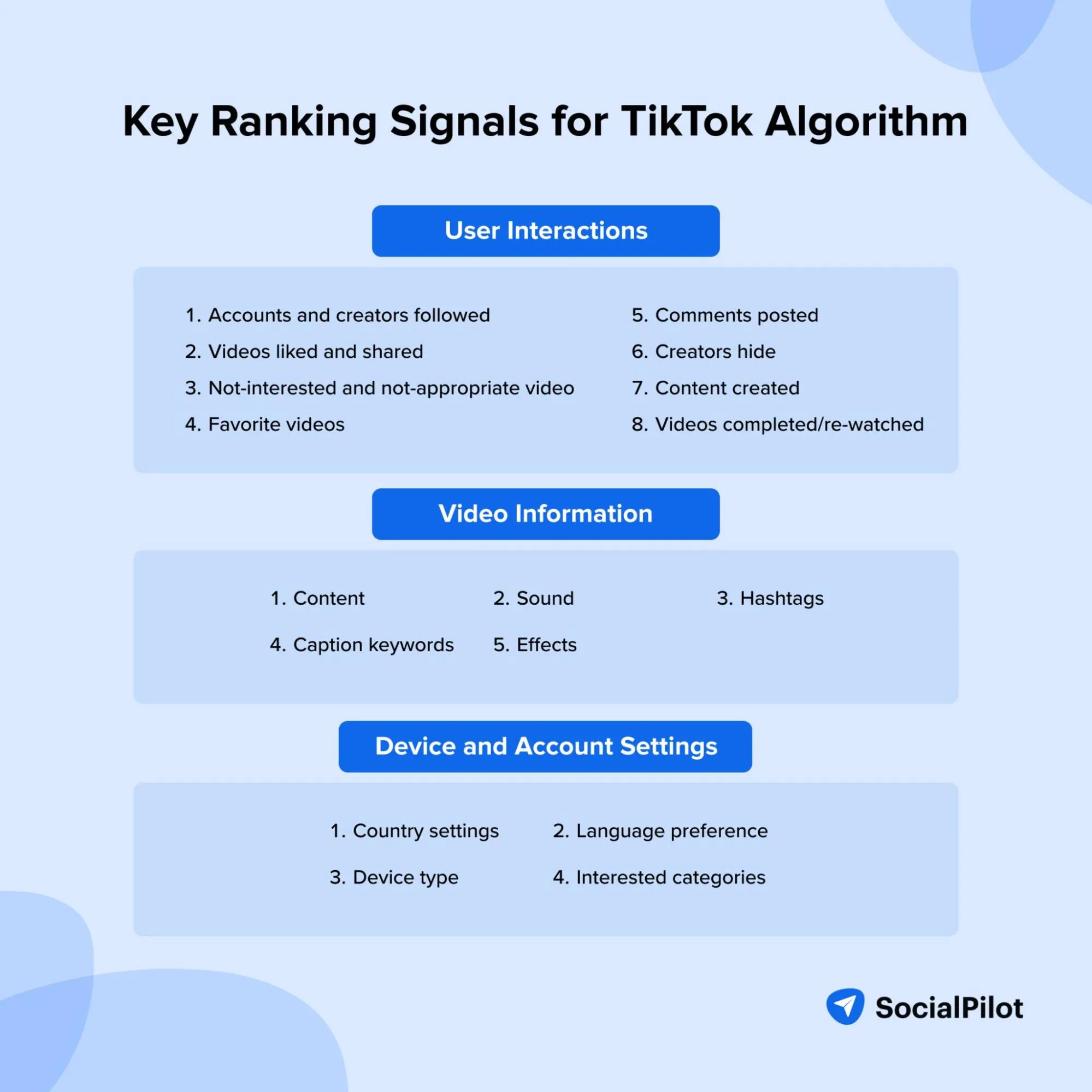
To understand how to succeed, one must look at the three primary categories of data the algorithm processes:
1. User Interactions
This is the most heavily weighted signal. It encompasses everything a user does within the app:
- Watch Time & Completion Rate: Does the user watch until the end? A repeat watch is the ultimate signal of quality.
- Engagement: Likes, comments, shares, and favorites (saves).
- Negative Signals: "Not interested" indicators or rapid swiping, which signal to the algorithm that the content is irrelevant or poor quality.
2. Video Information
Even without a human moderator, the system "understands" your video. It scans:
- Captions and Hashtags: These provide context for the search engine.
- Audio/Sounds: Trending audio can act as a bridge to broader audiences.
- Text-on-Screen and Speech-to-Text: The AI processes the actual words spoken and written in the video to categorize the content for relevant search queries.
3. Device and Account Settings
While secondary to engagement, these factors help the algorithm establish a baseline. Language preferences, country settings, and device type ensure the content is served in a context where it is most likely to be understood and consumed.
Strategic Implications: How to Win in 2026
The shift toward community-based discovery means that the "spray and pray" method of content creation is dead. To dominate the algorithm, consider the following tactical adjustments:
Master the "Hook"
The first 1 to 3 seconds are your only chance to stop the scroll. In 2026, successful hooks are not just loud; they are intellectually or visually provocative. Start with the outcome, pose a controversial question, or use a visual pattern interrupt to ensure the viewer stays long enough to trigger the algorithm’s "interesting" signal.

Embrace Niche Authority
Because users can now "tune" their feed through the Manage Topics control panel, being a generalist is a liability. By consistently creating content for a specific community (e.g., "Sustainable Home Decor" rather than just "Lifestyle"), you make it easier for the algorithm to classify your account and serve your content to users who have explicitly opted into your category.
Optimize for "Replayability"
The most powerful metric for viral success is the repeat view. Creating content that is "replay-worthy"—such as short tutorials, complex visual transitions, or layered storytelling—forces the user to watch multiple times to catch every detail. Naturally looping videos are a proven technique to inflate this metric.
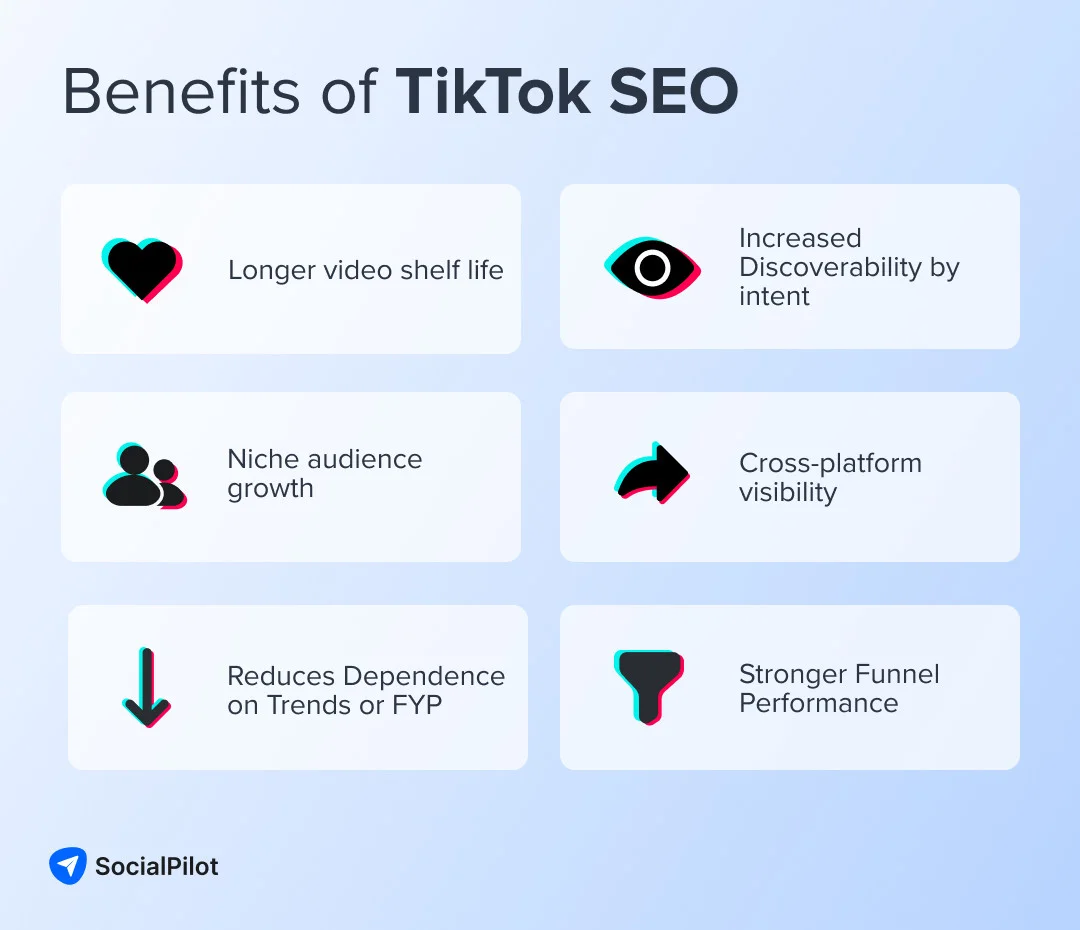
Lean into TikTok SEO
With 64% of Gen Z users turning to TikTok as a search engine, your metadata matters more than ever. Use descriptive captions, target relevant keywords in your on-screen text, and ensure your audio is optimized. Treat your TikTok profile like a library; if someone searches for a solution you offer, your video should be the one that appears.
Strategic Consistency
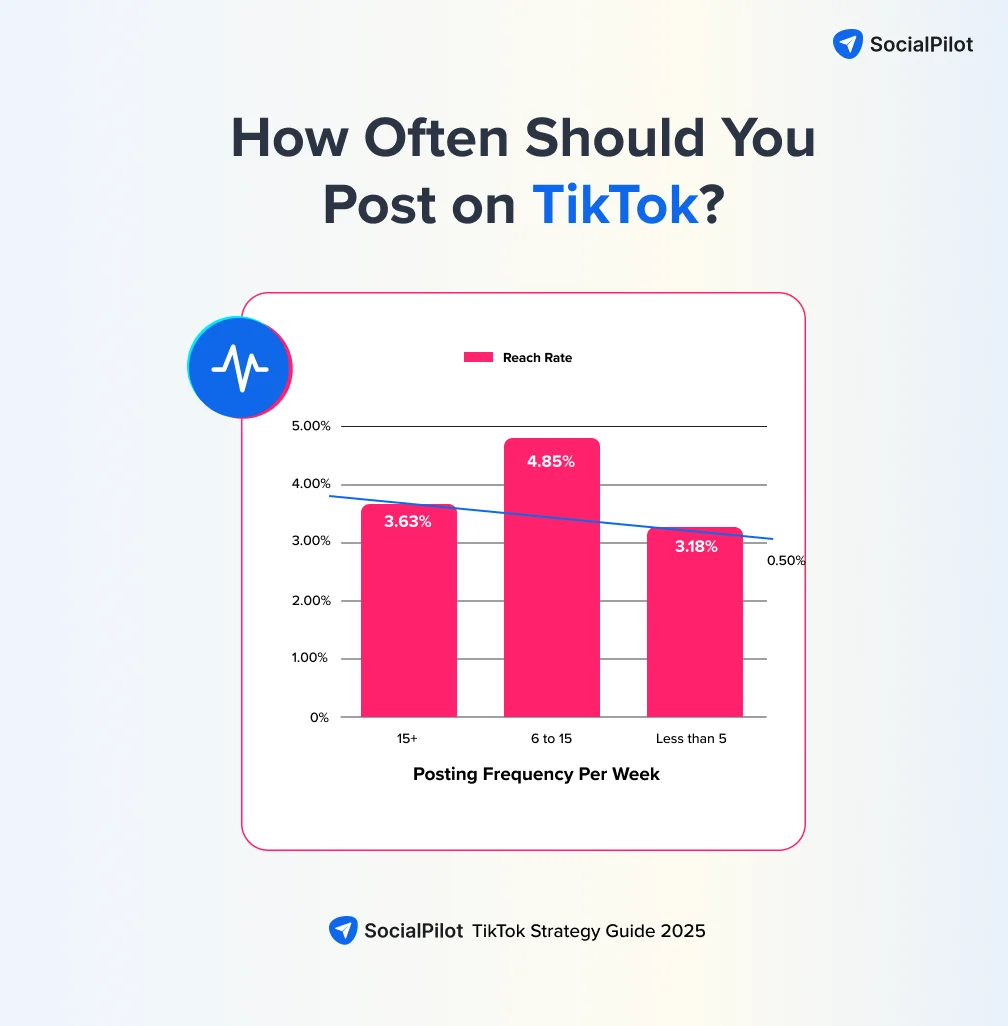
Consistency does not mean posting ten times a day. Research indicates that a cadence of 2 to 3 high-quality posts per week is the "sweet spot" for most brands. This frequency keeps you top-of-mind without overwhelming your audience or sacrificing the quality required to trigger the "Follower-First" expansion phase.
Debunking Persistent Myths
Despite the platform’s transparency, myths continue to circulate that hinder creator growth.
- The "Shadowban" Myth: There is no evidence that deleting low-performing videos helps your account. The algorithm evaluates content on a per-video basis.
- The Follower Fallacy: In 2026, a massive follower count does not guarantee reach. If your followers are disengaged, they will act as a "gatekeeper" that prevents your content from reaching new audiences. Focus on depth of engagement, not breadth of following.
- The #FYP Hashtag: Using generic hashtags like #FYP or #ForYou is largely obsolete. The algorithm is smart enough to categorize your content without these "hacks." Focus instead on 1–5 highly relevant, niche-specific hashtags that clearly define the topic of your video.
Conclusion: The Path Forward
Dominating the TikTok algorithm in 2026 is no longer about "hacking" the system; it is about respecting the user. By focusing on creating value-driven, niche-specific, and highly engaging content, you align your strategy with the platform’s ultimate goal: keeping users on the app.
Use tools like Content Check Lite to maintain a high quality-floor, optimize your captions for search, and respect the "Follower-First" distribution model by fostering a community that actually wants to watch your content. Success on TikTok is a marathon, not a sprint—but with the right approach, it remains the most powerful tool for organic growth in the digital age.












No comments yet. Be the first to join the conversation!