Nana Muazin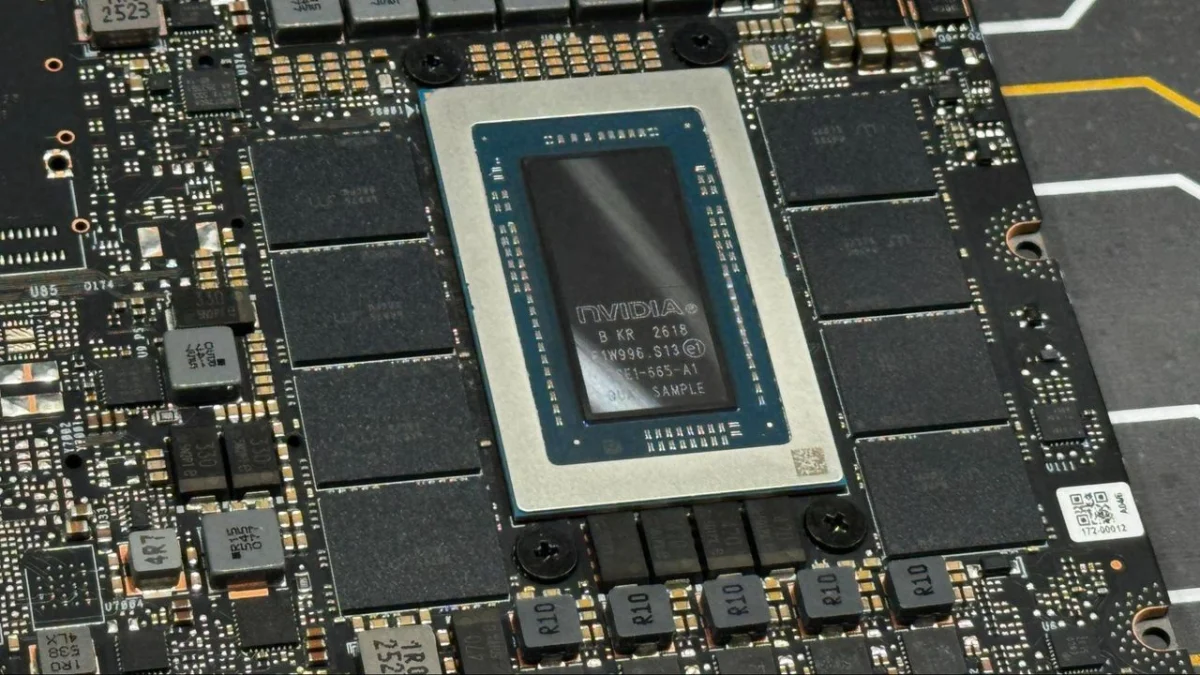
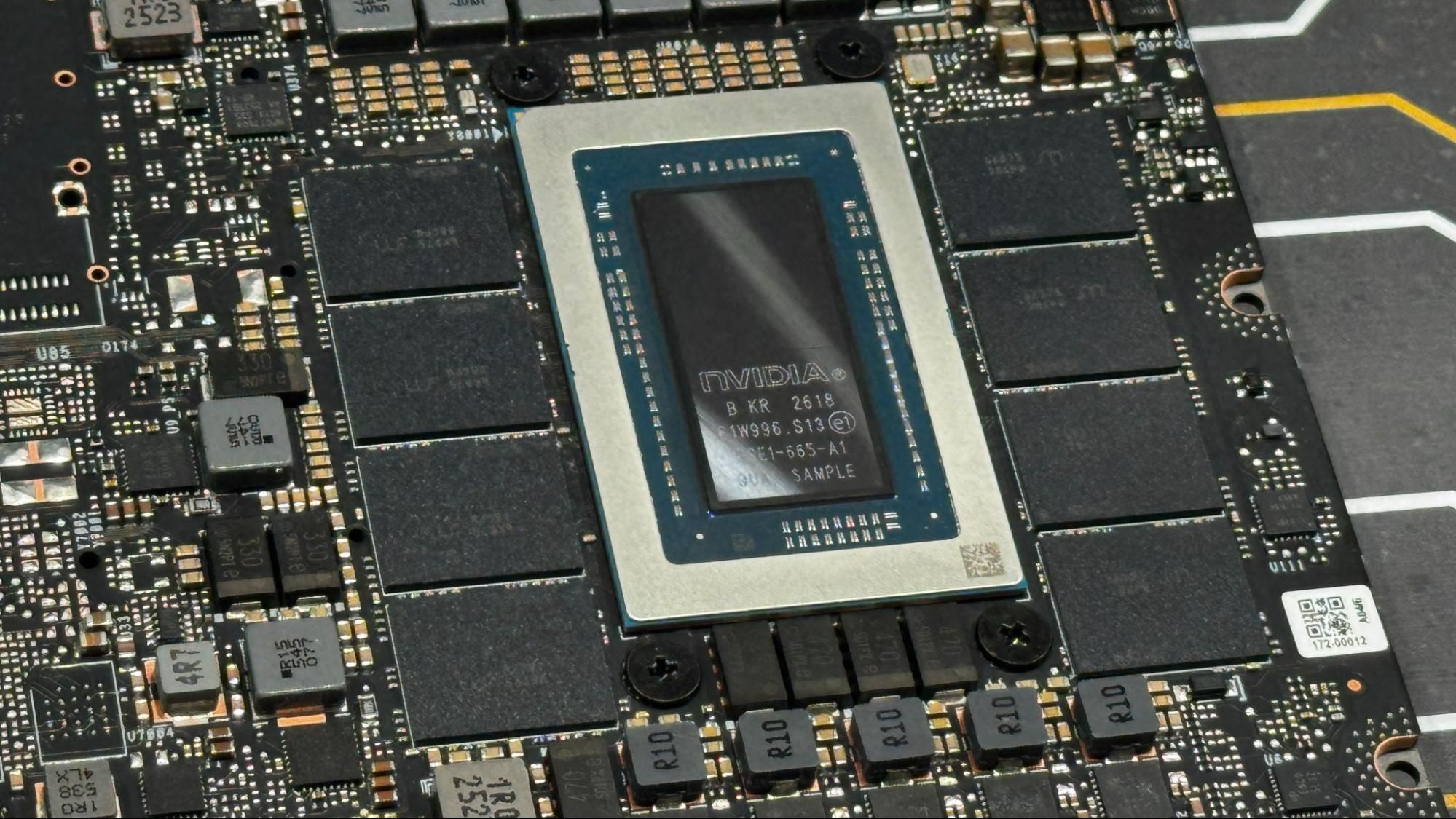
Nvidia has officially pulled back the curtain on its highly anticipated "Spark" platform, now formally designated as the N1X. This silicon breakthrough marks a pivotal shift in Nvidia’s consumer strategy, moving beyond standalone GPUs to integrate powerful Grace CPU cores and Blackwell-architecture graphics into a singular, unified superchip. With a scheduled launch window in October, the N1X is poised to disrupt the mobile computing market, challenging the current status quo held by Apple’s M-series and Qualcomm’s Snapdragon X platforms.
The Core Specifications: Power in Two Flavors
Nvidia’s strategy for the N1X focuses on versatility, offering two distinct configurations tailored to different tiers of mobile performance. Both iterations leverage the efficiency of Arm-based architecture, signaling Nvidia’s aggressive move to capitalize on the "Windows on Arm" ecosystem.
Configuration 1: The Performance Tier
Designed for high-end laptops and versatile Mini PCs, this flagship configuration pairs a robust 20-core Grace CPU with a staggering 6,144-core Blackwell GPU. To support the intensive memory requirements of modern AI workloads, this version features a flexible unified memory pool ranging from 24GB to 128GB. This massive memory ceiling is specifically designed to handle "agentic AI"—autonomous background processes that require significant RAM to maintain context and responsiveness.
Configuration 2: The Efficiency Tier
Reserved exclusively for the laptop form factor, the second configuration offers a slightly more modest 18-core Grace CPU and a cut-down 5,120-core Blackwell GPU. With a memory range of 24GB to 32GB, this variant targets the thin-and-light laptop market, aiming to balance raw computational power with power efficiency.
| Feature | Configuration 1 | Configuration 2 |
|---|---|---|
| CPU | 20-core Grace CPU | 18-core Grace CPU |
| GPU | 6,144 CUDA core Blackwell | 5,120 CUDA core Blackwell |
| Memory | 24 – 128GB Unified | 24 – 32GB Unified |
| Form Factor | Laptops, Mini PCs | Laptops |
Chronology: From Rumors to Reality
The journey to the N1X has been paved with industry speculation and strategic positioning. For months, the "Spark" codename circulated through hardware leaks, with analysts anticipating a massive shift in how Nvidia would bridge its data-center-grade AI prowess with consumer-facing hardware.
The narrative gained significant momentum during Computex earlier this year, when Microsoft showcased the Surface Laptop Ultra. This device served as the first public demonstration of the N1X’s capabilities, boasting the high-end 20-core configuration and a stunning 15-inch Mini-LED PixelSense display.
Ahead of the IFA trade show in Berlin, Nvidia solidified its roadmap. OEM partners, including Lenovo and Acer, seized the opportunity to announce their integration plans. Lenovo unveiled the Yoga 9n 2-in-1, while Acer committed to a Small Form Factor (SFF) desktop utilizing the Spark architecture. With the October release now confirmed, the industry is entering a "waiting period" where OEMs are expected to finalize pricing and availability for the broader wave of devices from Asus, Dell, MSI, and HP.
Strategic Implications: Why Unified Memory Matters
Nvidia’s adoption of unified memory is perhaps the most significant architectural decision in the N1X platform. By integrating the CPU, GPU, and memory into a single high-bandwidth fabric, Nvidia is emulating the design philosophy that propelled Apple Silicon to the forefront of the creative and professional markets.
Challenging the x86 Hegemony
For decades, the x86 architecture—dominated by Intel and AMD—relied on discrete memory buffers, which often created bottlenecks during complex data transfers between the processor and the graphics card. By moving to a unified architecture, the N1X eliminates these latencies. This is not merely a win for gaming; it is a fundamental requirement for the next generation of AI agents.
The End of Qualcomm’s Exclusivity
With the N1X, Nvidia is effectively breaking the monopoly Qualcomm has enjoyed in the Windows on Arm space. By introducing a serious competitor with deep-rooted software maturity, Nvidia is likely to accelerate developer adoption of Arm-native applications. Developers who have long relied on Nvidia’s CUDA ecosystem for data science and machine learning can now bring those same workflows to a portable, battery-powered environment.
The Promise of Agentic AI
While gaming remains a core strength of the Nvidia brand, the N1X is being marketed primarily as a "superchip" for agentic AI. Unlike standard generative AI, which waits for a user prompt, agentic AI operates in the background, executing tasks, managing files, and interacting with software APIs autonomously.
Microsoft’s upcoming Agent Framework is expected to be a primary beneficiary of the N1X hardware. By allowing Windows to offload background AI tasks to the N1X’s dedicated cores, the system aims to improve efficiency and reduce the performance impact on the user. However, the success of this vision depends on a delicate balance: providing enough processing power to handle these tasks without sacrificing the "all-day battery life" that Nvidia has promised.
Challenges and Future Outlook
Despite the technical prowess of the N1X, several hurdles remain before the platform can claim mass-market dominance:
- Software Optimization: While Nvidia’s driver support is industry-leading, the transition to an Arm-based Windows ecosystem requires ongoing refinement. Ensuring that legacy applications run seamlessly through emulation will be critical for adoption.
- Pricing Uncertainty: As of late, no official pricing has been released for the initial wave of devices. The N1X is clearly a premium silicon product; if the cost of entry is too high, it may be relegated to the niche workstation market rather than the mainstream laptop market.
- The "N1" Mystery: The decision to label the chip "N1X" implies the existence of a standard "N1" variant. Industry experts suspect this may be a lower-power, cost-effective version of the chip intended for budget laptops or tablets, potentially arriving in 2025.
Conclusion: A New Competitive Landscape
The October launch of the Nvidia N1X represents more than just a new product release; it is a declaration of intent. Nvidia is no longer satisfied with being a component supplier for high-end gaming laptops; they are positioning themselves as the backbone of the next generation of personal computing.
By combining the raw power of Blackwell GPU architecture with the efficiency of Grace CPU cores, Nvidia is offering a compelling answer to the question of how to handle the heavy lifting of local AI. As the October launch approaches, the focus will shift from theoretical specs to real-world benchmarks. Whether the N1X can deliver on its promise of all-day battery life and seamless AI integration will determine if it becomes the standard for the modern professional or remains a powerful, albeit specialized, piece of technology.
For now, the tech world watches as Lenovo, Acer, and their peers prepare to integrate the most ambitious consumer silicon to come out of Nvidia’s labs in recent memory. The era of the agentic laptop has officially arrived.


 Nana Wu
 Evan Lee Salim