In an era where advertising is increasingly dominated by programmatic algorithms and high-budget AI-generated campaigns, a humble ballpoint pen has managed to reclaim the spotlight through the most human of mediums: raw, unfiltered creative collaboration. The recent viral saga involving the Parker Pen Company serves as a masterclass in modern brand agility, demonstrating how a corporation can successfully pivot from a static legacy brand to a dynamic participant in the global design conversation.
What began as an unsolicited "spec ad" on LinkedIn has evolved into a global phenomenon, culminating in a prestigious showcase on a digital billboard in the heart of New York City’s Times Square. This article explores the timeline, the strategy, and the deeper implications of this accidental marketing coup.
The Catalyst: A Call to Human Creativity
The movement began with Kushagra Oberoi, a freelance copywriter and creative strategist. Observing the current saturation of AI-generated content—which often feels polished but hollow—Oberoi sought to create an "anti-AI" campaign for Parker. His pitch was simple yet profound: it reframed the act of writing with a physical pen as an intimate, uniquely human experience that AI could never replicate.
The post caught fire on LinkedIn, garnering thousands of reactions and shares. It struck a chord with a creative community that has been feeling the mounting pressure of automation. However, rather than letting the moment fade into the "scroll-and-forget" graveyard of social media, the momentum was seized by industry leaders. Andrew Tindall, Chief Growth Officer at the research firm System 1, recognized the potential for a broader experiment. Partnering with the popular creative community One Minute Briefs, a formal call to action was issued: "How would you advertise a Parker Pen in the age of AI?"
A Chronology of the #SellMeThisPen Challenge
The progression of this campaign moved at a pace rarely seen in corporate marketing cycles.
- Phase 1: The Spark (Initial Outreach): Kushagra Oberoi’s LinkedIn post challenges the status quo of digital marketing, positioning the pen as a tool for "thinking" rather than just "recording."
- Phase 2: The Global Call (Crowdsourcing): One Minute Briefs and System 1 formalize the request. Within a matter of days, approximately 350 submissions were received from designers, copywriters, and artists worldwide.
- Phase 3: The Validation (Data-Driven Selection): Recognizing that "viral" does not always mean "effective," the organizers utilized System 1’s ad-testing platform. This stage was critical, as it introduced objective consumer sentiment analysis to a subjective creative competition.
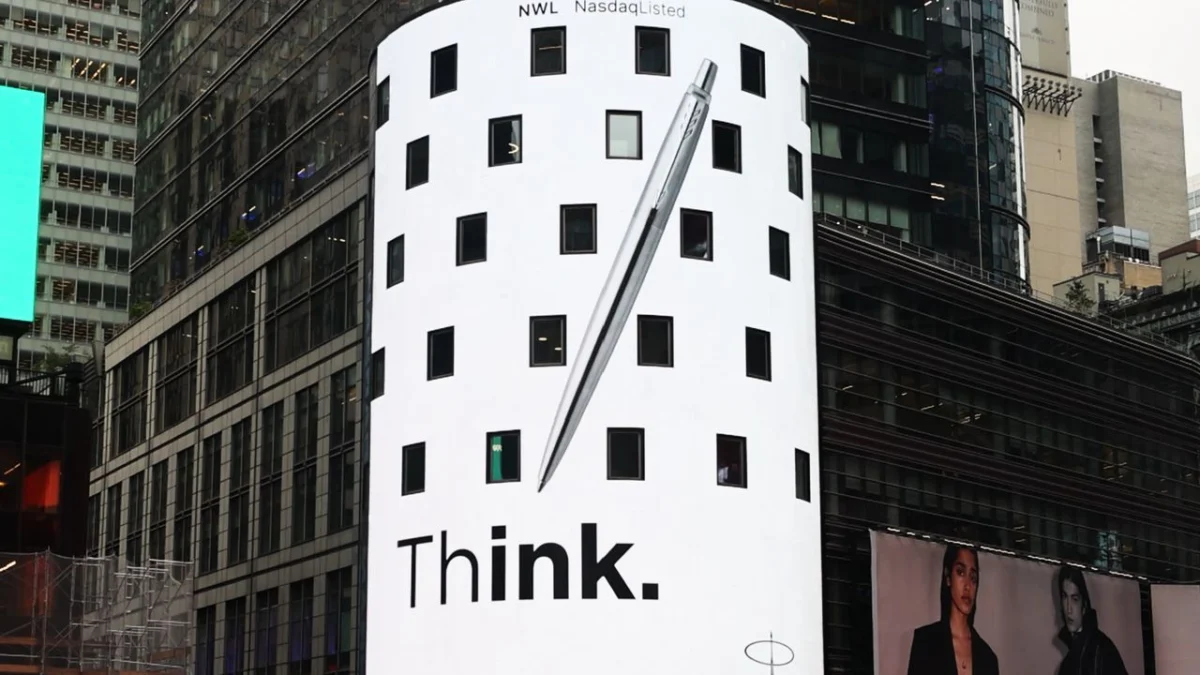
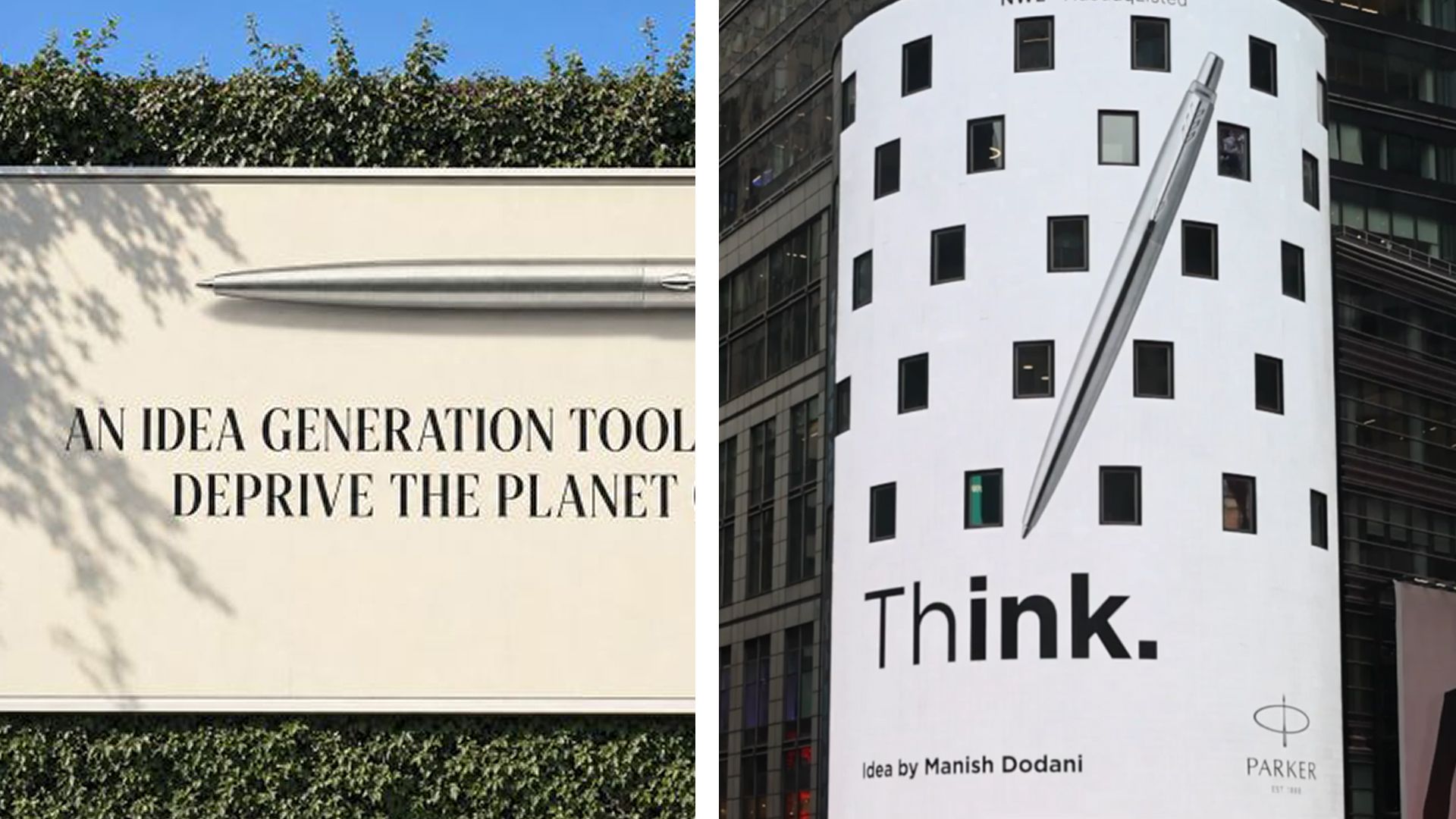
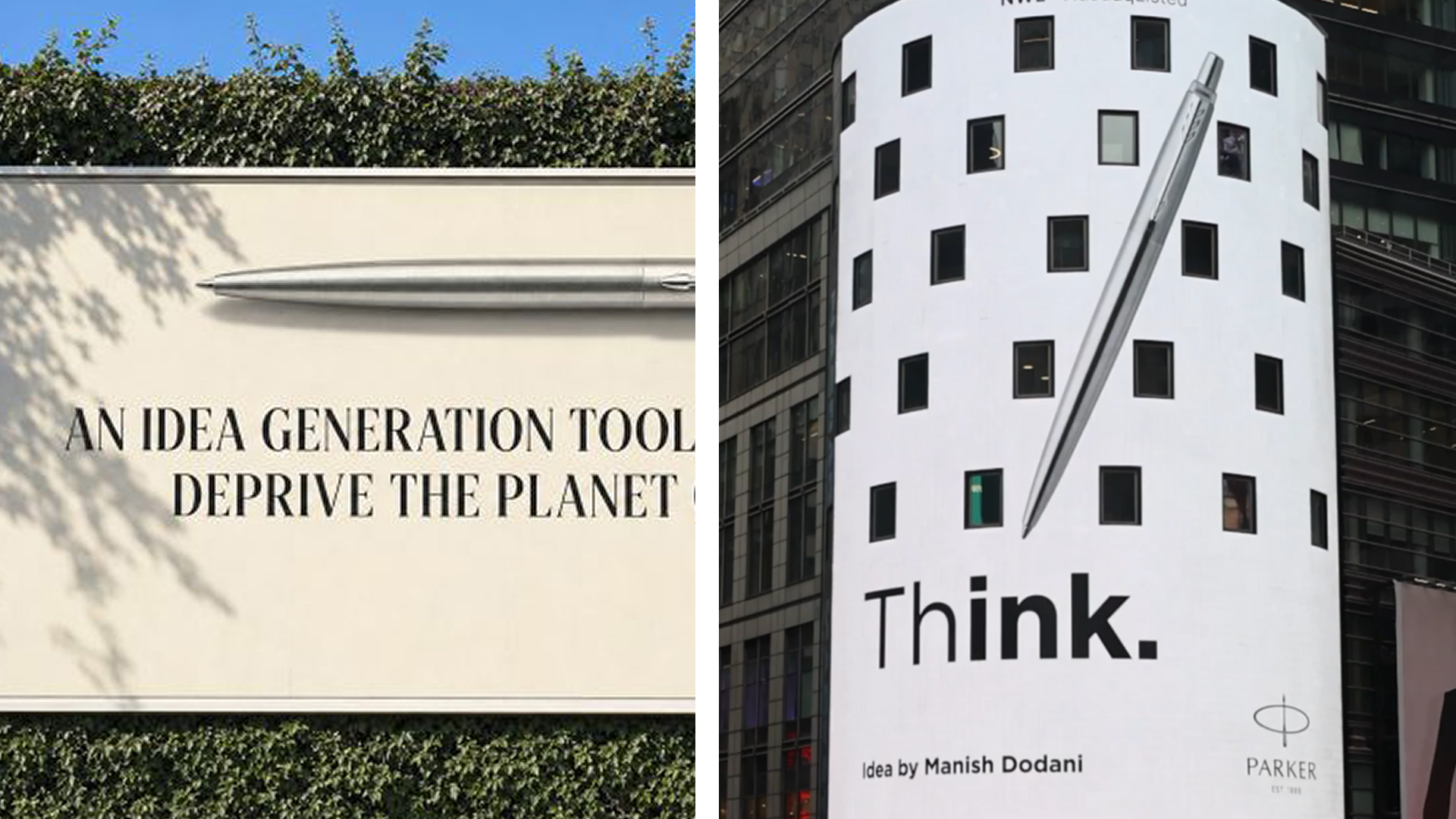
- Phase 4: The Selection (The Winning Concept): From a shortlist of ten, the "Think" concept, developed by designers Simon Sinclair and Manish Dodani, was crowned the winner. The design played on the word "think" by highlighting the "ink" at the heart of the word—a visual metaphor for the pen as an extension of the human mind.
- Phase 5: The Climax (Times Square): In a move that surprised industry observers, Newell Brands—the parent company of Parker—endorsed the project. They took the top 10 shortlisted designs and purchased space on a digital billboard in Times Square, giving these independent creators a global stage.
Supporting Data: Why the "Human" Angle Won
The success of this campaign wasn’t just a matter of good luck; it was supported by the very data that System 1 specializes in. The "Think" concept resonated because it tapped into a psychological shift among consumers.
According to marketing research, consumers are currently experiencing "AI fatigue." After a period of excitement surrounding generative tools, there is a growing yearning for tangible, authentic, and "slow" experiences. The Parker campaign succeeded because it didn’t try to out-tech the competition. Instead, it leaned into the tactile nature of the product.
Furthermore, the act of crowdsourcing 350 entries provided Parker with a treasure trove of market research. By observing the themes that appeared across the submissions—themes of permanence, memory, tactile sensation, and intellectual ownership—the brand gained an unfiltered look at how the public perceives its identity in the 21st century.
The Corporate Pivot: Official Response from Newell Brands
Often, when creators produce "spec" work for large brands, the corporate response is either silence or a cease-and-desist letter due to copyright concerns. Newell Brands, however, opted for a third, more enlightened path: validation and integration.
By officially sanctioning the campaign and funding the billboard placement, Newell Brands signaled a shift in their marketing philosophy. They transitioned from being a "top-down" broadcaster of brand messaging to a "platform" for their community. By crediting the originator of each of the 10 designs on the Times Square billboard, the company demonstrated a level of transparency and respect that is rare in high-level corporate advertising. This move effectively turned potential copyright friction into a brand-loyalty goldmine.
Implications for the Advertising Industry
1. The Death of the "Ivory Tower" Creative
This campaign proves that the "Big Agency" model is no longer the sole gatekeeper of high-impact advertising. When a brand is willing to listen to the public, the public will often provide better, more culturally relevant work than a boardroom of executives removed from the daily digital landscape.
2. The Power of "Accidental" Marketing
Parker benefited from the "accidental beneficiary" effect. They didn’t have to pay for an expensive agency pitch process or months of internal debate. They received the creative work for free and then leveraged their media budget to amplify it. This suggests a future where brands may intentionally build "open-source" marketing pipelines to capture the creativity of their user base.
3. The Human Touch as a Premium Asset
As digital content becomes cheaper and more abundant, the premium value of human-made work rises. Parker’s campaign suggests that the most effective marketing strategy for a legacy product in the AI age is to lean heavily into the "analog" nature of the product. The pen is no longer just a writing instrument; in the context of this campaign, it has become a symbol of cognitive sovereignty.
4. Agility as a Competitive Advantage
Perhaps the most significant takeaway for brands is the necessity of speed. If Newell Brands had spent three months "approving" the idea, the moment would have passed. The ability to move quickly—to recognize a trend on LinkedIn and pivot to a Times Square billboard in a matter of weeks—is the new benchmark for marketing success.
Conclusion: A New Standard for Brand Engagement
The #SellMeThisPen challenge is more than just a successful ad campaign; it is a blueprint for the future of brand-consumer relationships. It reminds us that at the heart of every great brand is a story, and the best stories are often told by those who use the product every day.
As we look toward the future, it is clear that the brands which thrive will be those that view their customers not as passive targets for advertising, but as active participants in the brand’s narrative. For the Parker Pen Company, the result was not just a viral moment—it was a renewal of their relevance. They proved that even in a world obsessed with the next digital breakthrough, there is still an undeniable, powerful space for a pen, a piece of paper, and a thoughtful idea.
For those inspired by this story, the lesson is clear: if you have a vision, share it. You never know when a simple post on LinkedIn might end up under the bright lights of Times Square. And for the rest of us, it is a timely reminder to put down the keyboard once in a while, pick up a pen, and remember the unique, human act of putting thoughts to paper.