

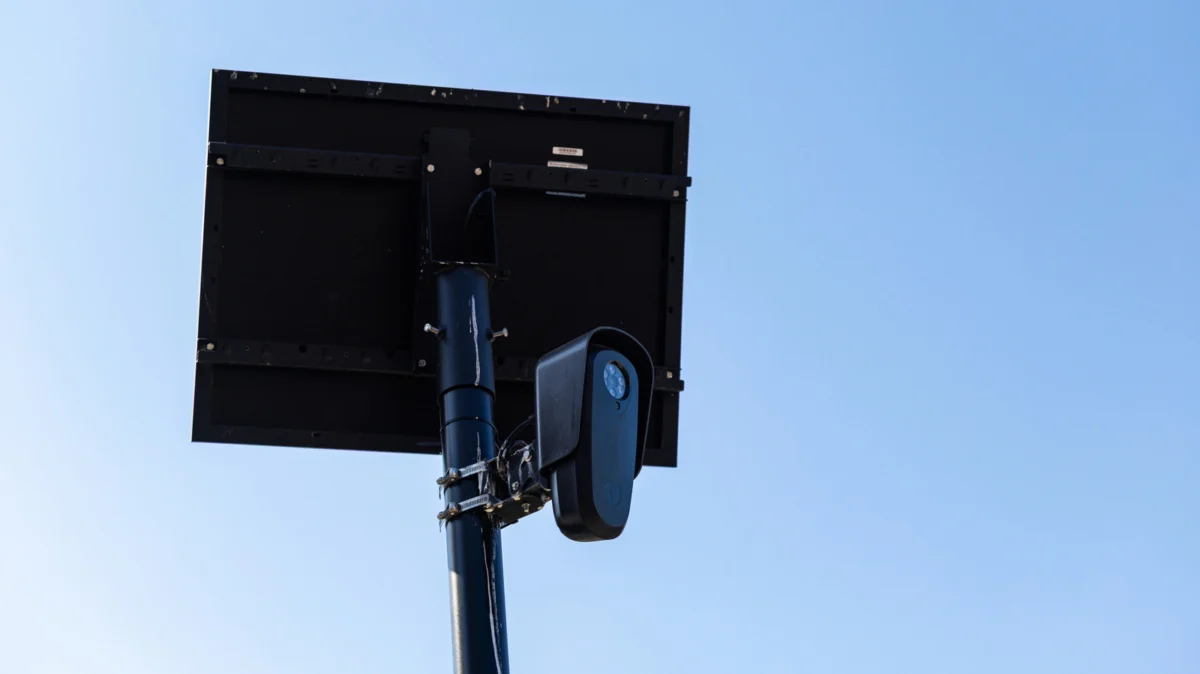
The landscape of American law enforcement technology is undergoing a seismic shift. In a move that signals a growing national fatigue toward ubiquitous digital surveillance, the Florida Department of Transportation (FDOT) has issued an immediate, state-wide ban on the use of automated license plate readers (ALPRs) on state-managed roadways.
This directive, issued via a memorandum from FDOT Chief Operating Officer Will Watts, mandates that existing permits for such devices are revoked and requires the physical removal of these cameras within 30 days of August 31, 2026. The decision marks a significant milestone in a year defined by public outcry, reports of data mismanagement, and a surge in the physical vandalism of surveillance infrastructure across the United States.
The Chronology of a Regulatory U-Turn
The road to this ban was paved by a rapid escalation in public concern and political rhetoric. While ALPR technology—often associated with providers like Flock Safety—has been a staple of modern policing for decades, 2026 became the tipping point for the industry.
- Early 2026: Reports of “surveillance creep” began to dominate local government hearings. Critics argued that the proliferation of cameras—originally marketed for high-level criminal investigations—was morphing into a system of constant, warrantless tracking of ordinary citizens.
- July 2026: The Los Angeles Police Department (LAPD), once a high-profile proponent of the technology, suspended its contract with Flock, citing systemic issues and public pressure.
- August 2026: The movement gained legislative momentum. On August 26, Florida Governor Ron DeSantis publicly characterized the prevalence of ALPRs as “out of control,” setting the stage for executive action.
- August 28, 2026: Texas Governor Greg Abbott took a parallel approach, announcing a freeze on state funding for any agencies seeking to acquire new Flock hardware, citing privacy and fiscal concerns.
- August 31, 2026: The FDOT issued its official memorandum, effectively banning the hardware from state infrastructure.
- Early September 2026: Counties in Ohio joined the trend, pausing their own usage of similar camera networks as investigations into alleged misuse began to mount.
Understanding the Scope: Why Florida Acted Now
The FDOT memorandum is notably blunt in its justification. It cites the "exponential increase" in camera deployments along public corridors, as well as "concerning reports of misuse, data privacy concerns, and surveillance schemes." The document argues that these factors "merit immediate action to preserve Floridians’ sovereignty and quality of life."
For the state, the issue has moved beyond mere utility. When law enforcement agencies began using these tools, the stated purpose was to track stolen vehicles or assist in high-stakes investigations, such as locating murder suspects. However, the mission creep—where data collected for one purpose is stored, shared, and analyzed for unrelated administrative or surveillance tasks—has triggered a constitutional pushback.
Governor DeSantis, in a recent podcast appearance, clarified the boundaries of this specific intervention. He acknowledged that while the state has direct authority over its own roads, the new rule does not immediately impact the estimated 98 percent of ALPRs currently installed on local municipal roads, private property, and corporate-owned access points. The ban represents a "first line of defense" against a wider, decentralized surveillance web.
The Dual-Edged Sword: Public Safety vs. Privacy
The debate over ALPRs is fundamentally a conflict between the efficiency of digital policing and the right to anonymous travel.
The Pro-Technology Perspective
Supporters of ALPR technology, including manufacturers like Flock Safety, argue that the systems are essential for modernizing law enforcement. Proponents point to the capture of high-profile fugitives—such as the recent case of a murder suspect tracked from Florida to West Virginia—as proof of efficacy. Beyond criminal justice, the company highlights use cases like:
- Emergency Response: Allowing fire departments to scan and survey incident scenes before arrival.
- Traffic Management: Monitoring congestion patterns to improve road safety.
- Resource Allocation: Allowing understaffed police departments to "do more with less" by identifying vehicles linked to amber alerts or active criminal warrants in real-time.
The Privacy Argument
Critics, including civil liberties groups and concerned citizens, argue that the "safety" narrative ignores the potential for abuse. The core complaints include:
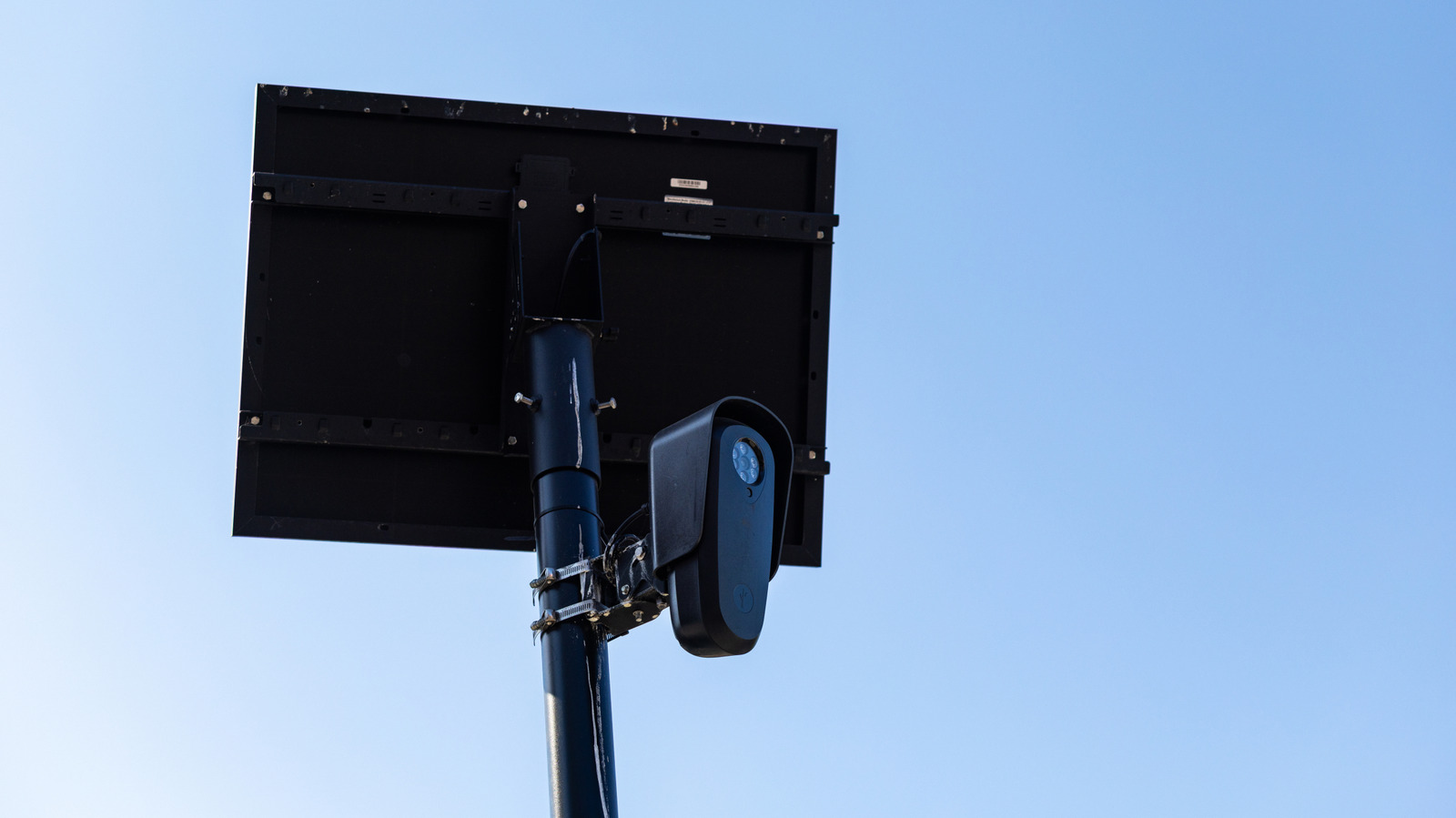
- Data Retention: Even when companies like Flock attempt to limit storage times, the existence of massive databases containing the movement history of law-abiding citizens is viewed as an inherent threat to civil liberty.
- Systemic Misuse: There have been documented instances where law enforcement officers have used these databases to track ex-partners, journalists, or political activists.
- Vandalism as Protest: In regions like Louisville, Kentucky, public frustration has moved beyond the courtroom. Records indicate a surge in the physical destruction of camera housings, suggesting that the government’s failure to regulate the technology has led to citizens taking matters into their own hands.
Official Responses and the Corporate Pivot
Flock Safety and other major players in the ALPR market are currently in a reactive posture. Faced with losing significant government contracts, the company has attempted to pivot by introducing more stringent internal policies. These include mandatory software updates designed to restrict officer access, shortened data retention windows, and more transparent audit trails.
However, the response from local authorities has been mixed. In Florida, the Jacksonville and Okaloosa county sheriff’s offices have proactively committed to removing ALPRs from their jurisdictions, suggesting that the political wind is shifting even at the local level. Conversely, some departments in other states remain steadfast, arguing that the technology is an indispensable tool in the fight against rising crime rates.
The Implications for Future Surveillance
The actions in Florida and Texas serve as a bellwether for how state governments may interact with private surveillance firms in the coming decade.
1. The Shift to Local Governance
Because state-level bans often only cover major arteries, the future of the "surveillance state" will likely be fought at the municipal level. City councils and county commissions will find themselves under increased pressure to hold public hearings on the necessity of these cameras.
2. The Demand for New Legislation
Regulatory memos are temporary; they can be overturned by future administrations or challenged in court. Real, long-term change will require comprehensive legislation that defines exactly what data can be collected, who owns that data, and under what conditions it must be destroyed.
3. The "Anti-Surveillance" Market
The growing distrust of high-tech monitoring is creating a vacuum that may be filled by new, privacy-centric security solutions. As states move to remove centralized, government-controlled ALPRs, there may be a renewed emphasis on community-based policing or more localized, less invasive security measures.
4. A Precedent for Other States
Florida’s decision to cite "sovereignty and quality of life" as reasons for the ban sets a potent precedent. It frames the debate not as a disagreement over police effectiveness, but as a fundamental question of whether the government has the right to monitor the movement of its citizens in real-time.
Conclusion
The banning of Flock cameras on Florida’s state roads is more than just a logistical adjustment to traffic management; it is a profound political statement. It acknowledges that the rapid adoption of new surveillance technology has outpaced the legal and ethical frameworks required to manage it.
As Florida, Texas, and several other regions navigate this transition, the central question remains: Is it possible to maintain public safety without sacrificing the anonymity of the public? For now, the answer from a growing number of regulators is that the current model of widespread, automated tracking is untenable. Whether this leads to a permanent cooling of the surveillance era or merely a temporary pause remains to be seen, but one thing is clear: the era of unchecked deployment of license plate readers has officially come to a close.











