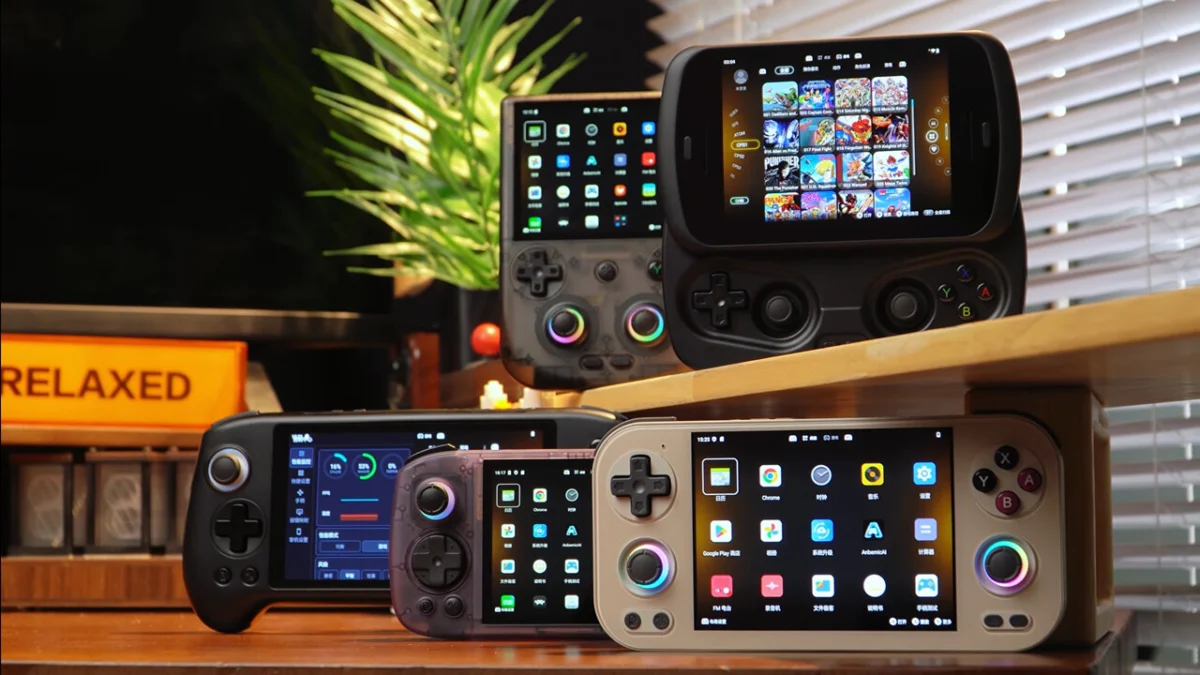
In a significant pivot for the retro-gaming hardware market, Anbernic has officially launched a comprehensive software update for its T820-based Android handheld series. This move, which emphasizes long-term software support over the rapid release of new hardware, marks a strategic departure from the company’s traditional business model. By introducing the unified "RG Ecosystem," Anbernic aims to refine the user experience, mitigate previous complaints regarding software bloat, and provide a polished, first-party alternative to third-party frontends.
The Core Transformation: A Shift in Focus
For years, the enthusiast community has viewed Anbernic as a prolific manufacturer of high-quality hardware often let down by inconsistent, unoptimized, or cluttered Android implementations. Users frequently resorted to installing third-party launchers, custom frontends, or even alternative operating systems to bypass the manufacturer’s own software.
With this latest update, Anbernic is attempting to reclaim the user experience. By focusing on the "RG Ecosystem," the company is signaling that the hardware specifications—while important—are no longer the only metric of a product’s success. The company’s new roadmap suggests a shift toward "software-first" maintenance, promising to bring modern, cohesive functionality to devices that have already reached the consumer’s hands.
Scope of the Rollout: Supporting the T820 Fleet
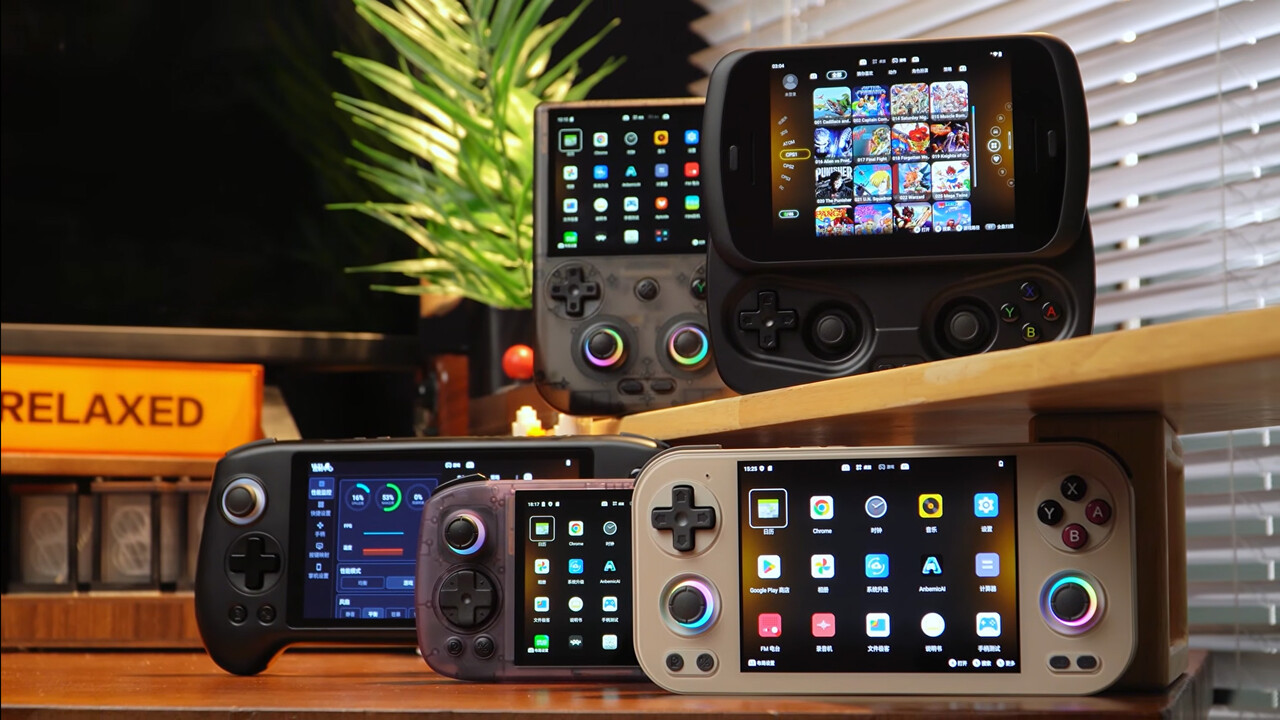
The update is currently being deployed to all T820-based handhelds released since early 2025. This includes a robust lineup of popular devices that have dominated the mid-range handheld market:
- RG556: The company’s flagship OLED-equipped handheld.
- RG406V: The vertical-form-factor powerhouse.
- RG406H: The horizontal counterpart to the 406 series.
- RG Slide: The unique slider-form-factor device.
- RG476H: The latest iteration in the performance-oriented lineup.
Owners can access the update via two channels: an Over-the-Air (OTA) notification directly on the device, or by manually downloading the firmware files from Anbernic’s official support portal. This accessibility is a welcome improvement, as previous update processes were often cumbersome and opaque.
Breaking Down the "RG Ecosystem"
The heart of this update lies in two major software pillars: the new "RG Home" frontend and the "RG Control Center."
RG Home: A Modernized Interface
The legacy "RG Launcher" has been a frequent point of contention, often criticized for its dated aesthetic and lack of integration with the wider Android environment. "RG Home" replaces this entirely with a modern, modular design. Key features include:
- Streamlined Navigation: A redesigned menu structure featuring dual-sidebars, allowing for quick access to system settings, library filtering, and app management.
- Enhanced Integration: The interface is built to treat native Android applications as first-class citizens, rather than tacked-on extras.
- Cohesive Design Language: The UI is cleaner and more intuitive, explicitly designed for users who want to avoid the technical hurdle of installing alternative launchers like Pegasus or Daijishō.
RG Control Center: The Missing Link
Perhaps the most requested feature from the community has been a universal overlay system. The new "RG Control Center," which can be triggered via a simple swipe gesture from the edge of the screen, addresses this gap. Once activated through the Android quick-settings menu, it offers:
- Performance Toggling: Users can switch between power-saving, balanced, and performance profiles on the fly.
- Live Metrics: A system monitor overlay provides real-time data on CPU, GPU, and battery performance.
- Centralized Configuration: All key settings, including display brightness, volume, and button mapping, are now housed in one place, preventing the need to exit a game to make minor adjustments.
Advanced Customization and Mapping
The update also introduces robust remapping capabilities that expand the potential for Android-native gaming. Players can now create custom button profiles, assign touch inputs to physical buttons, and save specific overlays for individual titles. This is a game-changer for Android games that were designed exclusively for touchscreens, as it allows users to map complex virtual gestures to the T820’s physical controller inputs.
Chronology of the Update Strategy
The road to this release was not immediate. Historically, Anbernic relied on rapid-fire hardware iterations. However, internal pressure and community feedback from 2024 began to highlight a growing disconnect between hardware power and software utility.
- Q3 2024: Community feedback reaches a peak regarding the "messy" state of the Android software on the RG556.
- Q1 2025: Anbernic begins teasing a unified software vision in early hardware releases.
- Late Q1 2025: Official announcement of the T820-wide firmware overhaul.
- Current Deployment: The rollout of RG Home and RG Control Center to the full fleet of 2025 models.
Implications for the Handheld Market
The decision to focus on a unified software ecosystem has broad implications for the handheld industry.
1. Retention and Brand Loyalty
By improving the software, Anbernic is essentially increasing the lifespan of its existing hardware. A device that feels "new" because of a software update is more likely to stay in the user’s hands than one that is sold off on the second-hand market. This builds brand loyalty and creates a more sustainable customer base.
2. Competition with "Handheld PCs"
While Anbernic competes primarily in the ARM-based Android space, the line between Android handhelds and Windows-based handheld PCs is blurring. By making their UI feel more "console-like" and professional, Anbernic is narrowing the gap in user experience, making the transition from a Nintendo Switch or Steam Deck to an Anbernic device feel less jarring.
3. The End of "Bloatware"
The tech community has long complained about the "bloat" that accompanied Chinese handhelds. If Anbernic successfully maintains this "RG Ecosystem" and keeps it clean, it could set a new industry standard. Competitors will likely be forced to follow suit, leading to a higher baseline quality for software across the board.
Official Stance and Future Outlook
In a video breakdown of the new features, Anbernic representatives hinted that the "RG Ecosystem" is a modular project. This implies that the features launched today are not static. Future updates could bring cloud-syncing for game saves, improved media management, or even deeper integration with third-party emulation cores.
While the company has not explicitly promised to back-port these features to older, non-T820 devices, the architecture of the new software is designed for scalability. Should this rollout prove successful in terms of customer satisfaction and reduced support tickets, it is highly probable that the software will be refined and ported to other existing models in the Anbernic catalog.
Conclusion: A Turning Point?
Anbernic is currently at a crossroads. For years, the company was the gold standard for build quality but the subject of jokes regarding software implementation. By investing in a cohesive, user-friendly, and highly functional ecosystem, Anbernic is finally addressing its most significant weakness.
For the end user, this is a victory. The T820-based handhelds are already impressive pieces of hardware; with a software experience that finally matches the build quality, these devices are poised to remain relevant for years to come. Whether this marks a permanent shift toward "software-first" development remains to be seen, but the initial results suggest that Anbernic has finally listened to its most important critic: the community. As the handheld market matures, it is clear that hardware is only half the battle—and Anbernic is finally fighting on both fronts.