In a significant strategic pivot aimed at reclaiming the developer ecosystem, Microsoft has officially announced "Project Zenith," a specialized, high-performance iteration of the Windows 11 operating system. Designed from the ground up to serve as a "ready-to-code" environment, Project Zenith aims to bridge the gap between heavy cloud-based AI infrastructure and the local workstation. By pre-configuring complex development environments and optimizing for extreme hardware, Microsoft is positioning this OS as the definitive platform for the next generation of artificial intelligence engineers.
The Genesis of Project Zenith: Bridging the Local-Cloud Divide
The launch of Project Zenith is not merely a software update; it is a direct response to the "AI token crisis." As corporate reliance on large language models (LLMs) and autonomous agents has grown, so too has the financial burden of API calls. Recent industry reports, including data from Goldman Sachs, indicate that agentic AI workflows can consume up to 1,000 times more tokens than standard conversational AI queries. This astronomical increase in operational costs has triggered a "token-maxxing" panic across major tech sectors, forcing companies to reconsider the sustainability of purely cloud-dependent AI architectures.
Project Zenith seeks to mitigate these costs by enabling developers to run complex 30B+ parameter models locally. By moving the processing burden from expensive, metered cloud servers to high-performance local hardware, Microsoft is offering developers a reprieve from the "bite of tokenized billing."
Chronology: From Concept to Deployment
The path to Project Zenith began as Microsoft identified a recurring pain point among professional developers: the "configuration tax." In modern software engineering, the time spent setting up environments—installing dependencies, configuring WSL (Windows Subsystem for Linux), managing Node/Python versions, and securing local containers—can consume days of productivity.
- Q1 2026: Microsoft internal teams began prototyping a "Developer-First" Windows kernel designed to strip away non-essential background processes and prioritize low-latency task execution.
- Q2 2026: Collaboration with AMD intensified, focusing on the integration of the Ryzen AI Max+ 395 silicon, which offers the unified memory architecture required for large-scale local AI inferencing.
- September 4, 2026: Microsoft officially announces Project Zenith via the Windows Developer Blog, confirming its initial exclusivity to the AMD Ryzen AI Halo hardware platform.
- Future Roadmap: Microsoft has signaled that while the launch is focused on specific, high-end OEM workstations, the project will expand to support a broader range of hardware configurations, provided those systems meet the stringent memory and bandwidth requirements.
The Hardware Foundation: Why "Halo" Matters
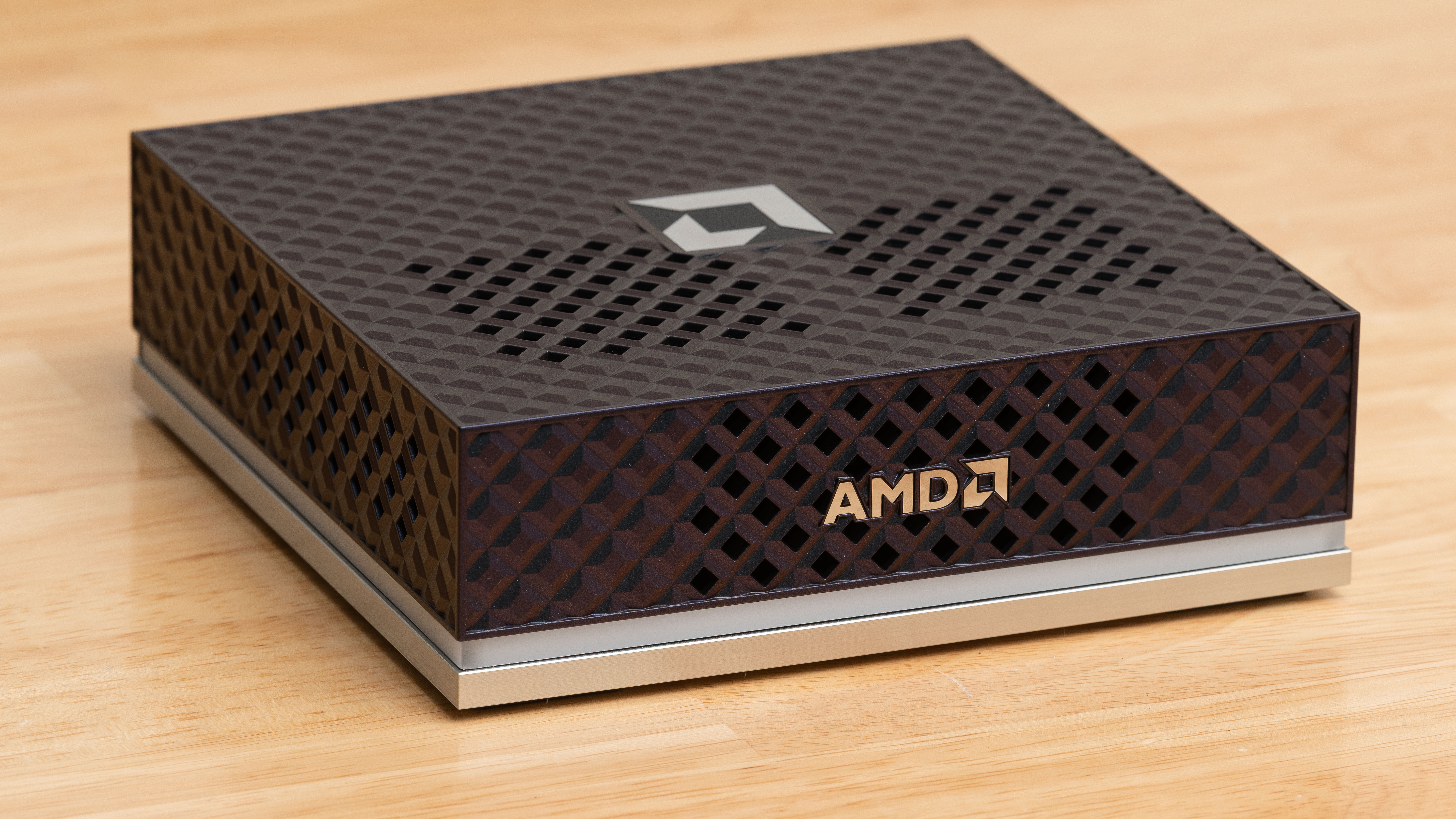
The debut of Project Zenith is intrinsically tied to the launch of the AMD Ryzen AI Halo, a machine that serves as the current gold standard for this new OS. To run local AI agents effectively, Microsoft specified hardware requirements that current mainstream laptops simply cannot meet.
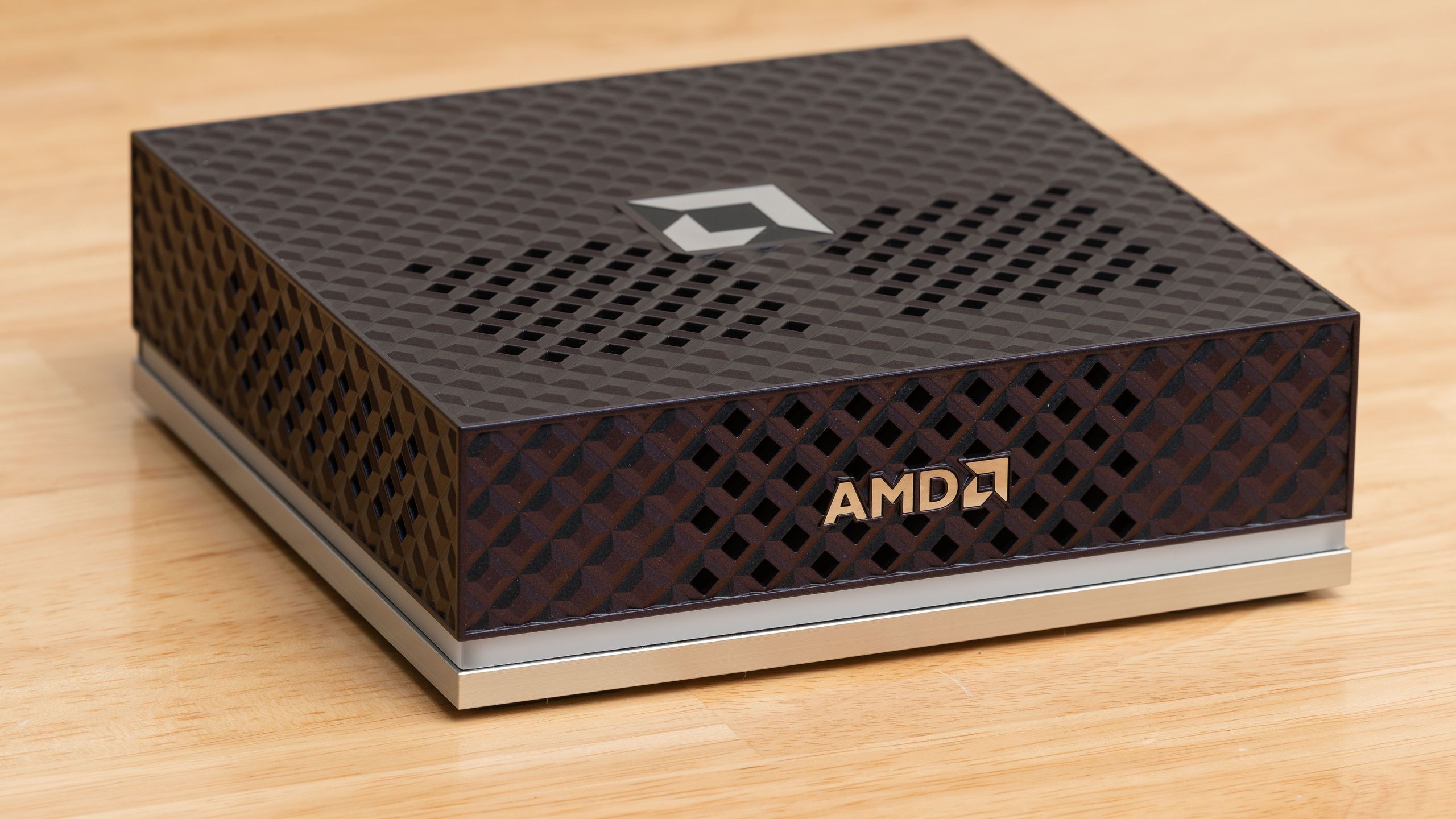
The AMD Ryzen AI Halo features the Ryzen AI Max+ 395 processor, paired with a staggering 128GB of LPDDR5x-8000 RAM. This configuration is vital because AI models, particularly those with 30 billion parameters, require immense memory bandwidth—specifically the 250+ GB/s throughput provided by this hardware. With a retail price of $3,999.99, the device is clearly aimed at professional enterprises and high-end AI research labs.
The reliance on unified memory is the defining constraint of the project. Because the GPU and CPU share the same pool of high-speed memory, the bottleneck for AI performance is shifted from the bus speed to the capacity of the RAM itself. As the tech industry faces rising memory prices, the hardware requirement for Project Zenith represents a significant barrier to entry, potentially limiting the OS to premium enterprise environments in the short term.
Deep Dive: The "Ready-to-Code" Experience
Project Zenith is characterized by its "distraction-free" philosophy. Microsoft has moved away from the bloatware-heavy consumer version of Windows 11, opting for a streamlined, pre-configured environment that includes:
- Integrated Tooling: The OS ships with Visual Studio Code, GitHub Copilot, and the full suite of AzureCLI tools pre-installed.
- Development Ecosystem: It includes native support for Python 3.14+, Node 24+, and .NET 10, ensuring that developers can begin coding the moment the OS initializes.
- Containment and Security: Perhaps the most critical feature for enterprise users is the introduction of Microsoft Execution Containers (MXC). By utilizing OS-enforced identity and hardware-level containment, Project Zenith ensures that experimental AI agents cannot compromise the host system or leak proprietary data.
- Environment Automation: Tools like "Windows Dev Skills" and the "Intelligent Terminal" manage environment variables and path configurations automatically, effectively eliminating the "it works on my machine" phenomenon.
Implications for the AI Industry
The introduction of Project Zenith carries profound implications for the software development landscape.
1. The Decentralization of AI Compute
By enabling the local execution of large models, Microsoft is effectively decentralizing the AI stack. While "frontier models" (such as GPT-5 or similar future iterations) will inevitably remain in the cloud due to their sheer scale, the "agentic layer"—the logic that runs autonomously to perform tasks—can now be shifted to the edge. This provides developers with the privacy and cost-efficiency needed for iterative testing.
2. The Return of the "Workstation"
For years, the industry trend has favored thin, portable laptops tethered to cloud services. Project Zenith represents a return to the era of the "power workstation." The requirement for 64GB of RAM and massive memory bandwidth suggests that the future of professional development is once again tied to local compute power.
3. Economic Hurdles
The cost of entry is the most significant criticism facing the initiative. At $4,000 for the initial launch hardware, Project Zenith is currently out of reach for individual developers, students, and startups. As memory prices continue to climb—having surged nearly 500% in some market segments over the last year—the "AI Tax" on hardware may inadvertently create a digital divide in the developer community, where only well-funded organizations can afford the equipment necessary to build efficient, local-first AI applications.
Official Stance and Market Reception
Microsoft’s marketing for Project Zenith centers on the concept of "uninterrupted flow." In their official statement, the company emphasizes that by removing the friction of configuration, they are allowing developers to focus on the logic of their AI agents rather than the maintenance of their environment.
Industry analysts have responded with cautious optimism. While the efficiency gains for AI developers are undeniable, the reliance on high-cost hardware is seen as a "gated community" approach. However, many experts acknowledge that this is a necessary evolution. As the industry matures beyond the initial excitement of generative AI, the focus is shifting toward the sustainability of the underlying architecture. Project Zenith is Microsoft’s answer to that shift: a high-performance, secure, and opinionated environment that assumes the developer knows exactly what they need, but requires the hardware to support the complexity of the future.
Conclusion
Project Zenith is a clear statement of intent from Microsoft. By aligning their software expertise with the raw power of next-generation silicon, they are attempting to standardize the developer experience in an era defined by AI. Whether this will successfully curb the rising costs of tokenized billing or merely highlight the growing expense of high-end hardware remains to be seen. For now, it stands as the most ambitious effort yet to bring the power of the cloud directly to the local workstation, ensuring that the developers of tomorrow have the tools they need to build the next wave of intelligence—without breaking their budgets or their workflows.