In an era dominated by haptic feedback on glass screens and the ephemeral nature of digital notes, there remains a resilient, growing subculture that finds solace in the tactile friction of nib against paper. For design enthusiasts and professionals, the fountain pen represents more than just a tool; it is a statement of intent, a commitment to deliberate thought, and an aesthetic bridge to a more intentional past. While heritage brands like Montblanc and Kaweco have long dominated the conversation regarding luxury writing instruments, a shift is occurring.
The market is currently witnessing a democratisation of luxury, spearheaded by brands like Beiluner. By blending high-end design sensibilities with accessible pricing, Beiluner has captured the attention of both seasoned pen collectors and newcomers looking to elevate their daily carry. With a current promotional offer slashing the price of their signature luxury fountain pen by 47%—down to just $19.98 on Amazon—the conversation around what constitutes "luxury" in the 21st century has never been more relevant.
The Evolution of the Writing Instrument: A Chronology of Elegance
To understand the appeal of the Beiluner phenomenon, one must first appreciate the history of the fountain pen.
The Early Innovations (1880s–1920s)
The modern fountain pen as we recognize it was solidified in the late 19th century with the introduction of reliable ink feed systems. Lewis Waterman’s patent in 1884 turned the fountain pen from a leaking curiosity into a professional necessity. Throughout the early 20th century, these instruments became status symbols, utilized by world leaders to sign historic treaties and by authors to draft literary classics.
The Mid-Century Shift (1950s–1980s)
The rise of the mass-produced ballpoint pen in the 1950s threatened to relegate the fountain pen to the realm of the hobbyist. During this period, companies moved toward utilitarian design. The focus shifted from the artistic flair of the nib to the convenience of the cartridge.
The Modern Renaissance (2010s–Present)
The last decade has seen a resurgence in "slow design." Much like the return of vinyl records, the fountain pen has seen a massive uptick in interest among younger generations. This resurgence is not driven by nostalgia alone, but by a desire for better ergonomics, sustainability (as fountain pens reduce plastic waste compared to disposable pens), and the unique character of handwriting.
Anatomy of the Beiluner Luxury Fountain Pen: Technical Specifications
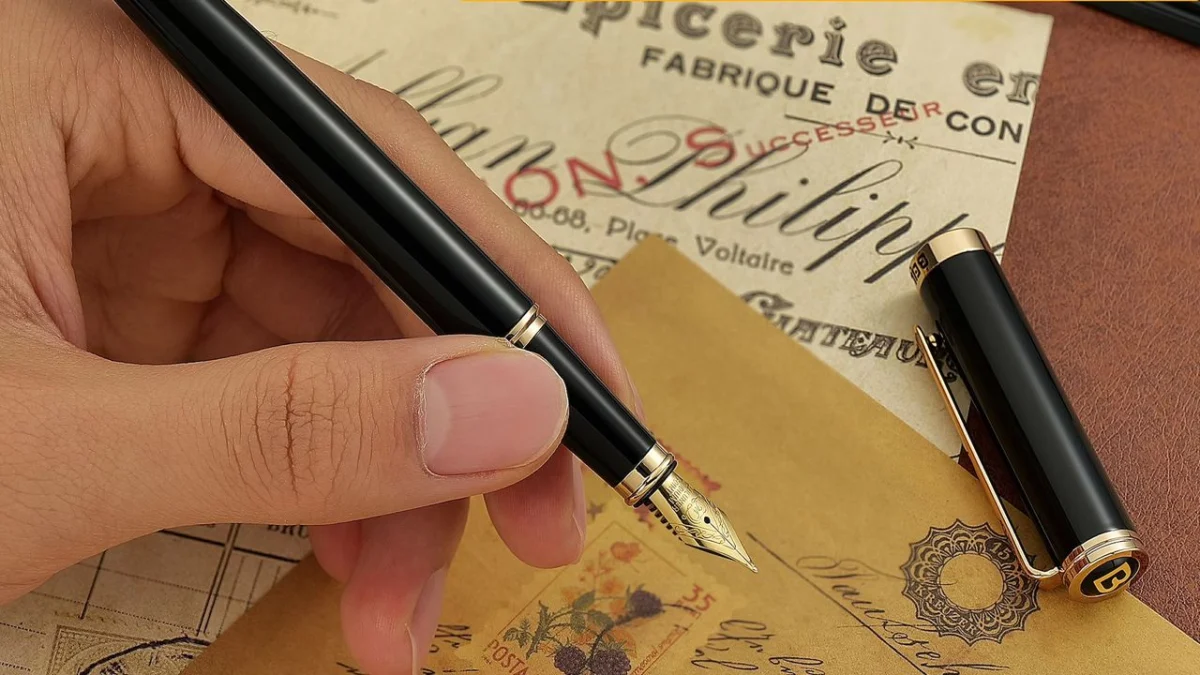
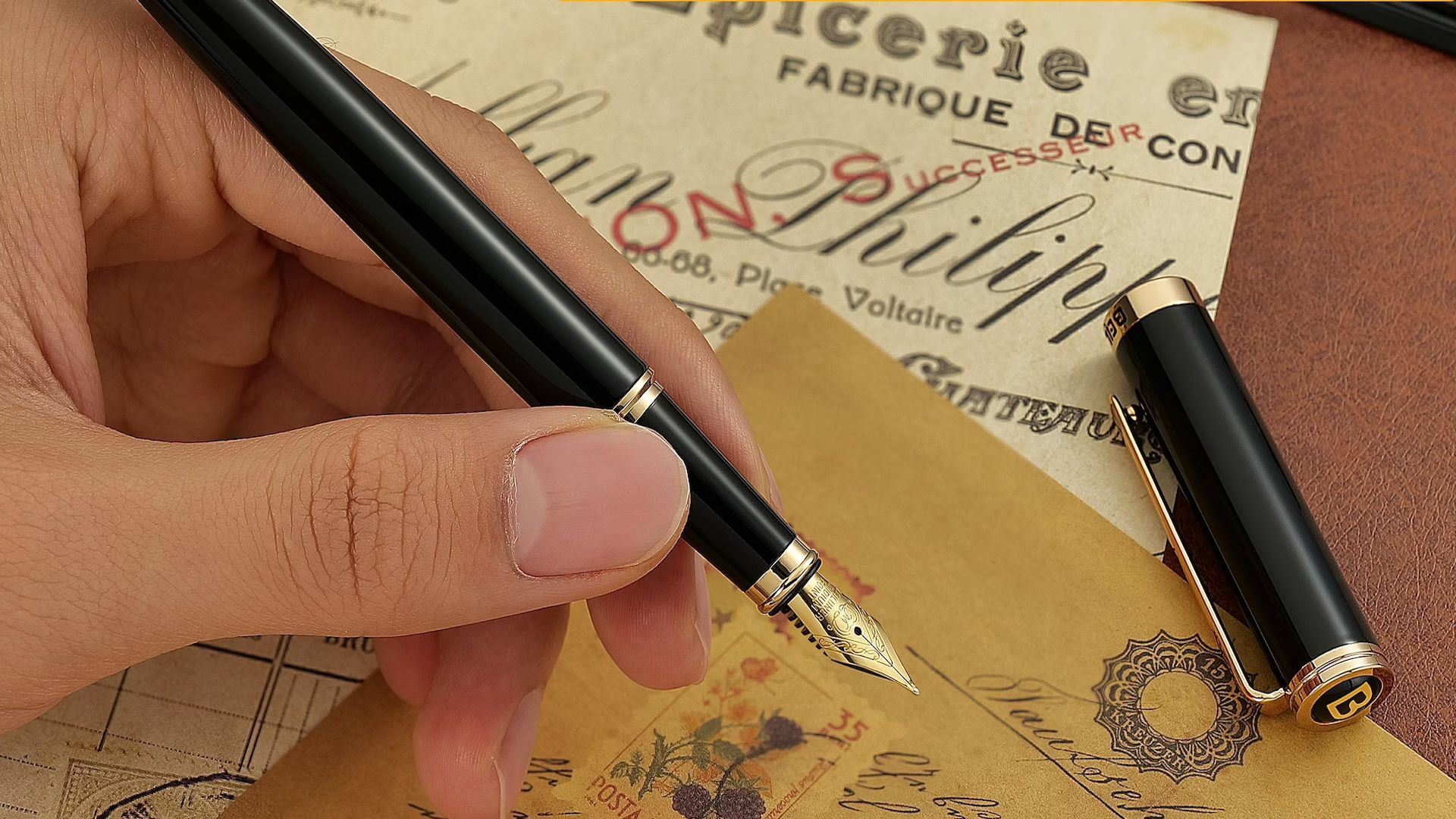
The Beiluner fountain pen has ascended to the top of Amazon’s best-seller lists by focusing on three core pillars: aesthetic finish, component quality, and consistent flow.
1. The 24k Gold Aesthetic
The pen’s exterior features a sophisticated, classically elegant design. The inclusion of 24k gold-plated accents provides a visual gravitas that is rarely found at the sub-$20 price point. This finish is designed to resist tarnishing, ensuring that the pen maintains its professional luster even with daily use in a corporate environment.
2. The German Schneider Ink Absorber
The heart of any fountain pen is its ink delivery system. Beiluner utilizes a German-engineered Schneider ink absorber (converter). German engineering has long been the gold standard for precision, particularly in the realm of nibs and feed systems. By sourcing this critical component from Germany, Beiluner ensures a smooth, skip-free writing experience that rivals pens costing five times as much.
3. Ergonomics and Weight Distribution
Balance is the defining characteristic of a "luxury" feel. A pen that is too light feels cheap; one that is too heavy causes hand fatigue. The Beiluner is weighted to sit comfortably in the web of the thumb, allowing for extended writing sessions without strain. This balance is critical for calligraphers, journalers, and professionals who still rely on long-form drafting.
Supporting Data: The Rise of "Affordable Luxury"
Market data from the stationery sector indicates a significant trend toward "accessible prestige." According to industry reports on consumer habits, there has been a 15% year-over-year increase in the sales of premium writing instruments priced under $50.
| Feature Category | Traditional Luxury Brand | Beiluner Market Position |
|---|---|---|
| Material Quality | Precious Resins/Gold | High-Grade Metal/24k Plating |
| Engineering | Proprietary/Heritage | German-Sourced Components |
| Price Point | $300 – $1,200 | $19.98 (On Sale) |
| Target Audience | Collectors/Status Seekers | Professionals/Students/Designers |
The success of the Beiluner model lies in its ability to strip away the "brand tax"—the massive markup associated with heritage luxury logos—while retaining the tactile satisfaction that users crave. By utilizing efficient digital supply chains and a direct-to-consumer approach via Amazon, the brand has been able to maintain profitability while passing significant savings to the consumer.
Official Perspectives: Why Design Matters
In the world of product design, the pen is the ultimate test of form and function. Daniel John, Design Editor at Creative Bloq, notes: "We often talk about the importance of tools in the creative process. A pen isn’t just about ink on paper; it’s about the connection between the mind and the page. When you use a well-weighted, smooth-flowing instrument, your thought process changes. It becomes more deliberate."
The feedback from users echoes this sentiment. Amazon reviews frequently highlight the "luxury feel" that exceeds the price tag. For many, this pen serves as a gateway product—a way to enter the world of fountain pens without the high barrier to entry that typically deters beginners. The current discount, moving the price from $37.99 down to $19.98, removes the final friction point for those who were previously on the fence about making the switch from disposable plastic pens.
The Implications: A Changing Professional Landscape
The proliferation of high-quality, affordable fountain pens has broader implications for both the stationery industry and the professional workplace.
Sustainability and the "End of Disposable"
One of the most significant implications is the environmental impact. The global stationery market produces millions of tons of plastic waste annually through disposable ballpoints. By normalizing the use of refillable fountain pens with high-quality ink converters, companies like Beiluner are inadvertently leading a movement toward more sustainable office practices.
The Psychological Benefit of Analog Tools
In a high-pressure, digitally saturated environment, the act of writing by hand has been shown to improve memory retention and reduce stress. The "slow down" required to use a fountain pen—capping and uncapping, filling the converter, and the necessity of writing at a controlled speed—serves as a form of mindfulness. The Beiluner pen makes this practice accessible to everyone, not just those with significant disposable income.
Competitive Pressure on Heritage Brands
Heritage pen manufacturers are now facing a reality where their mid-range products are being out-competed by high-quality, budget-friendly alternatives. This shift is forcing long-standing brands to innovate, either by justifying their price points through artisanal craftsmanship or by developing their own entry-level lines to compete with the disruptive pricing of brands like Beiluner.
Conclusion: An Investment in Thought
While we may live in a digital-first world, the pen remains the primary instrument of human expression. The Beiluner luxury fountain pen is a testament to the fact that quality does not necessarily require a four-figure price tag. By combining elegant aesthetics, reliable German-engineered components, and an accessible price point, Beiluner has created a product that satisfies the dual needs of modern consumers: the desire for luxury and the necessity of value.
For those looking to upgrade their desk setup, or simply looking to find more joy in their daily note-taking, the current Amazon promotion represents a unique opportunity. At under $20, the cost of entry into the world of fountain pens is lower than it has been in decades. As we continue to navigate a world of shifting digital paradigms, picking up a pen and putting it to paper remains, perhaps, the most radical and rewarding act of all.