

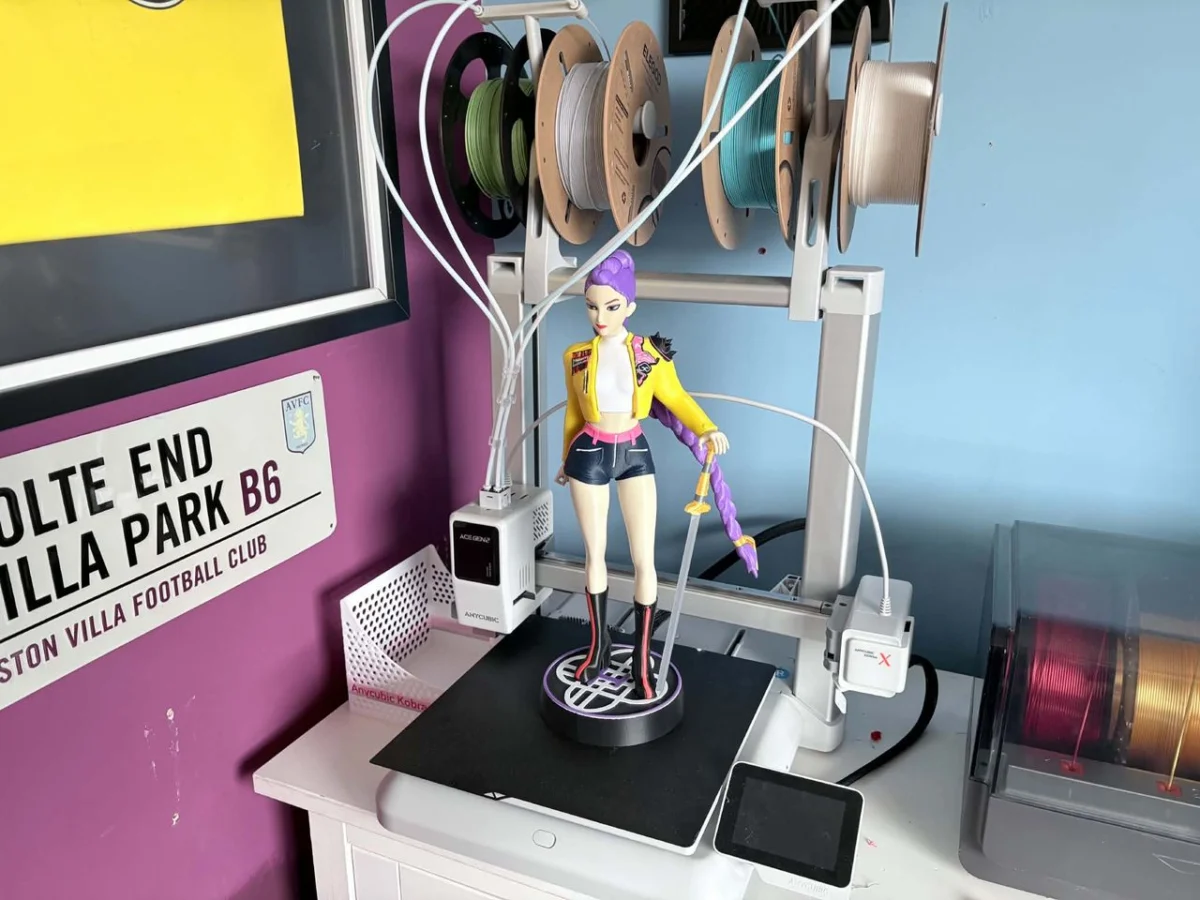
The landscape of desktop 3D printing is evolving at a breakneck pace, and few companies embody this aggressive growth strategy quite like Anycubic. However, a recent development has sparked a broader conversation about brand loyalty, product lifecycles, and the sustainability of "rapid-fire" manufacturing. As the Anycubic Kobra X sees a significant price reduction—dropping by $100/£100 on the official company storefront—enthusiasts are left grappling with a mix of excitement and frustration. While the discount presents a compelling entry point for newcomers, it highlights a recurring friction point for existing customers: the feeling that their hardware is being rendered obsolete almost as soon as it arrives on their doorsteps.
The Current Landscape: A Price Drop for the Kobra X
For those currently in the market for a high-performance FDM (Fused Deposition Modeling) printer, the timing could not be better. The Anycubic Kobra X, which represents one of the latest entries in the company’s extensive catalog, is currently available at a substantial discount.
This price adjustment—a reduction of $100/£100—positions the Kobra X as a highly competitive option in a crowded market. For the uninitiated, the Kobra X is designed to balance user-friendly features with the speed and precision demanded by modern hobbyists. However, the optics of this sale are complicated by the company’s recent history of rapid product releases. For many early adopters, the notification of this sale comes mere weeks after they received their full-priced units, leading to a palpable sense of buyer’s remorse.
Chronology of Rapid Releases: From Kobra 3 to the Horizon of the Kobra 4
To understand why the community is currently feeling "printer fatigue," one must look at the timeline of Anycubic’s recent output. The company has moved away from the traditional, multi-year product development cycle, favoring a model that feels more akin to the smartphone industry.
- The Kobra 3 Era: The launch of the Kobra 3 series was met with significant anticipation, promising enhanced stability and multi-material capabilities. However, as noted in long-term testing, the V2 iterations and subsequent patches suggested that the platform was still maturing even after it reached the consumer.
- The Kobra X Introduction: Following closely on the heels of the 3 series, the Kobra X was positioned as an evolutionary step, intended to streamline the user experience and address earlier pain points.
- The Shadow of the Kobra 4: Rumors—and now, official teasers—regarding the upcoming Kobra 4 have begun to circulate. The prospect of yet another flagship model landing before the current generation has even established its long-term reliability record has created a confusing narrative for potential buyers.
This "churn" creates a specific type of market volatility. When a flagship machine is replaced or discounted so aggressively shortly after its debut, it suggests that the product’s lifecycle is being artificially truncated by the pressure to keep up with competitors like Creality or Bambu Lab.
Supporting Data: The Cost of Perpetual Innovation
The 3D printing industry is currently experiencing a "spec-sheet war." Manufacturers are competing on metrics like print speed (measured in mm/s), acceleration, and the complexity of multi-color systems.
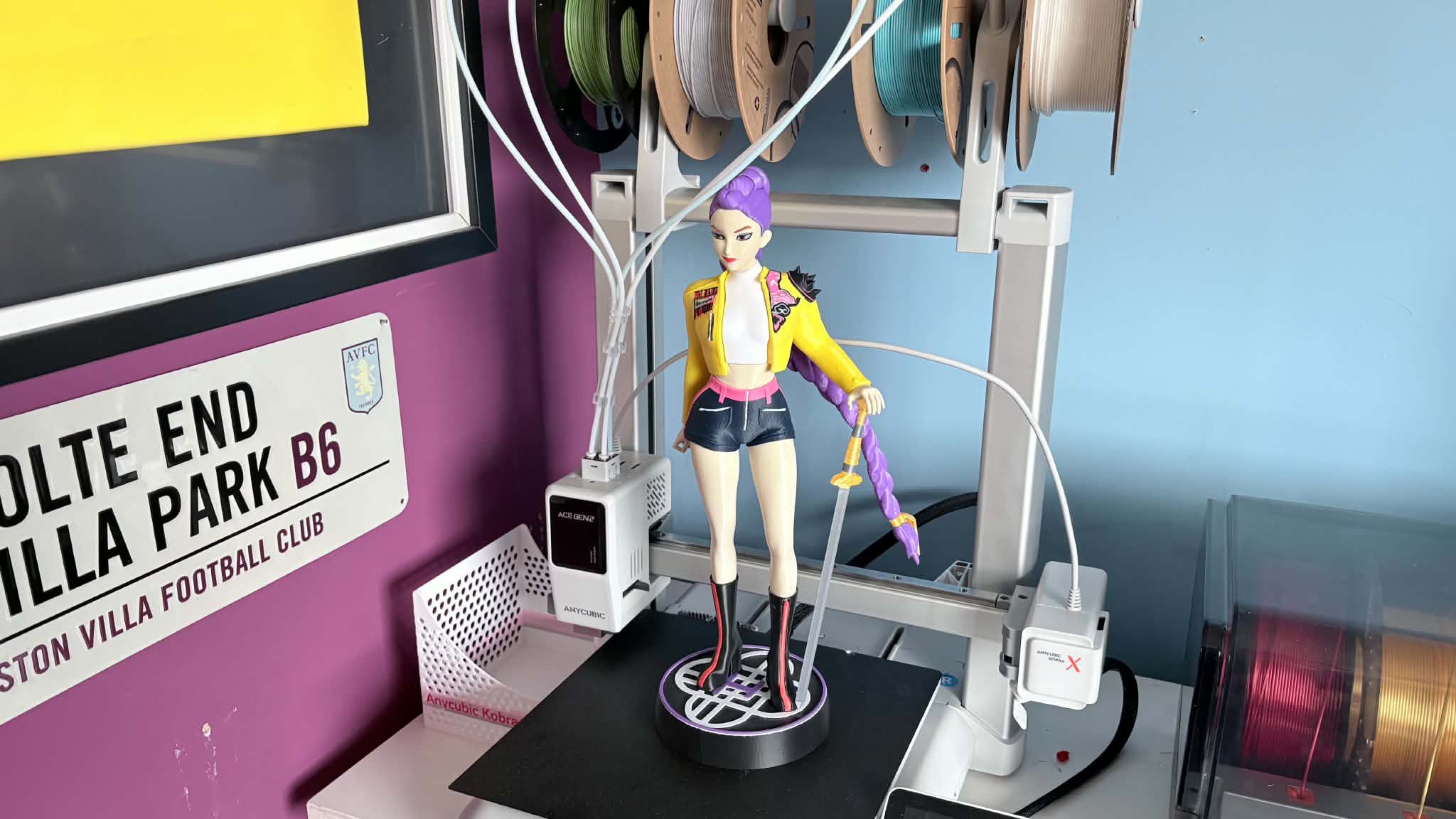
Data from community forums and user feedback platforms indicate that while the hardware specs of the Kobra series continue to climb, the "soft" metrics of user experience—firmware stability, slicer integration, and long-term hardware durability—are struggling to keep pace.
When comparing the Kobra X to its predecessors, the performance gains are measurable but incremental. Yet, the price volatility suggests that Anycubic is using aggressive discounting to move inventory in anticipation of the next SKU. For the average consumer, this raises a critical question: Is the "latest" model actually an improvement, or is it merely a re-badged iteration designed to fill a quarterly quota?
The Consumer Experience: A Double-Edged Sword
There is no denying that Anycubic has democratized high-end features. Auto-leveling, high-speed printing, and refined hot-end designs were once the domain of $2,000 machines; today, they are standard on sub-$500 units.
However, the "Anycubic Kobra S1" series serves as a cautionary tale. While ambitious, the S1 lineup encountered significant hurdles in terms of consistent performance, leading to a polarized user base. When a company releases products that require significant post-launch "tinkering" to reach their advertised potential, and then immediately pivots to a new model, the consumer feels abandoned.
For the buyer who spends months saving for a machine, the arrival of a successor—or a massive price drop—is more than a financial inconvenience; it is a signal that their investment is no longer a priority for the manufacturer.
Official Responses and Corporate Strategy
Anycubic has not publicly addressed the specific "fatigue" caused by their release schedule, but their business model points to a strategic decision to prioritize market share over product maturity. By maintaining a constant stream of "new" options, the company ensures that their brand remains at the top of search results and influencer reviews.
In the competitive world of additive manufacturing, "slowing down" can be seen as a death knell. If a company stops iterating, a competitor inevitably fills that void. However, the current strategy of rushing hardware to market risks damaging the very brand equity that Anycubic has worked to build. Industry analysts suggest that the next phase for the company must involve a shift toward software-first improvements, where firmware updates and ecosystem integration extend the life of existing machines rather than requiring a full hardware replacement.
Implications for the Future of 3D Printing
What does this mean for the hobbyist? The rapid evolution of the Kobra line has several implications:
- Devaluation of Hardware: The secondary market for 3D printers is effectively collapsing. Because the "new" versions are released so quickly and often at lower prices, the resale value of a six-month-old printer is significantly diminished.
- Increased Pressure on Slicing Software: As hardware becomes a commodity, the value shifts to software. Anycubic’s ability to refine its slicer and cloud-printing integration will be the true differentiator in the coming years.
- The Rise of the "Patient Buyer": The current market climate favors the consumer who waits. By allowing the "early adopters" to serve as the unofficial beta testers for new hardware, the savvy buyer can secure a refined, stable, and significantly cheaper machine just a few months after launch.
Conclusion: A Call for Balance
The Anycubic Kobra X is, by many accounts, a capable machine that offers impressive value, especially at its current discounted price. However, the underlying story is one of a company—and an industry—at a crossroads.
The pressure to innovate is immense, but true innovation is measured not just in millimeters per second, but in the longevity and reliability of the tools we use to create. If Anycubic can pivot from the "race to the next model" toward a model of long-term support and incremental, user-centric improvement, they may well secure their place at the top of the market. Until then, the cycle of confusion and frustration will likely continue, leaving the consumer to navigate a landscape where today’s "latest and greatest" is tomorrow’s legacy hardware.
For those looking to enter the hobby or upgrade their current setup, the Kobra X discount is an undeniable opportunity. Just be prepared to accept that in the world of modern 3D printing, the only constant is change—and that the next "must-have" machine is almost certainly right around the corner.









No comments yet. Be the first to join the conversation!