Nana Muazin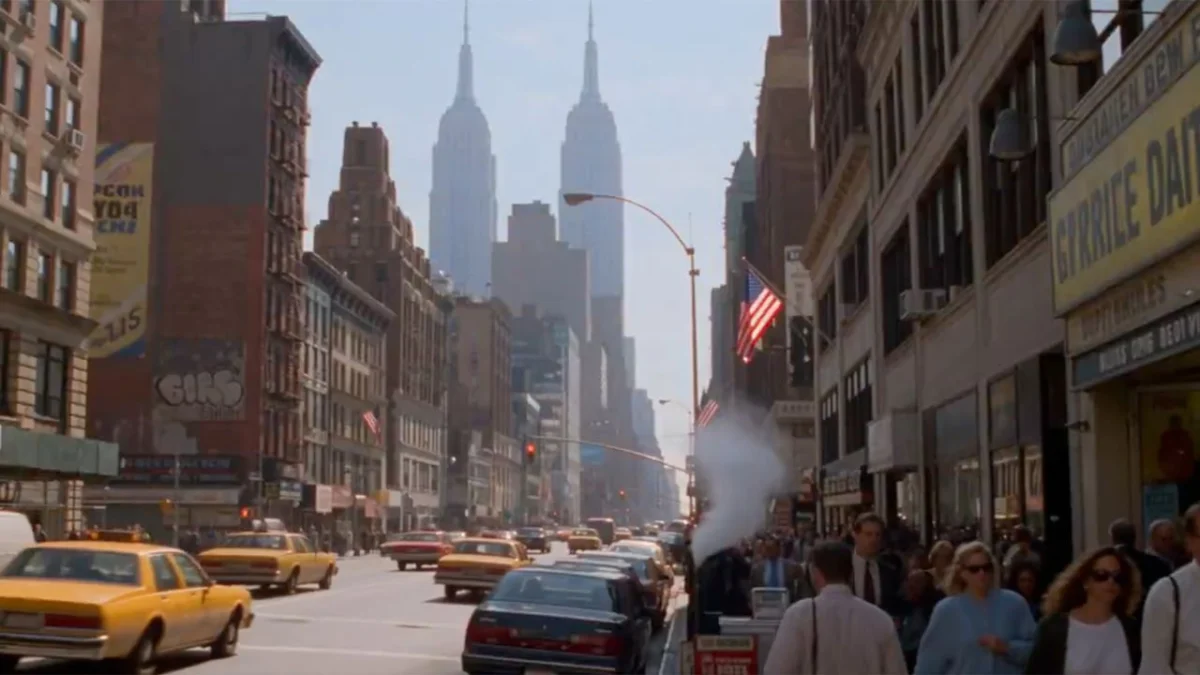
The rapid evolution of generative artificial intelligence has ignited a fierce debate within the creative industries. With tools now capable of synthesizing photorealistic video from simple text prompts, a growing chorus of digital enthusiasts has declared the traditional Hollywood production model obsolete. However, a recent viral social media post claiming to showcase a high-definition glimpse of 1993 New York City has served as a poignant reminder that while AI is getting faster, it remains a long way from achieving the nuanced storytelling and structural integrity of human-led cinema.
The Viral Claim: When AI Attempts to Reconstruct History
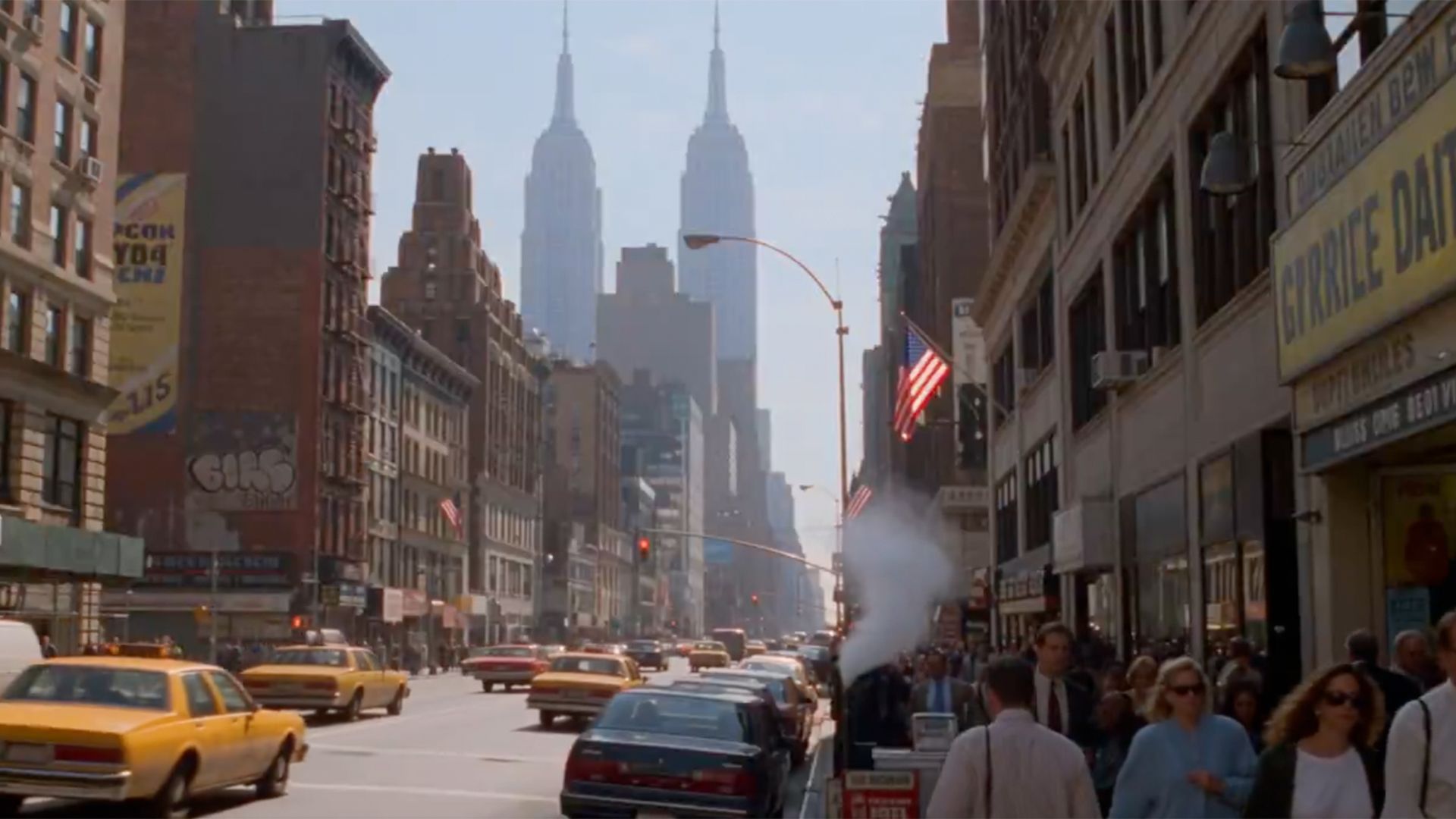
On September 7, 2026, an X (formerly Twitter) user sparked a firestorm of discussion by posting a short, AI-generated video clip. The footage, supposedly created using the platform "Seedance 2.5," depicted a bustling street scene in 1993 New York City. The creator accompanied the video with a bold declaration: "If this is the level of AI creations, then it’s over for Hollywood and big production houses."
The video, which utilizes a warm, sepia-toned filter and a soft-focus aesthetic typical of 90s camcorder footage, was initially met with awe. To the casual observer scrolling through a social media feed, the clip appeared to capture the ambient energy and gritty charm of a bygone era. However, the veneer of authenticity began to dissolve the moment viewers looked past the filter.
A Chronology of the "AI Slop" Backlash
The discourse surrounding this specific clip followed a predictable pattern in the modern AI age, moving from initial wonder to forensic skepticism.
- The Initial Hype: Upon posting, the video gained immediate traction. Proponents of AI-driven media cited the clip as definitive proof that small-scale creators could soon rival the output of major studios.
- The Technical Scrutiny: Within hours, the narrative shifted. Sharp-eyed observers began to isolate specific frames, highlighting the classic hallmarks of "AI slop"—a term used to describe the low-effort, high-artifact output generated by current-generation models.
- The Community Correction: The backlash was swift. Users began compiling screenshots of the errors, transforming the video from a demonstration of power into a cautionary tale regarding the limitations of machine-generated art.
- The Philosophical Pivot: The conversation eventually moved beyond the specific video to the broader implications of AI in art, with industry professionals and casual viewers alike debating whether AI can ever truly replicate the "human soul" of filmmaking.
Supporting Data: The Anatomy of a Failed Simulation
While the AI’s color grading was commendable, the structural failures were glaring. The "robotic" movement of pedestrians, who appeared to march in a synchronized, hive-like formation, was the first red flag. Further inspection revealed even more jarring errors:
- Geographic Impossibilities: The most notable error was the depiction of two Empire State Buildings looming over the skyline. This "hallucination" shattered the illusion of a historical record, serving as a reminder that AI models operate on probability and pattern recognition, not spatial awareness or historical accuracy.
- Anatomical Inconsistencies: The clip featured the standard AI-generated phenomenon of figures merging into one another, along with doppelgängers walking side-by-side—a consequence of the AI’s inability to maintain object permanence or character consistency throughout a scene.
- Signage and Text: As is common with current video models, the background signage was largely incoherent gibberish. While the AI successfully emulated the texture of 1993, it failed to capture the reality of it.
These errors are not merely cosmetic; they represent a fundamental lack of intent. A human filmmaker understands that a street scene requires a narrative logic—a reason for people to be walking in certain directions, a consistent architectural backdrop, and a purposeful focus. The AI, by contrast, is merely predicting the next frame based on a massive dataset of "90s NYC" imagery, resulting in a derivative product that mimics the look of a movie without understanding the rules of cinema.
Implications for the Entertainment Industry
The incident raises critical questions about the future of creative labor. If AI can produce "good enough" content for social media, what does that mean for the thousands of VFX artists, editors, and directors working today?
The "Gimmick" Problem
Many industry experts argue that AI filmmaking remains a gimmick until it can adhere to the strict technical and narrative requirements of a full-length feature. Directing a movie is not just about producing pretty images; it is about managing a complex visual language, controlling pacing, and maintaining continuity. When a viewer notices a glaring error like a doubled skyscraper, the "suspension of disbelief"—the holy grail of cinema—is instantly broken.
The Value of Human Instinct
As the market becomes flooded with AI-generated content, the value of "human-made" art is likely to appreciate. We are entering an era where authenticity becomes a premium commodity. Audiences are already showing fatigue toward content that feels "soulless," and as high-quality AI-generated media becomes ubiquitous, the ability to weave a truly human story—one with intention, emotion, and technical rigor—will remain the differentiator between a viral clip and a lasting work of art.
Official Responses and Industry Sentiment
While no major studio has officially weighed in on this specific video, the broader creative industry has been vocal. Directors, cinematographers, and labor unions like SAG-AFTRA and the WGA have emphasized that technology should be a tool for artists, not a replacement for them.
Prominent creative platforms have also begun to adjust their guidelines. Creative Bloq and other industry outlets have published numerous features arguing that "design instinct and experience matter more than ever." The prevailing consensus among seasoned professionals is that while AI can streamline certain repetitive tasks—such as rotoscoping or background enhancement—it lacks the subjective experience required to make creative decisions.
The Path Forward: Integration vs. Replacement
The future of film will likely not be a binary choice between "Hollywood" and "AI." Instead, we are looking at a hybrid future. The most successful projects will be those that use AI to expand the boundaries of what is possible, while keeping the human creative at the helm to curate, edit, and ensure that the final product adheres to the laws of reality and the nuances of human emotion.
As for the viral NYC video, it serves as a timely reminder of the current state of the technology. We are currently in the "parlor trick" phase of generative AI. It can impress us with a quick flash of nostalgia, but it cannot yet replace the meticulous, human-driven process of filmmaking. Until an AI can understand why a city is built the way it is, or why a character walks with a certain gait, the "death of Hollywood" remains a hyperbolic fantasy, not a technological reality.
In the final analysis, the pursuit of "AI-only" content is a race toward the average. The true masters of the craft will continue to leverage their intuition and life experience—traits that no algorithm, no matter how advanced, can currently replicate. As we move forward, the creative sphere will likely experience a divide: a flood of low-effort, AI-generated "slop" on one side, and a renewed, intense appreciation for the technical mastery and emotional intelligence of human creators on the other. For those who value the art of cinema, the human touch remains, and will likely remain, irreplaceable.

 Asep Darmawan
 Ammar Sabilarrohman