

Apple’s ecosystem is undergoing a significant transformation with the upcoming release of iOS 27. While much of the industry conversation has centered on the integration of Apple Intelligence into the iPhone’s core interface, a quieter but equally transformative revolution is taking place within the Home app. For users deeply embedded in the HomeKit ecosystem, iOS 27 promises a smarter, more cohesive, and visually superior smart home experience.
This update represents Apple’s most aggressive move yet into the competitive landscape of home automation, moving beyond mere device control to a proactive, AI-driven management system.
Main Facts: A New Era for HomeKit
At its core, iOS 27 pivots the Home app from a simple dashboard into an intelligent assistant. The most critical upgrade is the native integration of Apple Intelligence, which allows the app to process data locally to provide meaningful summaries rather than a deluge of raw notifications.
Key highlights of the iOS 27 update include:
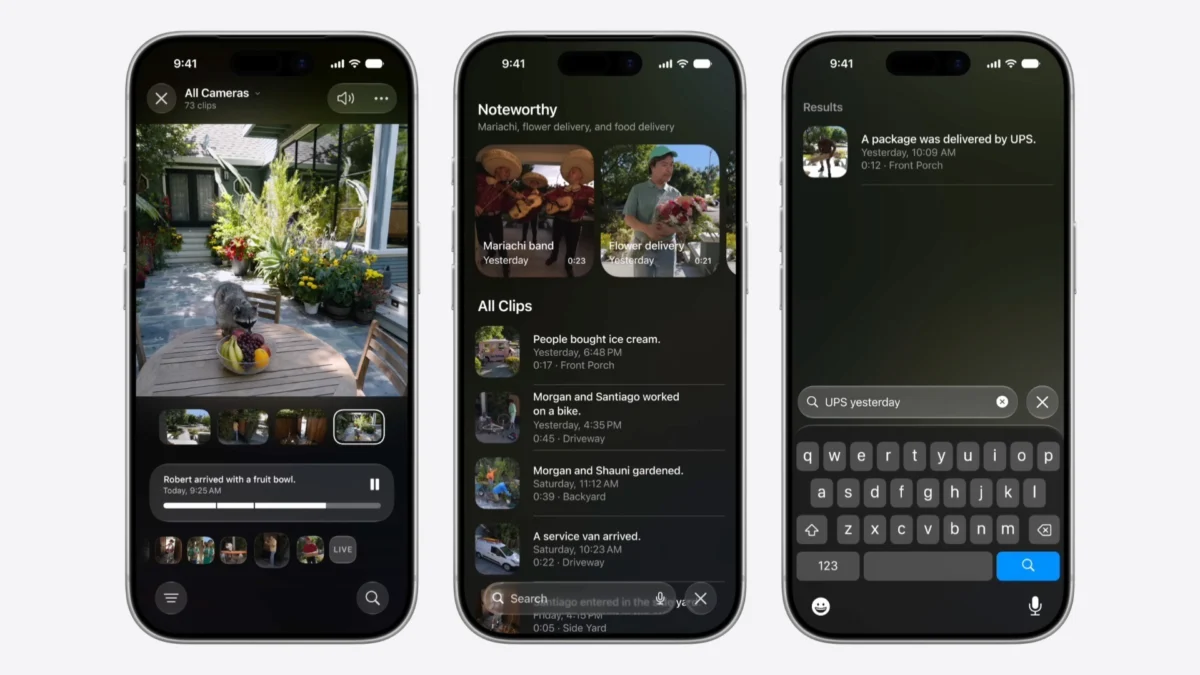
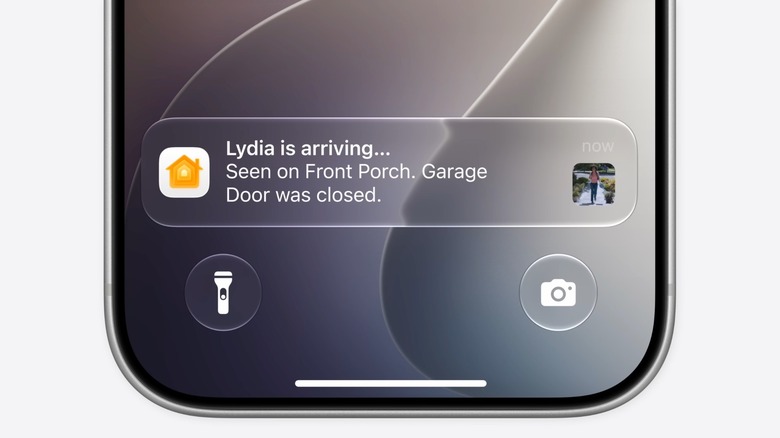
- AI-Powered Notification Summaries: Instead of receiving individual pings for every motion detection, the Home app now synthesizes events, grouping related alerts into concise, actionable summaries.
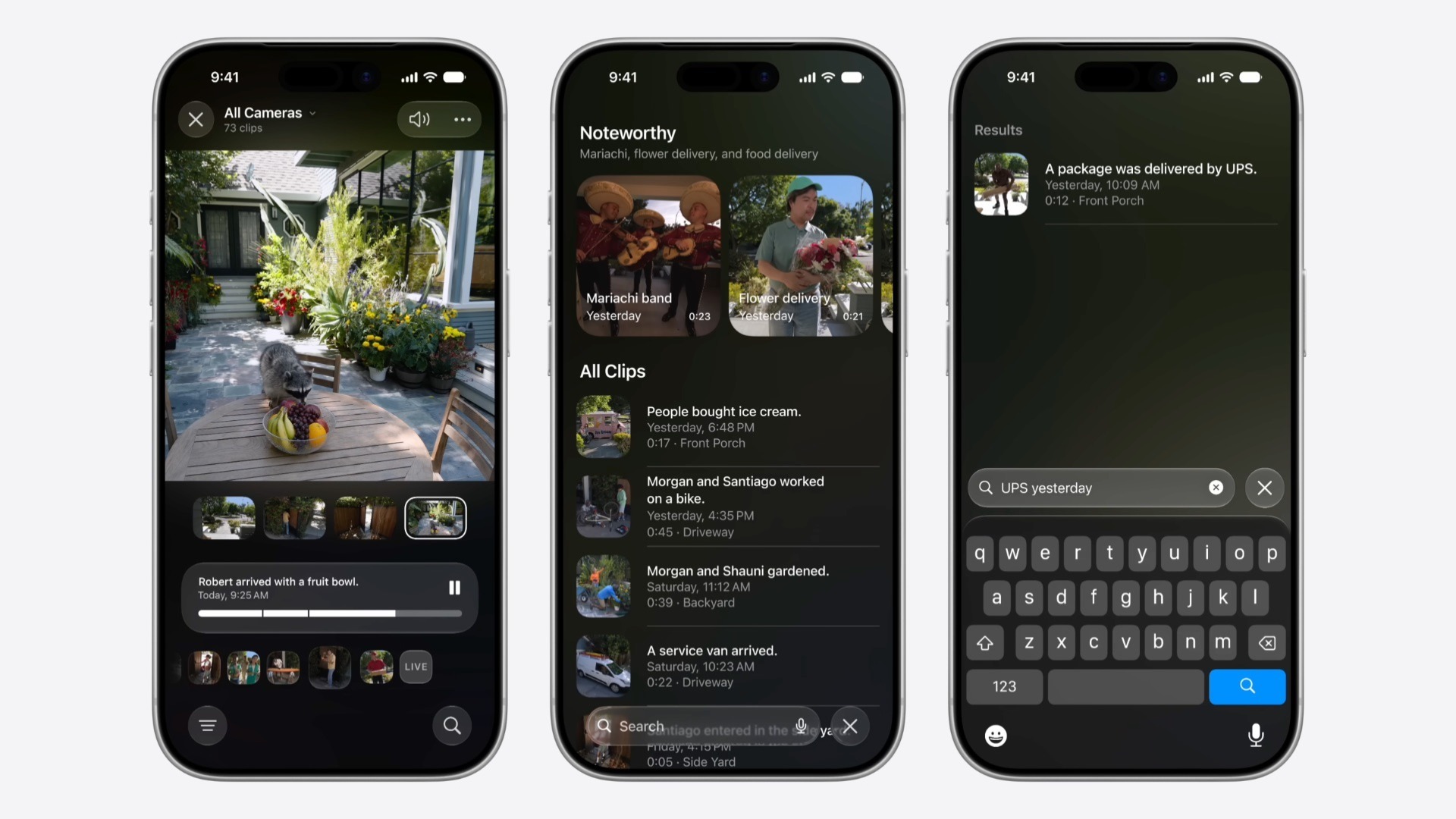
- Advanced Camera Intelligence: Enhanced face and animal detection, coupled with cross-camera event stitching, creates a unified narrative of activity throughout the home.
- 4K Resolution Support: Security footage is seeing a massive quality jump, ensuring that details—previously lost in compression—are now crystal clear.
- Unified Ecosystem Management: Apple TV users can now batch-update all connected devices simultaneously, drastically reducing maintenance time.
Chronology: The Evolution Toward an AI-Centric Home
The path to iOS 27 has been a measured, years-long journey. Since the introduction of HomeKit, Apple has prioritized privacy and stability over rapid feature expansion.
- Phase 1: The Foundation (HomeKit’s Early Years): Apple focused on security, ensuring that encrypted data remained on-device and that third-party manufacturers adhered to strict protocols.
- Phase 2: The Connectivity Push (Matter Integration): The adoption of the Matter standard in previous years allowed Apple to break down the "walled garden" to a degree, making HomeKit compatible with a wider array of smart hardware.
- Phase 3: The AI Integration (iOS 27): With the introduction of Apple Intelligence, the Home app has finally evolved into an analytical engine. This shift follows the broader company strategy of deploying AI across its default apps to increase user engagement and utility.
- Phase 4: Hardware Expansion (The "HomePad" Era): Concurrent with the software rollout, leaks have confirmed that Apple is preparing a hardware pivot, moving from mobile-first control to stationary, screen-equipped devices.
Supporting Data: The Power of Contextual Awareness
The efficacy of the new HomeKit features is rooted in how the system processes data. By utilizing on-device machine learning, the Home app can now distinguish between a package delivery, a pet running through the frame, or an unauthorized visitor.
Enhanced Security Through AI
The new "event stitching" feature is particularly impressive. In a standard smart home setup, if a person walks from the driveway to the front porch, the user is typically bombarded with two separate alerts. In iOS 27, the Home app recognizes these as a single event. It identifies the individual and creates a short, AI-generated summary, such as: "The courier arrived at the front door and dropped off a package at 2:15 PM." This eliminates the need for the user to manually scrub through minutes of video footage to ascertain the context.
Searchability
The ability to search for specific events—such as "blue truck in the driveway" or "dog in the living room"—is a game-changer for long-term security. The system indexes video metadata, allowing users to query their past recordings with natural language. Combined with the jump to 4K resolution, this provides a level of forensic capability previously reserved for high-end enterprise security systems.
The "HomePad" and Future Hardware Implications
Perhaps the most exciting aspect of the iOS 27 update is what it reveals about Apple’s future hardware roadmap. Recent leaks from internal macOS and iOS code have confirmed the development of a product currently dubbed the "HomePad."
The Convergence of HomePod and iPad
The HomePad is expected to serve as the definitive smart home command center. By combining the high-fidelity audio capabilities of the HomePod with a dedicated interactive display, Apple is positioning itself to compete directly with devices like the Amazon Echo Show and the Google Nest Hub.
The integration of a "Faces" gallery—similar to the Apple Watch—suggests that the device will be highly customizable, allowing users to display family photos, calendar widgets, and live HomeKit camera feeds simultaneously. This device is designed to be the "always-on" companion that bridges the gap between passive smart home control and active engagement.
The Robotics Frontier
While the HomePad is the immediate next step, Apple is also reportedly experimenting with a tabletop robotic arm capable of moving a display to follow the user. While this technology is still in the R&D phase and not expected for the immediate iOS 27 launch, it indicates that Apple views the smart home as a space that should be physically responsive to the user’s presence.
Official Responses and Developer Perspective
Apple has maintained its characteristically tight-lipped stance on unannounced products, but their developer documentation for iOS 27 offers a window into the company’s philosophy. The focus, according to Apple, is "Privacy-First Intelligence." By keeping the processing of video summaries and facial recognition on the device, Apple is attempting to address the growing public concern over the surveillance capabilities of smart home tech.
For developers, the new APIs in iOS 27 allow for better integration with third-party accessories. Manufacturers that build HomeKit-compatible sensors and cameras will now have deeper hooks into the Home app’s notification system, allowing them to provide more detailed event triggers.
Implications: A More Responsive Living Environment
The shift to an AI-enhanced home has profound implications for how we interact with our living spaces.
- Reduction in "Notification Fatigue": By curating notifications, the Home app ensures that users only receive alerts that require their attention. This creates a "calm technology" environment where the house functions effectively in the background without constant interruption.
- Professional-Grade Security for Consumers: The combination of 4K recording, AI-driven event identification, and cross-camera mapping effectively democratizes high-end surveillance. Users no longer need to be security experts to protect their homes effectively.
- Unified Ecosystem Control: The ability to manage Apple TV software updates and integrate cross-platform devices suggests that Apple is finally treating the home as a single, cohesive operating system rather than a collection of disparate gadgets.
The Verdict on the Beta Program
For early adopters, the Apple Beta Program offers a chance to experience these changes ahead of the general release. However, as with all major OS updates, the integration of deep AI features requires a stable environment. Users are strongly advised to test these features on spare devices, as the complexity of the new HomeKit architecture may introduce bugs in third-party accessory compatibility during the early testing phases.
As we look toward the wider rollout of iOS 27, it is clear that Apple has moved past the experimental phase of smart home technology. The integration of Apple Intelligence into the fabric of the home is not just an incremental update; it is a fundamental shift toward a house that is not only "connected" but truly "aware." Whether through the upcoming HomePad hardware or the refined software in the Home app, the Apple smart home is becoming a more proactive, secure, and intelligent extension of the user’s life.











