Ali Ikhwan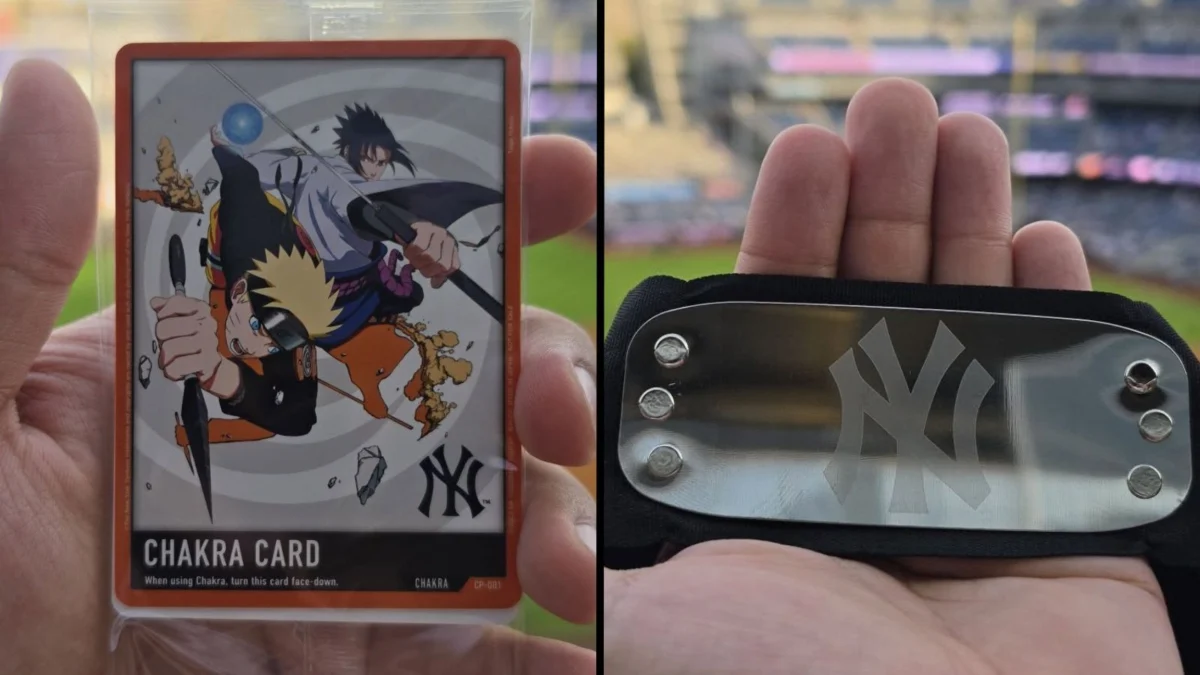
In an era where sports franchises are increasingly pivoting toward pop-culture integration to draw younger audiences, the intersection of Major League Baseball (MLB) and global anime fandom has proven to be a double-edged sword. While themed nights involving crossovers with franchises like Naruto, One Piece, or Nintendo are intended to cultivate community and fan engagement, they have inadvertently birthed a volatile secondary market. Recent events at Yankee Stadium have underscored a growing crisis: the aggressive, and at times harassing, behavior of resellers looking to capitalize on limited-edition promotional items.
Following the New York Yankees’ recent "Naruto Night," reports of fans being accosted in the stands, hounded in concourses, and pushed out of their seats have ignited a fierce debate regarding the future of stadium giveaways. What was intended to be a celebratory tribute to a globally beloved ninja franchise devolved into a scene that many attendees described as "shameful" and "obnoxious."
A Chronology of the "Chakra Card" Craze
The saga began with a surge of anticipation. When the New York Yankees announced that September 8 would be designated as "Naruto Night," featuring an exclusive giveaway of branded "chakra cards," the response was instantaneous. The limited nature of the initial 18,000-card supply triggered a feeding frenzy in the secondary market. Within days of the announcement, early-bird ticket prices for the game saw a massive spike, while some resellers began listing the promotional cards on platforms like eBay for hundreds of dollars—weeks before the event had even occurred.
Recognizing the potential for chaos, the Yankees organization attempted to mitigate the scalping pressure by increasing the supply. The team announced that they would expand the distribution to 40,000 cards, hoping to saturate the market and dilute the incentive for predatory reselling. For a moment, it appeared that the strategy worked; ticket prices stabilized as the perceived scarcity of the cards evaporated. However, the move proved insufficient to deter the most aggressive segment of the reseller economy.
On the day of the game, the atmosphere inside the stadium shifted from a celebration of anime culture to a high-stakes trading floor. Fans arriving at the gates were greeted by individuals less interested in the game of baseball and more focused on securing as many promotional packets as possible. The pressure continued throughout the game, with reports indicating that fans were approached repeatedly by strangers demanding to purchase their free giveaways.
Supporting Data: The Economics of the Scalp
The financial stakes driving this behavior are not insignificant. In the weeks leading up to the event, individual cards were fetching bids upward of $600 online. Even with the increased supply, the "floor price" for a card on the day of the event remained lucrative enough to sustain a persistent black market.
Testimonies from fans paint a grim picture of the in-stadium experience. YouTuber JoezMcfly captured the sentiment of many, noting, "They’re going crazy… people making bread on the spot… people getting harassed too. It’s messed up."
Another fan, JKBOGEN, took to social media to detail the invasion of their personal space: "I’m all for being hyped about the Naruto promo card at Yankee Stadium, but that was some of the most obnoxious s*** I’ve seen. I had people going into my party’s seating area hounding us to sell our cards."
This behavior was not limited to individual solicitation. Reports surfaced of fans being blocked in exit lines by individuals who had no interest in the game’s outcome and were merely waiting for the giveaway to conclude so they could exit and re-enter or target fans leaving the venue. This shift in fan behavior—where the giveaway becomes the primary objective rather than the baseball game itself—has disrupted the traditional stadium experience for casual and die-hard fans alike.
A Growing Pattern of Hostility
The incident at Yankee Stadium is not an isolated phenomenon; it is part of a disturbing trend of aggressive reselling at sporting venues across the United States. In July, the Los Angeles Dodgers faced a similar situation during a One Piece promotional night.
In that instance, the situation escalated beyond mere harassment. Several resellers were arrested after attempting to bundle free promotional cards and straw hats, with some individuals demanding as much as $2,000 for the combined merchandise. The Dodgers incident served as a wake-up call for the league, but the recurrence at Yankee Stadium suggests that the current security measures and distribution policies are failing to deter those who view these promotions as profit-generating assets rather than fan appreciation gifts.
The motivation for these resellers is clear: they leverage the "fear of missing out" (FOMO) that defines modern collector culture. By targeting these specific demographics—anime fans who are often deeply invested in the lore and scarcity of such items—resellers create a hostile environment that fundamentally changes the culture of the ballpark.
The Implications for MLB and Future Promotions
The fallout from these events has left MLB franchises at a crossroads. Fans have become increasingly vocal, with many demanding that organizations rethink their distribution logistics to curb the influence of resellers.
"Idea going forward: give these out after the 8th inning or beyond," one fan suggested on social media. This proposal addresses the root cause: if the giveaway occurs after the game has concluded, resellers would be forced to actually attend the event, potentially discouraging those who only show up to "harvest" the items at the gates.
Another fan echoed this frustration, stating, "Hopefully Yankee Stadium learns: don’t do this sh*t again."
The implications for the Yankees and other teams are significant. If the in-stadium experience continues to be tainted by harassment and the presence of aggressive, non-baseball-interested speculators, it could lead to a decline in attendance among legitimate fans who feel unsafe or uncomfortable. Organizations now face a difficult balancing act: they want to utilize these high-profile crossovers to reach younger, diverse audiences, but they must also protect the integrity of the fan experience.
Furthermore, there is a legal and logistical question of how to handle the "professional" reseller. While ticket scalping has long been regulated, the "merchandise scalping" that occurs inside the gates is a legal gray area. Because the items are given away for free as part of a ticketed event, teams have limited recourse to prevent individuals from reselling their own property. However, the method of acquisition—harassment, intimidation, and trespassing in seating areas—falls under stadium codes of conduct, which teams are now under increased pressure to enforce strictly.
Looking Toward the Future
As the dust settles on the Naruto promotion, the Yankees and other MLB teams must evaluate whether the marketing benefits of these pop-culture crossovers outweigh the logistical headaches and the alienation of the core fan base.
The industry is currently experiencing a "crossover boom." From video game-inspired bobbleheads to anime-themed jerseys, the integration of these industries has successfully modernized the ballpark. However, if the gatekeeping of these items remains in the hands of aggressive resellers, the positive impact of these nights will be completely overshadowed.
For future events, we can likely expect to see:
- Delayed Distribution: Moving giveaway times to the late innings to ensure that recipients are actual game attendees.
- Stricter Venue Security: Increased patrols by stadium staff to monitor and remove individuals who are clearly soliciting or harassing fans for merchandise.
- Distribution Limits: Tighter control over how items are handed out, perhaps requiring a ticket scan at the point of distribution to ensure one item per person.
- Digital Exclusivity: A potential shift toward digital collectibles or QR-code-based rewards that cannot be physically scalped, though this risks losing the physical appeal of a tangible collectible.
The Naruto card incident at Yankee Stadium is a symptom of a larger, systemic issue in the collectibles market. As long as there is significant profit to be made from free stadium items, there will be individuals willing to ignore social boundaries to secure them. It is now up to the franchises to decide whether they will allow their stadiums to remain family-friendly environments or whether they will allow them to be transformed into hunting grounds for the secondary market. The sanctity of the ballpark depends on the answer.

 Dwi Wanna
 Sagoh
Sagoh