


The Star Wars saga, a cornerstone of modern mythology, has always been intrinsically linked with the evolution of video games. From the nascent days of 3D graphics to the cutting-edge technology of today, both mediums have pushed boundaries and innovated in tandem. This symbiotic relationship has not only delighted fans but has also profoundly influenced the direction of the Star Wars franchise itself, shaping narratives, introducing beloved characters, and even pioneering filmmaking techniques. This article delves into the impactful legacy of Star Wars video games, highlighting how these interactive experiences have not merely mirrored the cinematic universe but have actively molded its very fabric.
A Legacy Forged in Pixels and Imagination
The connection between Star Wars and video games is more than just a shared history; it’s a testament to their parallel advancements. As 3D graphics began to emerge and new technological frontiers were explored, both George Lucas’ vision and the burgeoning video game industry seized these opportunities. This era of innovation saw the creation of techniques that continue to define how we consume entertainment today, from cinematic storytelling to interactive experiences.
The acquisition of Lucasfilm by Disney has further cemented this dynamic. Under the stewardship of figures like Dave Filoni, the franchise continues to leverage its video game roots. Star Wars games remain potent forces in shaping the direction of the universe, a testament to their enduring link born from shared ambition and a relentless pursuit of technological advancement. This article will explore some of the most pivotal Star Wars games and the indelible marks they’ve left on the galaxy.

Chronological Influence: A Timeline of Impact
The impact of Star Wars video games isn’t confined to a single era; it spans decades, with each generation of titles leaving its unique imprint. Examining these games chronologically reveals a fascinating progression of influence.
7. Star Wars: Rebel Assault (1993) – Pioneering CG and Precursor to the Prequels
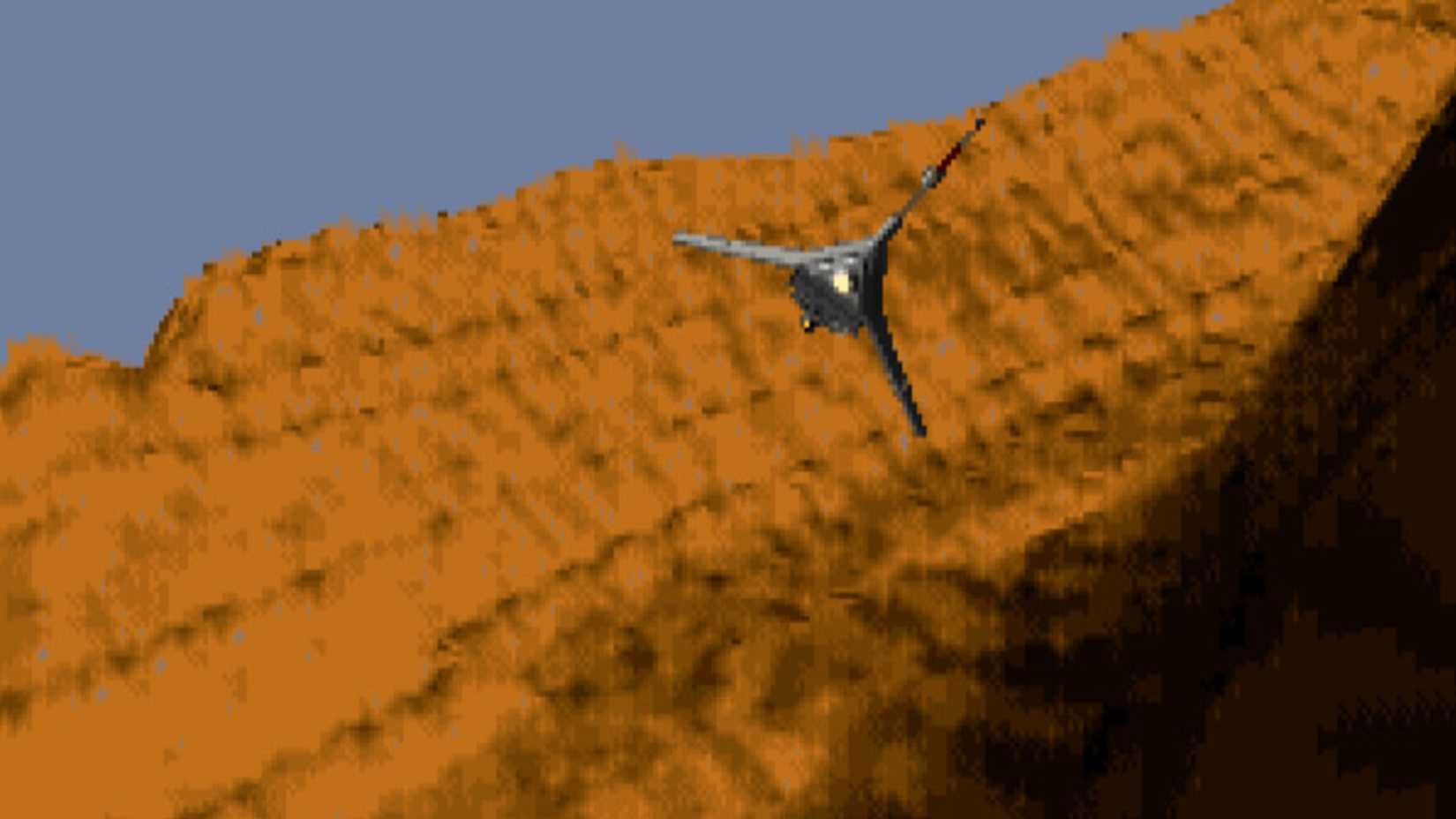
In the early 1990s, computer-generated imagery (CGI) was in its infancy. Yet, amidst this technological frontier, Star Wars: Rebel Assault emerged, showcasing a level of graphical fidelity that was astonishing for its time. Developed by LucasArts, this rail shooter presented players with visually rich environments, detailed starships, and alien worlds that felt remarkably authentic to the Star Wars universe.
The true significance of Rebel Assault lies in its pioneering use of CGI. This game, along with its sequel, The Hidden Empire, established a production workflow that directly influenced George Lucas’ approach to the prequel trilogy. The meticulous detail in Rebel Assault‘s environments and vehicles served as a proving ground for the ambitious CGI efforts that would define films like The Phantom Menace. Lucasfilm’s work on these games was a critical test run, demonstrating the potential of CG to create immersive and expansive worlds. The techniques employed, including the early use of blue screen technology to integrate actors into vast digital landscapes, foreshadowed the revolutionary filmmaking that would characterize the prequel era and continue to shape visual effects in cinema and beyond.

6. Star Wars: Republic Commando (2005) – Giving a Voice to the Clones
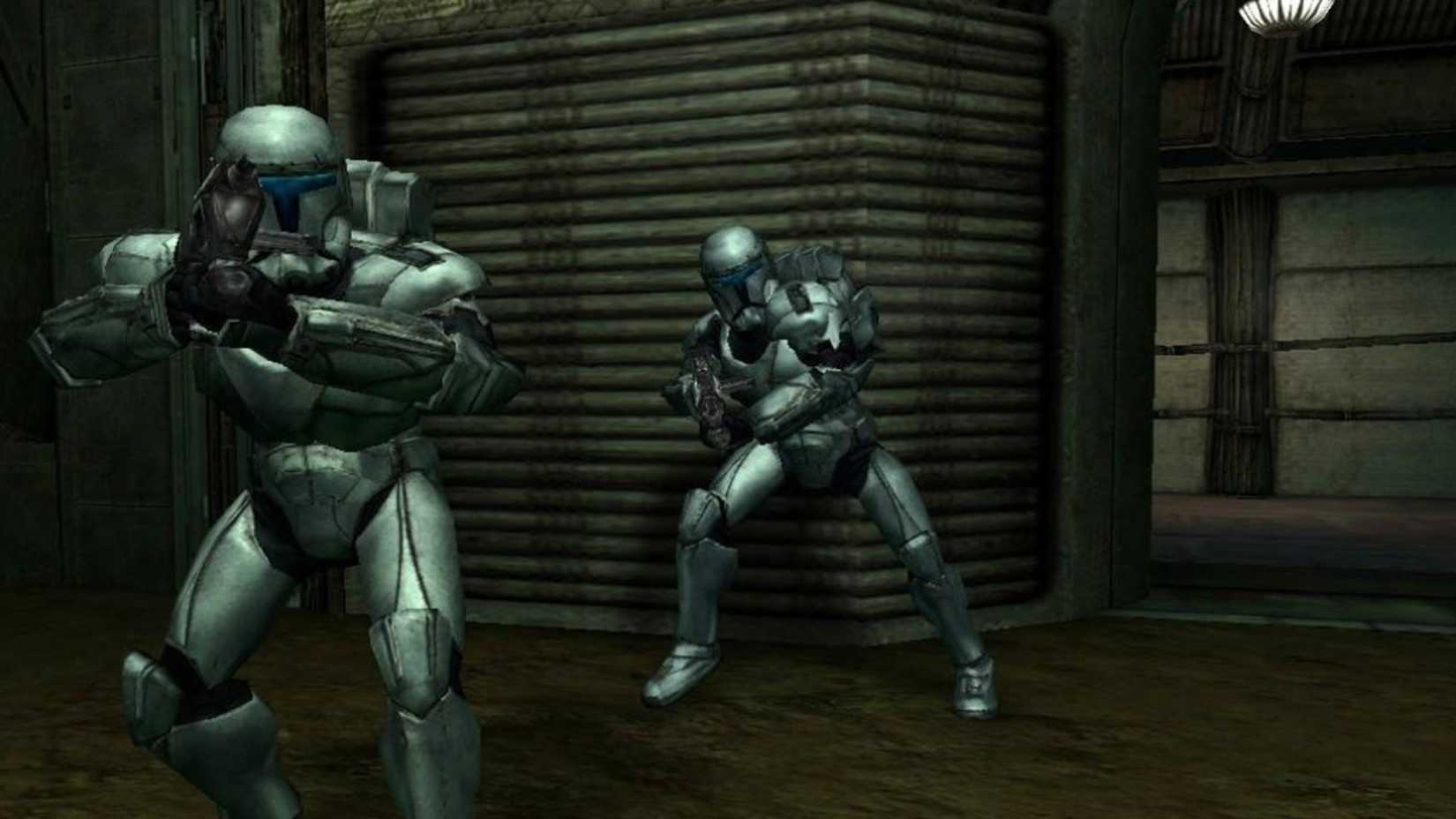
Before the release of Attack of the Clones in 2002, the Clone Troopers were largely a narrative device, a faceless army essential to the unfolding galactic conflict. While Attack of the Clones offered a glimpse into their creation, it was Star Wars: Republic Commando that truly brought these soldiers to life. Released as a tie-in to Revenge of the Sith, this gritty first-person shooter shifted the focus from the Jedi and their philosophical struggles to the boots on the ground.
Republic Commando introduced players to Delta Squad, a unit of elite clone troopers with distinct personalities, motivations, and a dark sense of humor. This was a radical departure from the often-idealized portrayals of soldiers in the Star Wars universe. The game explored the complex emotional and psychological toll of war on these genetically engineered soldiers, portraying them not as expendable pawns but as individuals forged in the crucible of conflict.
The critical success of Republic Commando was prescient, foreshadowing the direction Star Wars would take with its characters. The game’s exploration of the clones’ humanity and individuality laid the groundwork for later acclaimed projects like The Clone Wars animated series and The Bad Batch. The enduring popularity of Delta Squad was so significant that they were eventually reintroduced into the new Star Wars canon, a testament to the lasting impact of Republic Commando‘s innovative character development.

5. Star Wars: Dark Forces (1995) – Expanding the Timeline and the Nature of Rebellion
The 1990s were a fertile period for expanding the Star Wars universe beyond the cinematic films. Novels, comic books, and video games offered fans new stories and characters, and Star Wars: Dark Forces was a standout contributor to this creative explosion. This first-person shooter introduced Kyle Katarn, a former Imperial officer turned mercenary who finds himself fighting for the Rebel Alliance.
The significance of Dark Forces lies in its exploration of the period between A New Hope and The Empire Strikes Back. The game’s initial mission, which involves infiltrating an Imperial facility to steal vital intelligence, directly mirrors the narrative setup of Rogue One: A Star Wars Story. This particular era of the Star Wars timeline has proven to be a rich source of inspiration for both George Lucas and Disney, and Dark Forces was one of the earliest and most impactful pieces of media to delve into these crucial early stages of the galactic conflict. Its focus on the nascent rebellion and the clandestine operations that fueled it resonated deeply and provided a blueprint for future narratives, demonstrating that compelling stories existed beyond the Skywalker saga.
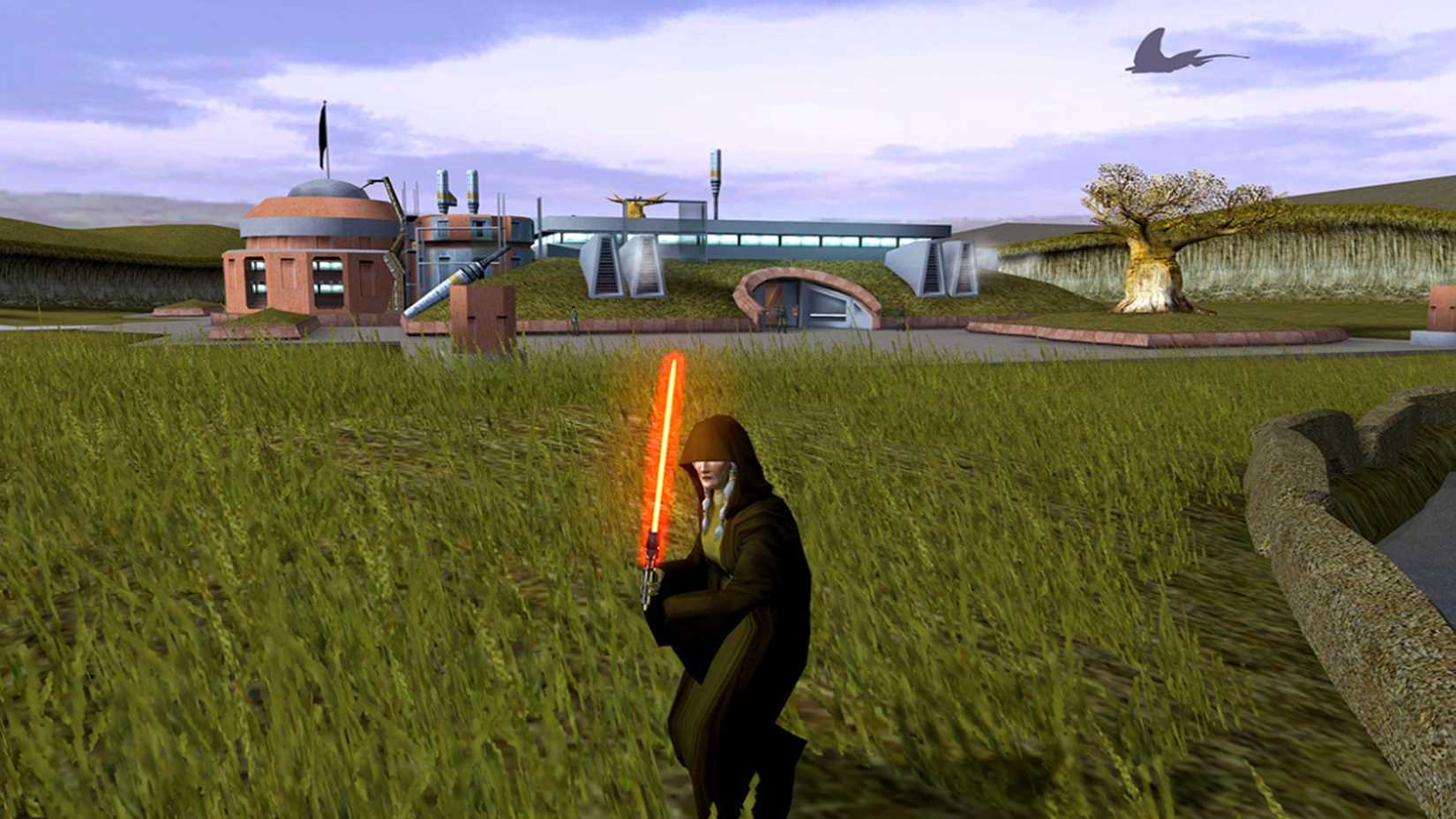
4. Star Wars: Knights of the Old Republic II: The Sith Lords (2004) – Questioning the Force and the Jedi
Before the release of George Lucas’ prequel trilogy, the concepts of the Force and the Jedi Order were generally portrayed in a more straightforward manner: Jedi were benevolent guardians, and the Sith were purely malevolent entities. Star Wars: Knights of the Old Republic II: The Sith Lords, developed by Obsidian Entertainment, dared to challenge these established notions, offering a complex and philosophical exploration of the Force that seemed to anticipate the nuanced portrayals of the Jedi’s downfall in the prequel films and even the thematic explorations in The Last Jedi.
The Sith Lords presented a vision of the Force and the Jedi Order that was far from the simplistic heroes depicted in the original trilogy. The game delved into the grey areas of the Force, questioning the hubris of those who wielded it and the potential for even the most righteous to fall prey to their own dogma. The narrative challenged the idea of a singular "good" or "evil" in the Force, suggesting a more intricate and interconnected cosmic power. This philosophical depth resonated deeply, offering a mature and thought-provoking perspective that predated many of the thematic discussions later explored in the films. The game’s critique of institutional power and the potential for corruption within even the most revered orders offered a prescient commentary on the Jedi’s eventual fall.
3. Star Wars: Shadows of the Empire (1996) – Embracing the Underworld and Multimedia Storytelling
The original Star Wars trilogy primarily focused on the grand conflict between the Jedi and the Sith. However, Star Wars: Shadows of the Empire, released for the Nintendo 64 and as part of a larger multimedia project, fearlessly plunged into the grimy, often overlooked underworld of the Star Wars galaxy. This game dared to explore the world of spies, smugglers, and bounty hunters that operated in the shadows between the events of The Empire Strikes Back and Return of the Jedi.
Shadows of the Empire was groundbreaking not only for its narrative focus but also for its innovative approach to storytelling. It existed as a "movie without a movie," a concept that was revolutionary for its time. This integrated approach, where a game, novel, and comic book shared a common storyline, was a precursor to modern transmedia storytelling and demonstrated the potential for interactive media to expand a fictional universe in entirely new ways. The game’s success in fleshing out this darker, more morally ambiguous side of the Star Wars universe proved immensely popular and provided a rich wellspring of inspiration for future Star Wars narratives that sought to explore characters and conflicts beyond the traditional Jedi-Sith dichotomy.
2. Star Wars: The Force Unleashed (2008) – Unveiling Vader’s Secrets and Inspiring the Inquisitors
The prequel trilogy, spanning from The Phantom Menace to Revenge of the Sith, meticulously chronicled the tragic transformation of Anakin Skywalker into the iconic Darth Vader. However, the period between the fall of the Republic and the rise of the Empire remained shrouded in mystery. Star Wars: The Force Unleashed sought to fill this narrative void by introducing Starkiller, Darth Vader’s secret apprentice.
While The Force Unleashed was eventually designated as "Legends" (non-canon within the current Disney continuity), its impact on the franchise is undeniable. The game’s exploration of Vader’s clandestine activities and his methods for hunting down surviving Jedi directly inspired the creation of the Inquisitors for the animated series Star Wars Rebels. Dave Filoni, the executive producer of Rebels, has openly discussed how the concept of a secret apprentice trained by Vader was a significant influence. Although Starkiller himself didn’t make the leap into canon, the Inquisitors, a group of former Jedi trained by Vader to hunt down Force-sensitive individuals, became a crucial element of the new Star Wars universe, directly attributable to the narrative seeds sown by The Force Unleashed.
1. Star Wars Jedi Knight: Dark Forces II (1997) – Mirroring Filmmaking Innovations
George Lucas’ prequel trilogy, despite its initial mixed reception, is now widely appreciated for its ambitious filmmaking techniques. The innovative use of real-life actors combined with extensive CGI environments was a bold step that redefined cinematic production. Years before Lucas embarked on this monumental task, Star Wars Jedi Knight: Dark Forces II offered a striking preview of this very pipeline.
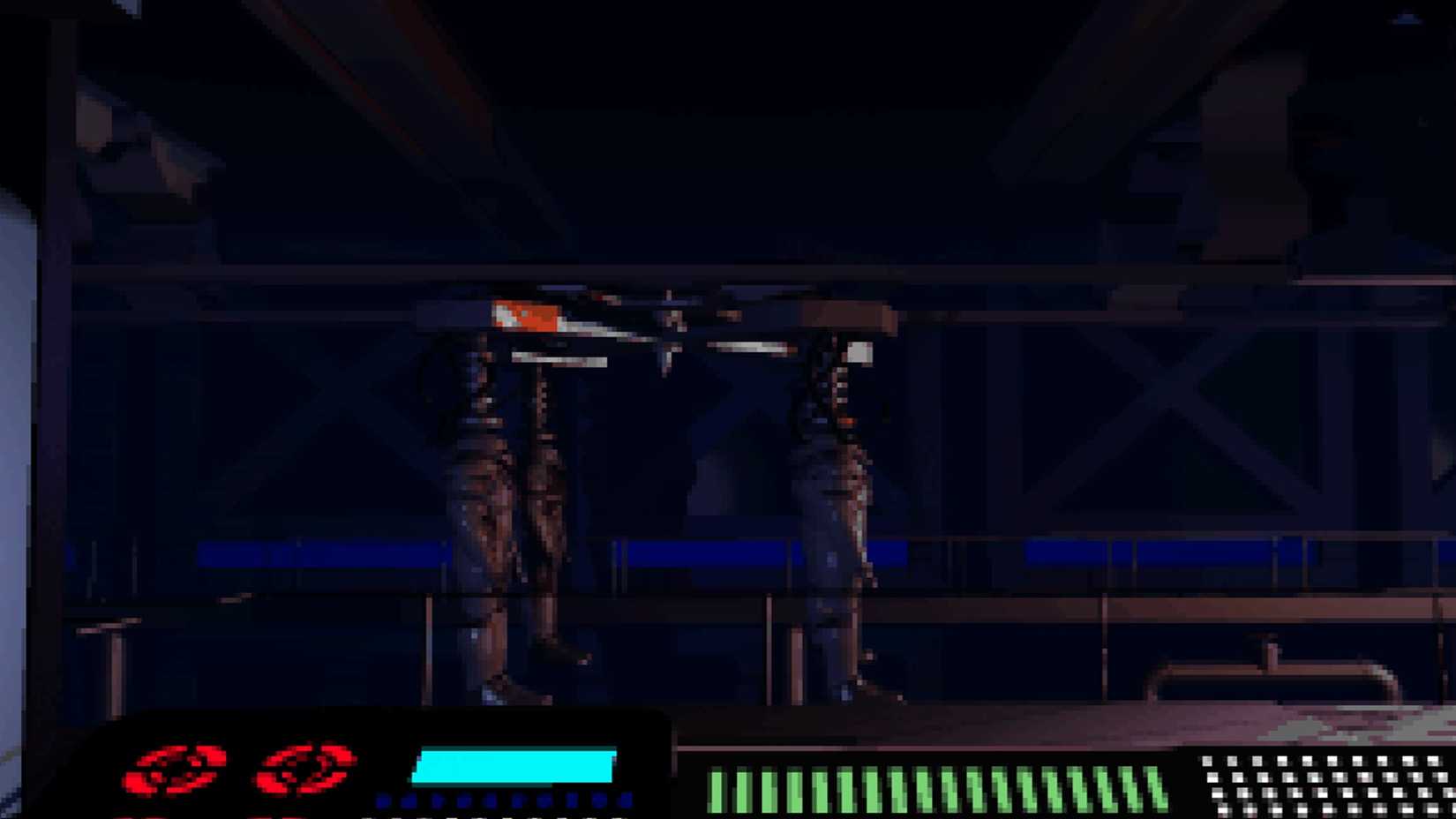
Developed by Raven Software, Dark Forces II was a landmark title in the first-person shooter genre. Its groundbreaking approach involved hiring real actors for motion capture and then seamlessly integrating them into elaborate, digitally created environments. This method closely mirrored the production strategy Lucas would later employ for the prequel trilogy. The game’s ability to place actors within fantastical, computer-generated worlds was not just a technological marvel for its time but also a direct precursor to the sophisticated virtual sets and advanced CGI integration that would become hallmarks of modern filmmaking. This foresight in production methodology demonstrated that video games could not only tell compelling stories within a universe but also influence the very way that universe was brought to life on screen. Decades later, the filming techniques used in The Mandalorian, with its advanced virtual production stages, echo the pioneering spirit of Dark Forces II, further solidifying its legacy as a visionary title.
Supporting Data and Official Recognition
The influence of these games is not merely anecdotal; it’s reflected in the evolution of the Star Wars canon itself. The successful integration of characters and concepts from games into official film and television projects demonstrates a clear recognition of their creative value.
- Clone Troopers: The evolution of Clone Troopers from background characters to complex individuals in Republic Commando directly paved the way for their nuanced portrayal in The Clone Wars and The Bad Batch.
- The Underworld: Shadows of the Empire‘s deep dive into the criminal element of the galaxy provided a rich tapestry that continues to be explored in various Star Wars media, influencing shows like The Book of Boba Fett.
- Vader’s Legacy: The concept of Vader’s secret apprentice in The Force Unleashed directly led to the creation of the Inquisitors in Star Wars Rebels, a vital element of the post-Order 66 era.
- Filmmaking Techniques: Jedi Knight: Dark Forces II‘s pioneering use of CGI environments for live-action actors foreshadowed the production methods of the prequel trilogy and even the virtual production techniques of The Mandalorian.
This cross-pollination between gaming and other media highlights a deliberate strategy by Lucasfilm and Disney to leverage the creative output of their video game divisions.
Implications for the Future of Star Wars
The symbiotic relationship between Star Wars and video games is poised to continue shaping the franchise for years to come. As technology advances, so too will the potential for groundbreaking interactive experiences that can further enrich the Star Wars universe.
The ongoing success of titles like Star Wars Jedi: Fallen Order and its sequel, Star Wars Jedi: Survivor, which have introduced new canon characters and explored previously untouched corners of the galaxy, exemplifies this trend. These games are not just extensions of the Star Wars narrative; they are integral components, offering fresh perspectives and expanding the lore in meaningful ways.
Furthermore, the increasing sophistication of game engines and development tools means that future Star Wars games will likely push the boundaries of immersion and storytelling even further. This could lead to experiences that blur the lines between interactive entertainment and cinematic narrative, offering fans unprecedented levels of engagement with the galaxy far, far away. The lessons learned from titles like Rebel Assault and Dark Forces II about the power of CGI and innovative production pipelines will undoubtedly continue to inform not only game development but also the broader production strategies within Lucasfilm.
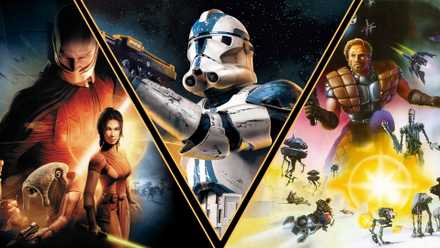
In conclusion, the legacy of Star Wars video games is far more than a collection of entertaining diversions. These titles have served as crucial incubators of ideas, laboratories for technological innovation, and powerful narrative engines that have profoundly shaped the Star Wars universe. From pioneering CGI to fleshing out complex characters and influencing filmmaking techniques, the interactive adventures of the galaxy far, far away have proven to be an indispensable force in its ongoing evolution.











No comments yet. Be the first to join the conversation!