Nana Muazin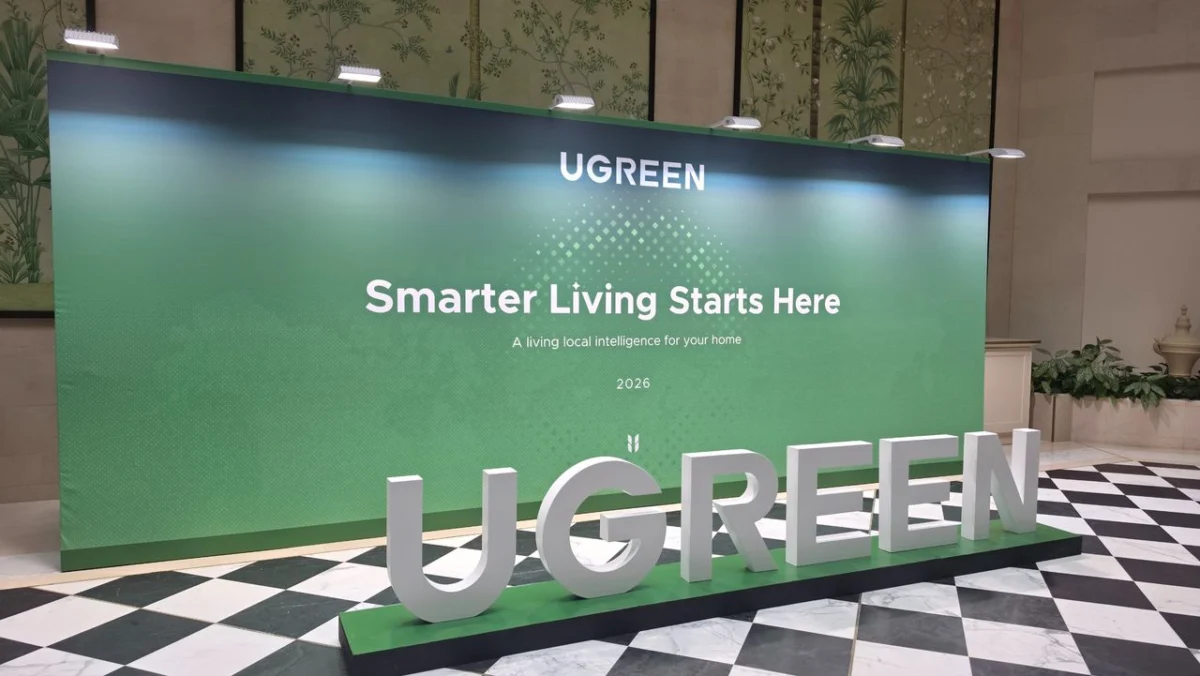
By Beth, Tech Correspondent
The annual IFA consumer electronics showcase in Berlin has long been a stage for the evolution of the smart home. We have transitioned from basic Wi-Fi-enabled lightbulbs to complex ecosystems that promise to automate our lives. However, this year, UGREEN shifted the goalposts in a way few attendees expected. While most manufacturers were busy refining existing sensor technology, UGREEN took the stage to introduce a new paradigm in residential computing: the "Master Home Agent."
At its core, the Master Home Agent is a radical departure from the cloud-dependent smart assistants we have grown accustomed to. It is an unapologetically powerful, hardware-heavy unit that brings high-end robotics and server-grade computing directly into the living room. It also carries a price tag—$20,000—that left the assembled crowd in Berlin audibly stunned.
The Genesis of the Home Agent: What is it?
To understand why a company known for accessible chargers and storage solutions would pivot to a $20,000 piece of hardware, one must look at the "NVIDIA Jetson Thor" platform, which serves as the brain of the Master Home Agent. This is not a consumer-grade processor; it is an industrial-grade robotics platform designed for autonomous machines.
In the context of the home, the Home Agent acts as a central nervous system. Unlike an Amazon Echo or Google Nest, which rely on sending your voice data to the cloud to be processed by remote servers, the UGREEN Master Home Agent operates entirely locally. It is a fusion of edge computing, high-capacity local storage, and a sophisticated AI orchestration layer.
Think of it as a "super-powered Alexa." You communicate with it via natural language, and it executes complex tasks—adjusting environmental controls, managing security feeds, and delegating automation workflows—without ever needing to handshake with an external server. By keeping the processing local, UGREEN is betting that the future of the smart home is not in the cloud, but in the physical hardware sitting on your shelf.
A Chronology of the IFA 2026 Reveal
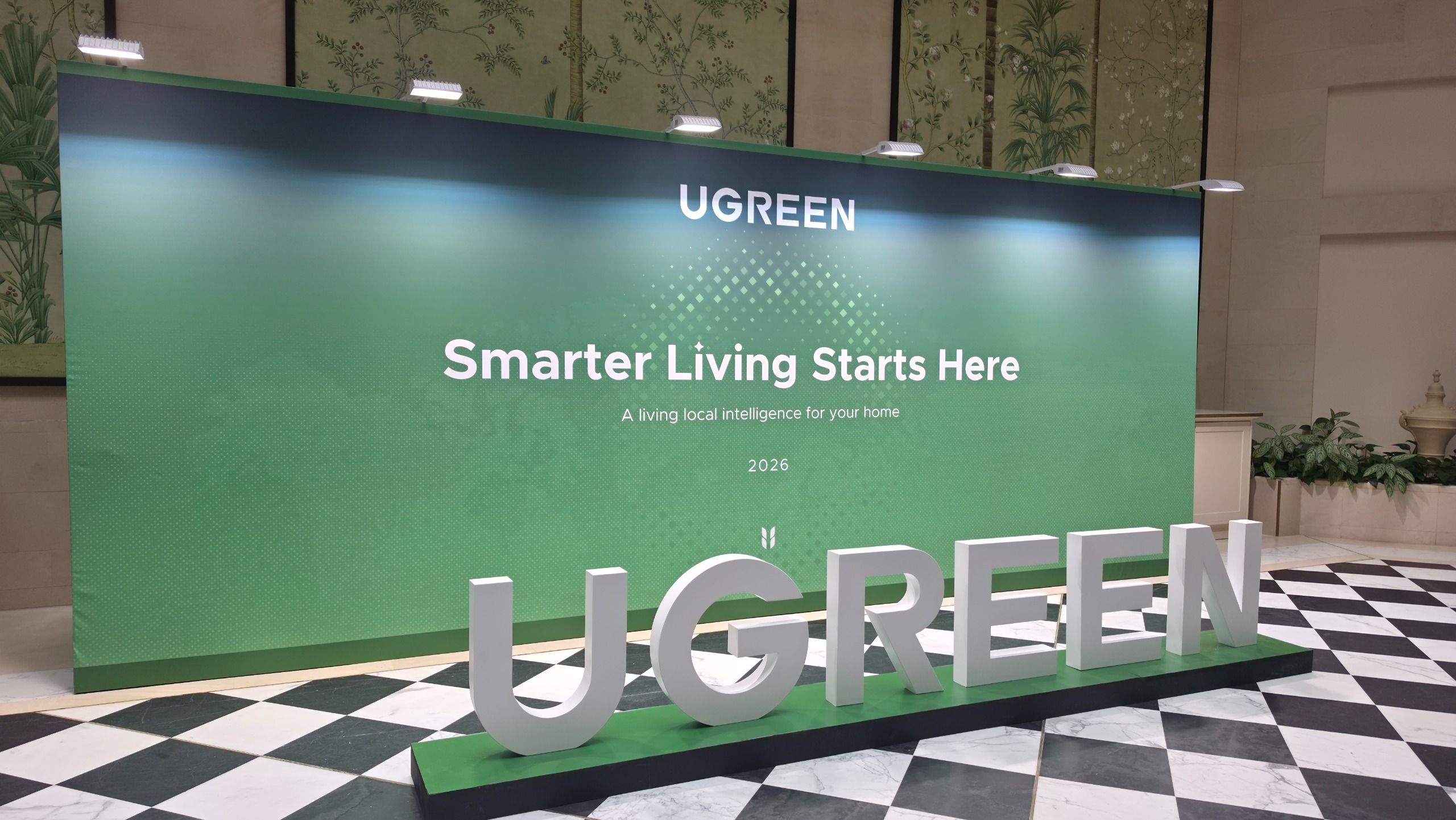
The UGREEN showcase at IFA 2026 was structured as a multi-tiered reveal, designed to demonstrate the versatility of their new "SynCare" ecosystem.
- The Opening Gambit: The event began with the introduction of the broader SynCare line, including three specialized security cameras: the indoor-focused ID500 Pro, the PoE (Power over Ethernet) OD600 Pro for outdoor use, and the long-lasting Battery Cam OD800 Pro.
- The Mid-Tier Expansion: Before the main event, UGREEN introduced the Gallery E-Paper Smart Frame and the "Uliya" Smart Speaker. These devices set the stage for a cohesive, interconnected home environment.
- The Hardware Innovation: The crowd was treated to a surprise reveal of the MagFlow Pro Magnetic Power Bank, the world’s first Qi2-certified power bank featuring active liquid cooling.
- The "Master" Reveal: The climax of the presentation was the unveiling of the Master Home Agent. The initial announcement of the $20,000 price point was met with a mix of confusion and laughter, as the audience struggled to reconcile the figure with UGREEN’s reputation for consumer-friendly pricing.
Supporting Data: The Tiered Approach to Pricing
UGREEN’s strategy appears to be one of "trickle-down" innovation. While the $20,000 flagship model is clearly aimed at high-net-worth individuals, security-conscious enterprises, or premium smart-home integrators, the company has provided more attainable entry points:
- The Master Home Agent ($20,000): The flagship unit, featuring the full Jetson Thor suite, massive on-board storage, and total localized AI capability.
- The HA100 Pro ($5,999): A high-performance iteration designed for larger homes that require advanced processing power but perhaps not the industrial-grade capabilities of the Master.
- The HA100 ($1,799): The "accessible" model. While still expensive by traditional consumer standards, it offers the same fundamental promise of local-first privacy.
These tiers highlight the gap in the current market. Current smart home devices are often seen as "disposable" tech; UGREEN is positioning these Agents as permanent, infrastructure-level investments.
The Shift Toward Local AI Privacy
The most significant takeaway from the UGREEN presentation was the emphasis on privacy. As consumers become increasingly wary of "Big Tech" listening into their private conversations or harvesting behavioral data for advertising, the appeal of a local-only system becomes clear.
By removing the reliance on the cloud, UGREEN ensures that your data, your files, and your media remain within the four walls of your home. This is not just a feature; it is the fundamental value proposition. During the demo, the device responded to complex, multi-part commands with zero latency, an impressive feat that cloud-based models often struggle to replicate due to round-trip data transmission times.
Official Responses and Industry Implications
When asked about the high price of the entry-level HA100, UGREEN representatives emphasized that they are not selling a "gadget," but a "private digital vault." They argue that the cost reflects the inclusion of top-tier hardware and the removal of the ongoing subscription fees typically required for high-end cloud storage and advanced AI features.
However, industry analysts are divided. Some suggest that UGREEN has created a masterpiece of engineering that is simply ahead of its time. Others argue that by pricing these units so aggressively, UGREEN risks alienating its loyal customer base, who have come to know the brand for its cost-effective charging cables and hubs.
"The home agent era has arrived," as I noted during the event, but it is currently an era that favors the few. The hardware is impressive, the privacy benefits are tangible, and the technological leap provided by the NVIDIA Jetson Thor platform is undeniable. Yet, the question remains: are consumers willing to pay the price of a mid-sized sedan to gain full control over their own smart home data?
Looking Ahead: The Future of the "Agentic" Home
As we look beyond IFA 2026, the implications of UGREEN’s move are far-reaching. If successful, this could spark a trend among other manufacturers to move away from cloud-dependent architectures. We may see a future where the "Brain" of the home is a piece of hardware we upgrade every five years, much like a PC or a gaming console, rather than a service we pay for monthly.
The "Uliya" smart speaker and the MagFlow Pro cooling technology also suggest that UGREEN is looking to diversify its portfolio into premium lifestyle tech. Whether these additions will find success alongside the massive, $20,000 Master Agent remains to be seen.
Ultimately, the UGREEN showcase was a reminder that the smart home is still in its infancy. We are moving from the era of "connected devices" to the era of "intelligent agents." While the price point of these new devices is undoubtedly prohibitive for the average consumer, the technology itself represents a vital step toward a more secure, private, and capable digital future. Whether or not UGREEN can bridge the gap between "luxury experiment" and "consumer necessity" will be the defining narrative of their next few years. For now, the Home Agent is a luxury for the few, but it is a glimpse into the inevitable future of how we will all interact with our living spaces.


 Rifan Muazin
 Basiran