
 Nana Muazin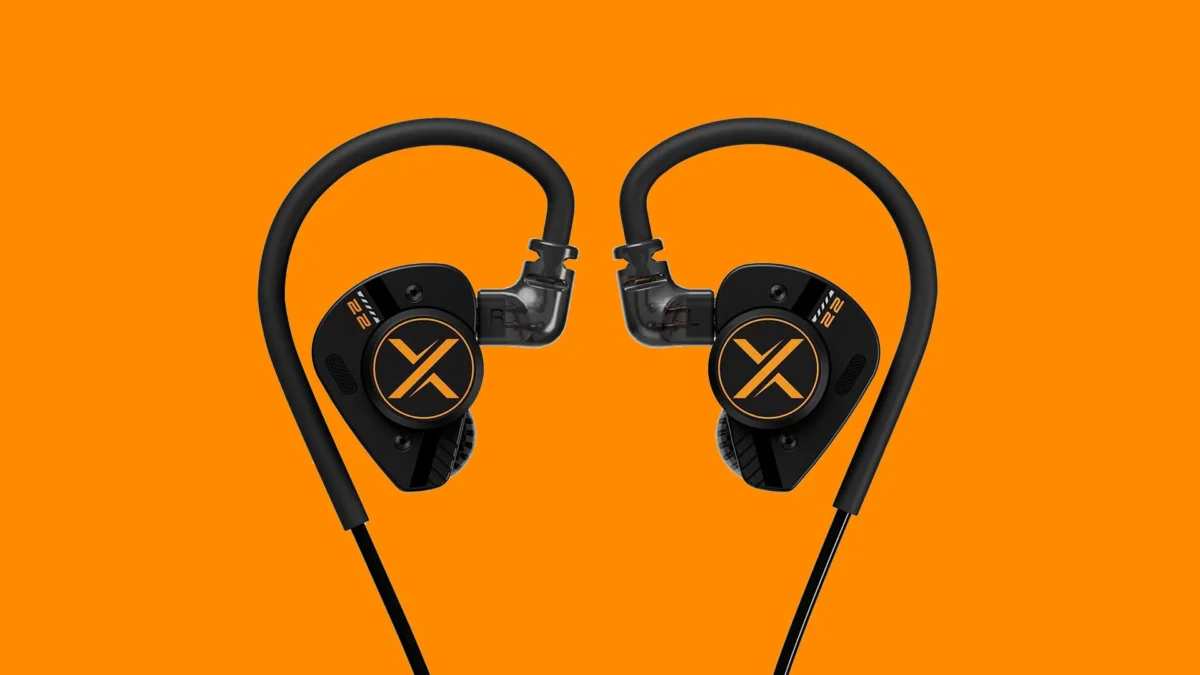
In the competitive landscape of personal audio, the barrier to entry for high-fidelity sound has historically been steep. Audiophiles have long debated the merits of multi-hundred-dollar setups, leaving the casual listener to rely on mass-market, consumer-grade earbuds that often prioritize heavy bass over acoustic clarity. However, a seismic shift is occurring at the entry-level price point. The OoopusX Op.22, currently retailing at just $35, has officially claimed the top spot as our recommended best-value in-ear monitor (IEM) for under $50.
By delivering a dual-profile sound signature—a feature typically reserved for high-end, customizable monitors—the Op.22 is not just another budget earphone; it is an invitation to the audiophile experience.
Main Facts: The $35 Challenger
The OoopusX Op.22 represents a significant milestone in manufacturing efficiency and acoustic engineering. At a price point that often buys little more than "disposable" plastic earbuds, the Op.22 offers a sophisticated dual-profile system.
The device functions as a hybrid monitor, capable of transitioning between two distinct sound signatures via a mechanical dial located on each earpiece. This is not merely a digital EQ preset; it is a physical, hardware-based adjustment that alters the air pressure and driver response. The result is a device that can comfortably pivot from a studio-reference neutral profile—perfect for analytical listening and vocal clarity—to a robust, bass-heavy profile suitable for modern electronic music genres like drum ‘n’ bass, trap, and industrial techno.
Chronology: The Evolution of the Budget IEM
To understand the significance of the Op.22, one must look at the trajectory of the IEM market over the last decade.
- 2014–2018 (The Era of Compromise): The market was dominated by mainstream "lifestyle" brands. Consumers were forced to choose between overpriced, brand-name earbuds with muddy, bloated bass or cheap, fragile alternatives that lacked any durability or sonic definition.
- 2019–2022 (The Chi-Fi Awakening): The rise of boutique Chinese audio brands began to disrupt the industry. Companies started utilizing balanced armature and dynamic driver configurations at a fraction of the cost of Western competitors. While performance improved, features were still static.
- 2023–2024 (The Era of Customization): The current landscape is defined by the "prosumer" demand. Listeners now expect studio-grade features. The arrival of the OoopusX Op.22 signals the final phase of this evolution: bringing professional-grade, hardware-adjustable tuning to the entry-level consumer.
Supporting Data: Why "Neutral" Matters
For the average consumer who has spent years listening through standard-issue smartphone earbuds, the Op.22’s "balanced neutral" profile will be a revelation.
In acoustic testing, the Op.22 demonstrated a frequency response curve that remains remarkably flat in the mid-range. This is critical for music reproduction. Most consumer headphones apply a "V-shape" EQ, which boosts the bass and the treble while significantly "scooping out" the mid-range frequencies. This makes vocals sound distant and guitars feel thin.
The Op.22’s neutral setting brings those hidden mid-tones to the forefront. When listening to complex tracks—whether it is the intricate layering of a jazz quartet or the subtle texture of a singer’s breath—the listener is finally hearing the mix as the producer intended. Our resident audiophile, who has evaluated systems ranging from budget entry-level units to $5,000 reference-class over-ear headphones, noted that the resolution provided by the Op.22 at $35 is comparable to gear that was considered "high-end" just five years ago.
The Engineering Behind the Bass Dial
The most impressive feature of the Op.22 is arguably the physical bass dial. In many budget IEMs, "bass boost" is achieved through cheap software processing or poorly implemented venting that results in "muddiness"—a phenomenon where the bass frequencies bleed into the mid-range, making the overall audio sound cluttered and dirty.
The Op.22 avoids this through precise acoustic damping. When the dial is engaged, it increases the sub-bass output without sacrificing the clarity of the treble or the texture of the vocals. It provides a clean, punchy low-end response that is specifically tuned for genres like EDM, trip-hop, and hip-hop. The ability to switch between these profiles without needing an app or a digital-to-analog converter (DAC) makes the Op.22 a versatile tool for the daily commuter who enjoys podcasts in the morning and bass-heavy playlists during their gym sessions.
Implications for the Industry
The success of the OoopusX Op.22 sends a clear message to the audio industry: the "audiophile tax" is becoming obsolete.
1. Market Pressure on Mid-Tier Brands
Brands that have historically charged $150 to $200 for similar features will now face increased scrutiny. When a $35 product can provide two distinct, high-quality sound profiles, the value proposition of mid-range gear becomes harder to justify unless those products can offer significantly better build materials or exotic driver configurations.
2. Democratization of Sound
The Op.22 is effectively lowering the barrier for entry into the hobby of high-fidelity audio. By offering a "neutral" profile, it educates the consumer on what accurate sound should be, potentially creating a new generation of listeners who will eventually seek out more specialized, higher-priced equipment.
3. Sustainability and Longevity
The modular-style design of the Op.22, combined with its robust build quality, suggests a shift away from the "disposable tech" culture. By providing a product that can be adjusted to suit different musical needs, the manufacturer is encouraging users to keep one pair of earphones for longer rather than buying multiple pairs for different listening scenarios.
Official Responses and Expert Consensus
While the manufacturer, OoopusX, has kept its marketing relatively low-key, the reception from the audiophile community has been vocal. Independent reviews across various audio forums have consistently highlighted the "shock factor" of the price-to-performance ratio.
"The bass dial isn’t a gimmick," noted one independent tester. "It’s a functional piece of engineering that actually alters the acoustic chamber of the earphone. To see this at $35 is, frankly, unprecedented."
Final Considerations: Who is the Op.22 For?
The Op.22 is an ideal purchase for three specific types of listeners:
- The Upgrader: If you are still using the stock earbuds that came with your phone, the Op.22 will feel like upgrading from a television speaker to a cinema sound system.
- The Genre-Hopper: If your library spans from acoustic folk to heavy electronic, the dual-profile capability allows you to get the best of both worlds without carrying two different sets of headphones.
- The Aspiring Audiophile: If you are curious about high-fidelity audio but are intimidated by the cost of entry, the Op.22 is a risk-free investment that provides a true baseline for what better sound quality feels like.
For those residing outside of the United States, we recommend checking local retailers and authorized distributors, as global pricing may vary slightly due to import tariffs and shipping logistics. However, even with minor price fluctuations, the Op.22 remains a dominant force in the budget category.
In conclusion, the OoopusX Op.22 has earned its place as the definitive budget IEM of the year. By refusing to compromise on sound signature options and delivering a clean, professional listening experience, it has set a new standard that other manufacturers will be forced to chase. If you are looking to elevate your daily listening experience without breaking the bank, this is the hardware to beat.


 Dwi Wanna
 Lina Irawan




