Muslim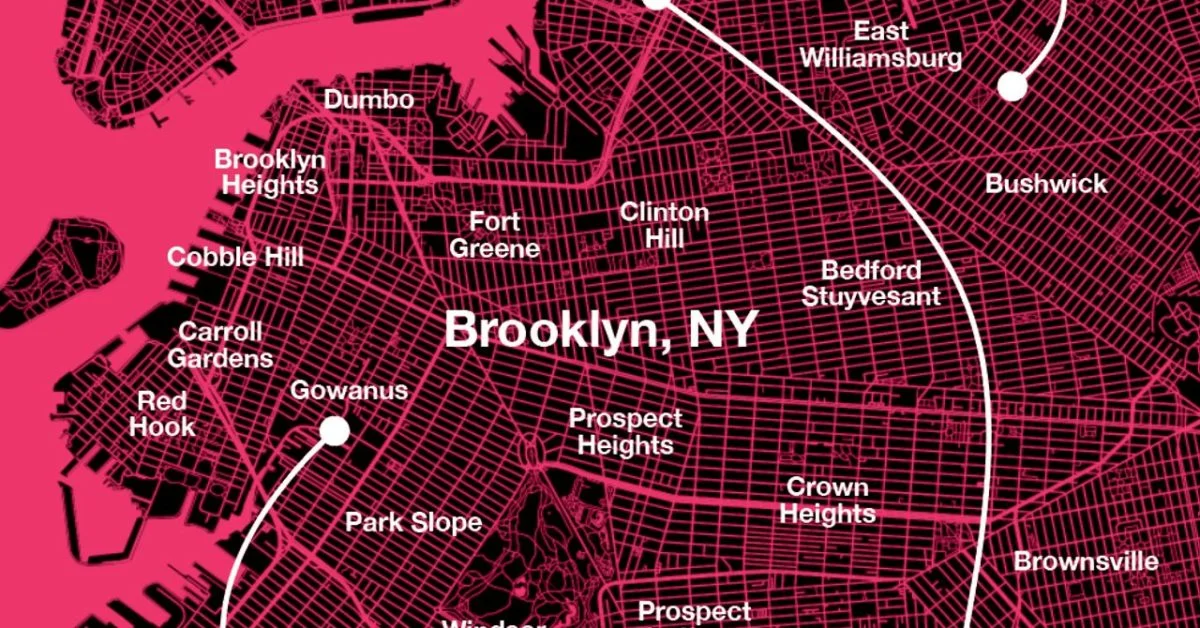
In a bold move to redefine the intersection of graphic fiction, digital publishing, and contemporary urban storytelling, AWA Studios has officially launched Lesser Evils. This ambitious shared universe, set against the backdrop of a grit-and-glamour Brooklyn, aims to capture the zeitgeist of modern life through the lens of the supernatural. By weaving together stories of heartbreak, ambition, and the "lesser evils" we encounter in our daily routines, creators Ian Grody and Justin Fair, alongside illustrator Yishan Li, have constructed a narrative ecosystem that is as eerily familiar as it is fantastical.
The Genesis of a New Mythology
The Lesser Evils universe serves as a "Looking Glass" version of Brooklyn, a borough already renowned for its rapid cultural shifts and the constant reinvention of its inhabitants. At its core, the project is designed to mirror the struggles of the modern individual—the burnout, the social anxieties, and the pursuit of connection—by introducing entities that amplify these human experiences.
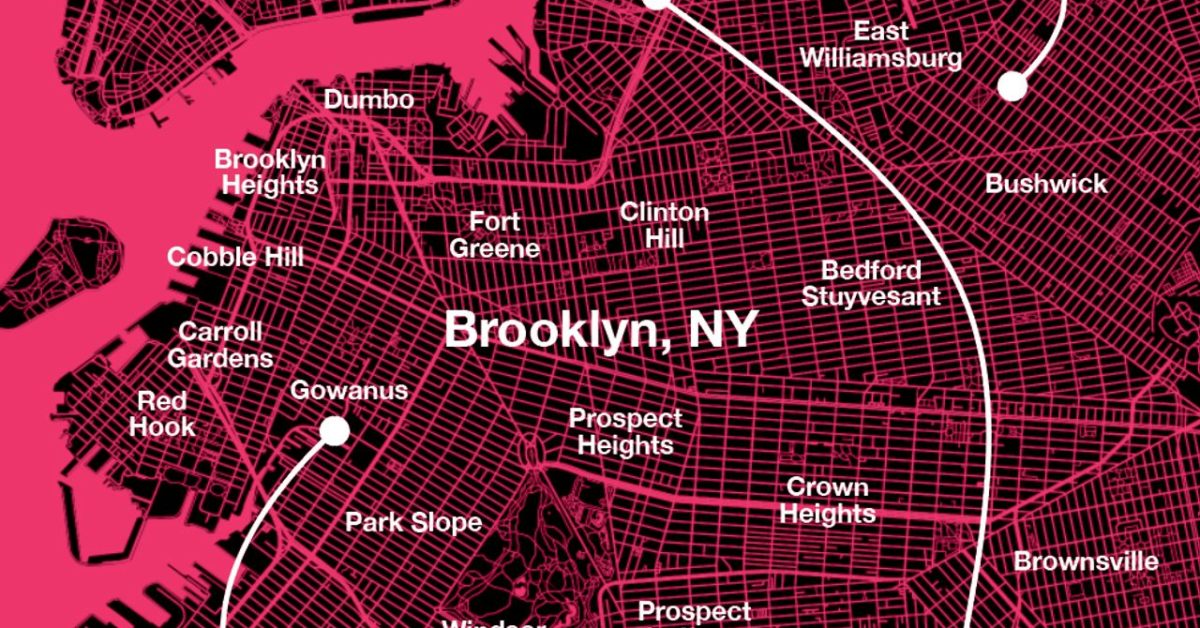
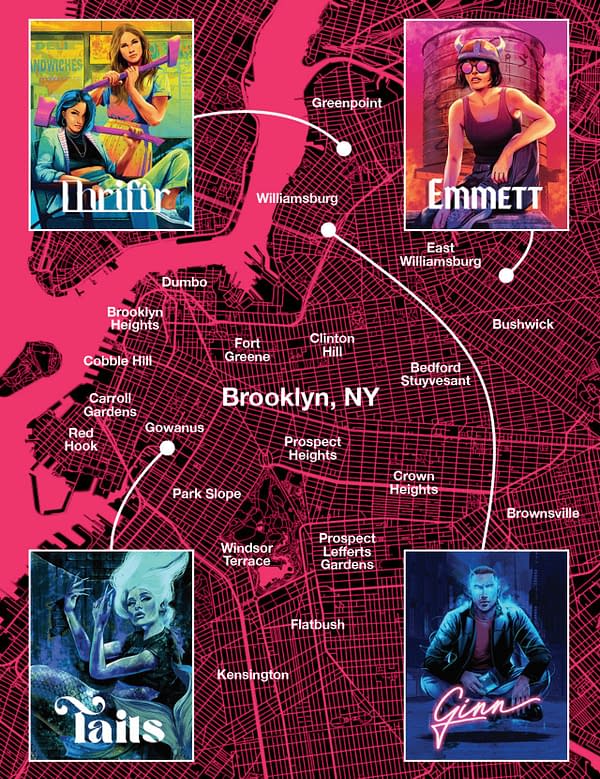
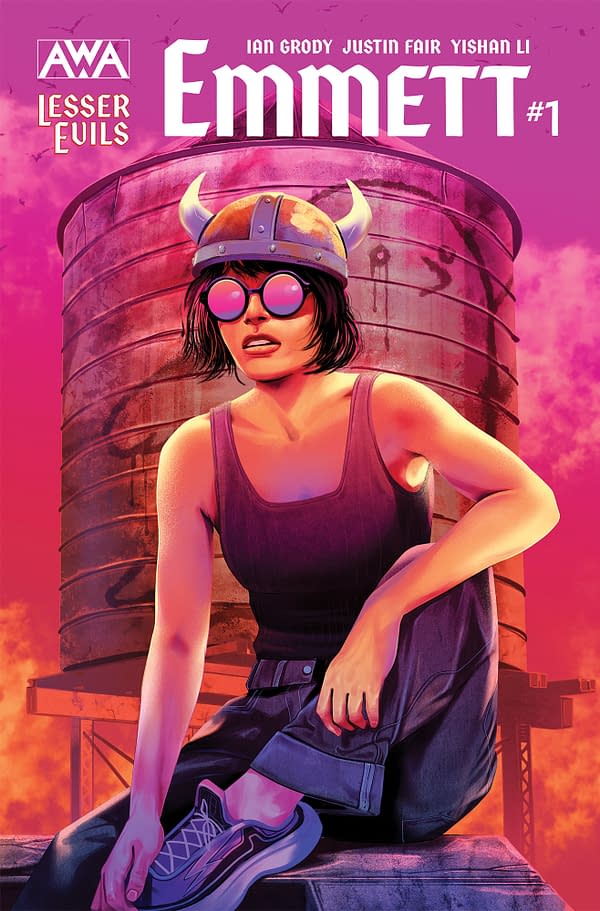
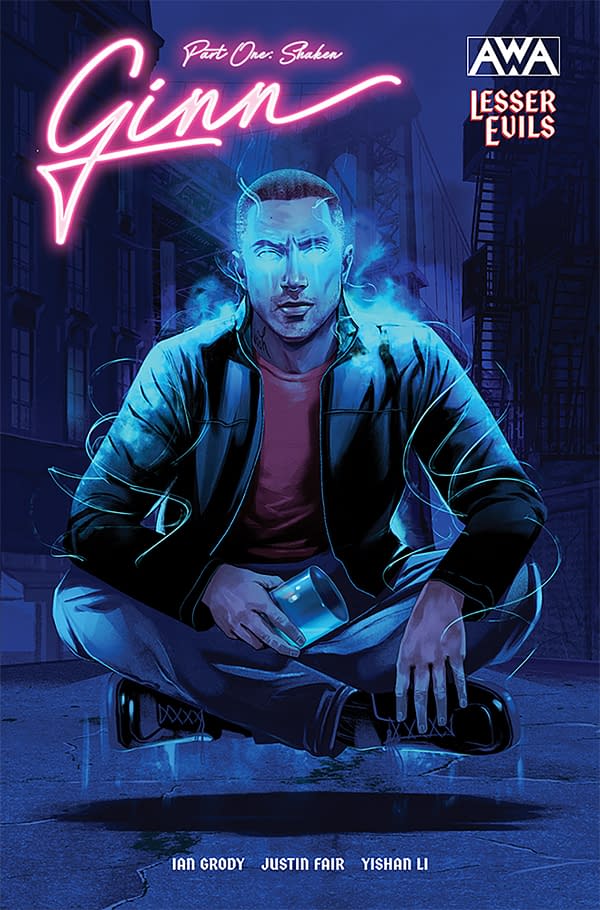
The universe is anchored by four distinct yet interconnected series: Emmett, Ginn, Thriftr, and Tails. Each title explores a specific slice of the Brooklyn experience, utilizing supernatural tropes to heighten the stakes of mundane problems.
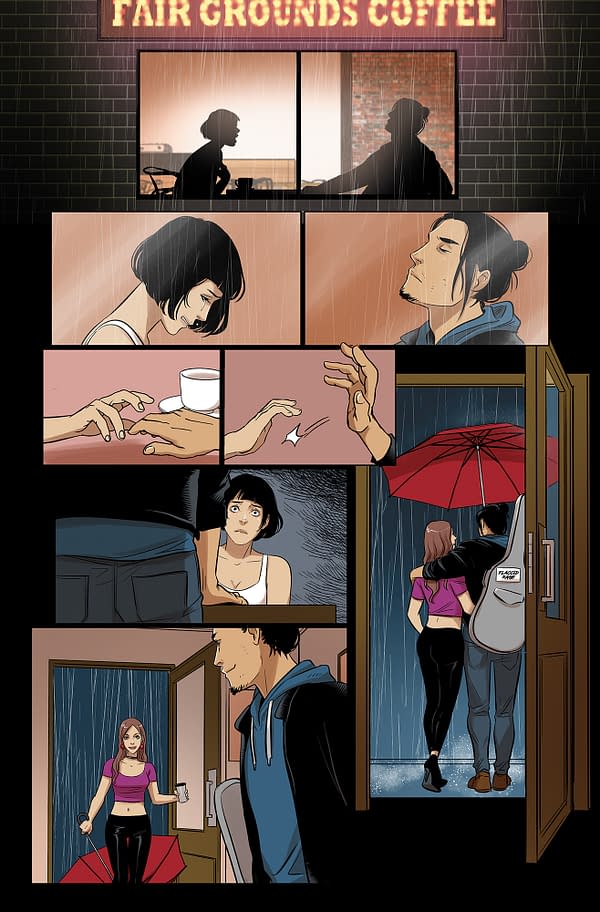
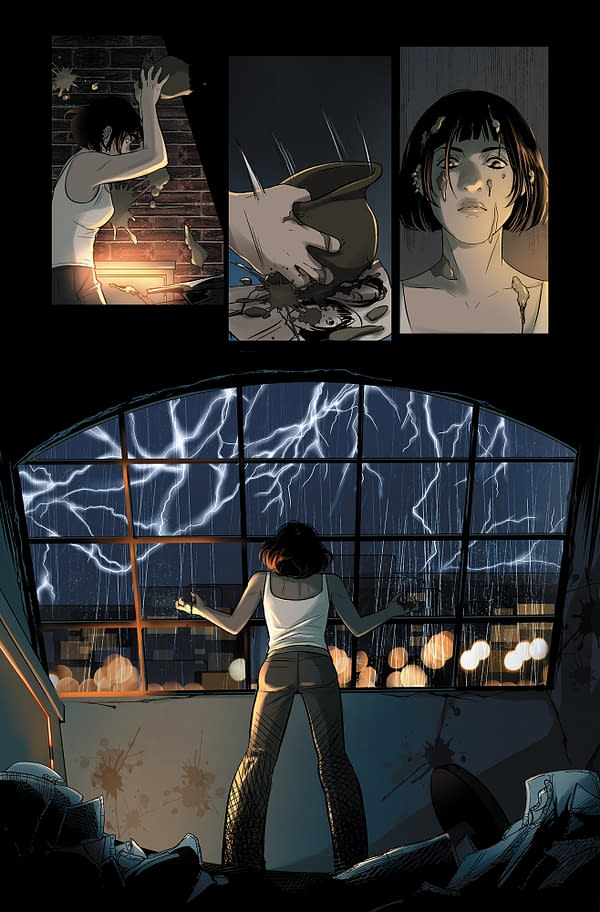
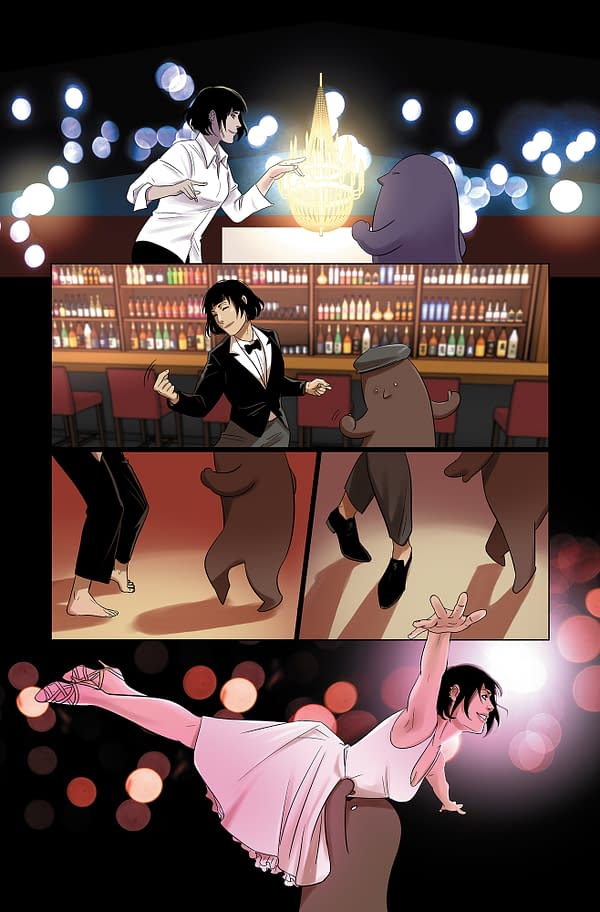
- Emmett: Focuses on Lydia, a potter who, in the throes of a post-breakup spiral, inadvertently summons a golem from the clay in her studio. This golem, Emmett, becomes a unique roommate—one who can mix a cocktail, perform household chores, and aid in the exacting of revenge.
- Ginn: A darker, existential take on the genie myth. Once his master grants him freedom, a foul-mouthed, alcoholic genie suffers a mid-life (or mid-millennia) crisis, eventually finding purpose through a relationship with a woman in the nonprofit sector.
- Thriftr: A supernatural thriller centered on two NYU graduates who open a high-end vintage boutique in Greenpoint. Their business relationship—and their lives—are threatened by a mysterious antique sculpture that feeds on their unresolved interpersonal conflicts.
- Tails: A narrative exploring power dynamics in the service industry, following Maude, a line cook struggling against a toxic boss, who finds an unlikely confidant in a mermaid inhabiting the local canal.
A Chronology of the Launch
The rollout of the Lesser Evils universe is a masterclass in modern, multi-platform media strategy.
- June 2021: The project’s seeds were planted at the Tribeca Film Festival, where co-creators Ian Grody and Justin Fair participated in an AWA Studios session discussing the future of transmedia storytelling and the blurred lines between graphic novels and screen-based media.
- May 25, 2022: The official launch began with the digital release of Emmett #1 on the platform GlobalComix. Notably, the debut was synchronized across six languages, including English, French, Spanish, Italian, Brazilian Portuguese, and Hindi, signaling AWA’s intent to cultivate a global audience from day one.
- May–July 2022: A high-frequency webtoon release schedule was implemented, delivering three episodes per week over a nine-week period to maintain audience engagement.
- August 24, 2022: The physical comic book market received the Emmett #1 print edition, with a staggered rollout for the remaining titles, Ginn, Thriftr, and Tails, following shortly thereafter.
Bridging the Gap: Creative Perspectives
The success of Lesser Evils lies in its commitment to "creative culture’s cutting edge," a vision shared by its architects.
Writer Ian Grody, an ad executive by trade, articulated his vision for the project as a reflection of contemporary life. "My aspiration from the jump has been to create a comic through the lens of contemporary culture," Grody explained. "Brooklyn was the perfect backdrop because it’s not only a cultural hub, it’s a place of becoming… Where people actively go to transform and reinvent themselves. Any place where there’s that much hope and desperation and frustration is already full of magic."
Justin Fair, who directs and produces the accompanying live-action materials, drew inspiration from a perhaps unlikely source—Gavin Rossdale of the band Bush. "As the voice of a generation, Gavin Rossdale sang: ‘It’s the little things that kill,’" Fair noted. "Lesser Evils are the less obvious, often self-inflicted, more insidious evils that threaten our well-being. They are the pitfalls we all must avoid and the obstacles we all must navigate within ourselves."
Artist Yishan Li, known for her work on Hellboy and Batwoman, highlighted the project’s unique tone. "It’s kind of slightly chilling, slightly funny, but more of a mystery, everyday life kind of thing," Li stated, noting that the grounded yet eerie nature of the script resonated with her personal artistic preferences.
Supporting Data and Strategic Partnerships
The partnership with GlobalComix has been a defining feature of the Lesser Evils launch. Christopher Carter, CEO of GlobalComix, praised AWA’s strategy as a blueprint for the future of the industry. By launching "day and date" in multiple languages, AWA effectively circumvented the traditional geographic barriers that often hinder new independent intellectual properties.
Furthermore, the integration of live-action short films serves to deepen the immersion. The Emmett short film, starring Isiah Whitlock Jr. (famous for his roles in The Wire and Da 5 Bloods) as the voice of the golem, alongside Meredith Alloway and Jake Cannavale, acts as a proof-of-concept for the universe’s transmedia potential.
Will Graves, Managing Editor at AWA Studios, emphasized that the collaboration was a "full-circle moment" originating from the 2021 Tribeca session. This connection highlights a shift in the comic industry, where publishers are increasingly looking for stories that are "film-ready" and capable of existing simultaneously in print and streaming formats.
The "Lesser Evils" in the Digital Era
The project is a significant case study in how publishers are adapting to the digital age. AWA’s initial announcement regarding the inclusion of NFTs (Non-Fungible Tokens) within the Lesser Evils ecosystem underwent a notable correction. The company later requested the removal of references to the NFT component, citing the rapid volatility of the Web3 space. This move underscores the prudence required by media companies as they navigate experimental digital monetization strategies. It reflects a shift toward prioritizing sustainable community building over chasing trends that may prove unstable.
Implications for the Industry
The Lesser Evils universe represents a broader trend within the comic book industry: the rise of "shared universes" that are not tethered to decades of superhero continuity. By opting for a premise rooted in the "real world" of Brooklyn rather than the multiverses of established comic giants, AWA Studios is targeting a demographic that values aesthetic, relatability, and shorter, more intense narrative arcs.
This strategy has several implications for the future of the medium:
- Transmedia Integration: The immediate creation of short films, webtoons, and comic books demonstrates that the "comic" is no longer just a print product; it is a brand platform.
- Global-First Distribution: The six-language digital rollout is a significant departure from traditional models, acknowledging that the internet has flattened the global market for independent graphic fiction.
- Modernizing the "Everyday": By centering stories on gig-economy workers, boutique owners, and service industry employees, Lesser Evils taps into the anxieties of the millennial and Gen Z demographics, proving that supernatural horror can be a powerful vehicle for exploring modern societal pressures.
In summary, Lesser Evils is more than a series of comic books; it is an experiment in modern storytelling. By blending the high-concept drama of the supernatural with the low-stakes, high-stress reality of life in a major city, AWA Studios has created a blueprint for how to engage a modern, digitally native audience. As the series continues to unfold, its success will likely influence how other independent publishers approach the launch of new, creator-owned properties, signaling a shift toward more agile, multi-platform, and internationally accessible storytelling.

 Ammar Sabilarrohman
 Raul Delapena Setiawan