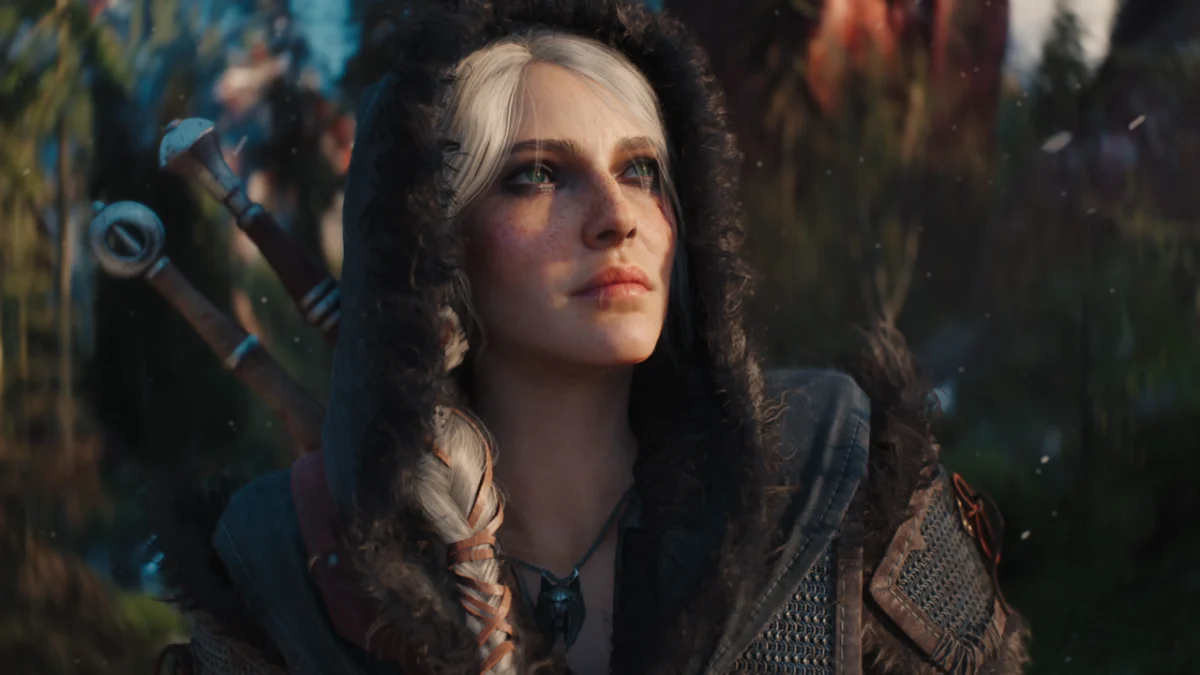
In a strategic move designed to eliminate years of consumer confusion and consolidate its global brand identity, the Polish gaming giant known as CD Projekt has officially announced a sweeping corporate rebranding. Moving forward, the parent company will adopt the moniker of its world-renowned development subsidiary: CD Projekt Red.
For decades, the distinction between "CD Projekt" (the corporate entity) and "CD Projekt Red" (the development studio) has been a source of headache for financial analysts, journalists, and fans alike. By folding the parent company under the iconic "Red" banner, the organization is acknowledging the reality of its own success—a success so synonymous with its development house that the corporate legal name had become an outlier in the public consciousness.
The Chronology of a Brand Identity
To understand why this change is occurring now, one must look back at the company’s humble, bifurcated origins.
1994: The Birth of a Distributor
The story begins in 1994, when Marcin Iwiński and Michał Kiciński founded CD Projekt. At the time, the company had no aspirations to develop world-class RPGs. Instead, it functioned as a local distributor, bridging the gap between Western game developers and the burgeoning Polish market. In the early 90s, securing official licenses for international hits was a complex, arduous task; CD Projekt built its reputation on navigating these waters, effectively introducing the Polish audience to global gaming culture.
2002: The Rise of the "Red" Studio
By 2002, the company felt it was time to transition from selling other people’s stories to crafting their own. CD Projekt Red was established as a dedicated development studio. This was a monumental shift that would eventually lead to the creation of The Witcher franchise. As the studio’s global acclaim skyrocketed, the name "CD Projekt Red" became a badge of quality, representing a specific philosophy of mature, narrative-driven gaming.
2010s–2024: The Era of Misalignment
Throughout the 2010s, as titles like The Witcher 3: Wild Hunt and Cyberpunk 2077 dominated the industry, a strange phenomenon occurred. While the parent company—CD Projekt—grew into a publicly traded powerhouse on the Warsaw Stock Exchange, the public continued to refer to the entire enterprise simply as "CD Projekt Red." The parent company remained a technicality, a legal shell that existed primarily for shareholders and corporate filings, while the brand power resided entirely within the "Red" studio.
Supporting Data: Why Consistency Matters
The decision to rebrand is not merely aesthetic; it is a calculated effort to ensure "full brand consistency." In the modern global market, brand recognition is a tangible asset. When a company’s corporate name diverges from its consumer-facing identity, it creates friction in marketing, investor communications, and intellectual property management.
Recent financial filings have confirmed this shift. The decision was formalized during a recent general meeting, where the resolution to unify the brand was adopted. This follows a broader trend in the tech and entertainment sectors, where companies seek to simplify their structure to ensure that every dollar spent on marketing contributes to a singular, cohesive identity.
For fans, the transition is largely academic. Whether they are buying a game on Steam or checking the company’s stock performance, the "Red" branding is what they recognize. By aligning the legal entity with the brand, the company is effectively closing the gap between its corporate operations and its creative output.
The Power of Consumer Influence
There is an amusing, perhaps even poetic, irony in this rebranding. For years, the gaming community has consistently ignored the distinction between the two entities. No matter how many times PR representatives and legal teams insisted on the separation, the collective gaming consciousness refused to acknowledge it.
One could argue that this is a rare instance where the gaming community "bullied" a corporation into submission—not through malicious intent, but through sheer, persistent usage. When a brand becomes large enough, the public defines it, not the legal department. We saw this same dynamic during the lead-up to The Witcher 4. Despite repeated attempts by the developer to clarify that the title was not "The Witcher 4," the name persisted in the media and in player discussions until it eventually became the official nomenclature.
This latest rebrand is an acknowledgment that the "CD Projekt Red" identity has become too large to be contained within a subsidiary. It has become the company itself.
Strategic Implications for the Future
What does this mean for the future of the company? In the short term, the transition will likely involve a massive overhaul of corporate stationery, digital assets, and financial reporting protocols. However, the long-term implications are far more significant.
1. Unified Investor Relations
By consolidating under one name, the company clarifies its value proposition for investors. Confusion between the parent company’s financial health and the studio’s development cycles has occasionally muddied the waters for analysts. A unified name suggests a unified mission.
2. Streamlined IP Management
"CD Projekt Red" carries a specific weight in the industry. It stands for a particular style of game design and a specific reputation for quality and storytelling. By branding the entire corporation under this name, the company leverages that brand equity across all its divisions, whether it is working on new Witcher entries, expanding the Cyberpunk universe, or exploring new, original IPs.
3. A Clearer Global Identity
As the company expands into new markets—such as its growing presence in North America and Asia—a single, powerful brand name is easier to market. "CD Projekt" is a mouthful for many, but "CD Projekt Red" is an established, recognized entity that carries with it the prestige of a decade of industry-defining hits.
Looking Ahead: The "Red" Horizon
As the industry looks toward the next generation of gaming, CD Projekt Red (the whole entity) remains one of the most closely watched companies in the world. With multiple projects currently in development—including the next installment in The Witcher saga and ongoing support for the Cyberpunk franchise—the company is clearly preparing for a new chapter.
This rebranding is more than just a name change; it is an admission of maturity. The company has moved past the era of being a distributor with a side-hustle in game development. It is now a global powerhouse that has finally decided to embrace the name that its fans gave it twenty years ago.
While legal and administrative departments might mourn the loss of the distinction, the rest of the world will likely view this as a common-sense update. The "Red" has officially taken over the house. For the millions of players who have been calling it that all along, this is simply the world finally catching up to the truth.
As we look toward the future, the question remains: what will this unified identity achieve? With a massive slate of upcoming games, the "Red" brand is poised to continue its streak as one of the most influential forces in the RPG genre. Whether the company is distributing, developing, or innovating, they will now be doing it under one, unmistakable banner. The confusion is over, and the era of the unified CD Projekt Red has officially begun.