Nana
Nana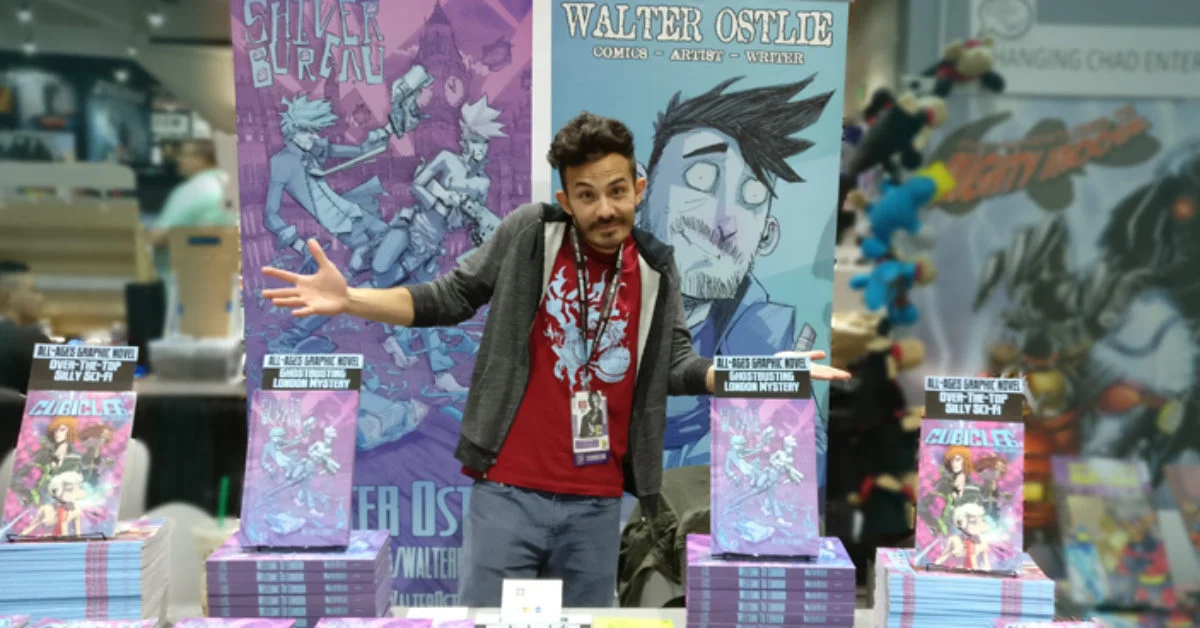
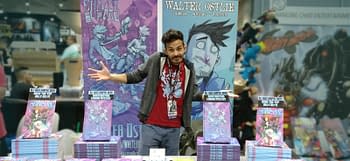
In the rapidly shifting landscape of modern independent publishing, few creators have navigated the transition from traditional print to digital-first platforms as effectively as Walter Ostlie. A versatile writer and artist, Ostlie has spent over a decade building a career defined by high-concept genre fiction, community engagement, and a relentless work ethic. From the gritty, historical fantasy of Shiver Bureau to the viral success of his demon-slaying shark saga Metalshark Bro, Ostlie’s journey offers a roadmap for contemporary creators looking to sustain a full-time career in the arts.
A Chronology of a Creative Career
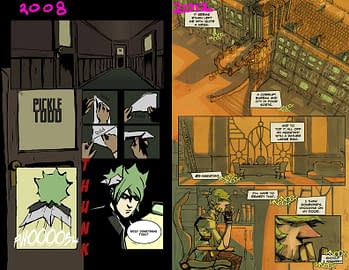
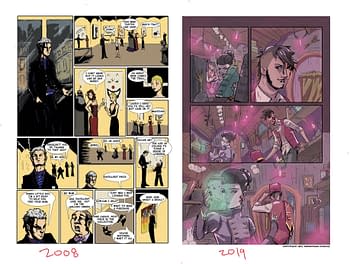
Ostlie’s professional trajectory began in 2008, a year he dedicated to the self-taught discipline of writing and drawing sequential art. This foundational period culminated in his 2011 graphic novel debut, Cubicles, published by Red5 Comics. While Cubicles established his presence in the industry, it was his sophomore effort, Shiver Bureau, that truly showcased his potential for community-funded success.
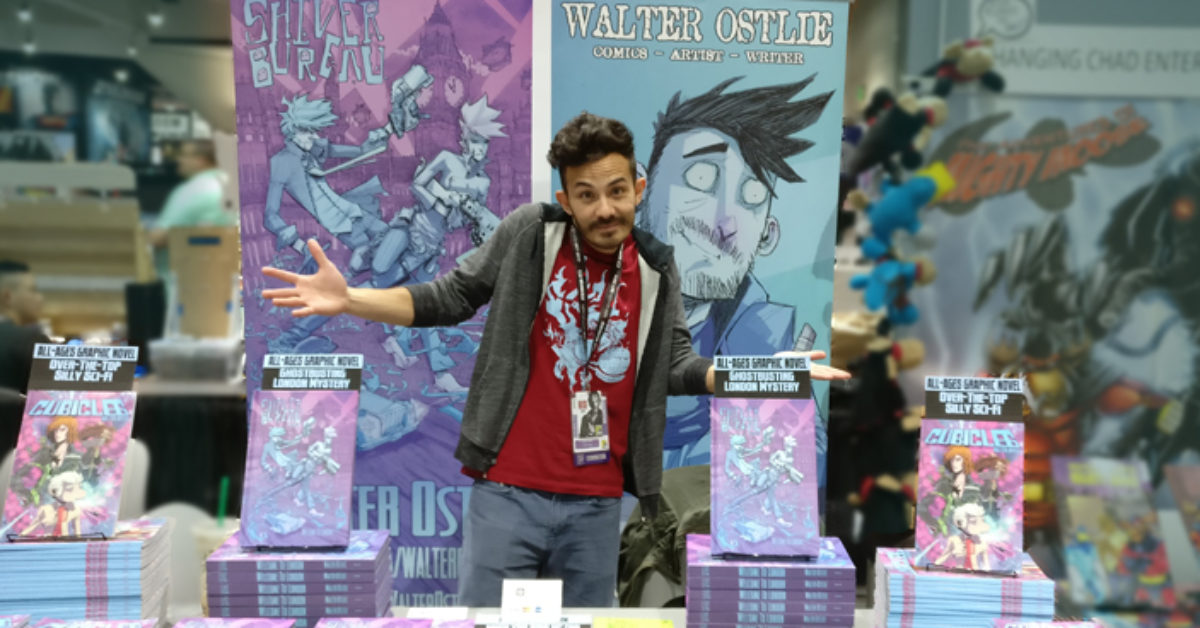
The project, a Victorian-era supernatural thriller, raised over $13,000 via Kickstarter. The success of the campaign caught the attention of Scout Comics, which eventually brought the title into wider distribution. This early success set a pattern for Ostlie: using crowdfunding as a validation tool before scaling into traditional distribution channels. By 2016, Ostlie expanded his portfolio by collaborating with writer Greg Anderson Elysee on the award-winning series Is’nana: The Were-Spider. This partnership marked a pivot point, pushing Ostlie toward a more demanding production schedule and a deeper understanding of the collaborative dynamics inherent in comic book production.
The Digital Frontier: The Rise of Webtoons
The most significant disruption in Ostlie’s career occurred with the advent of Webtoon, a digital platform that has fundamentally altered the economics of independent comics. For many traditional creators, the platform is a mystery; for Ostlie, it was a career-defining opportunity.
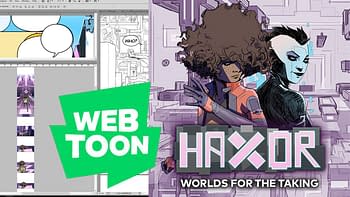
"Webtoon is webcomics, but to the power of one million," Ostlie explains. "It’s a platform like YouTube, but for comics. Anyone can post, but they also have an ‘Originals’ program where they fund creators. They pay a publishing fee, and you retain your IP. Compared to the traditional US model, it’s a game-changer."
The transition was not without its hurdles. The rigorous demand of the Webtoon format—which requires a weekly episode, effectively equating to 6–8 traditional comic pages—forced Ostlie to abandon his day job in 2017. This "plunge," as he calls it, necessitated a complete overhaul of his creative process. He had to adapt his storytelling techniques for the platform’s infinite vertical scroll, learning to utilize panels to build suspense and character through repetition, rather than relying solely on the wide, static splash pages common in print media.
Supporting Data: The Economics of Independence
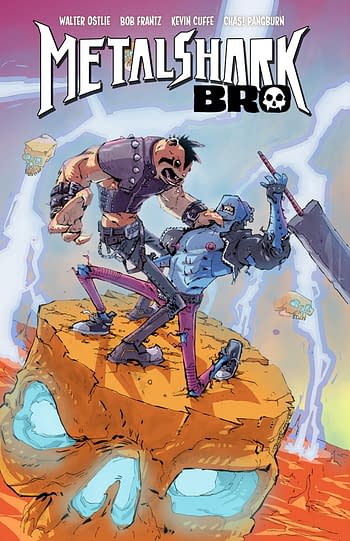
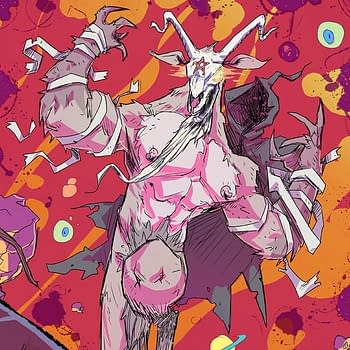
Ostlie’s financial success is anchored in his ability to leverage multiple revenue streams simultaneously. His recent project, Metalshark Bro—a bizarre, high-energy tale about a were-shark battling demons—raised over $50,000 on Kickstarter. This achievement highlights the efficacy of the "creator-owned" model when combined with a direct-to-consumer audience.
However, this financial independence comes at a cost of time and labor. Ostlie maintains a disciplined, six-day-a-week schedule to manage his output. His day typically begins at 7:00 AM, with focused drawing sessions punctuated by short breaks, often extending into the evening. He credits this "old person schedule" as essential for maintaining productivity, noting that any lapse in sleep hygiene immediately impacts the quality of his work.
Artistic Evolution: Speed as a Catalyst
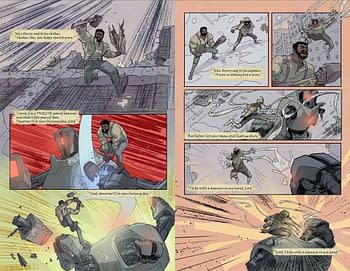
When asked about the development of his style, Ostlie offers a candid assessment of the "static" nature of artistic growth after a certain level of proficiency is reached. He notes that while his fundamental drawing ability has remained consistent over the last seven years, his speed has increased exponentially.
"Stuff that would have taken me a few hours to draw, I can now do in 30 minutes," he says. "Speed has been the catalyst for my style. Because I had a day job for so long, I had to find ways to simplify the process. You can’t walk away from a 100-page comic without having grown as an artist; it’s an obstacle course that forces you to draw everything—hands, buildings, monsters, and vehicles."
His influences reflect this shift toward the stylized and the unique. While he grew up admiring the legendary Jim Lee, his current inspirations include Skottie Young, Ben Templesmith, James Harren, and Daniel Warren Johnson. These artists are masters of taking the mundane—a tree, a cityscape—and rendering it in a way that is both familiar and "uniquely alien."
Official Perspectives: Navigating the Writer-Artist Relationship
Perhaps the most insightful aspect of Ostlie’s experience is his perspective on the collaborative process between writers and artists. Having worked with various creators, including Anderson Elysee, he stresses that the "vision" is the hardest part of the translation.
"If I write a script, I know exactly what the box on the table looks like, the lighting, the mood, and the context," Ostlie notes. "When I am working from someone else’s script, I don’t know jack squat. Working through that barrier is what makes an artist more versatile."
His advice to writers is simple yet profound: build a relationship based on radical transparency. Both parties must be comfortable providing and receiving criticism. A writer must be willing to tell an artist when a scene isn’t working, and an artist must have the confidence to suggest structural changes.
Implications for the Industry
Ostlie’s career trajectory offers several implications for the future of the medium:
- Platform Agnosticism: The ability to move between Webtoon’s digital-first format and the physical, collectible nature of Kickstarter-backed graphic novels is essential for modern survival.
- Community as Currency: Ostlie’s YouTube channel, where he demystifies the technical side of comic creation, serves as a vital touchpoint for his audience. By providing value to his readers—not just in content, but in knowledge—he has cultivated a loyal base that supports his commercial endeavors.
- The "Full-Time" Reality: The transition to full-time freelancing is not just a creative decision; it is a logistical one. It requires a deep understanding of marketing, distribution, and project management.
Looking Ahead: The Next Phase
Despite his immense output, Ostlie shows no signs of slowing down. Having recently signed contracts for a major new project that will occupy his schedule well into 2021, he is currently in a self-imposed moratorium on new freelance work.
When asked about the potential for a Shiver Bureau revival or a crossover between his current works and Is’nana, Ostlie maintains a cautious optimism. His focus remains on delivering high-quality, singular projects that challenge his own perceptions of his abilities. Whether he is "villainous" or a "sweetheart," as he jokes, his impact on the indie comic scene is undeniable. For aspiring creators, Walter Ostlie stands as proof that with enough discipline, a clear understanding of digital tools, and a willingness to embrace the "wacky," one can indeed build a sustainable, creative life outside the traditional industry gatekeepers.
For those looking to follow his progress or support his latest ventures, Ostlie remains accessible through his official portal, WalterOstlie.com, where he continues to bridge the gap between traditional craftsmanship and the digital future of comics.

 Lina Irawan