

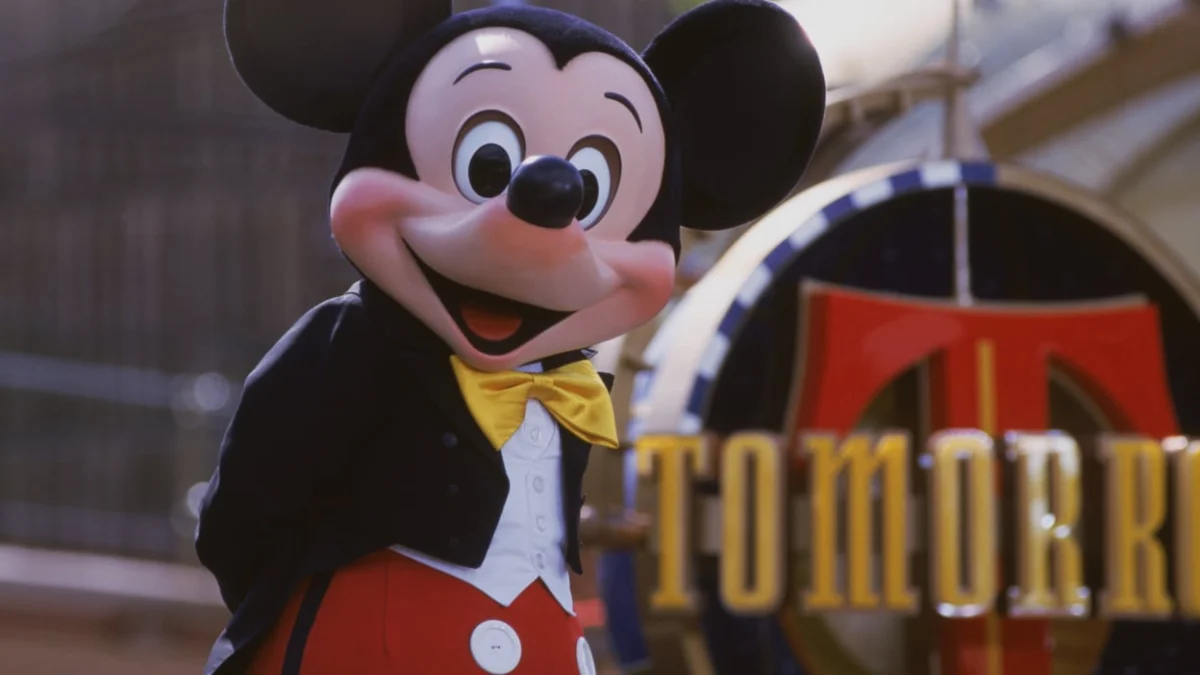
In an era where personal privacy is increasingly eroded by wearable technology, a new, unconventional form of digital resistance has emerged. As Meta’s Ray-Ban smart glasses become a staple for content creators and "manfluencers" looking to film unsuspecting strangers in public, a desperate, grassroots tactic has gained traction across social media: playing copyrighted Disney music.
The logic is simple, if somewhat cynical: play a copyrighted track—often from a Disney film—and automated content moderation systems on platforms like Instagram, TikTok, and YouTube will identify the unauthorized audio, theoretically triggering a copyright strike that prevents the video from being uploaded, monetized, or shared. While this "copyright hack" has captured the internet’s imagination, it serves as a stark symptom of a deeper, more troubling reality: individuals, particularly women, are being forced to navigate a world where their every move in public might be surreptitiously captured and broadcast to millions.
The Rise of the "Manfluencer" and Covert Surveillance
The proliferation of smart glasses has fundamentally altered the social contract of public space. While these devices are designed to look like standard fashion accessories, their integrated cameras allow users to capture high-definition video without ever pulling out a smartphone. This invisibility has empowered a subset of creators to turn public interactions—ranging from airport encounters to grocery store small talk—into "content."
For many, this is a profound violation of agency. The phenomenon has been particularly prevalent among creators who film themselves approaching women, often under the guise of "pickup artistry" or social experimentation. For the subject, the interaction may seem like a mundane, albeit perhaps unwanted, social encounter. For the creator, the subject is merely a prop in a performance designed to generate engagement and ad revenue.
The psychological impact of this trend cannot be overstated. When a woman realizes, often after the fact, that her image has been weaponized for online clout, the sense of betrayal is palpable. "I didn’t consent to being secretly recorded, and I definitely didn’t consent to becoming content for millions of strangers," noted one content creator, identified as Manic Muse, who discovered that a private conversation in a grocery store had been uploaded to the internet without her knowledge.
A History of Copyright as a Weapon
The idea of using copyrighted audio to disrupt recording is not a product of the current smart-glasses craze. It is a tactic with a surprisingly long, documented history, largely pioneered by activists and protestors attempting to prevent law enforcement from using their body-cam or bystander footage.

The strategy gained prominence as early as 2021. In one notable instance, Beverly Hills police officers were recorded playing songs by the Beatles and Sublime during interactions with activists. The intent was clear: by flooding the audio environment with high-profile copyrighted content, the officers were attempting to trigger automated systems that would flag, mute, or remove any livestreamed video uploaded to platforms like Instagram.
Similar incidents occurred in Alameda County, California, and in Illinois, where police officers were explicitly observed using music to frustrate the efforts of citizens exercising their right to record law enforcement. In most of these cases, the departments involved eventually distanced themselves from the practice, citing that it was not an official policy. However, the recurring nature of these incidents demonstrated a growing awareness of how automated copyright enforcement—designed to protect intellectual property—could be weaponized to suppress visual documentation.
Does the "Disney Defense" Actually Work?
While the theory behind the Disney defense is rooted in the architecture of modern social media, its efficacy is highly variable. Platforms like YouTube utilize an automated system known as "Content ID," which scans uploaded content against a massive database of copyrighted material.
When a match is found, the copyright holder—in this case, often a media giant like Disney—can choose from several actions: they can block the video entirely, track its viewership, or monetize it by placing ads on the video and keeping the revenue.
Crucially, "blocking" is not the only outcome. In many instances, the video remains online, but the uploader loses the ability to profit from it. For a creator looking to monetize a video of an unsuspecting person, this might be a deterrent, but it does not stop the video from being viewed. Furthermore, sophisticated editing software allows users to strip audio, replace it, or isolate voices, potentially bypassing these automated filters entirely.
Beyond the technical hurdles, there is the practical issue of timing. For a person to successfully use the Disney defense, they must first realize they are being recorded, possess a device capable of playing loud music, and have the presence of mind to trigger that music before the interaction concludes. In many cases, the covert nature of smart glasses ensures that the subject is unaware they are being filmed until the video has already been posted to the web.

Official Responses and Platform Policies
As the controversy surrounding smart glasses has intensified, social media platforms have been forced to respond. Instagram, in particular, has faced mounting pressure to address the harassment facilitated by its parent company’s own hardware.
Adam Mosseri, the head of Instagram, recently signaled a shift, stating that the platform would begin removing content that exploits or harasses individuals via smart glasses. Meta has also taken steps to deactivate high-profile accounts that built their following on the back of non-consensual recordings. However, this reactionary approach is inherently limited. Moderation typically occurs after the damage is done—after the video has garnered thousands of views, been shared across networks, and subjected the subject to public scrutiny and potential abuse.
Legal frameworks are also beginning to evolve, albeit slowly. New York recently implemented a ban on recording-enabled glasses within its court system, signaling a broader legislative desire to curb the use of "spy-tech" in sensitive or public-facing environments. Yet, outside of these specific jurisdictions, the law remains murky. While recording in public is generally protected, the intersection of privacy, harassment, and commercial exploitation via wearable tech remains a gray area that current legislation has yet to fully map.
Implications for the Future of Public Space
The "Disney defense" is a fascinating, if depressing, example of the "cat and mouse" game that defines the digital age. It represents a collective effort to reclaim agency in a world where technology has outpaced social norms. However, relying on a private corporation’s copyright enforcement as a substitute for bodily autonomy is a band-aid on a much deeper wound.
The core issue remains the normalization of non-consensual recording. As hardware manufacturers continue to refine smart glasses to be smaller, more discreet, and more powerful, the burden of "privacy protection" is being unfairly shifted onto the individual. Whether it is wearing sunglasses to block lenses, using stickers to cover LEDs, or blasting Disney soundtracks, the fact that people feel the need to engage in these defensive maneuvers is a indictment of the current trajectory of personal technology.
Ultimately, the Disney defense is a sign of a society struggling to reconcile the convenience of innovation with the fundamental right to exist in public without becoming an unwitting participant in someone else’s digital content. Until there are more robust, enforceable standards regarding consent and the commercial use of candid imagery, we can expect this digital arms race to continue, with the average person left to invent their own creative, if unreliable, defenses.











