Ammar Sabilarrohman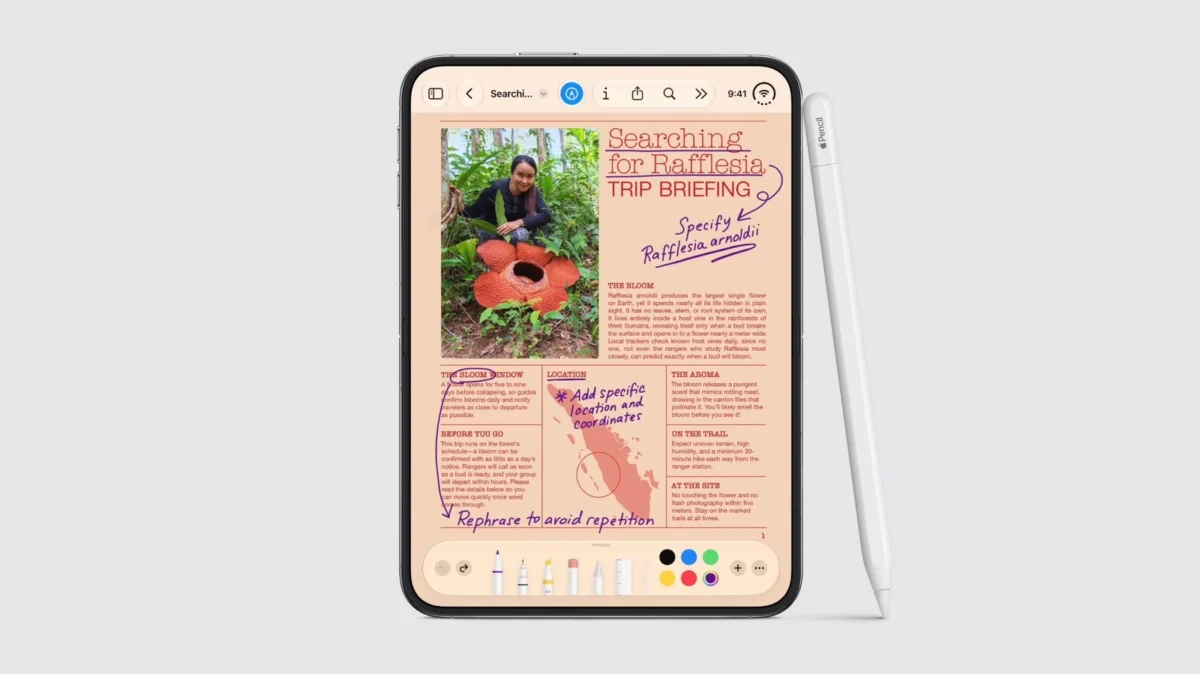
In a move that signifies one of the most profound shifts in Apple’s hardware philosophy, the company has officially bridged the gap between its tablet and smartphone ecosystems. For over a decade, the Apple Pencil—originally derided by the late Steve Jobs as an unnecessary addition to the mobile experience—has been the exclusive domain of the iPad. That distinction has now evaporated with the launch of the iPhone Duo, Apple’s foray into the foldable smartphone market.
While the integration of the Apple Pencil into the iPhone experience marks a historic milestone, it arrives with a complex web of compatibility requirements, software dependencies, and a fundamental change in how users interact with their handheld devices.
The Core Facts: A New Input Method for the iPhone Duo
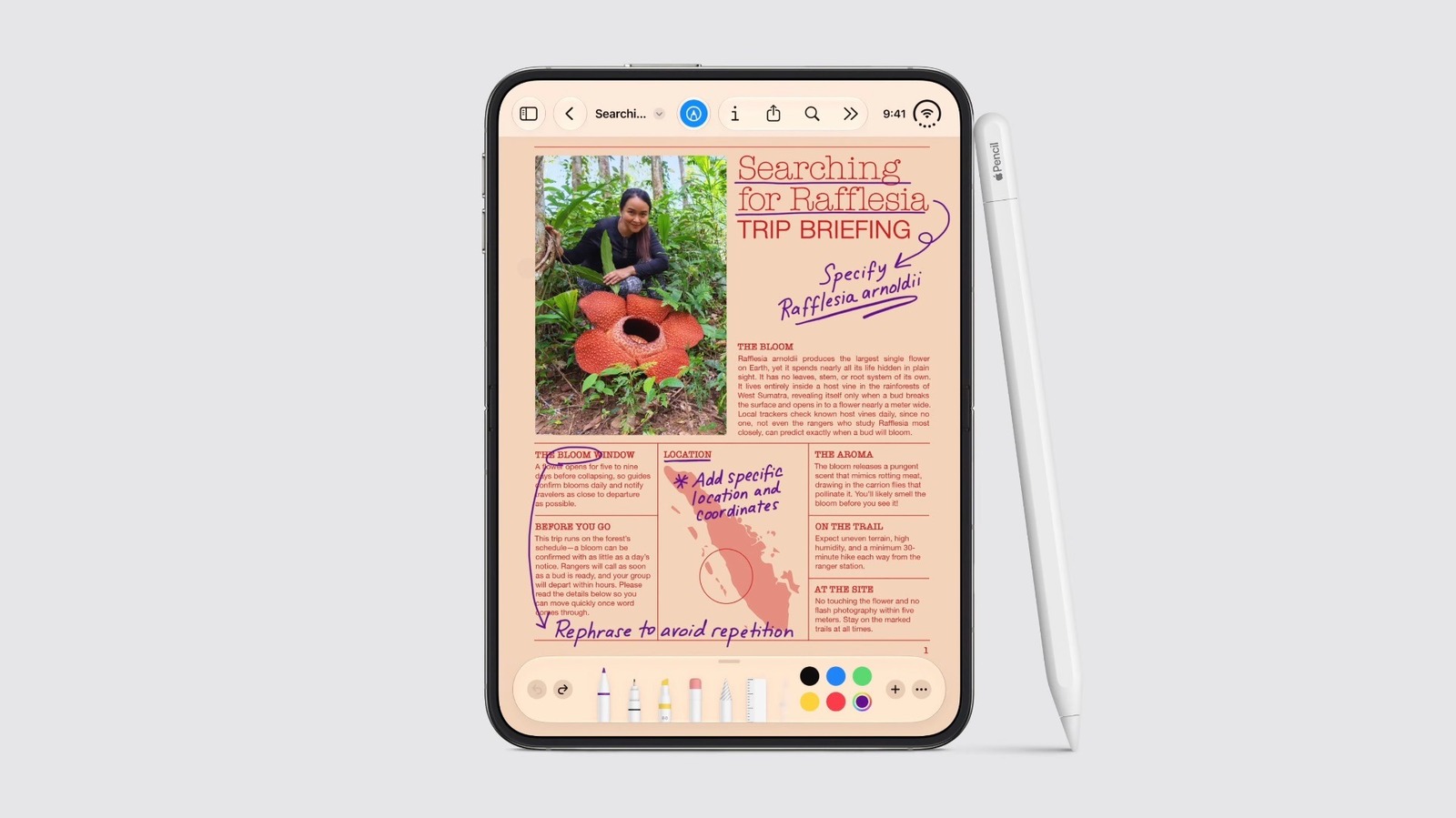
The announcement of the iPhone Duo has sent shockwaves through the tech industry, not merely because of the device’s folding form factor, but because of its newfound compatibility with the Apple Pencil. This functionality allows users to utilize the stylus across both the expansive internal display and the exterior cover screen.
The integration is designed to enhance productivity, offering a high-precision input method for tasks ranging from quick note-taking and digital journaling to professional-grade photo editing and illustration. However, prospective buyers should note that this feature is strictly limited to the iPhone Duo. Owners of the standard iPhone 16 or 17 lineups will remain restricted to traditional touch-based navigation.
Chronology: From "Stylus" Rejection to Widespread Adoption
To understand the weight of this development, one must look at the historical arc of Apple’s input strategy:
- 2007: During the unveiling of the original iPhone, Steve Jobs famously quipped, "Who wants a stylus? You have to get ’em, put ’em away, you lose ’em. Yuck. Nobody wants a stylus."
- 2015: Apple pivoted, launching the first-generation Apple Pencil alongside the iPad Pro, positioning it as a tool for artists and professionals.
- 2018–2024: The Pencil lineup expanded, introducing magnetic charging, double-tap gestures, and haptic feedback, while remaining tethered exclusively to the iPad ecosystem.
- October 2024: The iPhone Duo is officially unveiled, introducing the first smartphone in Apple’s history to support stylus input.
- November 2024 (Projected): Apple is expected to release iOS 27.2, the software update that will officially unlock Apple Pencil functionality for the device.
This timeline reflects a decade-long evolution—from viewing the stylus as an archaic relic of the PDA era to embracing it as a sophisticated, essential component of the modern creative workflow.
Supporting Data and Technical Requirements
The introduction of the Apple Pencil to the iPhone Duo is not a universal update; it is a highly curated experience dictated by specific hardware constraints.
The Compatibility Gap
Crucially, not all Pencils are created equal in this new landscape. Apple has confirmed that only the Apple Pencil (USB-C) is compatible with the iPhone Duo. This leaves users of the more advanced Apple Pencil 2 and the Apple Pencil Pro in a difficult position; despite the higher technological capabilities of those models, they are currently unsupported on the handset.
Why the Limitation?
The primary technical bottleneck appears to be the physical design of the iPhone Duo. Unlike the iPad Pro or iPad Air, the iPhone Duo lacks the internal magnetic array necessary to snap the Pencil onto the side of the device for inductive charging and pairing. Consequently, users are forced to rely on a wired USB-C connection to pair and charge the device. This physical limitation explains why the higher-tier Pencils, which rely on inductive pairing, are excluded from the initial rollout.
Software Dependencies
The feature is not available out of the box. Users who purchase the iPhone Duo at its October launch will find the stylus features dormant. The functionality is gated behind the forthcoming iOS 27.2 update, a decision that underscores Apple’s cautious approach to integrating pen-based navigation into the iOS UI, which was originally designed entirely for finger-based interaction.
Official Stances and Industry Implications
Apple’s messaging regarding the iPhone Duo has focused heavily on "fluidity" and "continuity." By bringing the Apple Pencil to the iPhone, the company is attempting to dissolve the boundaries between its portable devices.
In a brief statement following the announcement, an Apple spokesperson emphasized that the decision was driven by the "changing demands of professional creators who require a unified toolset." The company is clearly targeting the "prosumer" market—users who move between sketching ideas on their iPhone while in transit to refining them on an iPad or Mac at their desk.
The UX/UI Challenge
Integrating a stylus into a phone interface presents significant design hurdles. Apple is reportedly refining "Palm Rejection" algorithms specifically for the iPhone Duo to ensure that holding the device while writing does not result in accidental touch inputs. Furthermore, the UI must adapt to the smaller canvas of the phone compared to the tablet, necessitating a potential shift in how toolbars and menus are displayed when the Pencil is detected.
Implications for the Future of Mobile Computing
The move has profound implications for the industry at large. By legitimizing the stylus on a flagship smartphone, Apple is challenging the status quo established by competitors like Samsung, whose Galaxy S-series "Ultra" models have long featured the integrated S-Pen.
1. The "Phablet" Evolution
The iPhone Duo is no longer just a smartphone; it is a portable digital sketchbook. This convergence suggests that Apple is moving toward a future where the distinction between "phone" and "tablet" is purely a matter of screen size, rather than capability. If the iPhone Duo proves successful, we may see Apple begin to phase out the physical gap between the Pencil and the iPhone by integrating charging mechanisms directly into future iterations of the handset.
2. Market Impact on the Accessory Ecosystem
The requirement for the USB-C Pencil is a strategic move to clear out inventory of the entry-level stylus while simultaneously creating a new revenue stream for the iPhone Duo accessory market. Third-party manufacturers are likely to scramble to create cases that include a dedicated sleeve for the Pencil, as the lack of magnetic attachment makes the stylus particularly easy to lose.
3. Software as a Differentiator
The success of this endeavor rests almost entirely on the software. If iOS 27.2 provides a seamless experience—where the transition from touch to pen is instantaneous and the latency is imperceptible—the iPhone Duo will set a new gold standard for mobile productivity. However, if the experience feels like an "add-on" rather than a native feature, it risks being ignored by the average consumer.
Final Thoughts: A New Frontier
The integration of the Apple Pencil into the iPhone Duo is a landmark moment in the history of personal technology. It signals a company willing to reconsider its past convictions in the face of evolving user behavior. While the current implementation—requiring a specific, wired-charging stylus—is undoubtedly a first-generation solution, it represents the beginning of a broader integration strategy.
For the power user, the artist, and the professional on the move, the iPhone Duo offers a new level of versatility that was previously impossible. The challenge for Apple now lies in refining this integration, potentially solving the charging and storage dilemmas in future hardware revisions, and ensuring that the software experience remains as polished as the hardware itself.
The stylus is no longer "yuck." In the context of the iPhone Duo, it is the next frontier of mobile productivity. Whether this will lead to widespread adoption or remain a niche feature for a specific demographic remains to be seen, but one thing is certain: the iPhone has officially picked up the pen.

 Rifan Muazin
 Asro
Asro