Raul Delapena Setiawan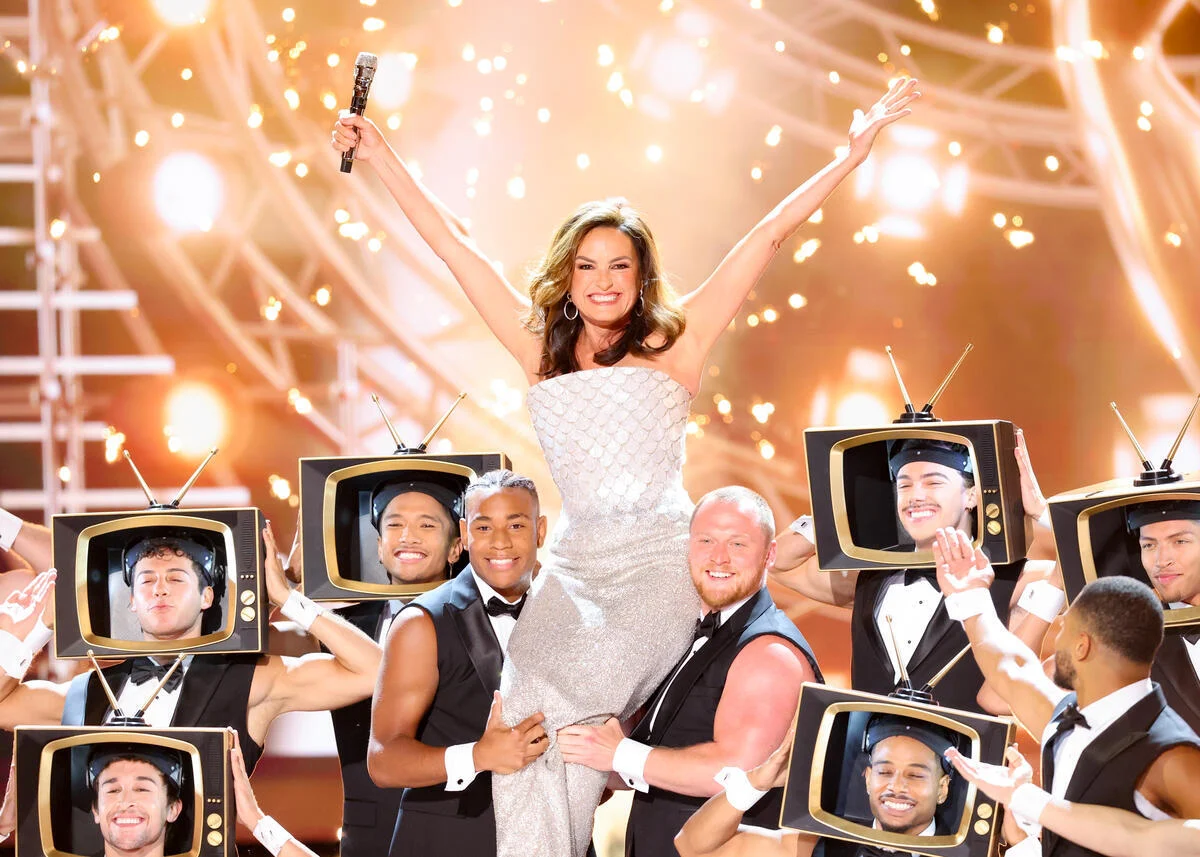
The 78th Emmy Awards, broadcast on NBC, reached a total of 6.7 million viewers on Monday night, according to official Nielsen data. While the figure represents a 9% decline from the previous year’s ceremony on CBS—which drew 7.4 million viewers and stood as the show’s strongest performance since 2021—the narrative surrounding these ratings is far more nuanced than a simple year-over-year comparison. As the television industry navigates a fractured media landscape, the 2026 Emmys served as both a testament to the enduring appeal of prestige television and a stark reminder of the challenges facing legacy network broadcasts.
A Chronology of Ratings Volatility
To understand the performance of the 78th Emmys, one must look at the erratic scheduling history of the awards show over the past several years. Television’s biggest night has been subjected to a series of shifts in both network hosting and time slots, leading to significant volatility in viewership.
In 2025, the ceremony benefited from a Sunday night slot, a traditional "appointment viewing" window that historically yields higher engagement. That telecast drew 7.4 million viewers, providing a stable anchor for the Academy of Television Arts & Sciences. However, moving the 2026 ceremony to a Monday night created an immediate structural disadvantage.
When comparing this year’s results to the most recent Monday night broadcast—the 2024 ceremony on Fox—NBC’s performance appears as a triumph. The 2024 telecast cratered at just 4.4 million viewers, largely due to being the first ceremony in history to air directly against an NFL playoff game. Against that benchmark, the 78th Emmys achieved a 41% increase in viewership. A more tempered comparison is found in NBC’s own 2022 Monday night broadcast, which reached 5.9 million viewers. By that metric, the 2026 ceremony represents a 10% year-over-year improvement, suggesting that despite the transition away from Sunday night, the Academy’s appeal is actually on an upward trajectory.
The NFL Conundrum and the "Hargitay Effect"
The 78th Emmys were hosted by Law & Order: Special Victims Unit icon Mariska Hargitay, who brought a seasoned, steady hand to a ceremony operating in a high-pressure environment. The telecast once again faced stiff competition from the NFL, specifically a matchup between the Kansas City Chiefs and the Denver Broncos.
The presence of professional football is the single largest variable in modern broadcast television ratings. That the Emmys managed to draw 6.7 million viewers while competing for the same audience as the NFL is a significant achievement. According to NBCUniversal, the 78th Emmys ranked as the most-watched non-sports, non-news Monday telecast of 2026, both in total audience and within the critical 18-49 demographic.
The show leaned into this competition with a sense of humor. In a widely discussed pre-recorded sketch, Hargitay addressed the "elephant in the room"—the NFL. The segment featured a cameo from Taylor Swift, who mused that she could not attend the awards ceremony because she was fulfilling her duties supporting her husband, Chiefs player Travis Kelce. By bridging the worlds of high-end prestige drama and the cultural juggernaut of NFL-adjacent celebrity culture, the producers attempted to reclaim the "water-cooler" relevance that once defined awards season.
Digital Reach and the Shift in Engagement Metrics
While traditional linear ratings tell one part of the story, the Television Academy and NBCUniversal are increasingly emphasizing digital engagement as a vital component of the show’s success. Traditional Nielsen ratings, which measure "live" viewing on television sets, no longer capture the totality of a modern broadcast’s reach.
According to data released by NBCUniversal, the 78th Emmys generated 133 million social media views across Facebook, Instagram, X (formerly Twitter), and YouTube. This figure represents a staggering 90% increase from the 2025 ceremony. These metrics suggest that even if viewers are not sitting down for a full three-hour linear telecast, the cultural footprint of the Emmys is expanding through clips, memes, and viral moments. For advertisers and the Television Academy, this "second-screen" engagement is becoming just as valuable as the primary broadcast, as it creates a long-tail narrative that extends well beyond the night of the event.
Implications for the Future: A New Era of Streaming
Perhaps the most significant takeaway from the 78th Emmy Awards is not the specific rating, but the context in which it occurred. Industry insiders widely believe this was the final year that the Emmys will air on a traditional broadcast network.
For 31 years, the broadcast rights for the Emmys have rotated between the "Big Four" networks: NBC, CBS, Fox, and ABC. This rotating arrangement allowed the Academy to maintain a neutral relationship with the networks while ensuring maximum exposure. However, the media landscape has shifted toward a model where streaming platforms hold more power and reach than traditional networks.
Reports confirm that the Television Academy is currently in advanced talks with Amazon Prime Video to secure the future of the Emmys. This move would represent a tectonic shift for the industry. By moving to a streamer, the Emmys would be liberated from the constraints of rigid, three-hour broadcast windows and the pressure of competing against NFL schedules on Monday nights. It would also allow for a more global, on-demand viewing experience, which aligns with the habits of the younger demographic that the Academy is desperate to retain.
The Professional Outlook
The 78th Emmys succeeded in proving that there is still an audience for the "event-ization" of television. Despite the fragmentation of the industry, the 6.7 million viewers who tuned in on Monday represent a core audience that values the recognition of creative excellence.
However, the reliance on NFL-counterprogramming and the transition toward digital-first engagement highlights the fragility of the status quo. If the move to Amazon Prime Video is finalized, the 79th Emmys will look and feel significantly different. The shift could mark the end of the "broadcast era" for the awards, turning the ceremony into a hybrid of a live show and a global streaming event.
In conclusion, the 78th Emmys served as a bridge between the past and the future. By maintaining a respectable viewership against immense sports competition, leaning into social media virality, and successfully navigating a challenging Monday night slot, the ceremony demonstrated that television remains a potent cultural force. Whether the move to a streaming-first model will stabilize the show’s audience or further transform its role in the industry remains the defining question for the Television Academy in the coming year. For now, the numbers indicate a resilient brand—one that is learning, albeit slowly, how to survive in a post-linear world.


 Nana
Nana
 Asro
Asro