Nana
Nana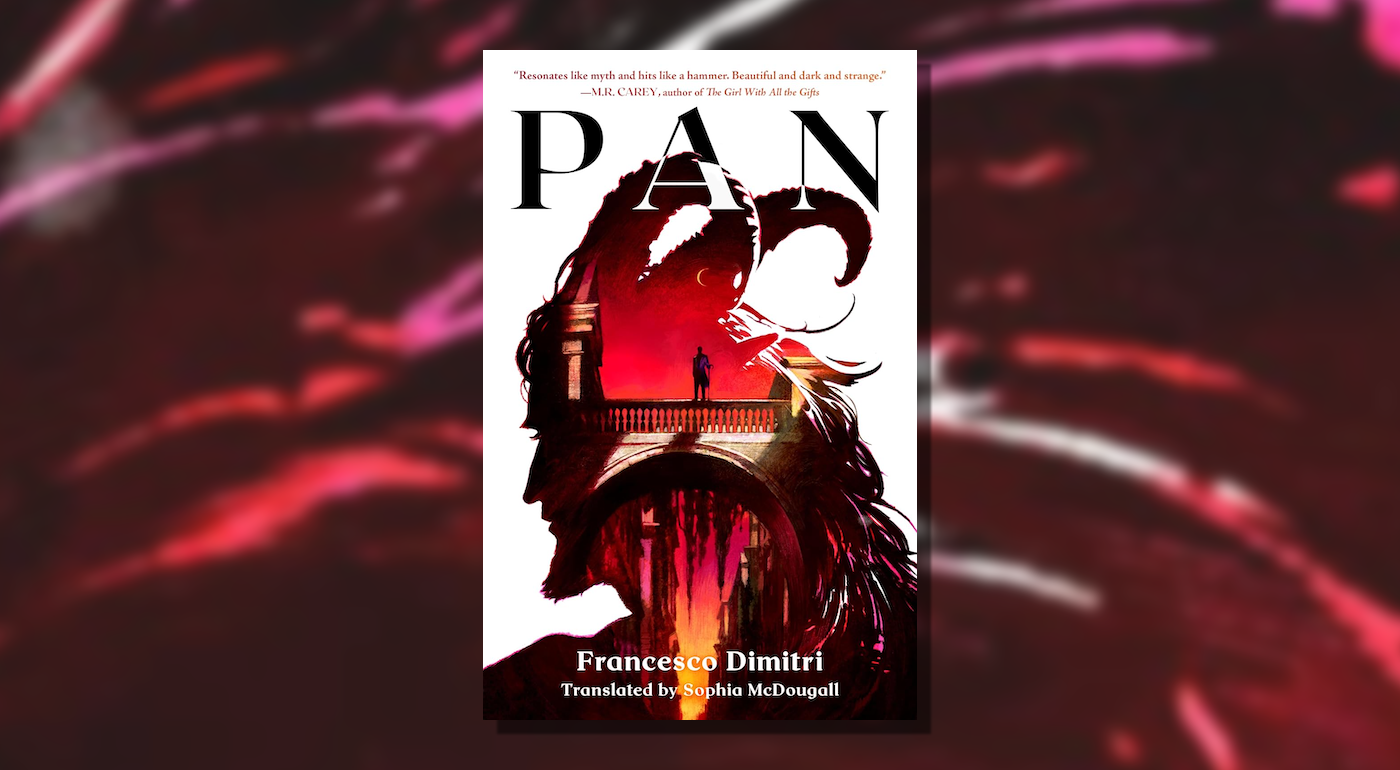
Main Facts: A Brutal Rebirth of a Classic
On October 13th, Tor Books will release Pan, a visceral and haunting reimagining of the Peter Pan myth by Italian author Francesco Dimitri, translated into English by Sophia McDougall. Departing from the whimsical nursery-room antics of J.M. Barrie’s original work, Dimitri’s Pan transposes the legend into the sprawling, ancient, and often unforgiving landscape of modern-day Rome.
The novel is not a fairy tale; it is a dark fantasy grounded in the grit of urban reality. In Dimitri’s Rome, the borders between the mundane and the magical are thinning. An ancient, primal force—an old god fueled by anarchy, raw destruction, and the volatility of extreme emotion—has returned to claim the city. Opposing this chaotic deity is a new, emerging power that seeks to impose total order and subjugation. As these two titans prepare for a cataclysmic confrontation, the children of Rome find themselves caught in the crossfire, dreaming of an island that does not exist while pirates and deities clash in the skies above the Eternal City.
Chronology: The Erosion of Wonder
The narrative of Pan unfolds across several layers of the Roman experience, weaving together the lives of disparate characters who represent the city’s fragmented soul.
- The Dreaming Children: The novel opens with the subconscious lives of children like Timoteo, a boy haunted by the loss of his family; Giulia, a girl struggling with a disfiguring birthmark who dreams of mermaids and magic; and Zivorad, a homeless child living in the shadows of the Tiber. Their dreams serve as the initial battleground for the encroaching magic.
- The Magician’s Descent: We follow "The Wondrous Wendy," a twenty-five-year-old street performer in Piazza Navona. Wendy’s life is a cycle of cynical performances—selling magic tricks to tourists who lack the capacity to appreciate true wonder. Her journey reflects the central theme of the novel: the loss of enchantment in an age of jaded reality.
- The Graffiti War: The street-level conflict is exemplified by PsyKlops and Wedge, two graffiti artists in the San Basilio district. Their run-in with a group of otherworldly, aggressive children marks the definitive shift from urban delinquency to supernatural horror, resulting in a gruesome confrontation that signals the beginning of the "war to the death" between the old god and the new.
- The Academic Standstill: Finally, the story touches on Giovanni, an aspiring anthropologist, and his partner Luisa. Giovanni’s struggle to reconcile his passion for "the legend" with the stifling, bureaucratic demands of academia serves as a metaphor for the struggle of the individual to maintain their spark against a world that demands conformity and "balance."
Supporting Data: The Anatomy of a Modern Myth
Dimitri’s Pan is characterized by its stark contrast between the mundane—leaking toilets, cold winter nights in the city, the boredom of university research—and the transcendent. The "data" of the novel is found in the recurring motifs of the characters’ lives:
- The Geography of Decay: Rome is portrayed not as a city of monuments, but as a living, breathing entity that "steels herself for the bloodshed to come." The settings—from the affluent Piazza Fiume to the crumbling, concrete blocks of San Basilio—act as symbols of the cultural and emotional divide within the city.
- The Symbolism of the Mark: Giulia’s birthmark is more than a physical trait; it is a point of contention with the magical world. The mermaids’ attempt to "heal" her represents the dangerous, seductive nature of the returning magic, which offers salvation at the cost of one’s identity.
- The Clock of Death: A recurring omen in the novel warns that "those who let Wonder pass unseen, shall soon hear Death’s clock strike thirteen." This is the core tension of the plot—the cost of ignoring the return of the magical is nothing less than the destruction of the human spirit.
Official Responses and Literary Reception
While the book is yet to reach the public, early editorial responses from Tor Books and literary critics suggest that Pan is poised to become a landmark in contemporary dark fantasy. Sophia McDougall’s translation has been lauded for maintaining the "brutal elegance" of Dimitri’s prose, capturing the specific cadence of Roman life while translating the high-stakes stakes of the mythological conflict.

Critics note that Dimitri’s background as a writer of both fiction and non-fiction allows him to ground the supernatural elements in a palpable, sociological reality. Unlike traditional retellings that seek to modernize the "Boy Who Wouldn’t Grow Up" by making him a hero, Dimitri treats Pan as an inevitable, terrifying force of nature. The "official" consensus among early readers is that this is not a story about children; it is a story about what happens to society when the "hero" arrives, and the violence inherent in the transition between eras of history.
Implications: A City on the Brink
The central implication of Pan is that the "magic" returning to the world is not inherently benevolent. By pitting an old god of anarchy against a new god of order, Dimitri suggests that the modern world is trapped in a false dichotomy. The children of Rome are the ones who bear the physical and psychological scars of this struggle, acting as the bridge between a forgotten past and a potentially tyrannical future.
Furthermore, the novel serves as a critique of the "academic" and "adult" approach to the world. Giovanni’s loss of his "spark" as he bows to the pressures of his supervisor, Fatty Bolger, mirrors the city’s collective loss of wonder. The book poses a haunting question: if we lose our ability to dream, are we merely waiting for the old gods to return and tear the world down, or are we destined to be swallowed by the new gods of order and subjugation?
As the date of publication nears, Pan promises to challenge readers’ perceptions of classic literature. It is an exploration of the darkness inherent in the Peter Pan myth, stripping away the fairy dust to reveal a narrative about power, loss, and the enduring, often painful, necessity of wonder. Whether the reader is a fan of the original Barrie tale or a seeker of high-concept dark fantasy, Dimitri’s Roman epic is a chilling reminder that, in the dark corners of the city, something is always coming for us.
Publication Details:
- Pan
- Author: Francesco Dimitri
- Translator: Sophia McDougall
- Publisher: Tor Books
- Release Date: October 13th

 Suro Senen
 Reynand Wu