Nana
Nana
At AU26, the annual summit for design and engineering professionals, a recurring theme dominated the discourse: artificial intelligence is not here to replace the artist, but to serve as a high-velocity assistant for the tedious. As the industry grapples with the existential anxiety surrounding generative AI, Autodesk—the titan of creative software—is positioning its suite of tools, including the new AI-powered Flow Studio and specialized features within Maya, as a bridge between technical drudgery and human creativity.
However, moving beyond the marketing rhetoric reveals a more complex reality. In a candid interview, Diana Colella, EVP and Head of Media & Entertainment at Autodesk, steered the conversation away from mere speed. Instead, she asked the question that truly matters for the future of the industry: What, exactly, do artists do with the time they get back?
The Philosophy of "Flow": Efficiency as a Gateway to Creativity
For decades, the life of a 3D artist has been defined by "the grunt work"—the repetitive, time-consuming tasks that drain energy without necessarily contributing to the artistic vision. Whether it is rendering, complex retopology, or mundane rigging tasks, these processes often act as a barrier to the iterative nature of true creation.
"How do you make people go faster?" Colella asks, framing the objective of Autodesk’s current AI integration. Her philosophy is rooted in the belief that AI should be invisible, or at least unobtrusive. By embedding tools like MotionMaker directly into established ecosystems like Maya, Autodesk aims to prevent the "tool-fatigue" that often accompanies new technology.
The goal, she argues, is not to double an animator’s workload by expecting twice the output, but to provide a sandbox for experimentation. By accelerating the pre-production phase—allowing artists to build more assets and run multiple iterations at a fraction of the traditional cost—creatives can catch structural or narrative problems early. This shift could transform the studio workflow, moving from a rigid, linear production line to a more fluid, experimental process where the "weird ideas" that were previously cut due to budget and time constraints can finally be realized.

The "Silent User": The Industry’s AI Paradox
Despite the technical advancements, there is a palpable tension in the creative community. Colella notes a strange phenomenon: customers who are utilizing Autodesk’s latest AI features are often reluctant to disclose that fact.
"If they are using the AI tools, they won’t say it. They don’t want to tell us," she observes. This silence is a direct byproduct of the pervasive "fearmongering" that has characterized the public discourse on AI. From podcasts to industry forums, the narrative has largely been one of replacement and job loss. Consequently, many professionals treat AI tools as a "guilty secret," fearing that admitting to their use might signal a lack of technical prowess or a compromise in artistic integrity.
This stigma has created a disjointed reality where AI is quietly powering significant portions of modern production while remaining a taboo subject in professional portfolios. Colella hopes that as the industry matures, the conversation will shift from the fear of the tool to the utility of the output.
Chronology and the Evolution of the Toolkit
To understand where Autodesk stands today, one must look at the timeline of its integration strategy. Unlike many tech startups that prioritize rapid, generative "one-click" solutions, Autodesk has favored a measured, integration-heavy approach:
- Pre-2024: Focus on traditional, high-precision tools for modeling, rigging, and animation.
- 2025: Initial experimentation with machine learning for denoising and background task automation.
- AU26 (2026): The official rollout of the Flow Studio platform, marking a shift toward AI-assisted project management and asset generation that remains under the artist’s direct control.
- The Present: A focus on transparency, where features are clearly labeled as "AI-assisted" to build trust within a skeptical user base.
This trajectory underscores a critical distinction: Autodesk is not attempting to build an "Auto-Movie" button. Instead, it is focusing on the "middle mile" of production—the complex, technical processes that sit between an initial concept and the final, polished frame.

The Reality Check: AI’s Current Limitations
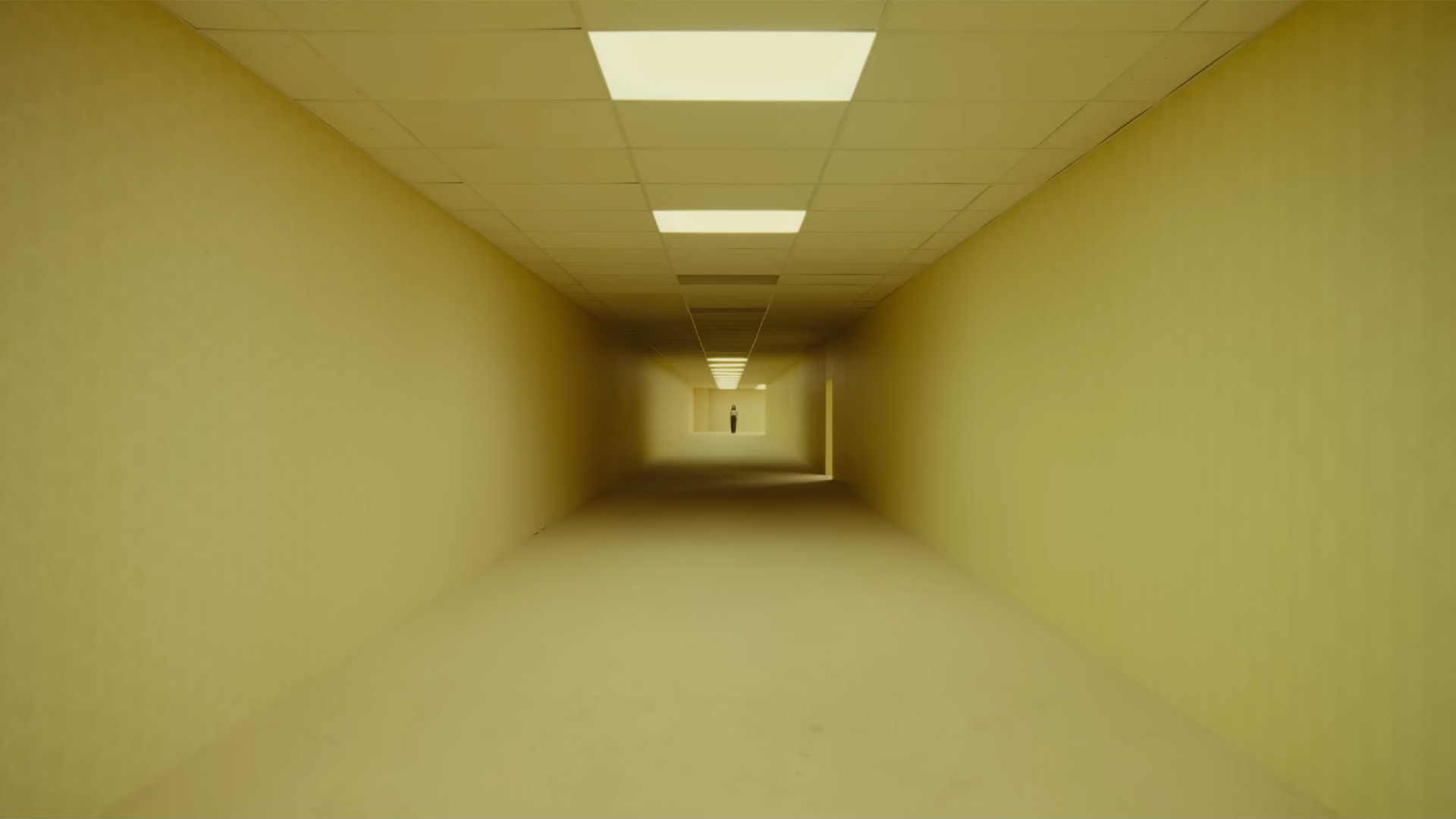
Colella is refreshingly pragmatic about the boundaries of the technology. She points to recent independent horror successes like The Backrooms and Obsession as case studies in the current limitations of AI. These projects were not created using high-end studio AI or even necessarily using Autodesk’s ecosystem—some were built in Blender—but they ultimately required the same, rigorous post-production, color grading, and editorial finishing as any big-budget film.
"AI can only get you so far today," she states. "It’s not going to get you the whole way."
This is the primary argument for why Autodesk’s 3D-centric approach is more sustainable than the 2D generative AI boom. While 2D imagery has been heavily disrupted by LLMs and image generators, 3D remains a discipline that requires spatial understanding, physics, and technical rigging—areas where AI can assist but not yet autonomously perform. By focusing on 3D, Autodesk is doubling down on a discipline that requires a professional hand at the tiller.
Economic Implications: Breaking the Industry Bottleneck
Beyond the technical shift, there is a profound economic potential. The entertainment industry is currently in a state of contraction; the "streaming wars" have given way to a period of fiscal discipline, with studios cutting budgets and being highly selective about greenlights.
Colella suggests that the true value of AI might be in democratizing production costs. If the barrier to high-quality 3D production is lowered, the industry may see a surge in independent creators who can produce content that was previously financially impossible. This doesn’t necessarily mean a race to the bottom in terms of job quality, but rather an expansion of the "middle class" of content creators.
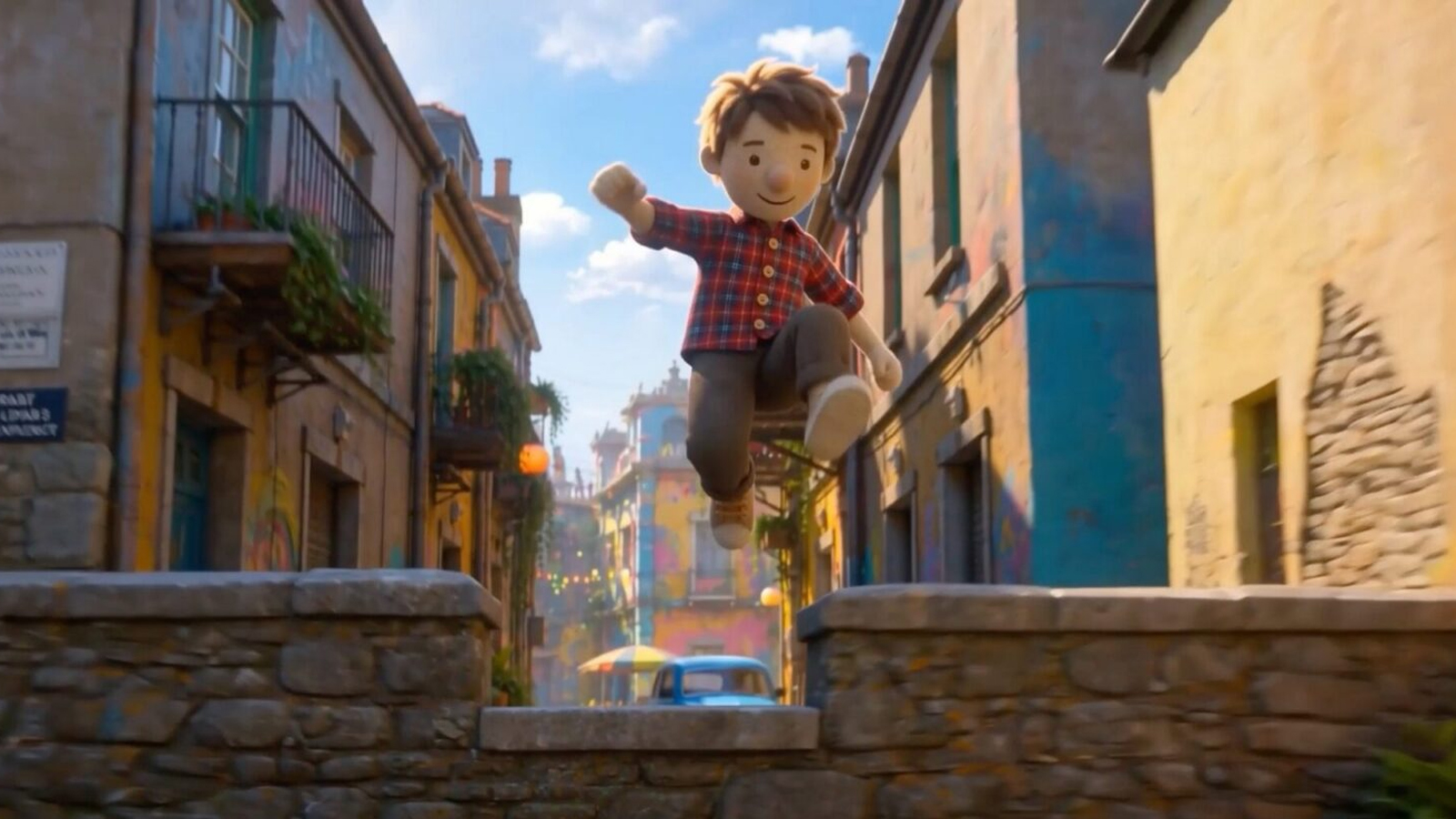
"I think there’s going to be more creators than there is today," Colella predicts. This vision challenges the standard "AI-as-a-cost-cutter" narrative. Instead of viewing AI as a way to trim staff, she frames it as a way to increase the total volume of creative output, potentially revitalizing an industry currently stifled by high-risk, high-cost models.
Transparency and the Trust Factor
A major pillar of Autodesk’s strategy moving forward is radical transparency. Colella acknowledges that trust is the currency of the creative world. If artists feel that their tools are black boxes that might one day "learn" to replace them, they will reject them.
"We have to, at this point, be very transparent about what is an AI feature and what is not an AI feature," she says. This extends to the final product as well. As audiences become more adept at spotting "AI-hallucinations" or unnatural artifacts, the demand for high-quality, human-led, AI-assisted work will grow. She points to platforms like TikTok, which now proactively flag AI-generated content, as evidence that the public is becoming increasingly sophisticated in its ability to distinguish between synthetic and organic creation.
Conclusion: A New Era of Collaboration
The future of AI in creative tools, at least according to the Autodesk vision, is one of partnership. The "AI bubble" that many fear may indeed burst for companies that offer only hype, but for those that provide tangible, revenue-generating tools that integrate into existing professional workflows, the future looks quite different.
The real test for the industry in the coming years will not be how many milliseconds of rendering time can be shaved off a project. It will be the degree to which studios and individual artists feel empowered to push the boundaries of their craft. If that extra hour of "saved time" is used to explore a new visual style, deepen the narrative, or perfect a character’s movement, then AI will have succeeded in its most important role: acting as a catalyst for human ingenuity rather than a replacement for it.
As the industry waits for the economic dust to settle, the message from Autodesk is clear: the technology is here, it is maturing, and for those who choose to wield it, it may be the key to surviving the next decade of creative production.

 Pevita Pearce
 Nana Wu