Reynand Wu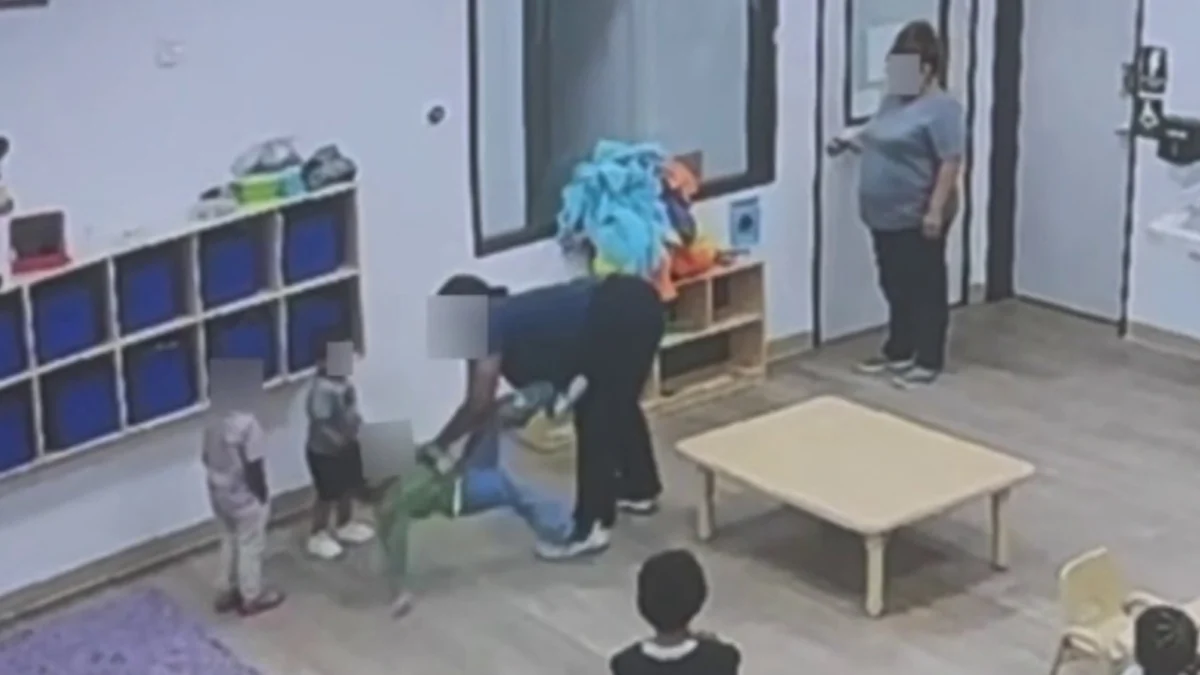
In a disturbing case that has sent shockwaves through the early childhood education community, a Texas couple has filed a lawsuit seeking over $1 million in damages against a Fort Worth daycare facility. The litigation follows the discovery of surveillance footage that allegedly depicts a substitute teacher orchestrating a series of violent altercations between four-year-old children, an environment the plaintiffs’ attorney has chillingly described as a "child fight club."
The lawsuit, filed on September 4 in Tarrant County, targets Arka Risinger Educators LLC, the operator of the Arka Montessori Academy of Risinger. The complaint centers on a traumatic incident occurring on April 27, which left the plaintiffs’ son, identified in court documents as U.H., with physical injuries and severe emotional distress.
A Chronology of the April 27 Incident
According to the legal filing and reports from local media, the incident unfolded during the late afternoon hours at the facility. As staff began their shift rotations at approximately 4:30 p.m., children were consolidated into a combined classroom.
The trouble began when another boy, whose mother—identified as Chynia Johnson—was employed by the daycare, allegedly struck U.H. in the back. Initially, the regular staff member on duty, Jacqueline De Luna, intervened to separate the children. However, the situation escalated once De Luna’s attention was diverted and Johnson entered the room to provide substitute coverage.
Escalation of Violence
The complaint alleges that once Johnson took charge of the room, the environment turned hostile. The lawsuit details a harrowing sequence of events:
- The Initial Confrontation: Johnson’s son allegedly shoved U.H. in the chest. When the young victim raised his hands in a defensive posture, Johnson reportedly physically grabbed him by the arm, shook him, and shoved him away.
- The "Fight Club" Orchestration: Witnesses and surveillance footage indicate that Johnson then coached her son, effectively setting the stage for a repeat attack. She stepped aside, allowing her child to charge at U.H. a second time. When the other boy fell during the scuffle, Johnson reportedly intervened again—not to protect the children, but to escalate the violence. She allegedly grabbed U.H. with both arms, shook him, and screamed directly into his face.
- The Final Assault: Upon the return of the primary teacher, De Luna, the lawsuit claims the abuse reached its peak. Johnson allegedly dragged U.H. toward her own son, actively encouraging the boy to kick and hit the victim. The most damning allegation in the complaint is that Johnson held U.H. by the wrist and swiped his leg out from under him, causing the four-year-old to crash onto the hardwood floor. Throughout this process, the lawsuit asserts that De Luna stood by, observing the scene without attempting to intervene or protect the child.
The Aftermath and Parental Discovery
When Heather Harris arrived at the facility to collect her son, she was met with a scene of distress. Her son was crying hysterically. When she questioned staff about the state of her child, she was told that a standard playground scuffle had occurred and that employees had handled it appropriately.
Sensing that the official narrative did not align with her son’s extreme emotional reaction, Harris demanded to review the facility’s surveillance footage. What she saw on the screen shattered her trust in the institution.
"Nothing prepared me for seeing my child aggressively handled and attacked by another child at a teacher’s orders," Heather Harris said in a public statement following the filing. "My heart just shattered into pieces because I couldn’t be there to protect my son from being harmed, all while he was being cared for by a daycare that I trusted."
The physical and psychological toll on U.H. has been significant. According to the lawsuit, the boy suffered visible bruises and scratches on his arms. Beyond the physical trauma, he has reportedly suffered from post-traumatic headaches and persistent anxiety that has rendered him unable to return to a traditional daycare environment.
Institutional Failure: A Pattern of Negligence
The Harris family, who had conducted extensive research before selecting Arka Montessori Academy—prioritizing its alleged commitment to cleanliness, high educational standards, and constant surveillance—now feel profoundly betrayed.

"The trust that I put in this daycare, they failed us," Richard Harris stated.
The lawsuit’s allegations are bolstered by a concerning history of regulatory scrutiny. An investigation by the Texas Health and Human Services Commission’s (HHSC) Child-Care Licensing Division ultimately cited the daycare for multiple prohibited disciplinary methods, including the physical shaking, pulling, and yelling observed in the footage.
A History of Deficiencies
The Arka Montessori Academy of Risinger has faced significant regulatory headwinds since opening its doors in January 2024.
- Safety Citations: Records indicate that the facility has accumulated at least 16 safety citations in less than a year.
- Operational Failures: Prior to the "fight club" incident, inspectors had documented instances of children being left completely unattended outside or isolated in classrooms without adult supervision.
- The Scope of Risk: While some reports suggest the facility had racked up as many as 21 health and safety deficiencies, a follow-up inspection in August 20 found no new violations—a fact that critics argue highlights the limitations of periodic inspections versus the day-to-day reality of the facility’s culture.
Legal Implications and Broader Industry Concerns
The lawsuit seeks over $1 million in damages, citing negligence, gross negligence, and premises liability. The legal strategy, led by attorney Russell Button, aims not only to compensate the Harris family but to force a broader reckoning within the childcare industry.
"This place looked like a child fight club. It felt like one," Button told reporters. He argues that the case puts the entire daycare industry on notice regarding the necessity of rigorous staff oversight and the moral imperative of child protection.
From a legal standpoint, the case raises critical questions about "vicarious liability"—the responsibility of the daycare owner for the criminal or tortious actions of their employees. By allowing a substitute teacher to maintain control of a classroom while engaging in such behavior, the facility faces a steep uphill battle in its defense.
Criminal vs. Civil Liability
As of this writing, no criminal charges have been filed against Chynia Johnson, despite the graphic nature of the allegations. Johnson is no longer employed by the daycare, but the lack of criminal prosecution has frustrated some observers who believe the footage provides clear evidence of child endangerment. The civil lawsuit serves as the primary mechanism for accountability in this case.
Conclusion: The Erosion of Trust
The Arka Montessori incident is the latest in a series of high-profile controversies plaguing the daycare industry. In recent months, news cycles have been dominated by reports of daycare directors mismanaging millions in funds to support lavish lifestyles, and allegations of public funding being funneled into "ghost" daycares that serve no actual children.
These stories collectively paint a picture of an industry in crisis, where the demand for affordable childcare has perhaps outpaced the regulatory capacity to ensure safety. For the Harris family, however, the legal battle is not about industry trends; it is about the fundamental promise of safety that every parent expects when they drop their child off in the morning.
As the litigation proceeds, the case of Arka Montessori Academy will likely serve as a cautionary tale for parents and a benchmark for how courts address the gross betrayal of the duty of care in early childhood education. The Harris family hopes their fight will prevent other parents from experiencing the same heartbreak, ensuring that "daycare" remains a place of learning and growth, rather than a theater of violence.


 Layla Zulfa
 Laily UPN